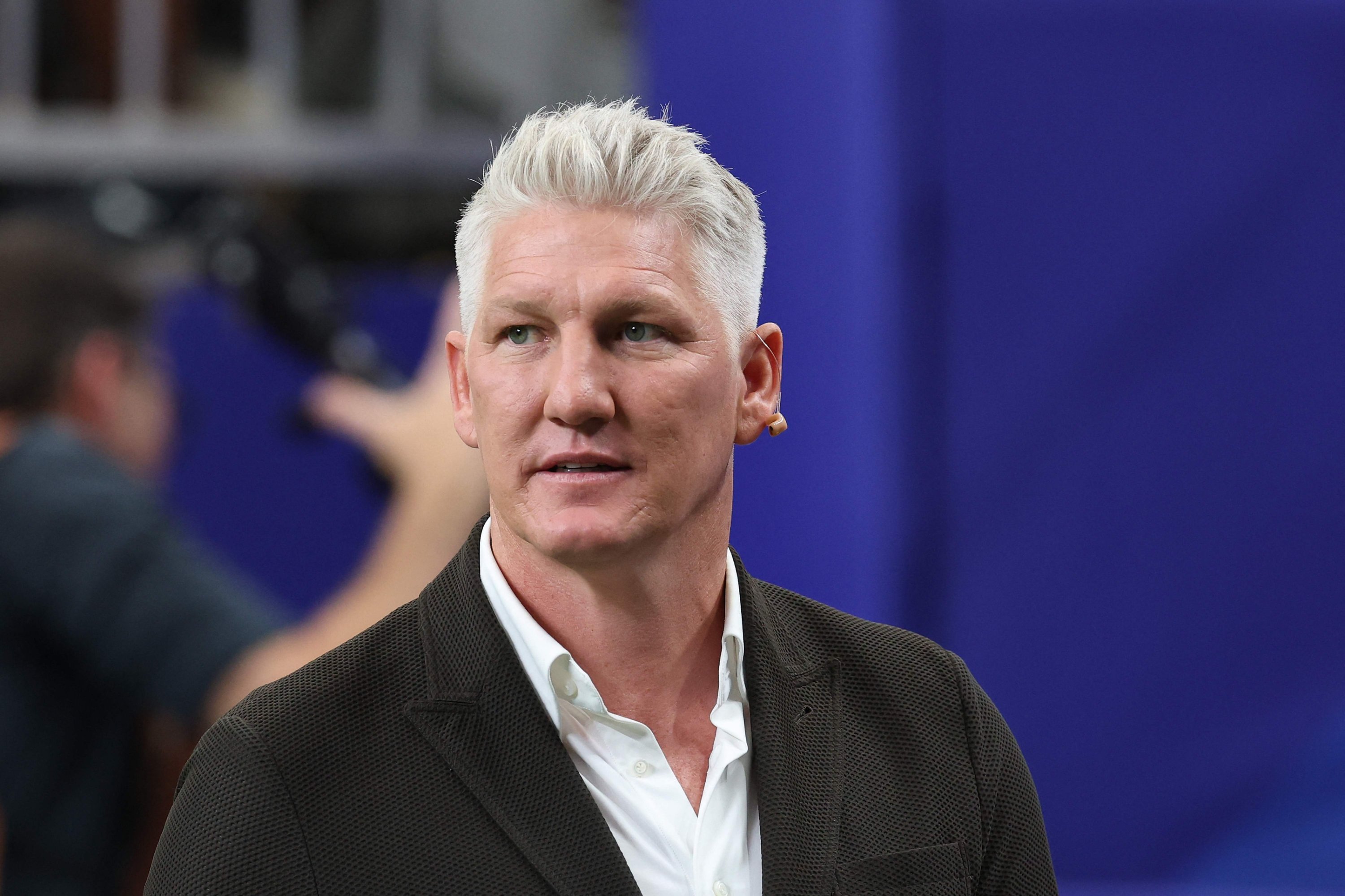
Ivory Coast coach Emerse Fae has launched a strong rebuke against former Germany international Bastian Schweinsteiger, after comments made during World Cup punditry sparked accusations of stereotyping African football and reignited debate over bias in sports broadcasting.
The controversy emerged ahead of Germany’s Group E match against Ivory Coast in Toronto, when Bastian Schweinsteiger, working as a television analyst for German broadcaster ARD, described the Ivorian team as playing a style he labeled “a bit African football, a bit unorthodox, a bit wild, a bit perhaps not so conditioned by tactics,” adding that Germany should prepare for an unpredictable and chaotic opponent.
The phrasing immediately drew scrutiny for its generalization of an entire continent’s football identity. Critics said it reduced African teams to long-standing cliches about physicality and unpredictability, while downplaying tactical sophistication and structured play that many national teams, including Ivory Coast, now consistently demonstrate at elite level.
On the pitch, the match itself undercut any notion of imbalance. Germany edged a 2-1 win in Toronto, with substitute Deniz Undav scoring twice late on, including a stoppage-time winner after Ivory Coast captain Franck Kessie had put his side ahead. Ivory Coast still progressed from the group and later secured a historic milestone by reaching the knockout stage for the first time in their World Cup history following a 2-0 victory over Curaçao.
Fae addressed the remarks after that qualifying win in Philadelphia, expressing both personal disappointment and professional disagreement. He said he had long admired Schweinsteiger’s playing career, noting how deeply he respected the former Bayern Munich midfielder, making the comments even harder to accept.
“When I heard his comment, I was disappointed in the man,” Fae said. “It is odd he would speak that way.” He added that while he could not control outside opinions, Ivory Coast’s performances demonstrated a balanced identity built on tactical discipline, technical execution, and physical strength.
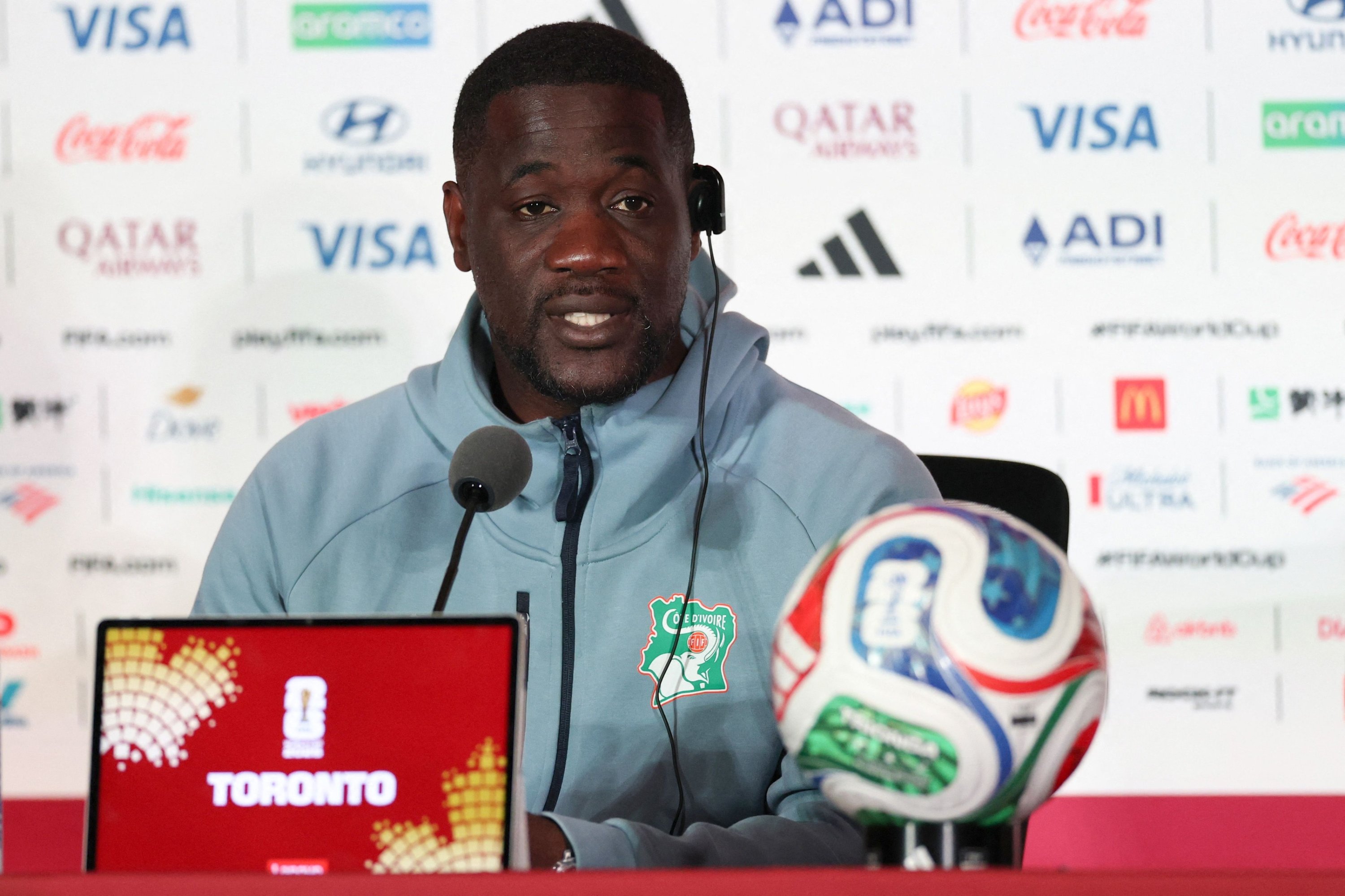
Fae went further in questioning the intent behind the remarks, suggesting they may have been “clumsy” or influenced by the pressures of punditry. He also pointed to what he described as a modern tendency among some analysts to lean on simplified narratives that generate attention but do not reflect the complexity of teams on the pitch.
The backlash extended beyond Ivory Coast’s camp. Journalist Philipp Awounou wrote in Der Spiegel that language such as “wild” and “unpredictable” carries historical weight rooted in colonial-era stereotypes that portrayed African societies as undisciplined or less developed. He emphasized that even when not intended as racist, such framing can reinforce harmful assumptions.
Anti-discrimination organization Kick It Out also criticized the remarks, highlighting ongoing concerns in football over how Black and African players and teams are described in media analysis.
Commentators and journalists in Germany similarly debated whether unconscious bias still shapes the vocabulary used to describe teams outside Europe.
Former Liverpool manager Jürgen Klopp also reacted indirectly, declining to engage when questioned during a media appearance, calling the issue too serious for off-the-cuff comment.
Schweinsteiger later posted on social media acknowledging Ivory Coast’s technical quality and physical strength, but he did not directly address the wording that triggered criticism. As of the latest reports, neither he nor ARD had issued a formal apology or detailed clarification.
The incident has become part of a broader conversation in global football about how language shapes perception.
Ivory Coast’s squad, featuring players with top-level European experience such as Kessie and others, has been widely cited as an example of how African teams now operate with tactical structure comparable to the world’s elite.