A person's relationship with objects and place is a long-term relationship that begins at the moment when the soul enters the body and ends when the soul leaves the body again. In this symbiotic interaction, sometimes there is a humanization of the object by attributing human-specific properties to the object, and there is also a materialization by attributing the properties belonging to an object to the person.
The dialogue that a person establishes with an object – or a subject – forms a common memory pattern over time, and a hierarchy of values is formed according to its position in the pattern. At this point, it can be said that an object is of vital importance to a person.
It is the artist's work to bring out an aesthetic being from the object. That is, the object also proves both its indispensability and its worthiness for the artist in the process of creative activities. So much so that in the work of art, the object can replace the subject. According to the Greek philosopher Plato, the object (copy of the copy), which is an imitation of what is happening in the world of ideas, or the industrial object, which is positioned as a work of art in person as Dadaists do, turns into a work of art in the hands of the artist. By filtering the artist's view, functioning and knowledge, the object that has become a work of art has now met its essence and is no longer a copy of the copy but perhaps has returned to Plato's original in the world of ideas. At this point, if we need to open a bracket, it can be said that the artist and his work can be considered valuable because it brings people closer to the world of ideas and ascribes ideas to this world.
The relationship between artist, item, value and work of art can be deciphered as the relationship between a hard disk and the written or visual data uploaded to it; over time, a hard disk with thousands of photos, documents, audio, video recordings uploaded to its digital memory has become a valuable item, considering its content. However, when you take a hammer and smash it, or its contents become inaccessible due to a virus, the hard disk is now just a “thing” in an idle state. Just like in the example, what makes an item valuable, and a work of art is related to the memory, data and meaning that the artist places on the object of his choice and the work during the creative adventure. That is why a technically perfect painting may not be considered art while another does. It is because the artist managed to transfer his spirit, his dreams, his emotions and his story to the artwork.
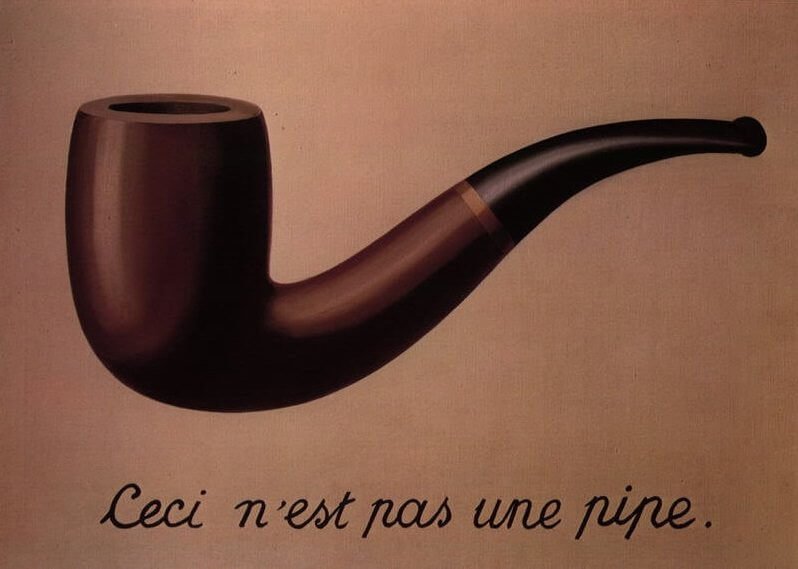
The Belgian surrealist painter Rene Magritte also questions the relationship of man to the object, what he sees and knows, and what turns into a work of art with the paradox created by the sentence "Ceci n'est pas une Pipe" ("This Is Not a Pipe") in his painting "The Treachery of Images," in which he paints more real than a real pipe and gives his name to work underneath.
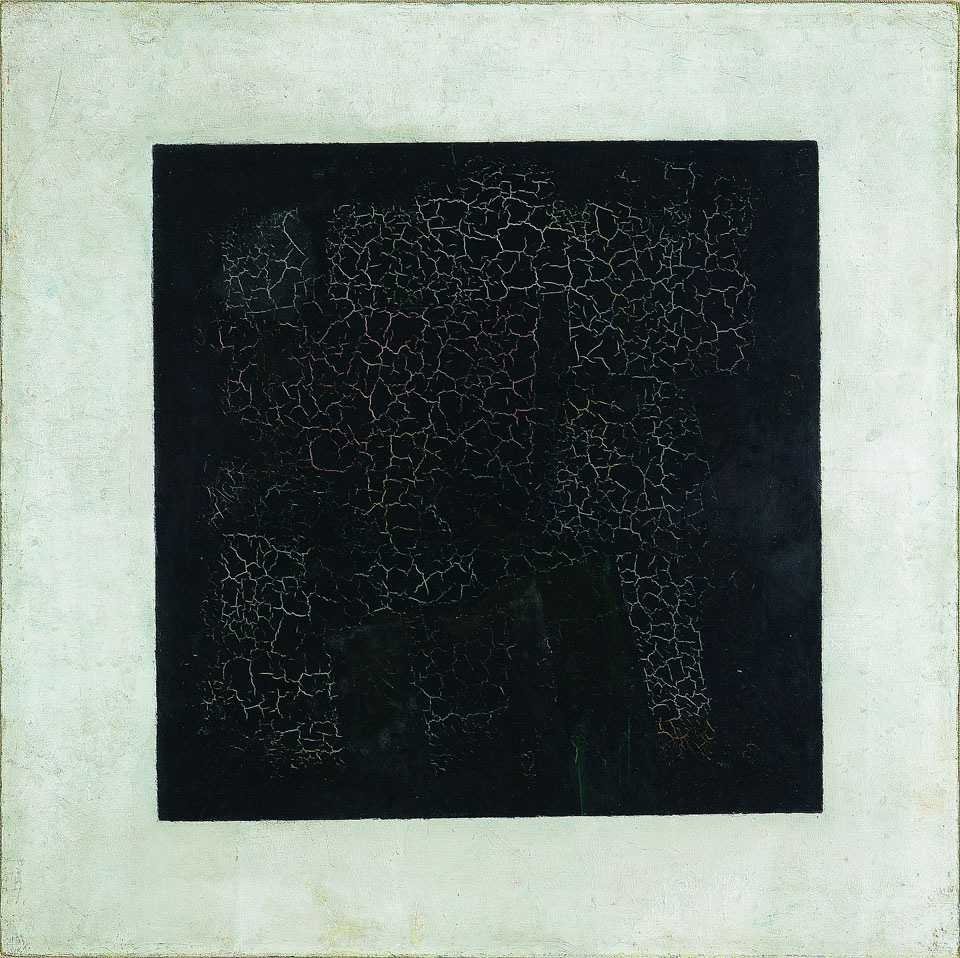
The Russian painter Kazimir Malevich, the pioneer of the suprematism movement, criticizes the human passion for the object, not only in everyday life but also in painting. Malevich's "Black Square" hole has almost swallowed the objects that have become the pleasure element of the consumer society. Objects reduced to geometric shapes and colors oscillating in space play the role of a bridge between meta and metaphysics in the imagination of Malevich and his followers. So, is the object an anchor that allows a person to take root in the world? Or are they a burden that satisfies the desire to have but weighs down the wings of the soul?
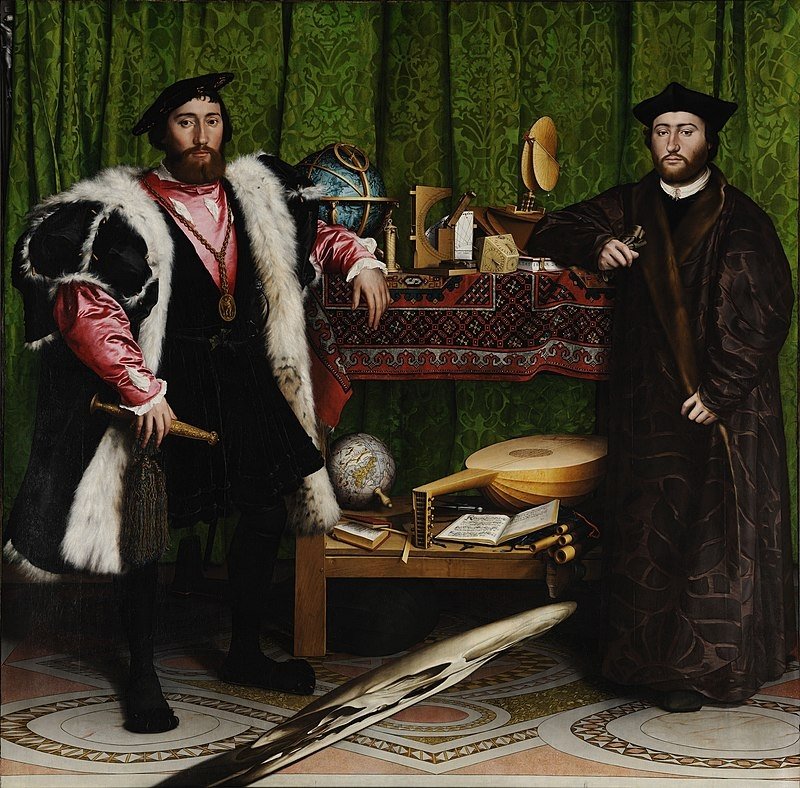
The objects and places in which they are located, which are viewed as a projection of memory, the individual, and the perception of value and meaning in art, also push us to question the variable paradigms of a changing world. German artist Hans Holbein, who uses the objects he uses in his work "The Ambassadors" (1533) as symbols that need to be deciphered shines a light on the present day from ages away with objects that blow the secrets of his era. The expressionist objects of Dutch artist Vincent van Gogh, who lived many centuries after him, are more subjective. Worn shoes, chairs, beds, and hats become an occasion for empathy and invite the viewer to look at the world of the painter and the subject through another window.
The object, which is always a witness of time and a proof of memory, has opened new areas of experience for a person and has also been an impetus and motivation for the artist. The search for meaning or the anxiety to make sense has brought the artist closer to the object and led them to position his existence as a critical element that he can review.
Whether a faithful pair of glasses itself or its plastic projection on the canvas, is more valuable is the subject of a centuries-old art debate, although it is a fact that art blesses the object. Therefore, the creation we call a work of art deserves to be placed at the center of the place, be exhibited on a pedestal, be preserved in museums, just like the gentle kiss that the Sufi dervishes put on ney while they are taking them and leaving them when the object turns into a work of art, it takes on a meaning to be kissed and commemorated.