Our film-watching habits are closely tied to our relationship with cinema. Why do we watch films? To lose ourselves in a story? To escape the harsh realities of life and simply relax for a while? There are as many ways of watching films as there are people who watch them. We all have different reasons for sitting down in front of a screen. Sometimes we watch a film to take a break from life. Other times, we watch in an attempt to make sense of it. Even the worst films can offer us glimpses of life and human nature. And perhaps some of what we find there comes from us, too. We may be looking at the film as if it were a map on which we are searching for ourselves – or for a way out of wherever we have become lost.
Today, we watch even old films through modern eyes. Whether a film was made 50 or 100 years ago, the moment it appears on a digital platform, it enters a world shaped by modern viewing habits. Yet, the relationship between cinema and its audience was very different when these films were first made.
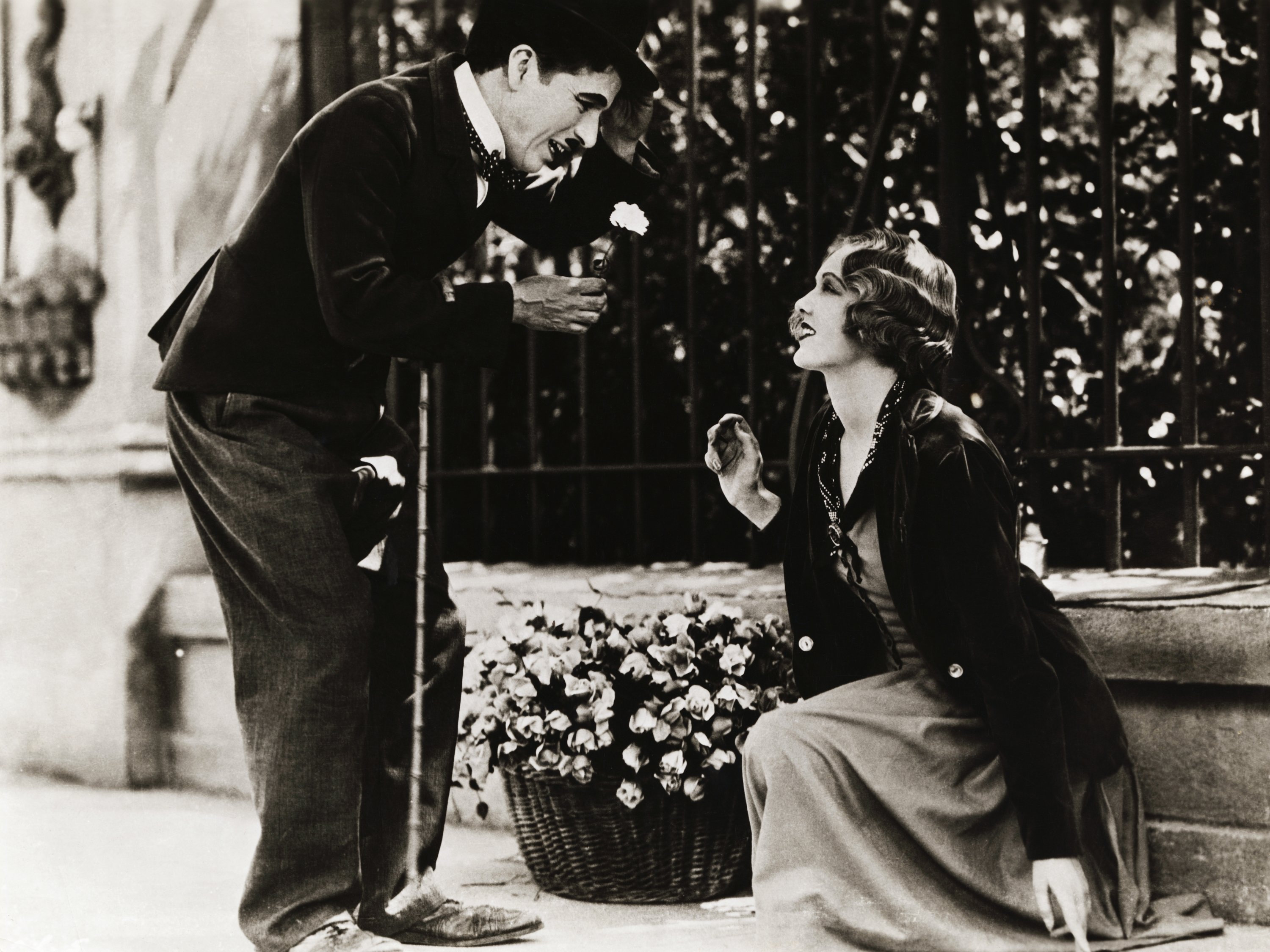
Take Charlie Chaplin’s 1931 classic "City Lights." It remains one of the most iconic films in cinema history. By the time it was released, sound films had already begun to dominate theaters. Yet, Chaplin chose to make a film that relied almost entirely on the language of silent cinema.
For audiences at the time, going to the movies was more than an ordinary part of everyday life. It was an experience in itself. Hundreds of people sat together in a dark theater, watching Chaplin’s movements, expressions and smallest gestures. They laughed together. They became sad together. The famous final scene, in which the blind flower girl realizes through touch that the man standing before her is the person who helped her, is a perfect example of a moment that demands the audience’s full attention.
Today, we can watch that same scene on a phone screen, surrounded by notifications, or pause it several times along the way. The film has not changed. But the person watching it has. Our time, our attention and our relationship with cinema have changed dramatically.
Decades passed. Cinema grew, its storytelling possibilities expanded, yet audiences continued to surrender themselves to the rhythm of a film.
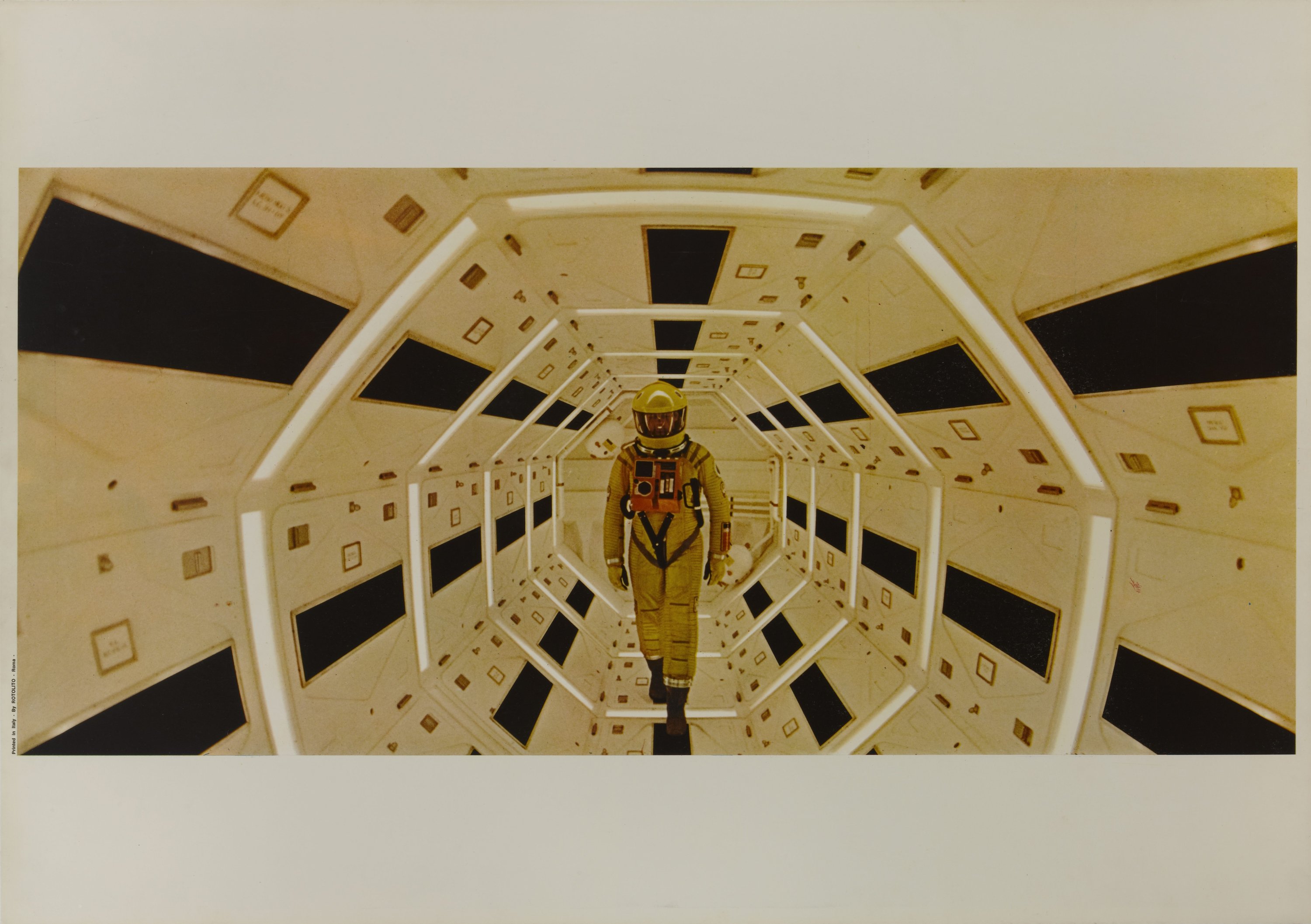
Consider Stanley Kubrick’s 1968 "2001: A Space Odyssey." With its long silences, slow pace and refusal to explain everything, the film still demands patience today. Yet when it was released, its 70 mm screenings continued for more than a year in some theaters. Audiences were willing to surrender themselves to Kubrick’s sense of time.
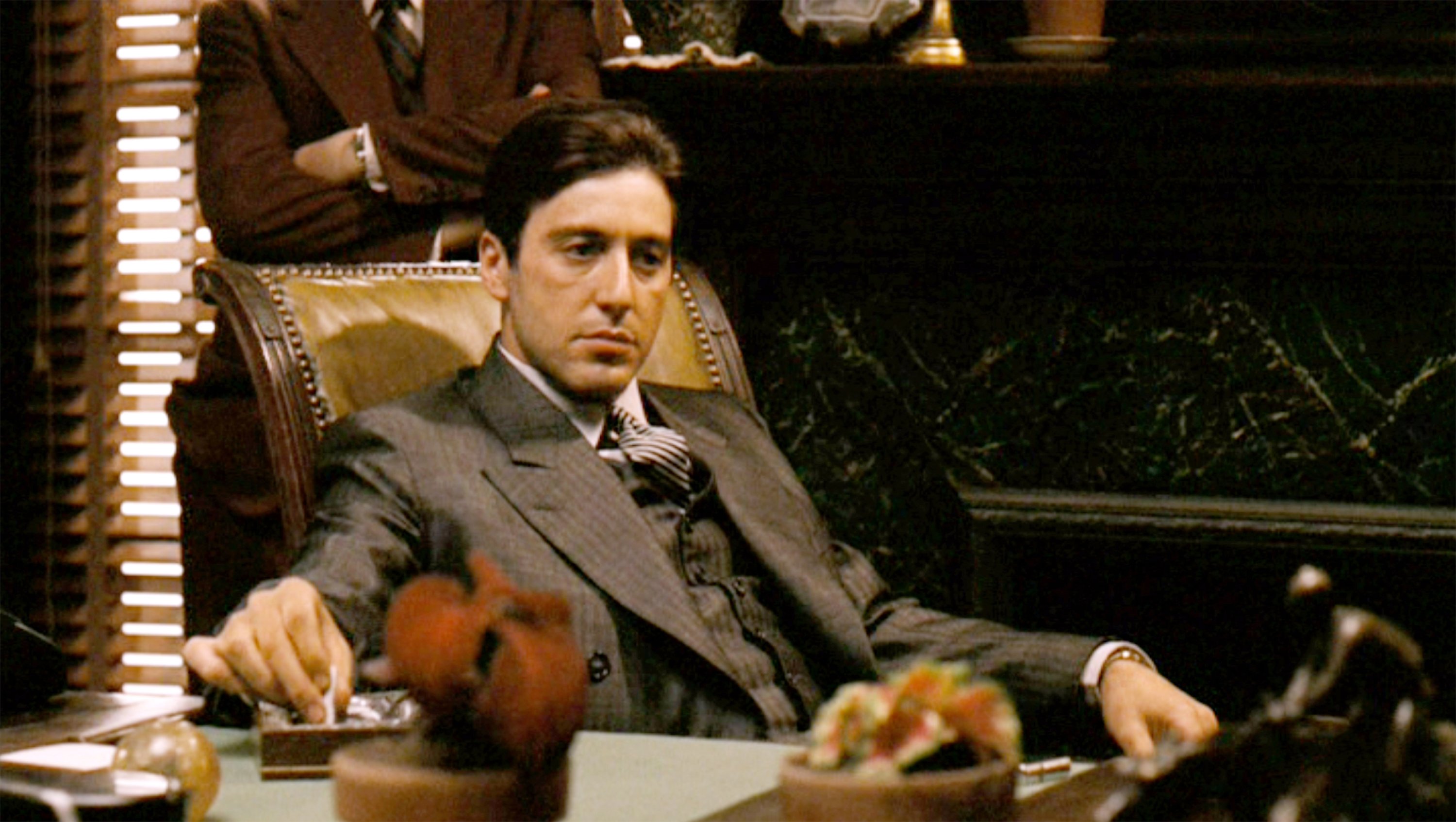
The same could be said of Francis Ford Coppola’s "The Godfather." Released in 1972, it was considered one of the biggest cinematic events of its time. Despite its nearly three-hour running time, it drew huge crowds and remained immensely popular for weeks. It became the highest-grossing film of 1972.
Audiences were willing to spend hours entering the world of the Corleone family. They gave themselves time to follow its long conversations, its slow-building tension and even its silences. Today, "The Godfather" remains just as long and moves at exactly the same pace. But the eyes watching it are different.
Steven Spielberg’s 1975 "Jaws" offers another perspective. When it was released, it stayed at the top of the U.S. box office for 14 weeks and became the first film to surpass $100 million. People went to theaters to experience the fear together. Even the anticipation of seeing the shark was part of the experience.
"The Godfather," "2001: A Space Odyssey" and "Jaws" have not changed. Their long shots, silences and rhythms are still there. What has changed is the audience sitting in front of them.
Once, going to the movies meant entering the film’s sense of time. Today, the film is increasingly expected to fit into ours.
Even the most iconic classics can now be abandoned halfway through. We can watch a film while scrolling through our phones. With hundreds of options constantly waiting for us, staying inside a single story is becoming harder and harder.
But perhaps the problem is not that films have become less engaging. Perhaps the real problem is that we have become faster.
The answer, of course, cannot be found in cinema alone. This is about something much bigger than camera movements, editing or screenwriting. At its heart is the way the digital age has transformed our relationship with time.
Our entire experience of time has changed. We no longer just watch films differently. We consume news differently, listen to music differently, experience relationships differently and, in many ways, even experience ourselves differently. Everything seems to happen faster. Cinema is simply another part of this transformation.
There was a time when going to see a film felt like a special occasion. We would even enjoy waiting for the screening to begin. Once we sat down and the lights went out, we entered the film’s world and allowed it to set the pace.
The audience was also more patient. A film could spend its first 10 minutes without anything major happening. A character could remain silent for a long time. A camera could simply linger on a face. There was no remote control to pause the film and no endless list of alternatives waiting just one click away.
Even if we did not particularly like the film, we usually stayed with it.
Today, the situation is almost the opposite. A film has to win our attention. If it fails to do so in its opening minutes, we are quick to move on.
More than anything, many viewers simply want to be carried along. Perhaps they want to be hypnotized. To stop thinking for a while. To simply surrender to the current.
Digital platforms may have brought cinema into our homes, but they have also brought the fragmented rhythm of modern life with them. Our phones keep buzzing. Notifications appear. We check them in the middle of a film. We pause, return and pause again. Some people even watch films at 1.5 or 2 times the normal speed.
Our idea of what it means to watch a film has changed, too. Interruptions have become normal. But what happens to a story when it is constantly interrupted? What kind of mark might an uninterrupted story leave on our minds, our inner lives and our memories?
Platforms do more than give us access to films and series. They also shape how we watch them. The next episode starts automatically. Recommendations appear on the screen. Before one story has even ended, another is already waiting.
All of this makes it harder for us to step away.
Recent experimental studies suggest that when features such as autoplay are turned off, people’s total viewing time drops significantly. In other words, sometimes we are not really choosing the next story ourselves. We are simply being carried from one piece of content to another.
Perhaps this is why the word “content” makes many genuine film lovers uncomfortable.
Films, series, documentaries and short films are increasingly grouped under the same word: content. It may seem like a small linguistic change, but it reflects a much larger shift in the way we think.
The word “content” strips away differences in form and aesthetics. A two-hour Tarkovsky film and a 30-second video can appear one after another on the same screen. The algorithm presents them through essentially the same system and gradually our minds begin to expect the same speed and the same kind of instant gratification from both.
As a result, the parts of art that require thought, patience and time can begin to feel almost unbearable.
But cinema has never been only about telling stories.
Cinema is also about waiting. About silence. About confronting ourselves.
It is about being able to look at a face, a landscape or an empty space for a long time. It is about finding deep human emotions in moments when, on the surface, nothing seems to be happening.
Abbas Kiarostami’s long roads, Nuri Bilge Ceylan’s characters listening to the wind, or the repetitive mornings of Perfect Days remind us that cinema is concerned not only with events, but with time itself.
Some films ask us for more than our attention. They ask for our patience.
Yet today, patience is rarely seen as an aesthetic virtue. For the fast-consuming viewer, it can feel almost like wasted time.
But is that all cinema is?
Would a film still be the same experience if we removed the time it takes to simply be with it?
Of course, it would be unfair to blame all of this on digital platforms. They have also given us extraordinary access. Today, we can watch Iranian and Japanese films, independent documentaries and old classics within minutes. Films that once could only be seen at festivals can now reach millions of people.
Being able to reach a film does not necessarily mean truly encountering or experiencing it.
Perhaps this is the greatest illusion of the digital age: we look at more, but see less.
We may watch more films and series than ever before, yet surprisingly few of them stay with us. We live in a world that constantly prepares our attention for whatever comes next. Algorithms do not simply recommend films. They teach us to keep moving.
One episode ends and another begins. The credits are skipped. A new recommendation appears. There is less and less space left to stop, think and absorb what we have just experienced.
And yet good cinema continues to create a small space of resistance within all this speed and impatience.
Sometimes it is a long shot. Sometimes it is a silent face. Sometimes it is simply a few minutes in which nothing dramatic happens.
These moments ask us to slow down.
Perhaps that is why good films still matter.
They do not simply show us other lives. They also make us notice our own and, perhaps most importantly, the speed at which we are living it.