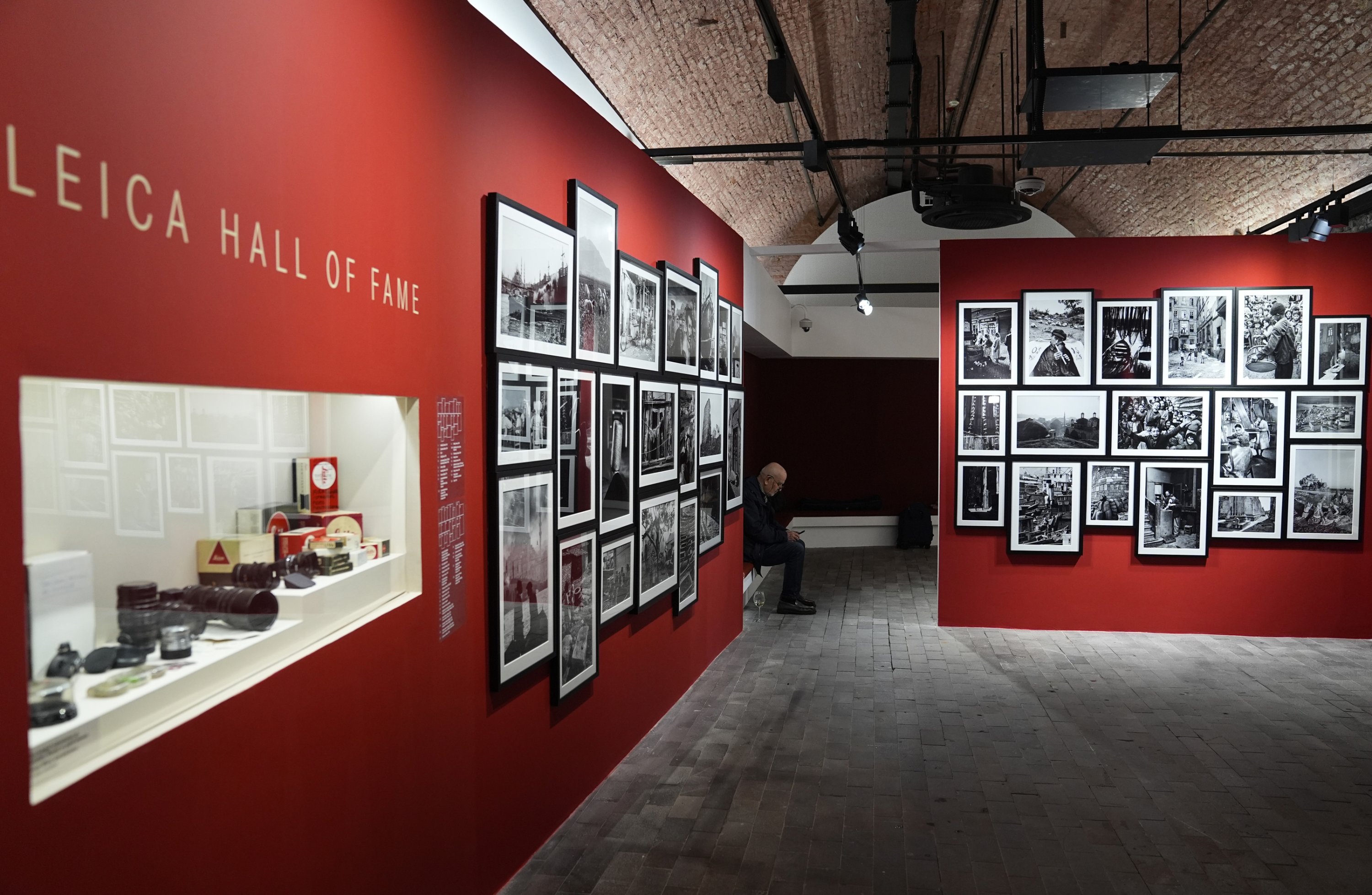
An exhibition tracing photographer Ara Güler’s journey from receiving the title "Master of Leica” in 1962 to being inducted into the "Leica Hall of Fame” in 2015 explores not only his works but also the equipment he used and his ties to the international photography world.
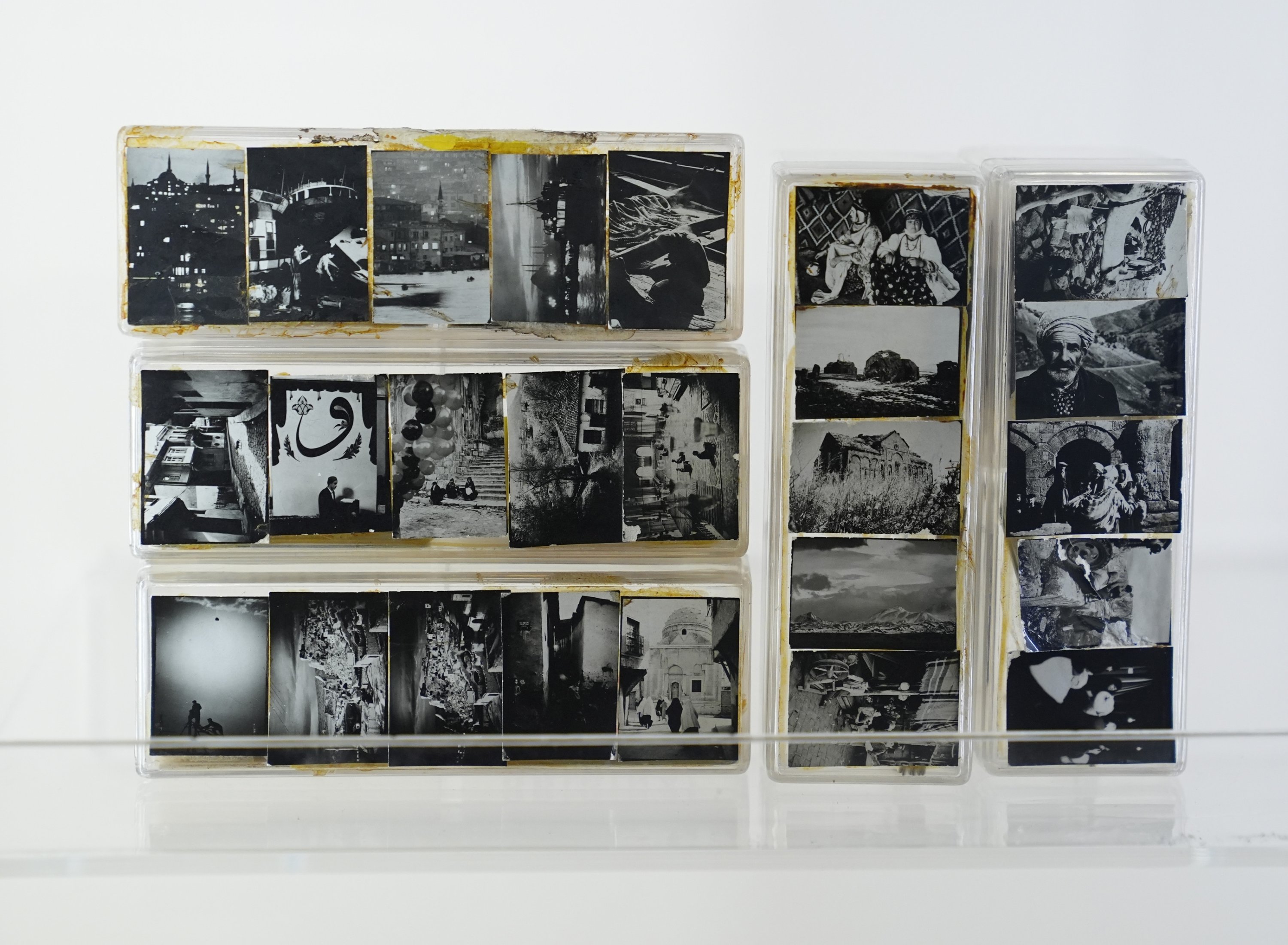
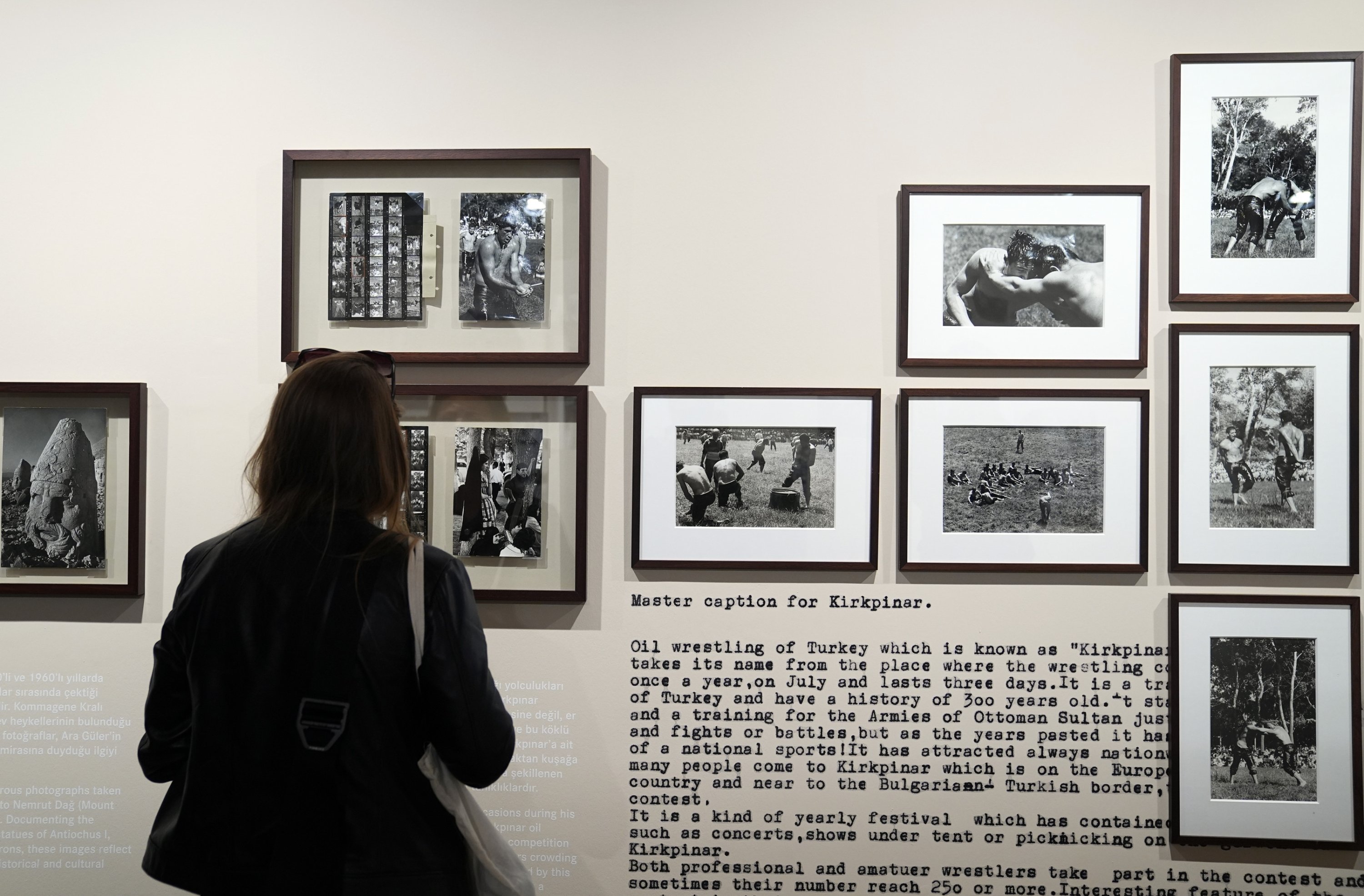
The exhibition features photographs by Güler published in Leica magazine, cameras he purchased and notes he kept about the equipment. Handwritten correspondence by the renowned photographer also highlights the exhibition’s archival value.
Spread across four galleries, the exhibition follows a chronological narrative, focusing on different periods and themes in Güler’s career. Alongside his color photographs, the selection also includes black-and-white images he took in Istanbul and across Anatolia.
Çağla Saraç, art adviser and director of the Ara Güler Archive and Research Center (AGAVAM), told Anadolu Agency (AA) that the museum regularly renews its exhibitions to bring more material from Güler’s extensive archive to visitors.
Noting that the museum has opened its 13th exhibition, Saraç said the previous exhibition focused on Güler’s photographs taken at the Cannes Film Festival, while the latest one explores his relationship with Leica.
Saraç said the institution has an extensive archive, which is why it prefers to regularly change its exhibitions rather than maintain a permanent display.
"This is our 13th exhibition, and this time it is titled ‘Ara Güler - Master of Leica.’ Master of Leica is a title bestowed on only a small number of photographers worldwide. Ara received it in 1962. The announcement was published in Leica magazine, which dedicated several pages to him,” she said.
Explaining that preparations for the new exhibition began after the previous one closed, Saraç said Güler had followed and photographed the Cannes Film Festival for many years.
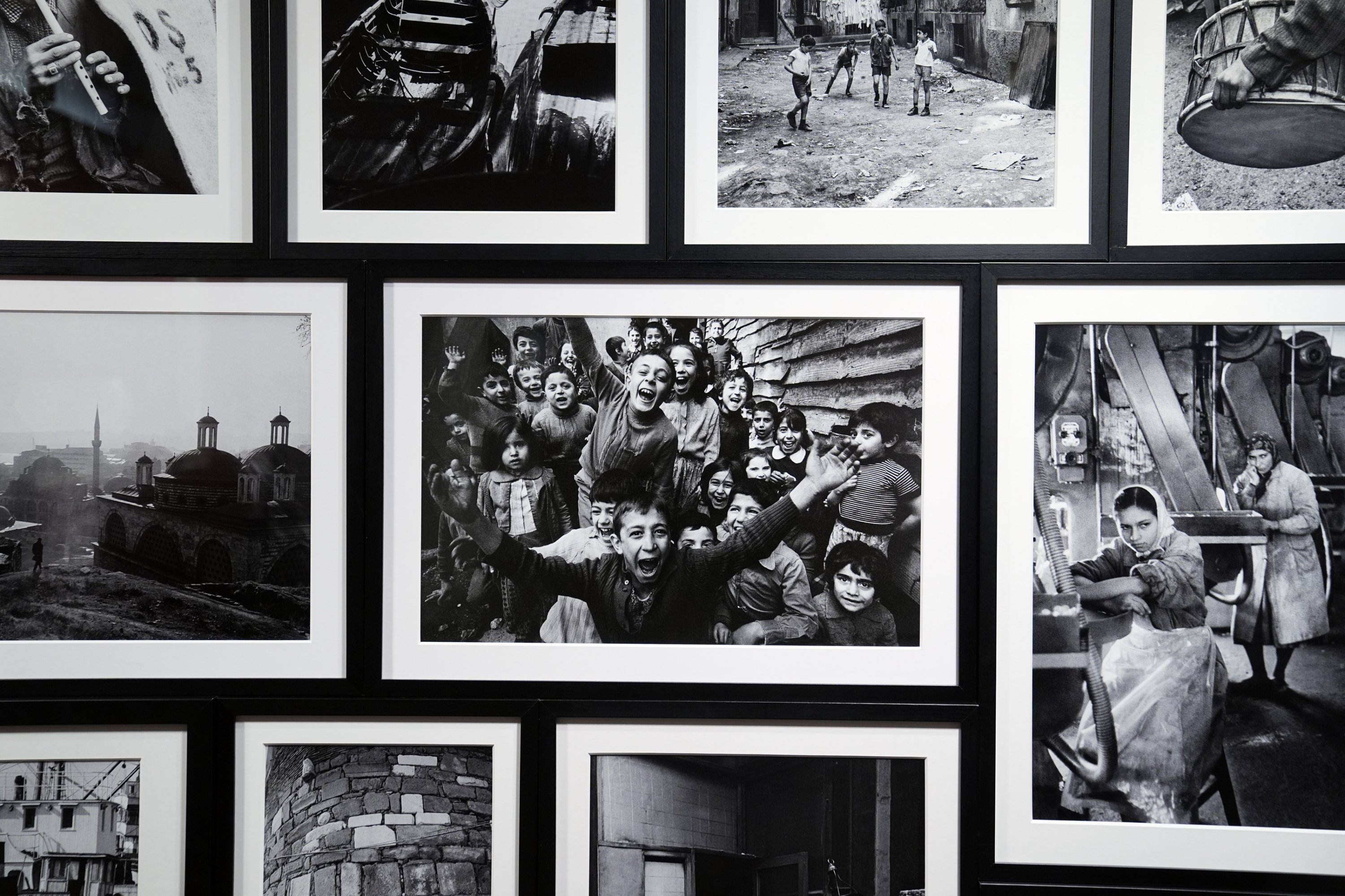
"Türkiye followed the Cannes Film Festival through his photographs," she said. "We thought that ... visitors always miss Ara Güler’s iconic photographs. We knew they wanted to see his classic black-and-white photographs of Istanbul and Anatolia again. Master of Leica offered a good opportunity to do that while also showing something different.”
Saraç emphasized that Güler’s relationship with Leica can also be traced through his correspondence.
She said the photographer began communicating with the magazine in the 1950s, adding that the exhibition documents the development of this relationship through correspondence dating back to 1961.
Saraç noted that Güler’s preference for Leica cameras was also influenced by their widespread use among leading photographers internationally at the time.
"As a photographer and photojournalist, he saw that the world's leading photographers were using Leica cameras. He acquired his first Leica at a very early stage. After that, he continued using, replacing and purchasing different Leica cameras throughout his life," she said. "We wanted to explore this journey through his relationship with Leica magazine and the international company, particularly regarding Leica cameras.”
Saraç said Güler was inducted into the Leica Hall of Fame in 2015, following his receipt of the "Master of Leica” title in 1962, adding that only 15 photographers have received the distinction to date.
She highlighted that Güler remains the only photographer from Türkiye to have received the honor.
"This award has been bestowed on only 15 photographers so far, and Ara Güler is the only person from Türkiye to receive it," she said. "Our exhibition explores this correspondence, his photographs published in Leica magazine, the cameras he purchased, the notes he meticulously kept about them as an archivist, and, of course, the beautiful photographs he took with those cameras."
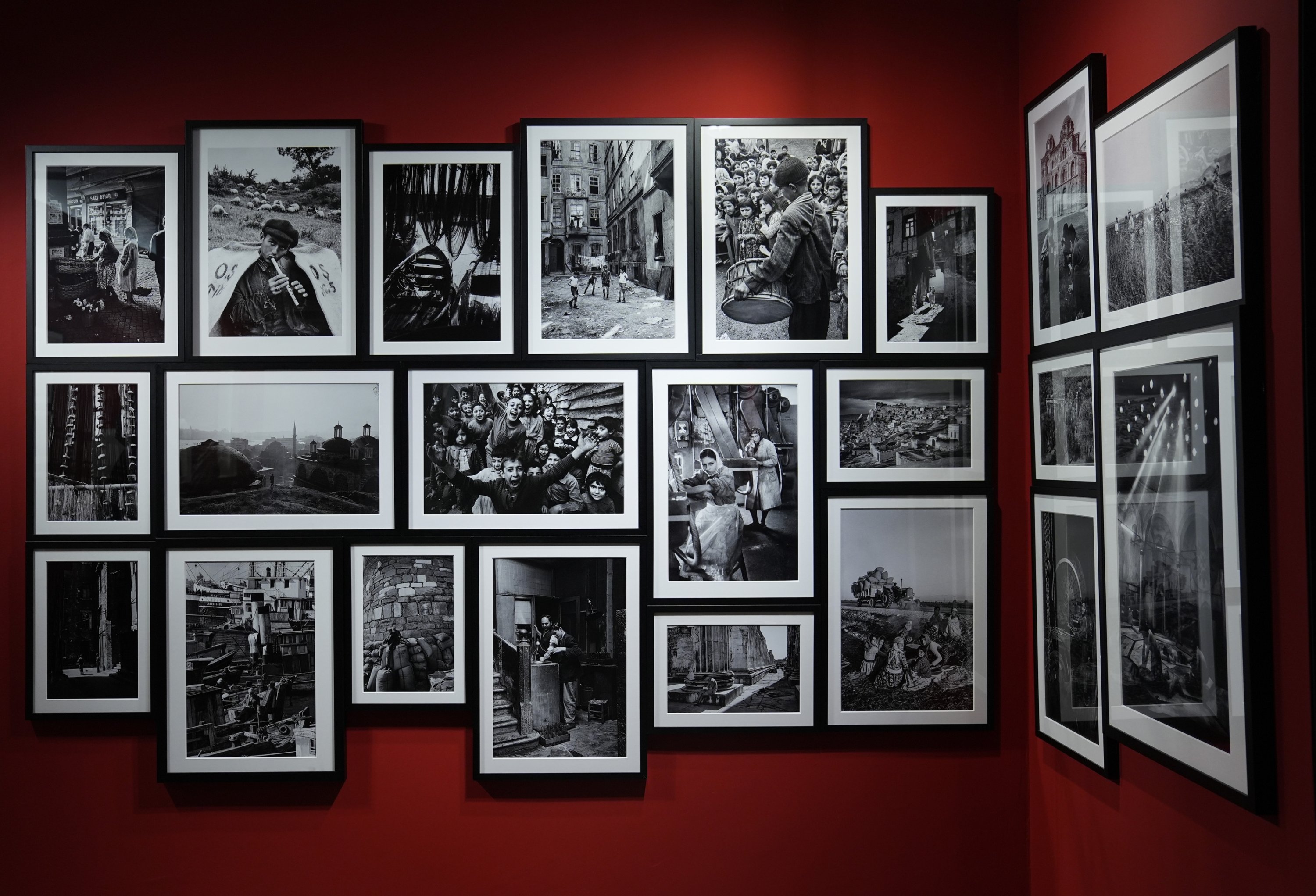
"The exhibition features both color and black-and-white photographs and offers a very rich collection,” she said.
Describing the four galleries, Saraç said each focuses on different subjects in chronological order and offers visitors an opportunity to better understand Güler’s approach to photography and working methods.
"Each gallery tells its own story. It is an opportunity to get to know Ara Güler, understand his perspective on photography and observe his working methods. I believe every section deserves attention.
"For instance, one gallery is dedicated entirely to color photographs, while another features the much-loved black-and-white images of Istanbul and Anatolia,” she said.
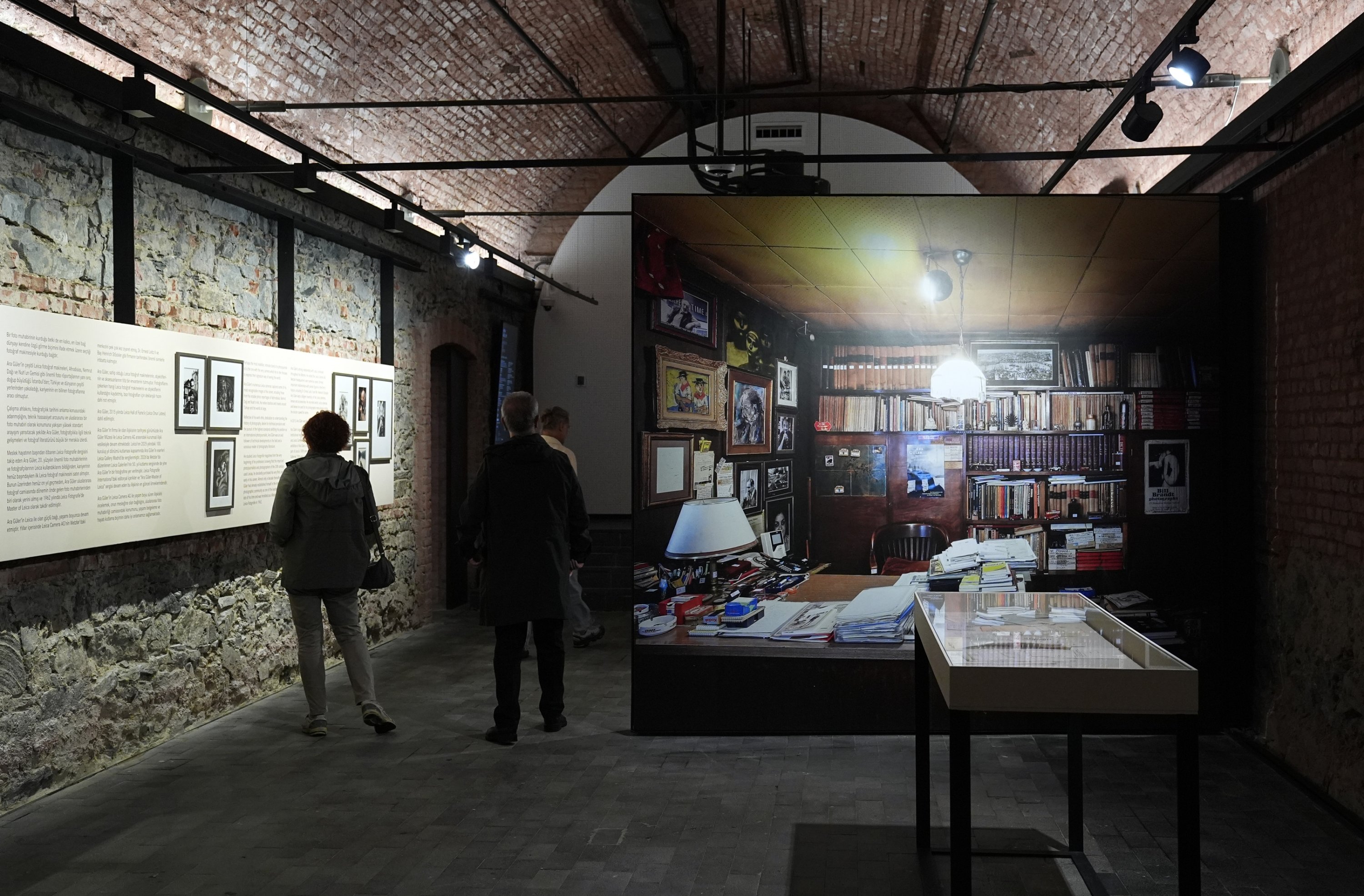
Saraç added that Güler’s personal correspondence has particularly attracted visitors’ attention.
"These are letters written in Ara Güler’s own words and in his own handwriting, including exchanges with editors abroad. I believe all of these are very valuable for the history of photography,” she said.
Organized by the Ara Güler Archive and Research Center with content contributions from Leica Camera AG, the exhibition will remain open to visitors at the Ara Güler Museum in Istanbul’s Bomontiada Complex until April 18, 2027.