The exhibition "Seyahat Sanatı" (“The Art of Travel”) opens at Istanbul's Meşher on May 8 and will remain on view until May 23, 2027. It examines journeys to the Ottoman lands from the late 15th century to the first quarter of the 20th century, approaching travel not through a chronological narrative but through the motivations behind it. The exhibition brings together rare works from the collections of the Sadberk Hanım Museum and the Ömer Koç Collection, alongside selected loans from other Koç-related collections.
Prepared by the Sadberk Hanım Museum as part of the Koç Group’s 100th anniversary, the exhibition reflects a century-long institutional journey shaped by human values. It presents travel as more than physical movement, framing it instead as a deliberate act of observation, selection and recording.
At its conceptual core, the exhibition draws on "Ars Apodemica," the early modern “art of travel,” rooted in the idea of leaving home and documenting the world. Travel is presented both as an intellectual practice and a creative process, where experience is transformed into writing, image and object.
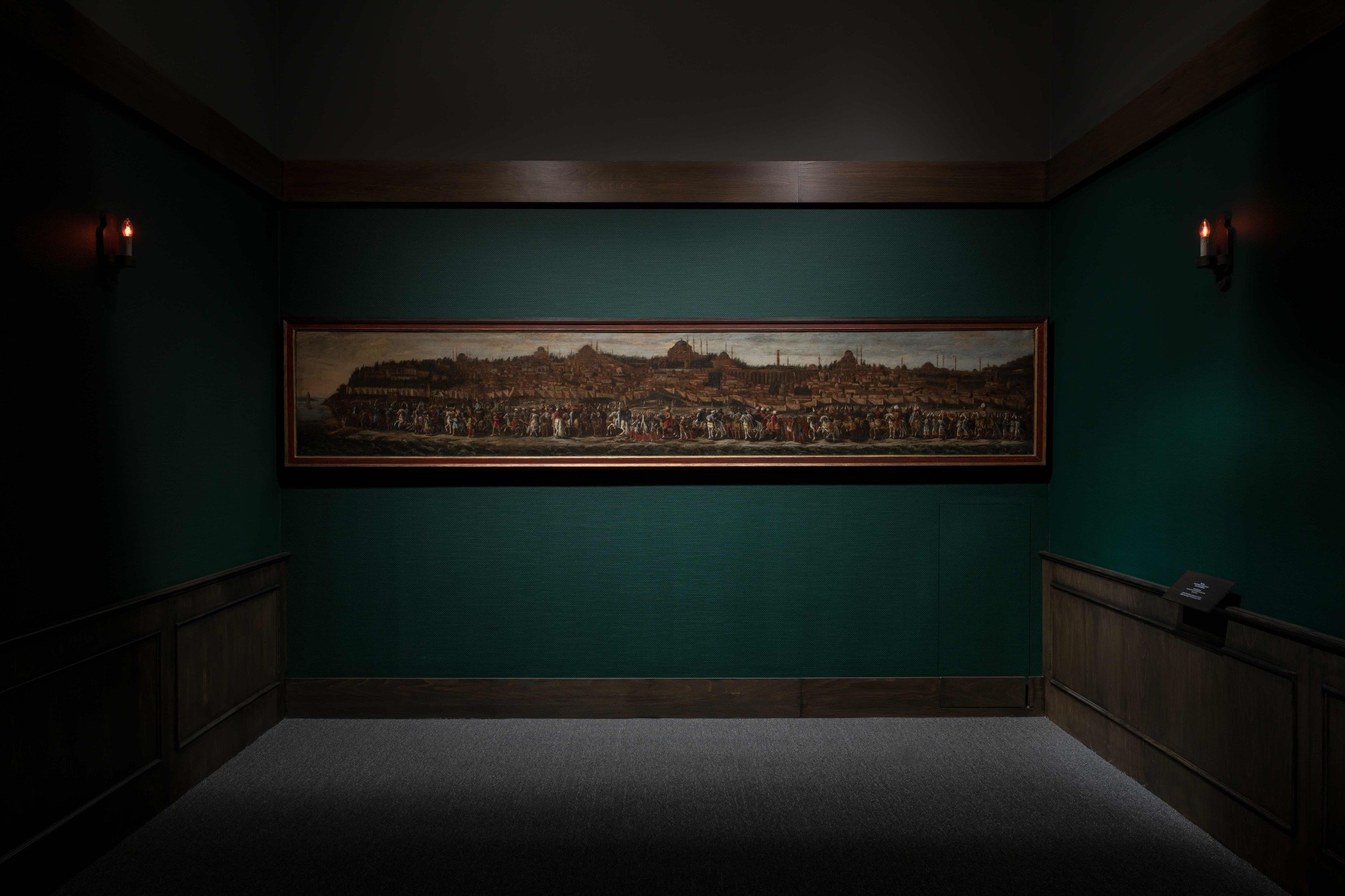
The exhibition is the result of close collaboration between collections. Works from the Sadberk Hanım Museum and the Ömer Koç Collection are complemented by important loans from other Koç collections. Among the highlights are diplomatic paintings and a portolan map introduced through the Çiğdem Simavi donation, which forms the foundation of a new collection group. Works by artists such as Albrecht Dürer, Jacopo Ligozzi and Louis-François Cassas, alongside travel books, Istanbul views, maps, diplomatic gifts and ethnographic objects, create a layered visual and intellectual narrative of the Ottoman world.
As noted by Hülya Bilgi, director of the Sadberk Hanım Museum, the exhibition builds on the museum’s long-standing expertise, together with recent significant donations. This collaboration between collections allows for a rich and multifaceted presentation of travel as a cultural and historical force.
The curatorial process was led by M. Merve Uca, with coordination by Hülya Bilgi. Preparation lasted approximately one and a half years and included research, selection, expert consultation, conservation, photography, catalogue production and design, bringing together multiple disciplines within a single narrative framework.
The exhibition is organized into thematic sections based on different travel motivations.
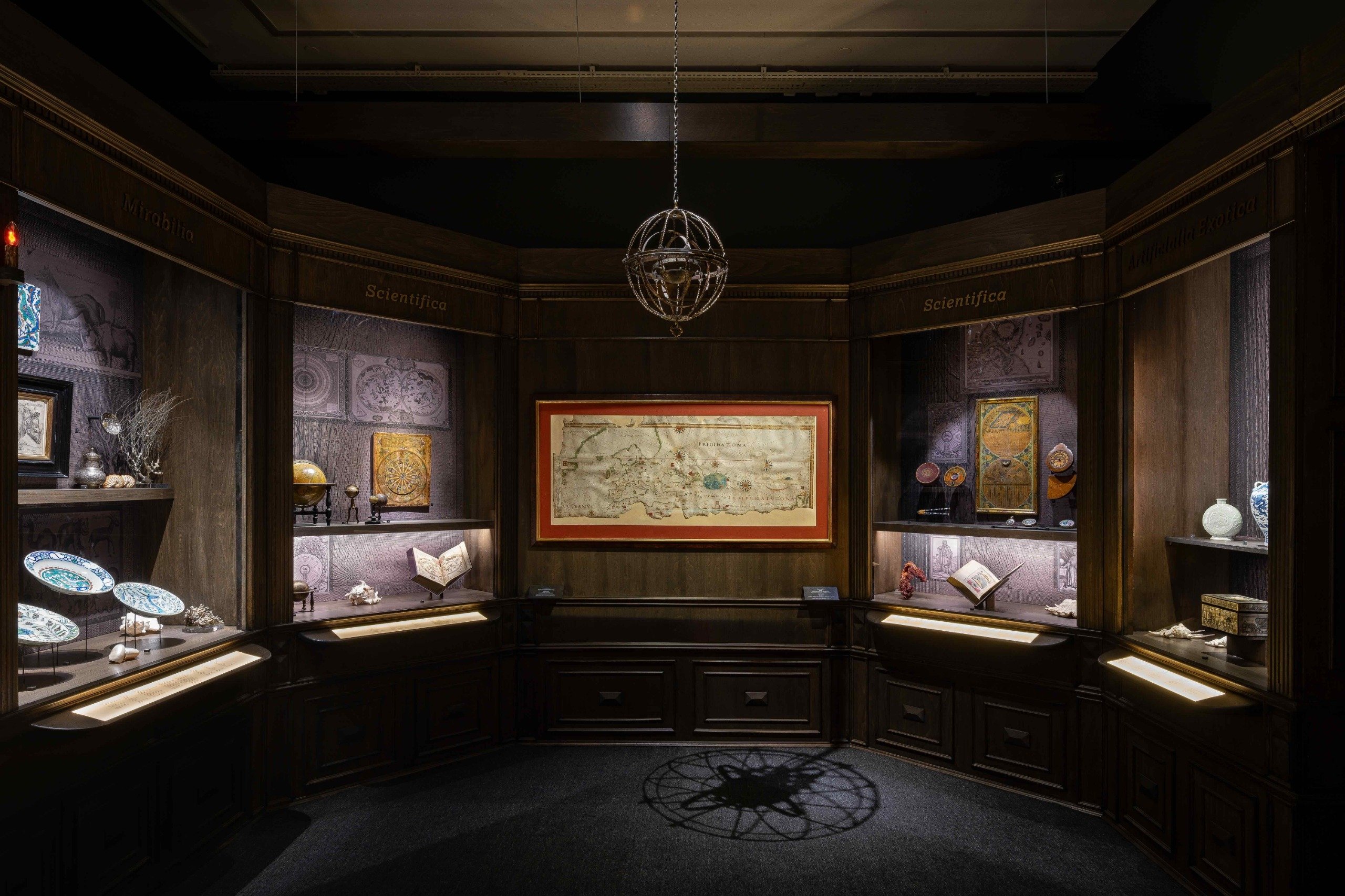
Curiosity focuses on journeys driven by the desire to observe and classify the world, including travel writings, natural history publications, costume albums and observational works. The concept of "mirabilia," wonders of the natural and imagined world, appears prominently here, where exotic animals and extraordinary objects marked the limits of the known world.
Faith presents pilgrimage journeys to sacred sites such as Mecca and Jerusalem, including visual and written materials related to Hajj routes and the Surre processions from Istanbul – the annual Ottoman ceremonial caravans sent to Mecca carrying gifts, provisions and official correspondence on behalf of the imperial court – which also functioned as expressions of political and religious authority.
War examines forced mobility through military campaigns, sieges and conflicts, including maps, engravings, printed materials and representations shaped by European “Turkish fear” narratives, as well as accounts produced through direct or indirect wartime experiences.
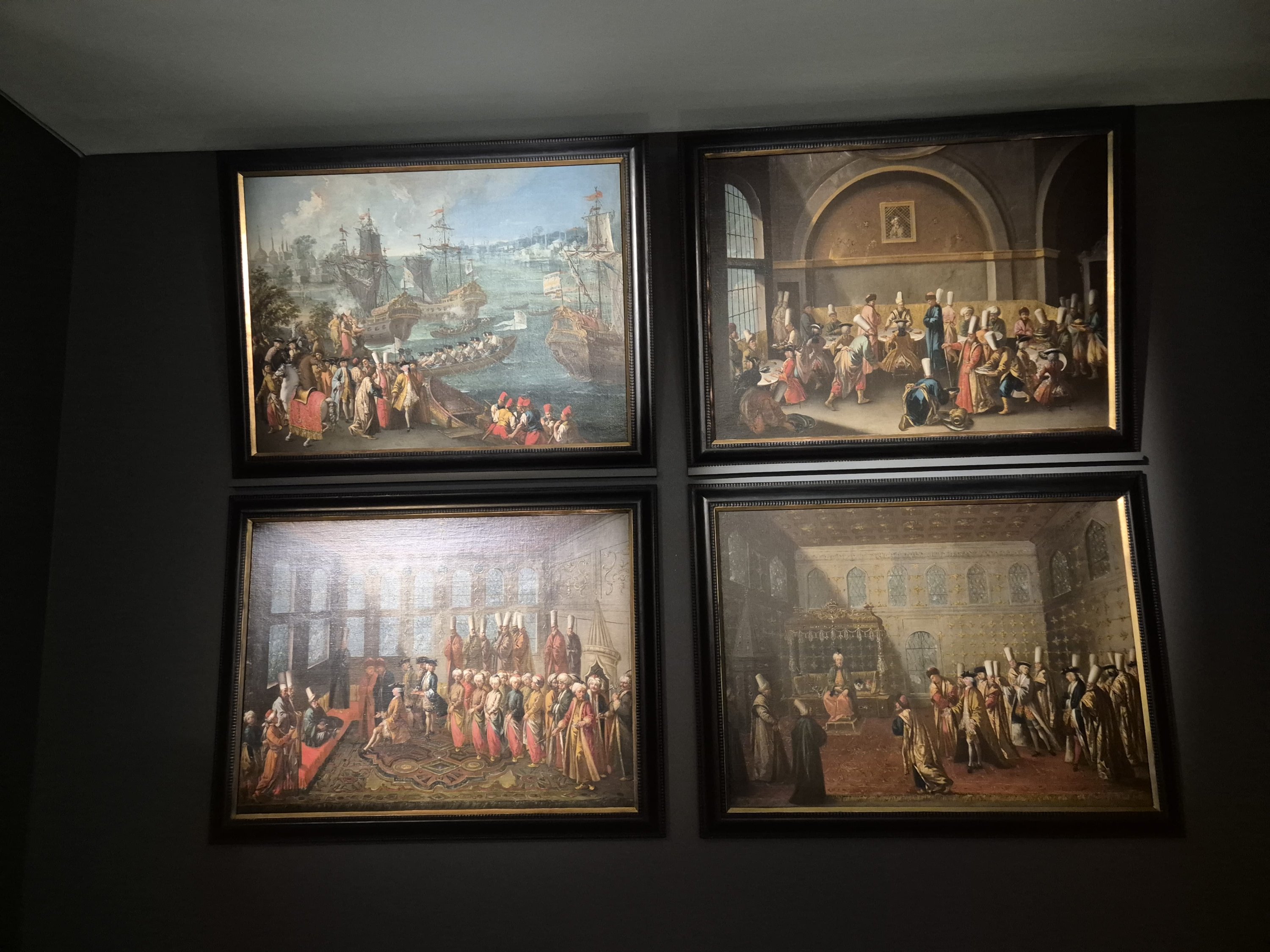
Diplomatic journeys often included artists who documented both travel and court life, while ambassadors such as Yusuf Agah Efendi are represented through historical records and recurring observations found in travel accounts. Many travel accounts note that European envoys kept their hats on in the presence of the Ottoman sultan, reflecting differences in court etiquette rather than a breach of protocol within the Ottoman context. These diplomatic scenes were also commonly represented in paintings, where envoys appear within formal court ceremonies.
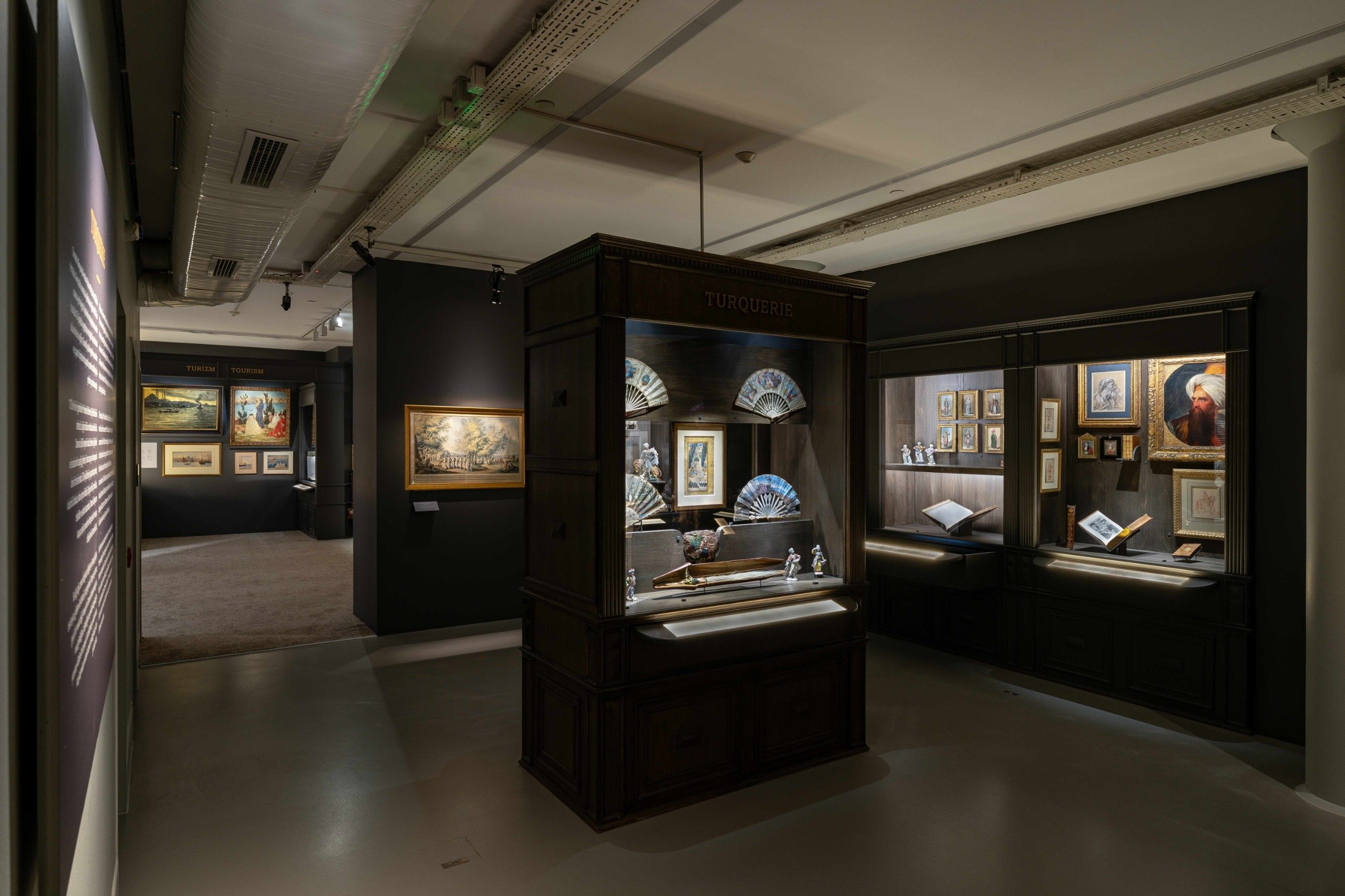
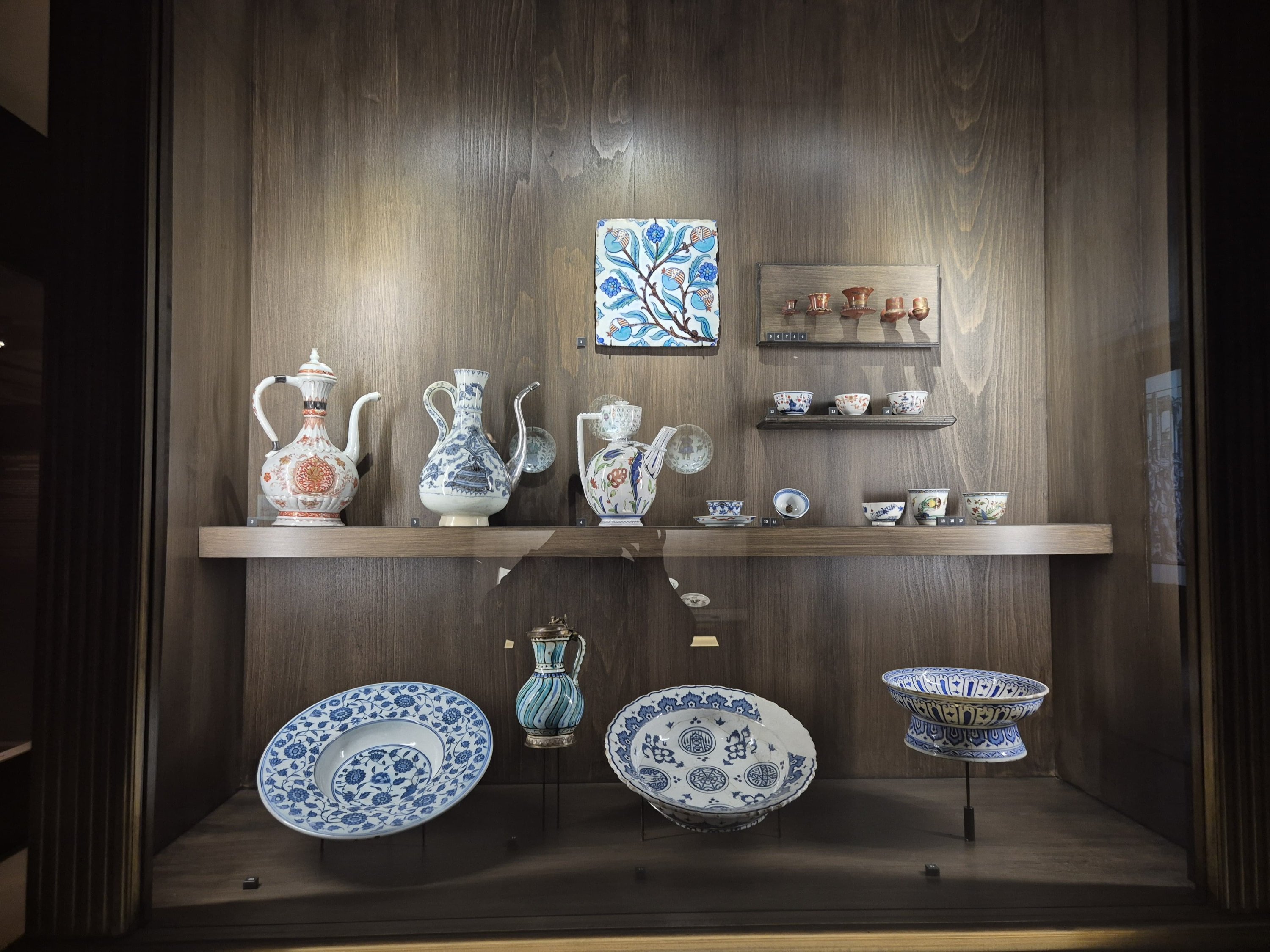
Trade highlights the circulation of goods, ideas and aesthetics through textiles, ceramics and commodities, as well as cultural transformations such as the spread of coffee consumption and the emergence of “Turkish fashion” in European courts.
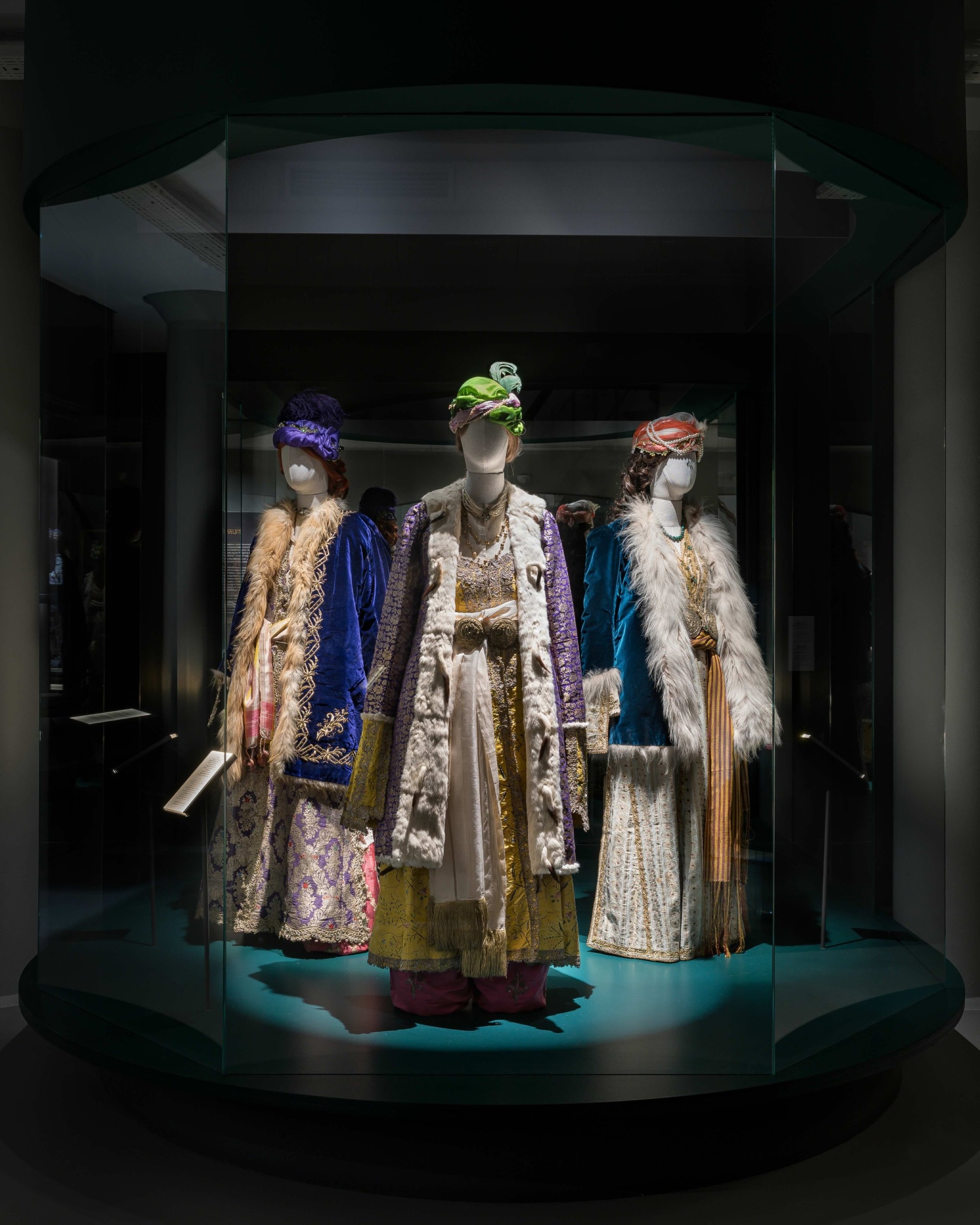
From the late 15th century onward, European “Turkish fear” narratives gradually shifted toward curiosity and admiration, giving rise to new forms of cultural exchange. Turkish coffee and Ottoman dress, for instance, became integrated into European court culture and fashion, acquiring iconic status.
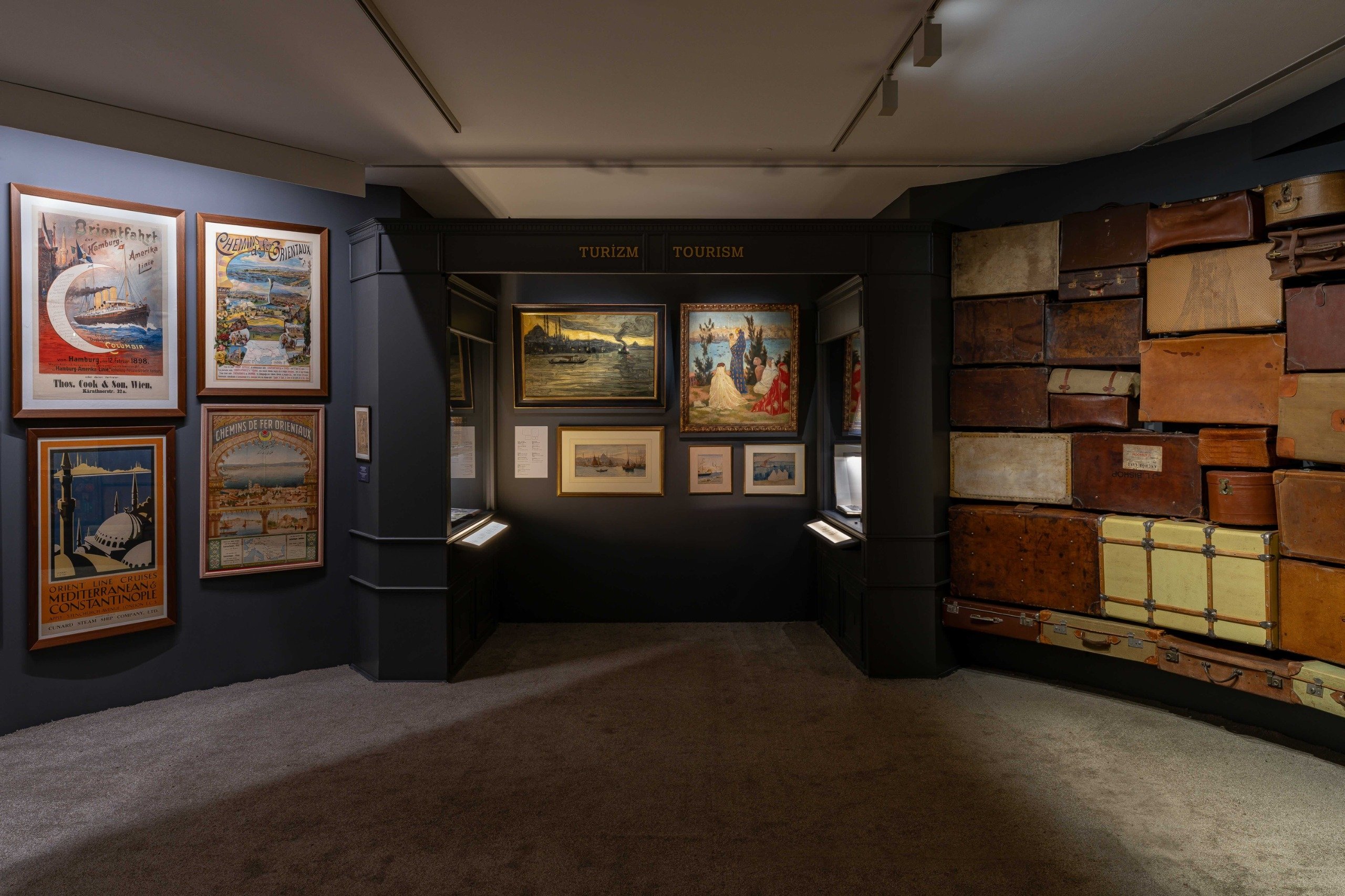
Tourism, the final section, addresses the 19th-century transformation of travel into a leisure-based activity accelerated by steamships and railways, marking a shift from necessity to experience and desire.
Across all sections, travel is framed as a transformative practice that shapes knowledge, perception and cultural production.
For visitors interested in discovering how different travelers documented and interpreted the Ottoman world across centuries, "The Art of Travel" offers a wide-ranging selection of works that bring together multiple perspectives, histories and forms of representation.