Throughout history, Türkiye and Colombia, two countries at opposite ends of the world, have never had the opportunity to connect closely. Today, however, with globalization and technological advancement, that distance is beginning to narrow at both the governmental and public levels. The latest chapter in this unfolding story is the visit of Colombian Culture, Arts and Knowledge Minister Yannai Kadamani to Türkiye, where dialogue has progressed from ideas to concrete plans for collaboration.
According to Kadamani, the two countries need to know each other better, more strongly and sincerely than what is shown on screens from a distance, share their cultures in more creative ways and build bridges over their diversities.
"I think we need to go deeper, and that is why we are here to know what those other ways are from Turkish people to tell them themselves," said Kadamani during an exclusive interview with Daily Sabah.
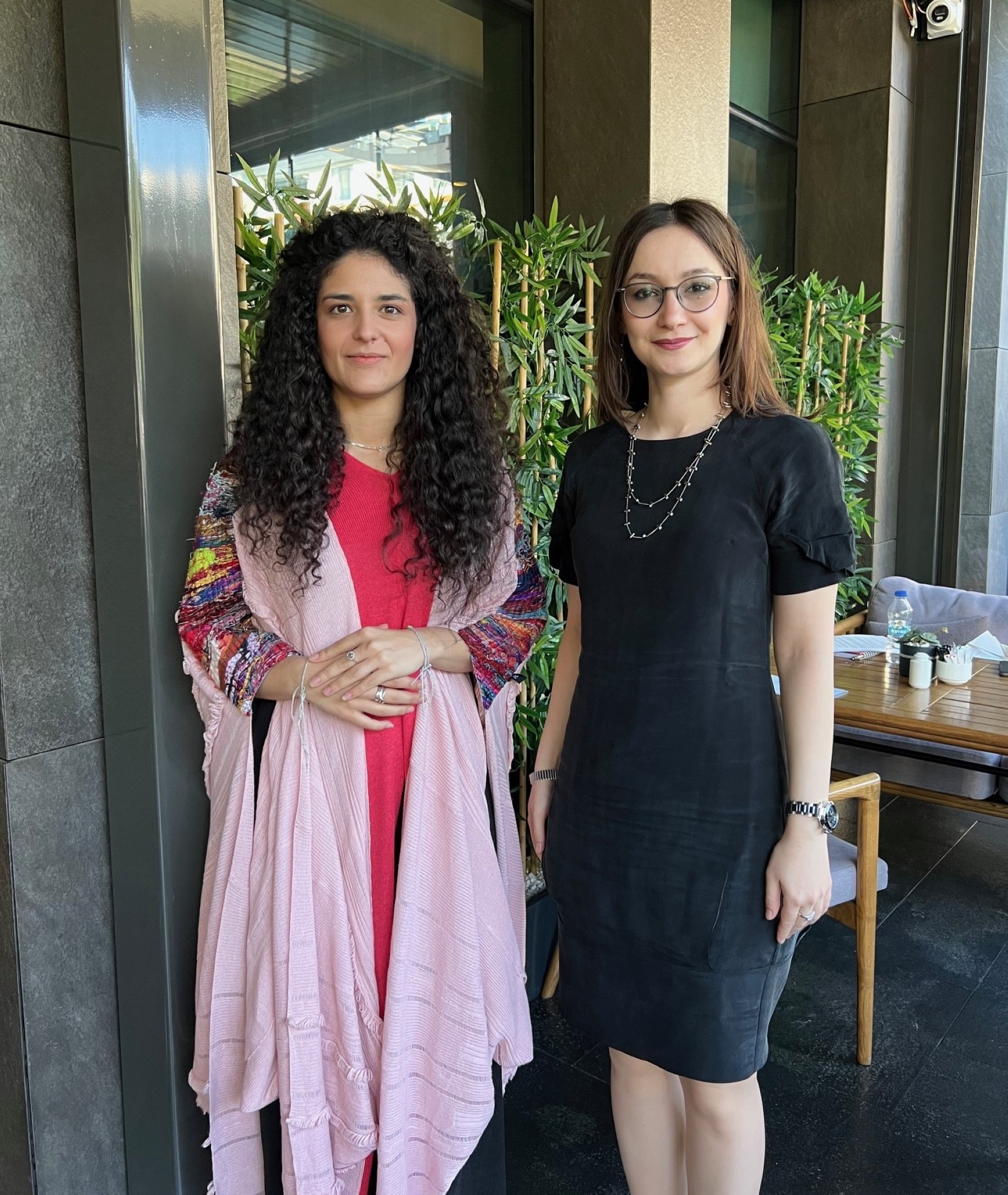
Considering the invitation she received to Türkiye as a step taken by the governments to enable their peoples to communicate effectively, Kadamani expressed the potential road map following her meetings: "We are having bilateral meetings now, so we can, like through a memorandum of understanding, establish agreements between countries as we already have with most countries in the Middle East. We want to do the same with the minister of culture and tourism here in Türkiye."
"We are going to try to create programs in the next four or five months, so our artists can exchange programs focused on artistic expressions," she added.
However, the visit of the Colombian minister to Türkiye was only one component of a broader initiative.
Kadamanai said that for the past five years, the Turkish and Colombian governments have been in active communication, working closely with departments under the Turkish Ministry of Culture and Tourism, which has been assisting Colombia in developing its educational infrastructure.
However, Kadamani said that while governments can help foster understanding between two different cultures, the ongoing interaction between the people and artists will ultimately drive the process forward.
"We are not the ones who want to say how we want to be perceived. We want the people, the cultures, the artists to know each other, create with each other and exchange, so they can make their own narrative and beliefs about the other culture," she explained.
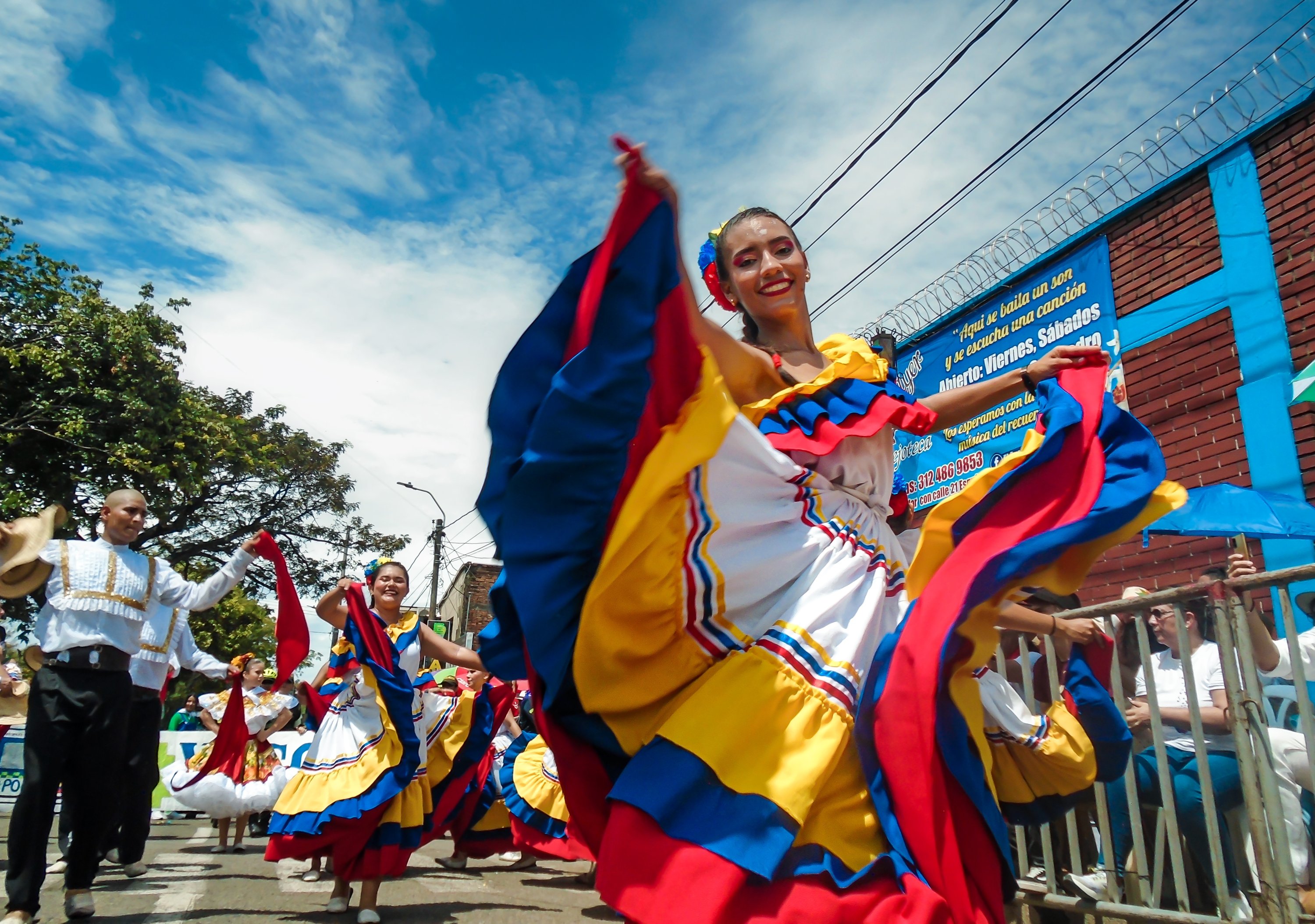
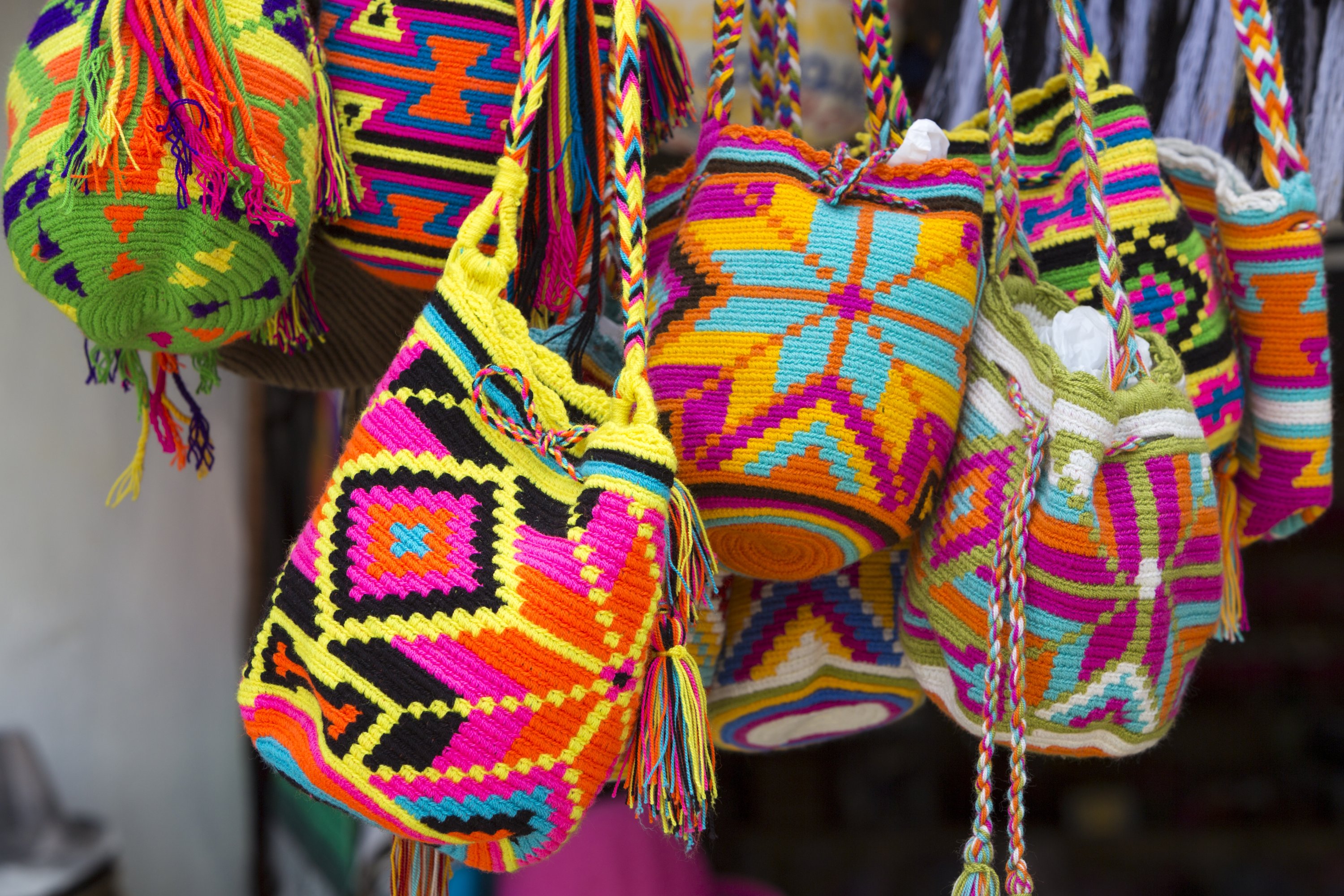
Kadamani added that there are many shared aspects between the two cultures yet to be explored, including areas where artistic expression can flourish, such as dance, handicrafts and clothing design, along with many other fields.
Emphasizing that traditional arts should not be overshadowed by today's technological advancements and popular culture, Kadamani noted that while these elements can help foster interest and knowledge between people, creating superficial, even false impressions and disinformation is also a part of this dynamic.
"We know you because of your soap operas, and that makes us believe that image somehow. And with Colombia, it's kind of the same. You know us from our soap operas and our TV series. But we are more than that," she explained.
"Well, technology is an opportunity, but it is also a challenge, right? Because there is a lot of information crossing through the digital space, and sometimes it's not well-verified or trustworthy. So, we need to be careful about it," she added.