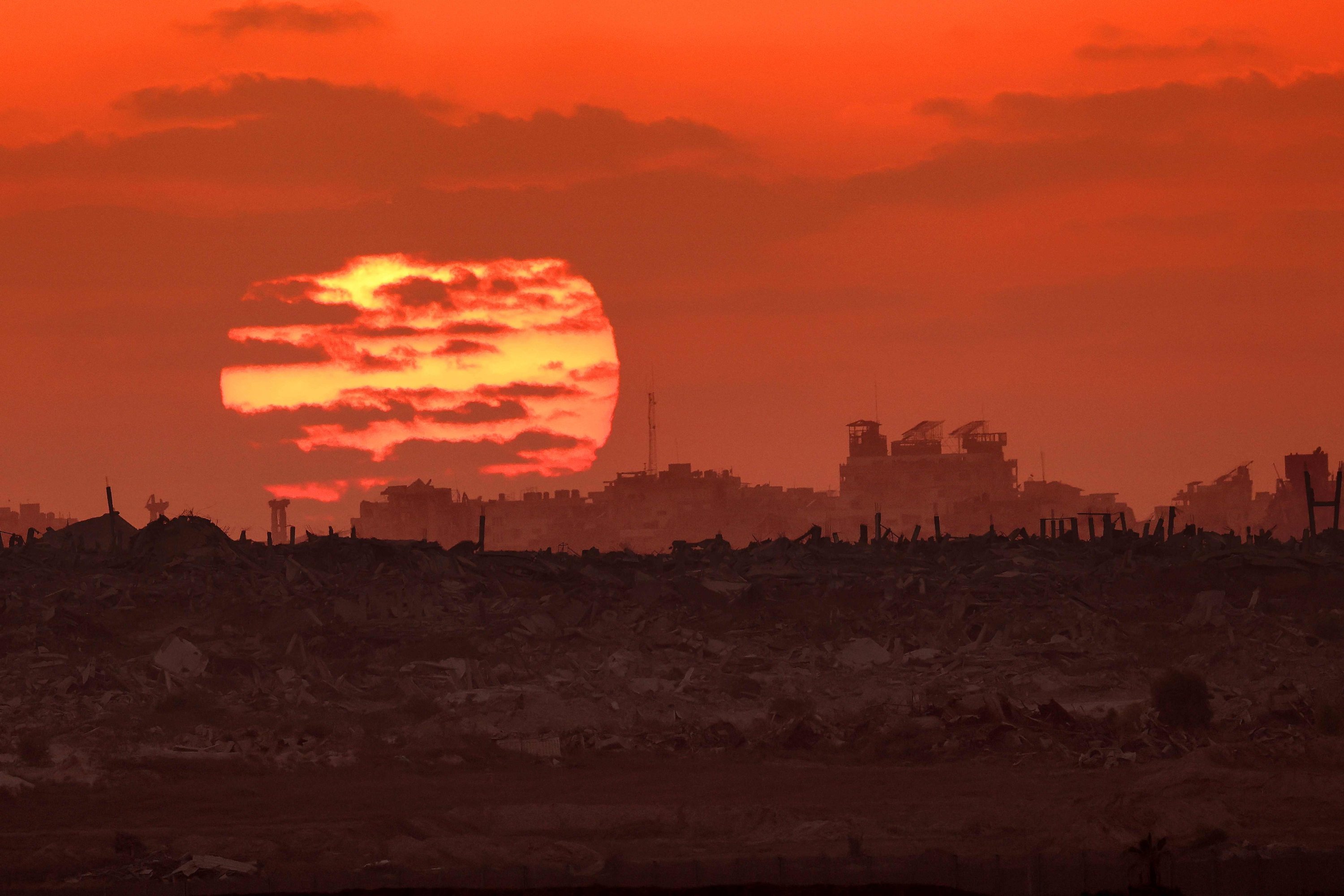
When Palestinian journalist Anas al-Sharif was killed by Israeli forces in Gaza, his voice was silenced – but not erased. In his commitment to telling Palestine’s story to the world, he stood in a long line of journalists who risked everything to bear witness. That line stretches back almost 90 years, to another voice carried over the airwaves: Mohammed Bushnaq, Palestine’s first radio journalist.
In 1936, Bushnaq’s program "Huna al-Quds" (“This is Jerusalem”) brought the sounds and stories of Palestine to its listeners. His name told its own story: a descendant of Bosnian Muslims who had settled in Palestine decades earlier, he embodied a shared history of exile and resilience.
The Bushnaq of Palestine were part of a wave of migration after Austria-Hungary’s occupation of Bosnia-Herzegovina. Seeking refuge, they found themselves in a land that, like their own, would soon face its own chapters of dispossession. They settled in the coastal village of Qisarya (Caesarea) north of Haifa, a place built on the ruins of an ancient Roman city. The village’s mosque still stands today, though it no longer serves as a place of worship. Until 1948, Qisarya was the heart of the Bushnaq community in Palestine – now uncomfortably close to the home of Israeli Prime Minister Benjamin Netanyahu.
The Nakba scattered many Palestinian Bushnaq yet again – to Jordan, Lebanon, Kuwait and beyond. Today, their descendants are mostly identifiable by their surnames. They wove themselves deeply into Palestinian society as farmers, traders, artists, soldiers and activists.
Some paid the highest price: during the October 2000 protests, Ramiz Bushnaq was killed in Kafr Manda. Others made their mark in the arts – like the painter and sculptor Mohammed Bushnaq, born in Balad al-Shaykh near Haifa, who moved with his family to Hebron before resettling in Kuwait in 1954. There, through his Open Atelier foundation, he became a cultural force. His daughter, Suzan Bushnaq, is a prominent visual artist in Kuwait. And in Canada, musician Suat Bushnaq blends Arab and Bushnaq heritage in his compositions.
Mohammed Bushnaq, the broadcaster, carried Palestine’s voice to its people at a time when both Palestine and Bosnia were enduring foreign domination and creeping dispossession. Sarajevo was once called the “Jerusalem of the Balkans” – a city where three faiths and many cultures lived side by side. Its loss of that pluralist spirit was, in hindsight, a warning of the fate that would later befall Palestine.
Like Sarajevo, Palestine’s story is one of communities uprooted yet determined to preserve their identity. The Bushnaq of Palestine held onto their heritage through oral histories, recipes and cultural traditions. They were not outsiders; they were part of the Palestinian fabric, shaping and being shaped by it.
In 1959, Ali Bushnaq was among the founders of the Popular Front for the Liberation of Palestine. Decades later, the same spirit of defiant witness lives on in today’s Palestinian journalists in Gaza, who – like Anas al-Sharif and Mohammed Bushnaq before them – risk and too often lose their lives to ensure Palestine’s story is heard.
Art, too, remains a form of resistance. Just as Mohammed and Suzan Bushnaq used visual art to express identity and struggle, cultural work today carries the memories of the displaced into new generations. These acts – whether a radio broadcast, a painting, a song, or a recipe – are threads in a tapestry of survival.
Bushnaqs of Palestine embody the intertwined histories of two lands scarred by colonialism and ethnic cleansing. Their journey reminds us that identity can survive borders, wars and exile. A century after their arrival in Palestine, their story returns home in fragments – in art, in surnames, in memories –and offers a lesson: Wherever we are scattered, the voices we carry can still be heard, and the cultures we protect can still inspire the building of a more just world.
As I explored in my novel "Cüda," these intertwined legacies show that the past is never gone; it is a map, pointing us toward a future where history is neither denied nor forgotten.