Daily Sabah logo

Politics
Diplomacy Legislation War On Terror EU Affairs Elections News Analysis
TÜRKİYE
Istanbul Education Investigations Minorities Expat Corner Diaspora
World
Mid-East Europe Americas Asia Pacific Africa Syrian Crisis Islamophobia
Business
Automotive Economy Energy Finance Tourism Tech Defense Transportation News Analysis
Lifestyle
Health Environment Travel Food Fashion Science Religion History Feature Expat Corner
Arts
Cinema Music Events Portrait Reviews Performing Arts
Sports
Football Basketball Motorsports Tennis
Opinion
Columns Op-Ed Reader's Corner Editorial
PHOTO GALLERY
JOBS ABOUT US RSS PRIVACY CONTACT US
© Turkuvaz Haberleşme ve Yayıncılık 2025

Daily Sabah - Latest & Breaking News from Turkey | Istanbul

  • Politics
    • Diplomacy
    • Legislation
    • War On Terror
    • EU Affairs
    • Elections
    • News Analysis
  • TÜRKİYE
    • Istanbul
    • Education
    • Investigations
    • Minorities
    • Expat Corner
    • Diaspora
  • World
    • Mid-East
    • Europe
    • Americas
    • Asia Pacific
    • Africa
    • Syrian Crisis
    • Islamophobia
  • Business
    • Automotive
    • Economy
    • Energy
    • Finance
    • Tourism
    • Tech
    • Defense
    • Transportation
    • News Analysis
  • Lifestyle
    • Health
    • Environment
    • Travel
    • Food
    • Fashion
    • Science
    • Religion
    • History
    • Feature
    • Expat Corner
  • Arts
    • Cinema
    • Music
    • Events
    • Portrait
    • Reviews
    • Performing Arts
  • Sports
    • Football
    • Basketball
    • Motorsports
    • Tennis
  • Gallery
  • Opinion
    • Columns
    • Op-Ed
    • Reader's Corner
    • Editorial
  • TV
  • Arts
  • Cinema
  • Music
  • Events
  • Portrait
  • Reviews
  • Performing Arts

Middle Ages skeletons in Türkiye show jawbone differences by gender

by Anadolu Agency

DİYARBAKIR, Türkiye Aug 06, 2023 - 10:39 am GMT+3
Edited By Buse Keskin
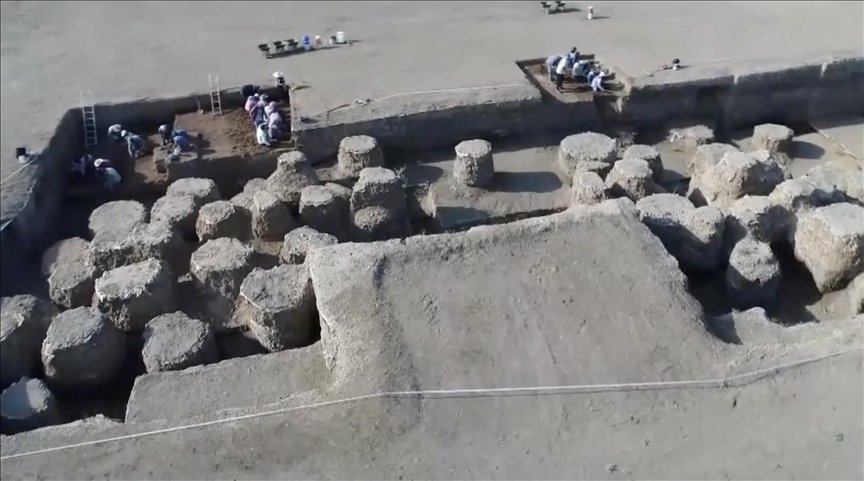
An undated archive photo shows a view from Kortik Tepe mound in Diyarbakır, Türkiye. (AA Photo)
by Anadolu Agency Aug 06, 2023 10:39 am
Edited By Buse Keskin

The examination of bones dating back to the Middle Ages, which were unearthed 16 years ago during archaeological excavations in southeastern Türkiye, has provided valuable insights into the anatomy of humans who lived several centuries ago.

After over two decades of excavations, experts at the Kortik Tepe mound in Diyarbakır province found that the lower jaw bones of male and female skeleton subjects differed in size and strength.

"We observed that, during the Middle Ages, the lower jawbones of men living in Kortik Tepe were strong and powerful, while the lower jawbone of women exhibited less density," Vatan Kavak, a professor of anatomy at the province's Dicle University, told Anadolu Agency (AA).

"We also found that the lower jawbones of men in this region were stronger and sturdier compared to their counterparts in other parts of the world," added Kavak, who is one of the academics leading the dig site alongside Mara Pilmane of the Latvia-based Riga Stradins University.

The study examined the jawbones of 121 subjects – 55 women and 66 men – living in the Middle Ages near the Kortik Tepe mound. Their remains were being kept at the Diyarbakır Museum Directorate and were loaned for the research carried out in cooperation with the Turkish Ministry of Culture and Tourism.

The results of the study were published in the international journal Translational Research in Anatomy.

Kavak said they examined the jaw structure of the skeletons.

He added that the more delicate jaw bones of women indicated they were more involved in "domestic chores and not in hunting and other activities."

"When we compared them with the women of other regions, we found that the women living in Kortik Tepe were the most delicate," he added.

"With agriculture beginning around that time, men hunted wild animals outside and ate them without cooking, while also consuming grain-based meals, which led to the strengthening of their jaws," he explained.

Noting that the study's results were published in an international scientific journal, Kavak pointed out that they could be helpful to surgeons.

"Our work will be a guide for jaw, implant, and aesthetic surgeons in the future," he underlined.


  • shortlink copied
  • Last Update: Aug 06, 2023 2:26 pm
    KEYWORDS
    middle ages archeology turkiye anatolia mesopotamia
    The Daily Sabah Newsletter
    Keep up to date with what’s happening in Turkey, it’s region and the world.
    You can unsubscribe at any time. By signing up you are agreeing to our Terms of Use and Privacy Policy. This site is protected by reCAPTCHA and the Google Privacy Policy and Terms of Service apply.
    No Image
    Palestinians return to destroyed Gaza homes after cease-fire
    PHOTOGALLERY
    • POLITICS
    • Diplomacy
    • Legislation
    • War On Terror
    • EU Affairs
    • News Analysis
    • TÜRKİYE
    • Istanbul
    • Education
    • Investigations
    • Minorities
    • Diaspora
    • World
    • Mid-East
    • Europe
    • Americas
    • Asia Pacific
    • Africa
    • Syrian Crisis
    • İslamophobia
    • Business
    • Automotive
    • Economy
    • Energy
    • Finance
    • Tourism
    • Tech
    • Defense
    • Transportation
    • News Analysis
    • Lifestyle
    • Health
    • Environment
    • Travel
    • Food
    • Fashion
    • Science
    • Religion
    • History
    • Feature
    • Expat Corner
    • Arts
    • Cinema
    • Music
    • Events
    • Portrait
    • Performing Arts
    • Reviews
    • Sports
    • Football
    • Basketball
    • Motorsports
    • Tennis
    • Opinion
    • Columns
    • Op-Ed
    • Reader's Corner
    • Editorial
    • Photo gallery
    • DS TV
    • Jobs
    • privacy
    • about us
    • contact us
    • RSS
    © Turkuvaz Haberleşme ve Yayıncılık 2021