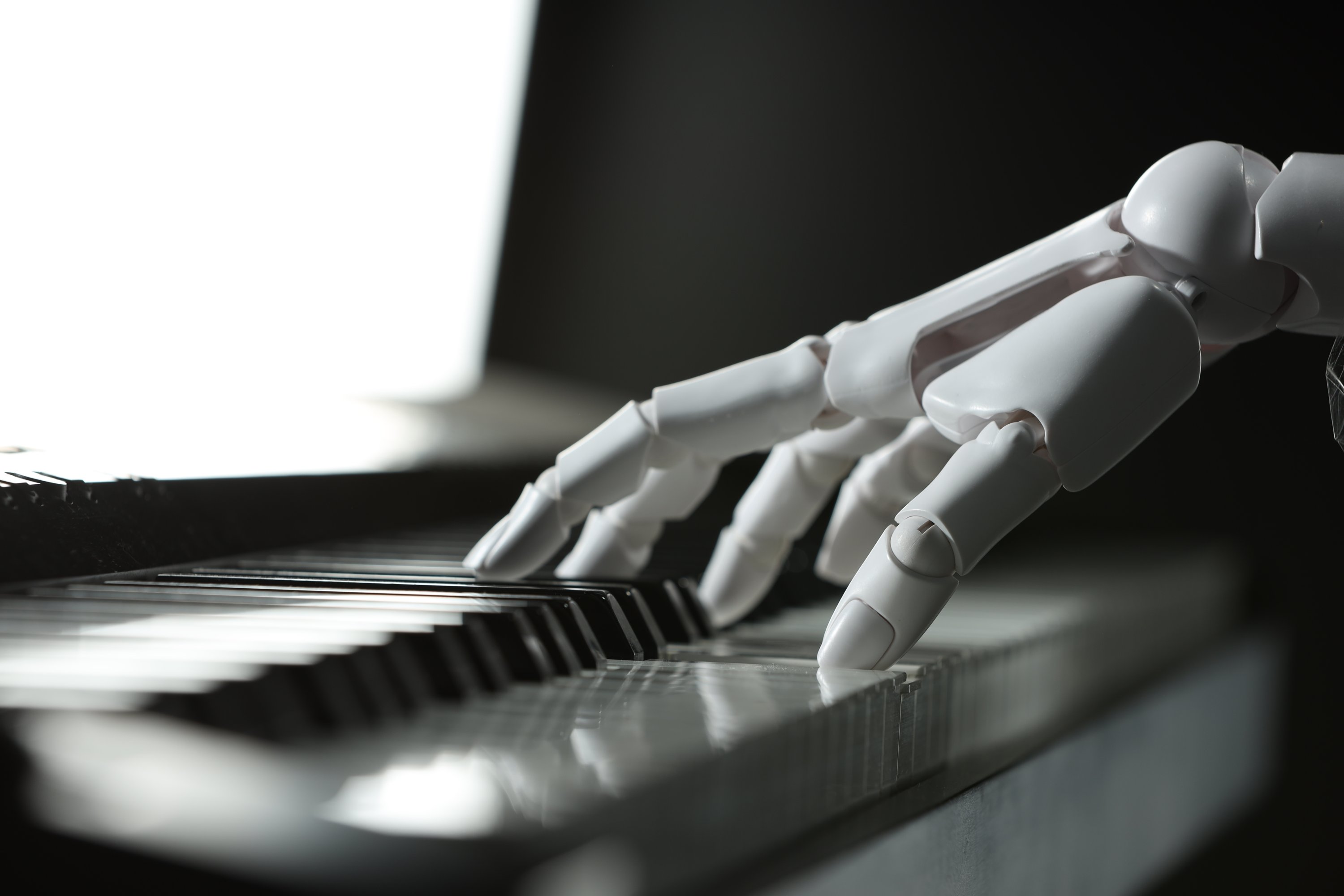
A dispute over the contract between South Korean girl group NewJeans and its label has raised the prospect of a new threat to the music industry. In the age of artificial intelligence, it is no longer just an artist’s songs that are covered by contracts, but their voice and digital identity as well.
Imagine an artist who has spent years working with a record label, releasing albums and performing onstage. Then their contract expires, and they move on to another label. One day, however, they come across a song made using their own voice – a song they have never actually recorded or sung. And to make matters worse, their former label is making money from it.
Sounds like science fiction, doesn't it? Yet this is precisely the possibility the music industry is now grappling with.
The contract between global K-pop sensation NewJeans and its agency, ADOR, made international headlines in recent days. According to an examination of the agreement by The New York Times, it contains provisions that could allow the company to continue using the artists’ names, images and voices even after their contracts expire. The debate centers on whether these rights could extend to AI-generated voice clones and digital avatars.
HYBE, ADOR’s parent company, has pushed back against the claims, saying individual artist consent is required for the use of AI and that it has no plans to use their voices without permission.
But this is about much more than NewJeans. It is about the future of the music industry. There is now a world of difference between recording an artist’s voice and reproducing it. In the past, a record label might have owned the rights to an artist’s recordings. Today, technology can make someone sing words they have never uttered, all in their own voice.
So who owns that voice?
Now, let's turn to Türkiye. Artists in our music industry, too, sign long-term contracts with record labels and music companies. These agreements can cover album rights, digital revenues, licensing permissions and various other forms of commercial use. But how many artists have actually checked whether their contracts include explicit provisions against AI-generated imitations of their voices? How many managers have sought specific safeguards against the future digital use of their clients’ voices? And how many record labels have offered their artists clear assurances on the matter?
What's more, this is not just a concern for established stars. A young artist signing their first contract today may also have to consider the possibility of coming across an AI-generated version of their own voice years down the line.
Of course, including such a provision in a contract does not automatically mean that an artist loses their personality rights or that a company can use their voice without limits. But that is precisely what makes this debate so important.
Music companies can invest in artists’ recordings and acquire the rights to use their work. But a person's voice is more than just a commercial asset. It is part of their identity, their labor and the artistic persona they have built over the years.
As these issues come under scrutiny around the world, artists, managers and professional associations in Türkiye need to take a closer look at their own contracts, too. After all, an artist may sign with another label tomorrow, leave the music industry altogether or stay away from the stage for years. Yet, thanks to AI, their voice could go on singing.
The real question is this: When an artist walks away from a contract, will their voice be free to walk away with them?