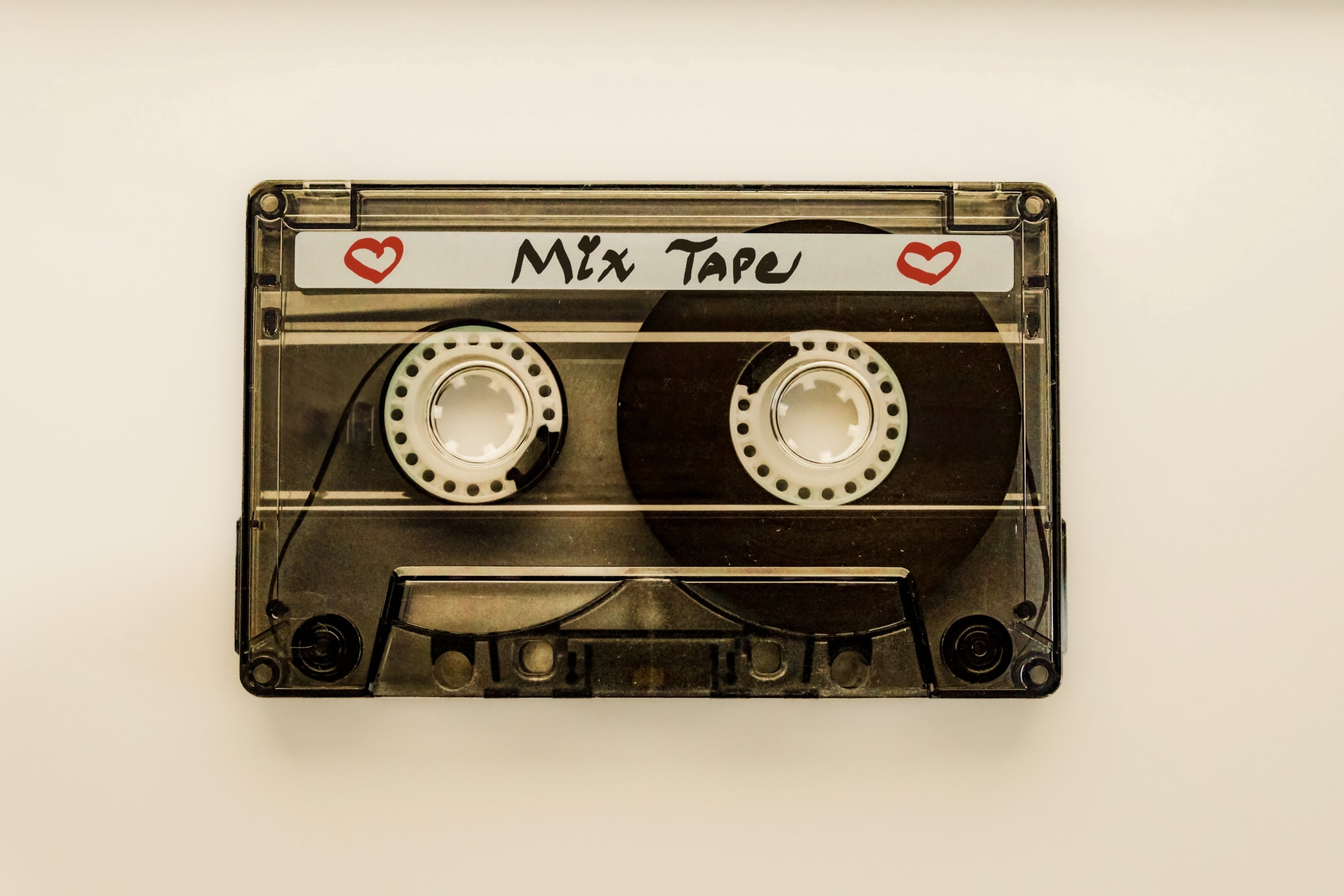
Nostalgia is an unusual emotion. It doesn’t merely bring back the past; it reshapes, filters and softly integrates it into our current lives. A song, a familiar face on TV, or even the flicker of an old film can transport us to memories we thought were long gone. For many Turks, Yeşilçam represents that power most vividly.
These films were never just stories; they were rituals. During holidays, families gathered around the television, laughing, crying and singing together. Despite the overwhelming presence of internet streaming and Hollywood blockbusters, children today still watch Yeşilçam classics. That persistence reveals something important: nostalgia is not only personal but also collective. Cultural memory is being passed down, one rewatch at a time.
But what do we really seek when we return to classic movies?
Often, it’s not just the film itself; it’s the time we associate with it. We recall the living room where we sat, the smell of supper in the kitchen and the presence of a parent or grandparent nearby. Rewatching a film becomes a portal, not just to a story, but to a former version of ourselves. A narrative becomes less about what happens on screen and more about who we were and who we are becoming.
In times of uncertainty, nostalgia offers comfort. A familiar film is safe territory: we know how it ends. There are no surprises; only reassurance and recognition. Psychologists say that nostalgia is directly related to memory and identity. It helps us cope with emotional stress and reconnect with our core beliefs. In this way, a beloved movie can become a quiet method of healing – a gentle reminder of who we are and what we care about.
Nostalgia is back in full swing through social media. Short clips of vintage Yeşilçam movies, old Turkish commercials and iconic moments are increasingly popular on TikTok, Instagram and YouTube. Many viewers of these clips have never seen the originals. Nostalgia is no longer just something we feel; it is being reimagined, performed and shared – bringing people of different ages together and giving the past a fresh look through a modern lens.
This desire to revisit isn’t unique to Türkiye. Globally, cinema continues to resurrect its history. Hollywood remakes "The Lion King," "West Side Story" and "Little Women." It reunites cast members of "Friends" and "Sex and the City." When a sequel to "The Devil Wears Prada" is announced, the reaction is not just curiosity; it’s emotional. Are these remakes commercial ploys, or are they cultural rituals, meant to recapture a feeling, a time, or a self that has slipped away?
Literature follows suit. Every new adaptation of Tolstoy, Austen, or Turkish classics does more than tell a story – it reawakens the emotional landscape of past generations. These adaptations are bridges between people and time, offering not just nostalgia, but resonance.
Of course, nostalgia comes with risks. Too much reverence for the past can lead to stale imitation, where remakes lack the soul of the original. But even then, reflection can spark memory-based creativity. Looking back is not always regressive, it can be a form of innovation rooted in recognition.
Despite this paradox, nostalgia endures. We know we can’t go back – yet we keep trying. We rewatch old Yeşilçam films, attend classic anniversaries and welcome the next remake. Why?
Nostalgia isn't only about the past; it's also about what we value now and what we want to carry with us into the future.
More than any other art form, movies speak to that need. The familiar faces of Yeşilçam, the echoes of Hollywood and the reliving of classic stories all bring back memories of something deeper.
Nostalgia not only transports us to the past; it elucidates our identity, our former selves and our aspirations for the future.
And maybe most crucially, it reminds us that memory – personal, cultural and collective – is a story we continually write every time we look back.