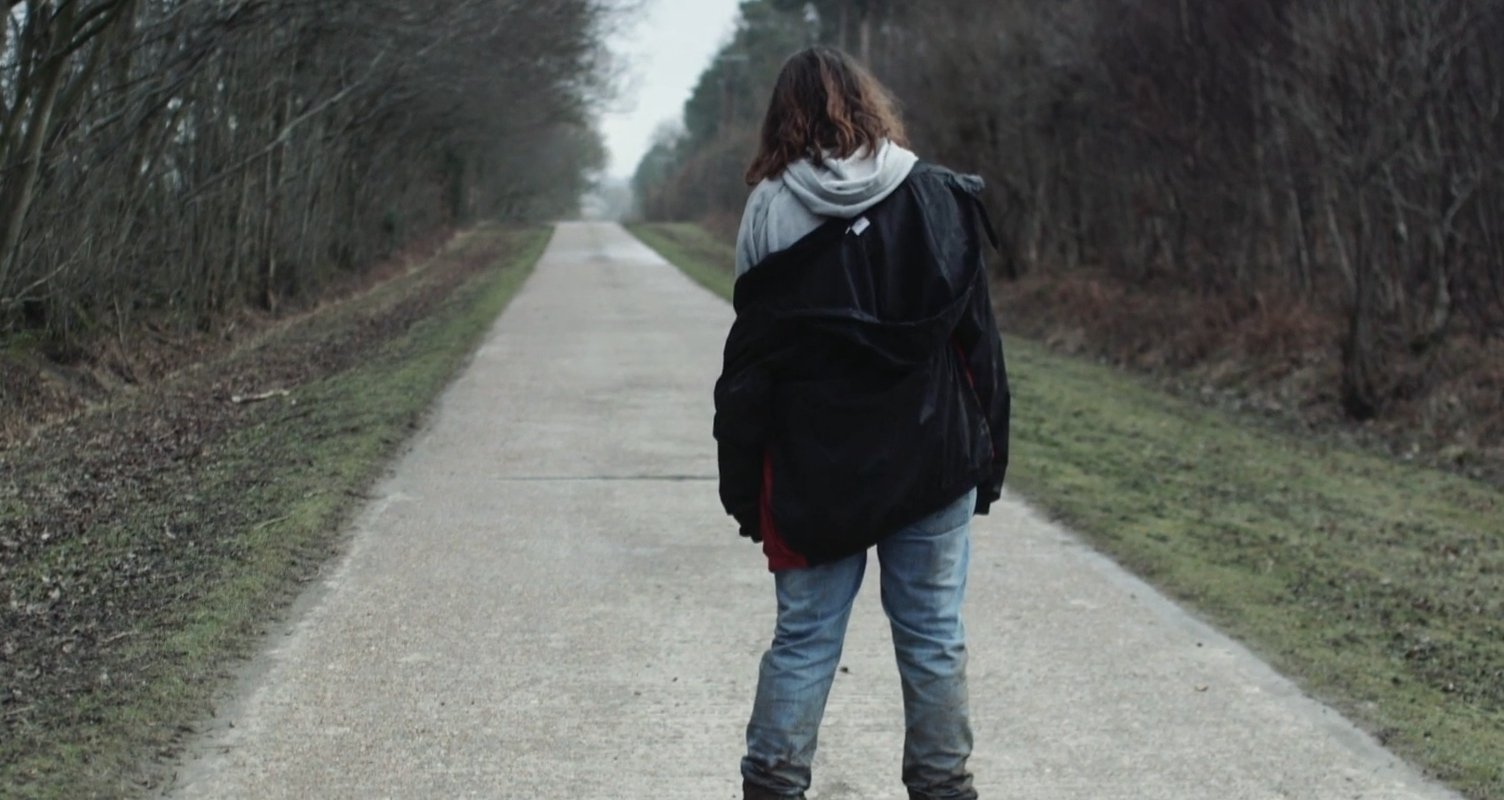
Ted Evan’s first feature film opens in a beautiful mansion somewhere in the English countryside. A very beautifully and primly dressed woman walks through its various halls, making sure the housekeeping is done to standard. Before long, we understand that we are in a community of deaf people as everyone is speaking in sign language. As in all good stories, here too, a stranger comes to town and things change – in this case, it is Eva, all the way from Germany, who comes to experience the joys of this special community. Through her, we learn how membership is attained in this particular community, and the film serves as an allegory for membership in any kind of insulated group.
The insulation, of course, starts with the location of the "Retreat," in the middle of the woods, accessible only by four-wheelers. And in such a four by four arrives Eva, wearing a Barbour, as an indicator that this haven offered to deaf people, bears similarities to a rich country club. The viewers are given ample time to make sense of the house and its membership rules on their own, while a young member, Matt, takes Eva around the house, acquainting her with the facilities "on board." There is a nice moment at the beginning where Eva explains how she has been learning the British Sign Language and then she says she is a "new member of the deaf community."
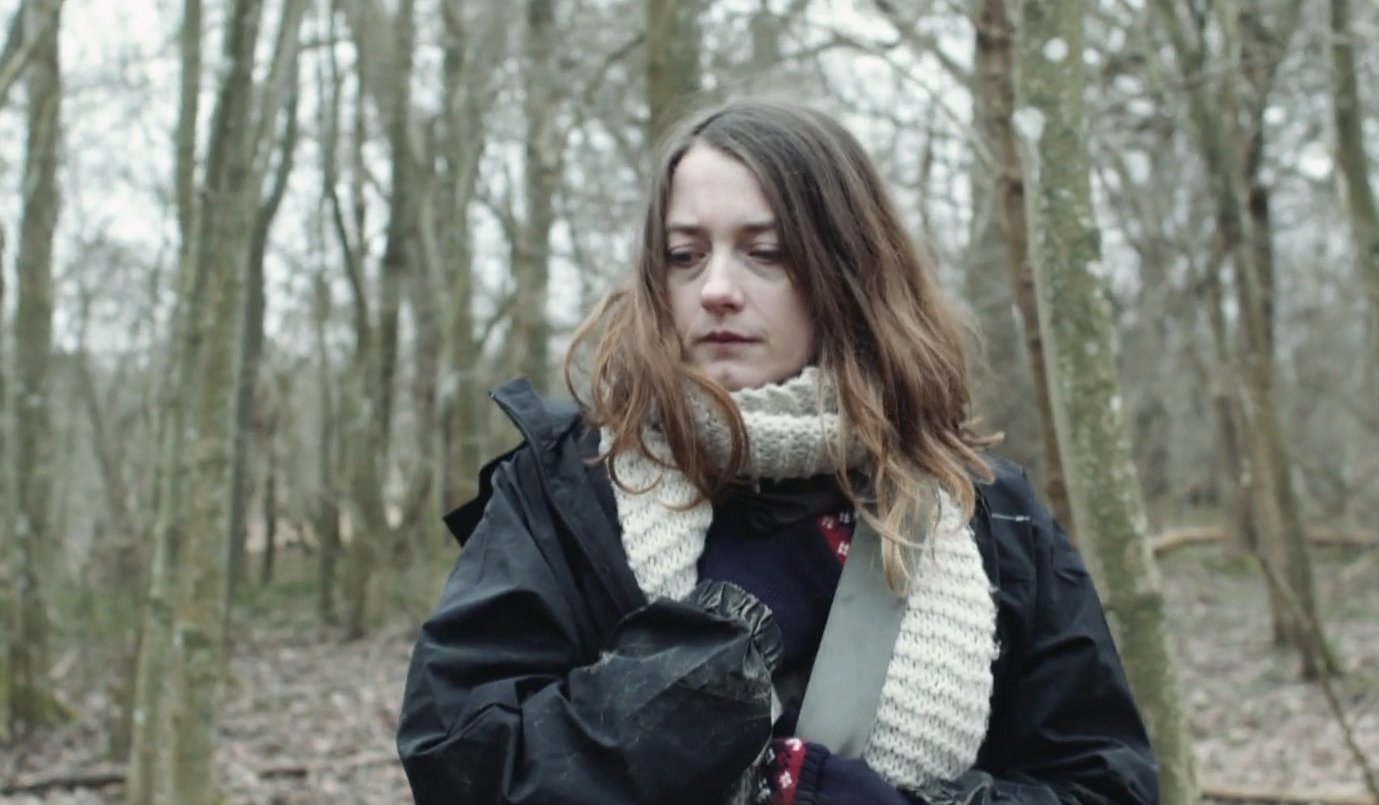
I personally read this as Eva having become deaf only recently, but as we get more of her story, we understand that she has been hearing-impaired since she was a child. So this "being a member of the community" signals something else: of her finally identifying as a deaf person and this is the reason she has come to the retreat, to fully embrace her identity. We are not given any indication of whether such a retreat might exist in Germany: Eva’s coming all the way from the continent serves to underline what a unique experience and education the retreat offers.
Finally, Eva and the viewers meet the "mother" of the house and the all-loving, all-forgiving and all-punishing expression on Mia’s face tells us that her charisma is what runs the house in such perfect condition. When I had the chance to interview Evans, he told me he had written the role for Sophie Stone and it is so easy to see why. You understand immediately the kind of power Mia can have on other people, and you prepare yourself for the initiation experience Eva is to go into with her. Evans maintains the lurking tension through the exactness of the movements of Mia’s partner, Tracy and the extremely smooth way the retreat runs, the side glances that Mia and Tracy throw one another, and the way almost nothing about the outside world is mentioned.
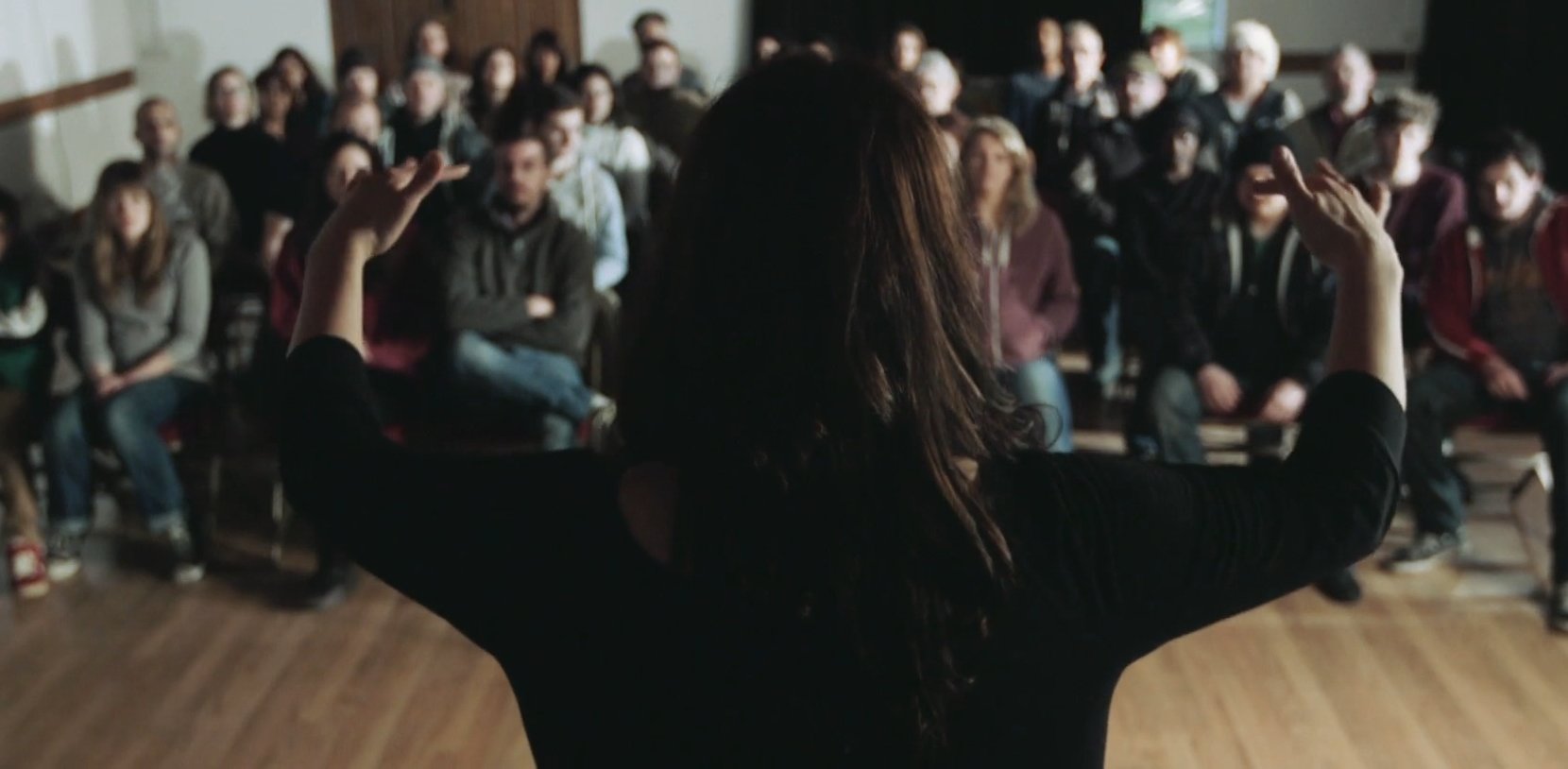
The members focus, instead, on running the house, cultivating the garden, breathing exercises and hyping Eva about the "experience" she’ll go through with Mia, engineered to sever all her (emotional) ties with the hearing world. Evans shows us, incrementally, how the discourse of hearing-non-hearing antagonism takes center stage in the community’s conversation. Eva finds this strange, and finally, when they do a "raid drill" with everyone having to go into a basement, she understands that this community takes the hearing-non-hearing divide very seriously.
While Eva is trying to get used to the ways of the non-hearing, Matt is curious about the outside, hearing world and tries to get Eva to tell him about it. For we learn, again gradually, although we’ve been guessing, that Matt has grown up in this community and has no experience of the outside world. He is, in fact, the first deaf kid to have grown without hearing people’s prejudice, a project that Mia is very proud of.
This project, we learn, is a very costly one and we see Mia and Tracy bickering about how to pay the money they owe to the owner of the house. When Eva has her transformative experience with Mia, surrounded by a few members of the community she trusts, she is ready to "donate" to the community that will cover much of their debt and not only that: she decides to become a permanent member.
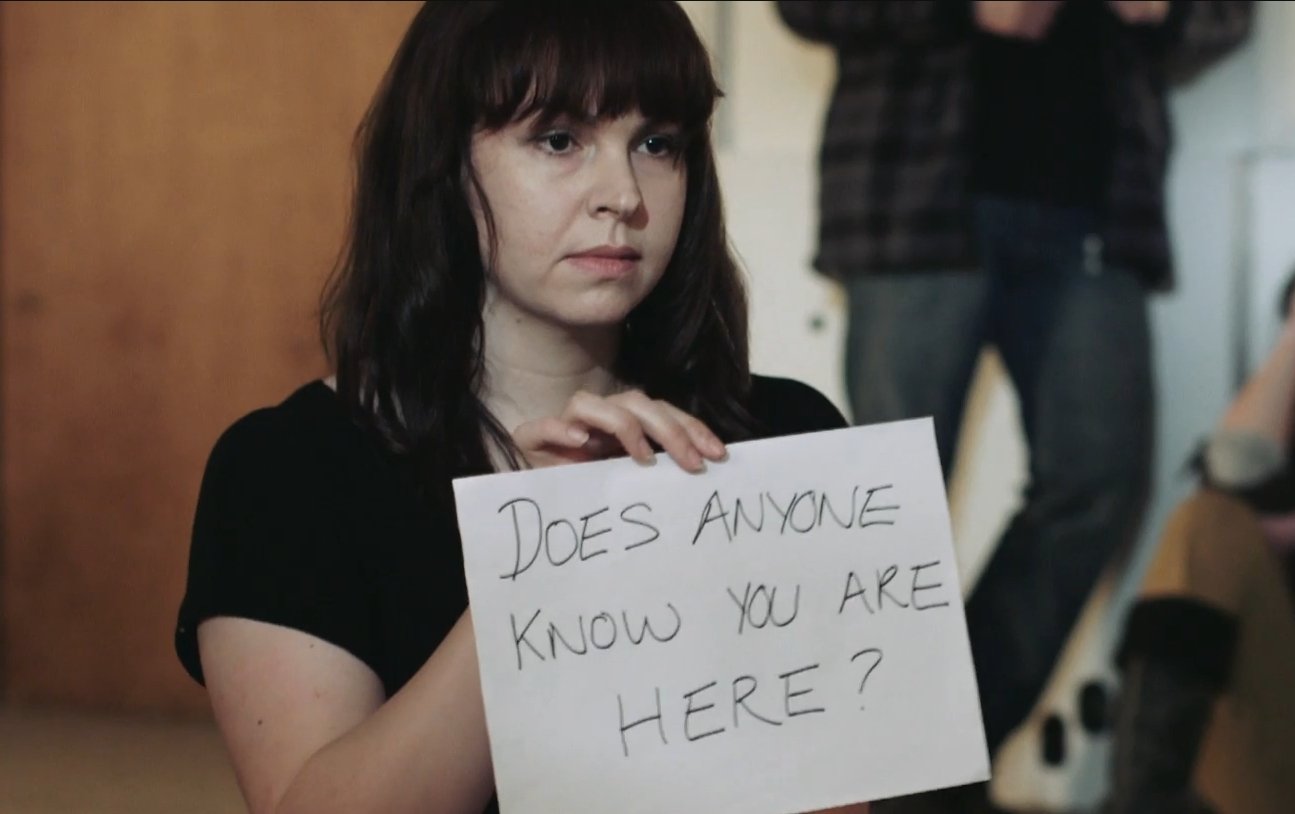
While Eva is having the best time of her life, we see Matt getting more and more disillusioned, questioning the kind of childhood the community has given him and whether not having any ties with the outside world is a good idea after all. Eva’s entry into the system, then, precipitates Matt’s desire to leave it, and the thriller aspect of Evans’s film gathers pace, spirals into betrayals, violence and jaw-dropping moments.
From the beginning, the film questions what belonging to a community means. In that sense, it reminded me of "Sound of Metal," especially the scene where Riz Ahmed’s character asks to stay in the deaf boarding house even after he has undergone an implant operation. The head of the house rejects his plea, saying he has chosen to be in the hearing world and that he has to take his chances there now. Evans was very skeptical of this view of "membership" when I put it to him. He said the deaf community was now much more diverse and welcoming and that what mattered was not the implants but whether you contributed to the community.
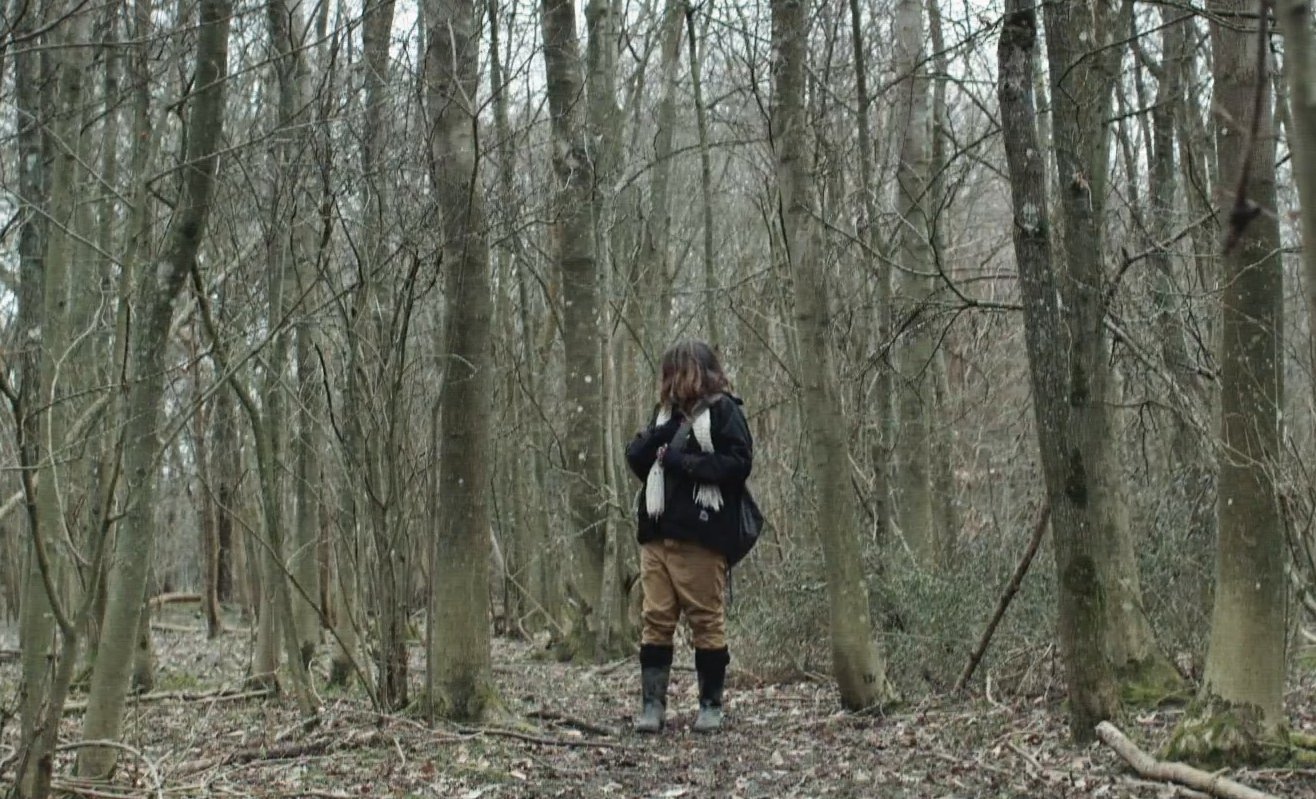
When I asked him if he was aware when he was making the film that it would become an allegory for all communities trying to regulate rules of membership and deciding on what is the in-group and out-group, he said that he was aware that these discussions existed in all minority groups "what makes us who we are, our cultural beliefs, language, the effect of people around us."
The film was 10-11 years in the making and you can tell that the characters and the dialogue have been refined to perfection, where all that is expository has been left out and the acting speaks for itself. Evans says that trying to work out he characters’ motivations, he was also trying to work out who he was. In the end, he delivers a thriller with important questions about belonging, trust and betrayal, questions that many will recognize from their own communities.