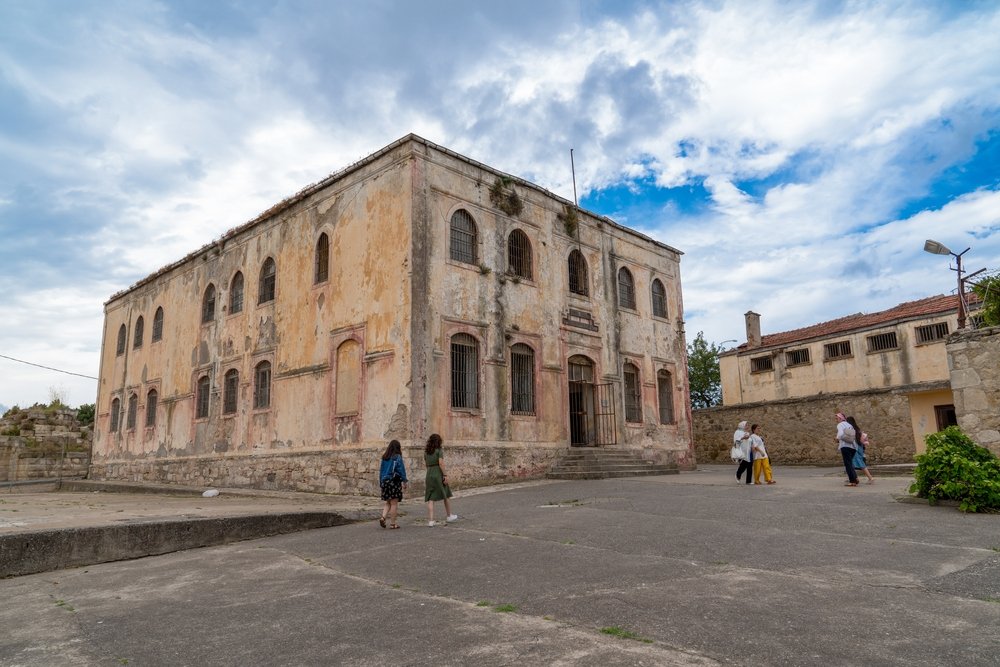
Culture and Tourism Minister Mehmet Nuri Ersoy announced that the Sinop Fortress Prison is no longer merely a silent witness to the past but has been revitalized as a vibrant cultural and memory space that illuminates the future.
Speaking at the opening ceremony of the Sinop Historical Prison Museum – restored by the Ministry of Culture and Tourism with support from the European Union, Ersoy highlighted that the restoration was carried out under the “Common Cultural Heritage: Preservation and Dialogue Between Türkiye and the EU – Phase II” project.
The minister emphasized that the prison represents more than just stone walls; it holds deep literary and historical significance. Renowned Turkish literary figures such as Sabahattin Ali and Kerim Korcan, poet and writer Eşber Yağmurdereli and politician Zeki Özturanlı were once incarcerated there. Sabahattin Ali notably penned his famous poem “Aldırma Gönül” within those walls, marking the site as a powerful symbol etched into Türkiye’s collective cultural memory.
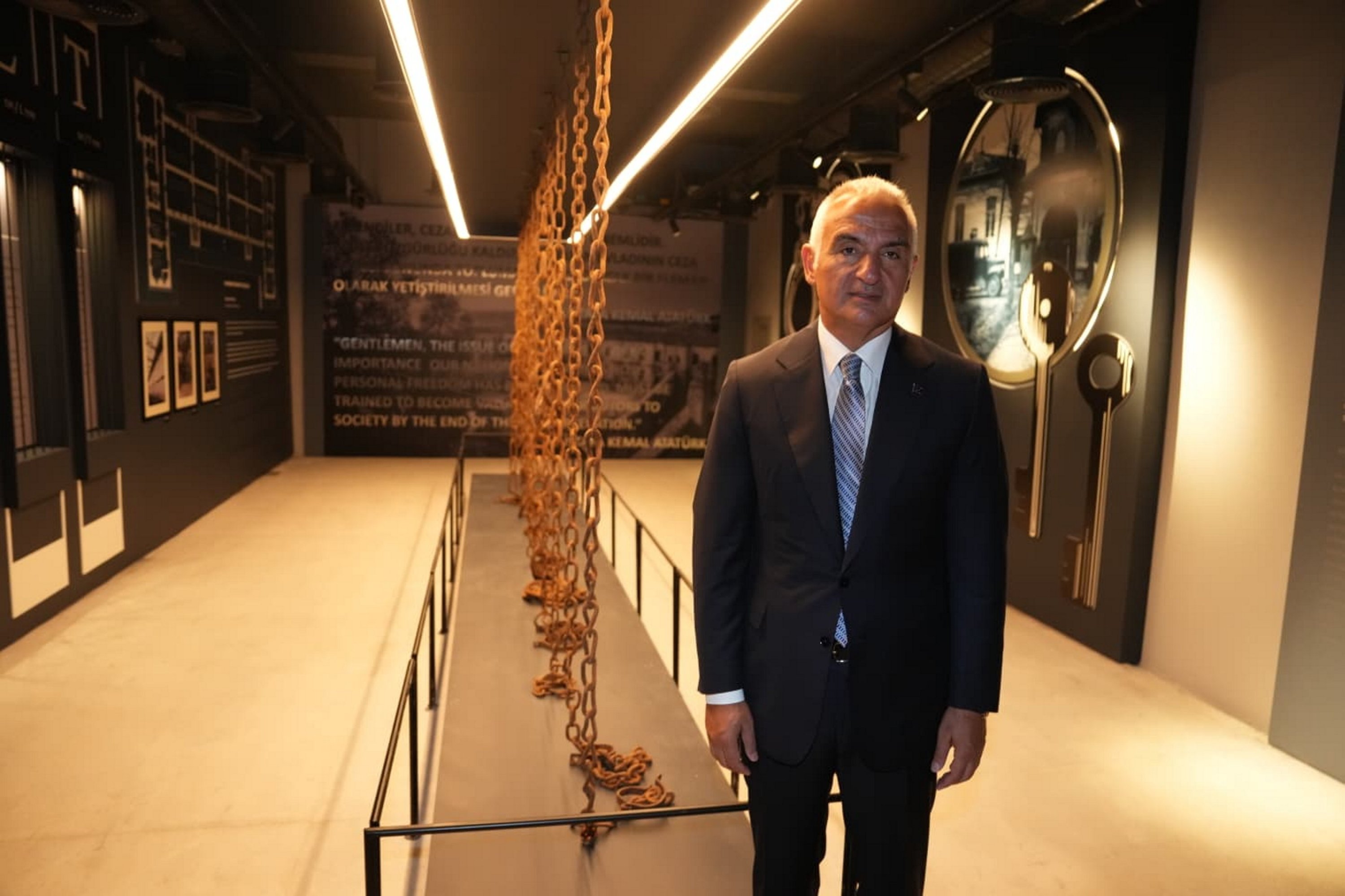
With a budget of approximately 8 million euros from the EU, the project reflects a commitment both to honoring history and preserving cultural heritage for future generations. Additionally, the Ministry invested around 180 million Turkish lira for exhibition setups, landscaping and pedestrian pathways around the site. The restoration and surrounding infrastructure have revived the prison as a dynamic center for culture and memory.
Ersoy explained that the restoration process involved two phases: The initial phase focused on the prison’s restoration and site management plan, while the second phase completed the restoration and initiated additional enhancement works. These efforts quickly prepared the site for its new role as a museum. Moreover, grant programs connected Turkish and European civil society organizations, fostering collaboration around cultural heritage.
The minister underscored that civil society’s involvement extends the site’s significance beyond its physical walls, transforming Sinop Fortress Prison into a symbol of shared heritage and resilience.
Ersoy noted that the museum offers visitors more than a history lesson; it invites reflection and emotional connection with the past. Each stone, wall and unmarked footprint carries a story, preserved to protect the common memory of Sinop and Türkiye.
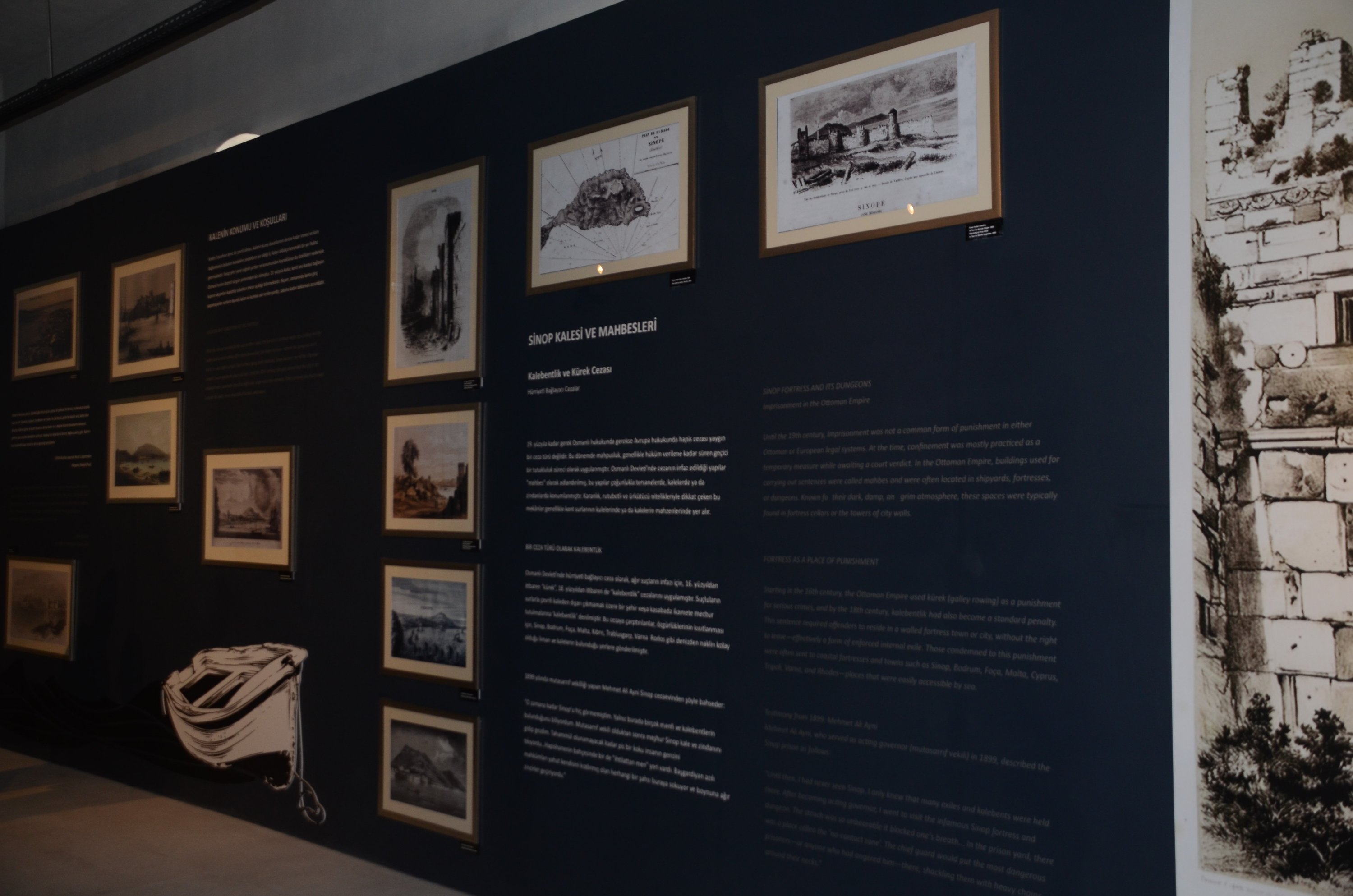
The site is envisioned as a lively cultural hub, hosting civil society groups, cultural events and artistic activities. With approximately 3,500 square meters of exhibition space, it connects the rich heritage of the Black Sea region with Sinop’s potential as a new cultural attraction.
“Cultural heritage does not merely tell the story of our past – it shapes our future,” Ersoy stated, citing the Sinop Historical Prison Museum as a prime example of this vision.
He extended his gratitude to the EU Delegation in Türkiye, the Ministry of Foreign Affairs, the Central Finance and Contracts Unit and all contributors to the project.
Jurgis Vilcinskas, deputy head of the EU Delegation to Türkiye, reaffirmed the Sinop Fortress Prison’s importance as cultural heritage. Celebrating a new chapter in the site’s history, he described the restoration as a process that revitalizes culture, art and dialogue.
Thanks to the “Common Cultural Heritage: Preservation and Dialogue Between Türkiye and the EU – Phase II” program and its 8 million euro funding, the prison’s towers, courtyards and walls were restored, transforming the site into a cultural and artistic complex. Vilcinskas emphasized that the site is now a place not only of remembrance but also of creativity, community and connection.
He highlighted that cultural ties are built not just through buildings but also through people. The program supported civil society projects that brought together artists, filmmakers, designers, storytellers, and cultural nongovernmental organizations (NGOs) from Türkiye and EU member states. These initiatives – from puppet theater to urban history and photography – demonstrate how cultural heritage thrives when communities are actively involved. Sinop, Vilcinskas concluded, is the perfect setting for this message.
Vilcinskas expressed hope that the Sinop Historical Prison Museum would evolve into a living venue where local and international communities gather for concerts, exhibitions, workshops and discussions. It will be a place where young people draw inspiration from history, artists create and citizens feel a genuine sense of ownership over their heritage.
“Europe stands proudly alongside Türkiye in this journey,” he affirmed.
The opening ceremony concluded with a ribbon-cutting, officially inaugurating the Sinop Historical Prison Museum. Minister Ersoy and his delegation toured the historic site, receiving detailed briefings on the artifacts and restoration from officials.