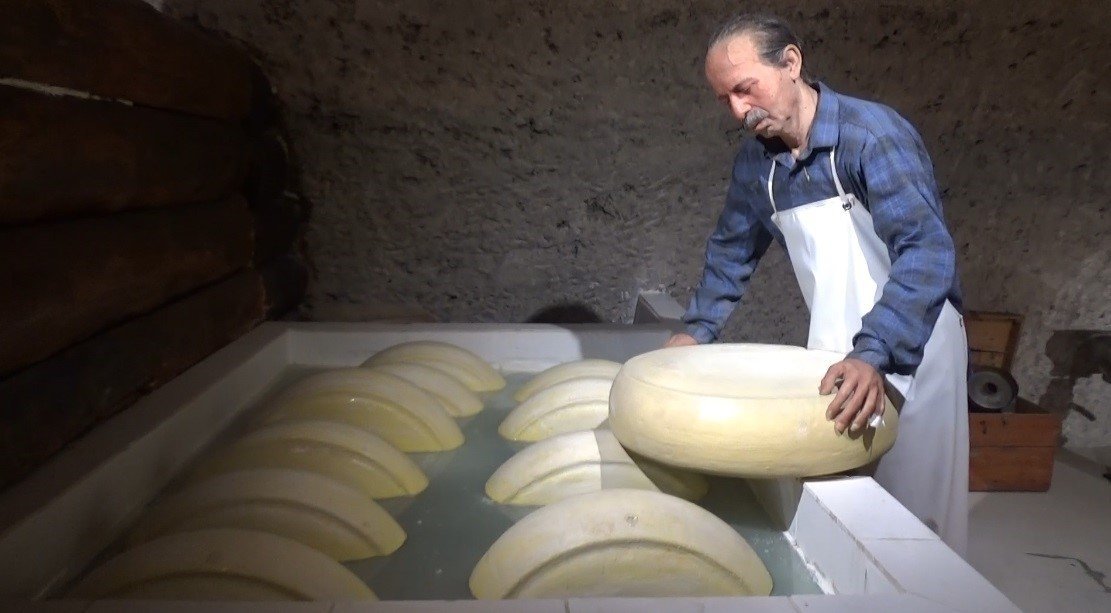
Türkiye’s first thematic cheese museum is drawing tens of thousands of visitors to the eastern Turkish city of Kars, where centuries-old dairy traditions are showcased inside a historic military bastion.
The Kars Cheese Museum, opened in March 2022 inside the historic Cavalry Bastion, welcomed about 72,000 domestic and international visitors in the first seven months of 2026, according to museum director Yeşim Koç.
Koç said the museum expects to surpass 120,000 visitors by the end of the year.
“We are not actually just telling our visitors the story of cheese here,” Koç told Anadolu Agency (AA). “The museum is located inside a bastion with a completely historical texture. So we also take visitors back into the past. We tell them about both the history and the culture of Kars.”
Kars is known for its dairy production, particularly gruyere, string cheese and kashar. The city was designated as the world’s 18th cheese route in 2020 under the "Future is in Tourism" project, a partnership involving the Ministry of Culture and Tourism, the United Nations Development Programme and Anadolu Efes.
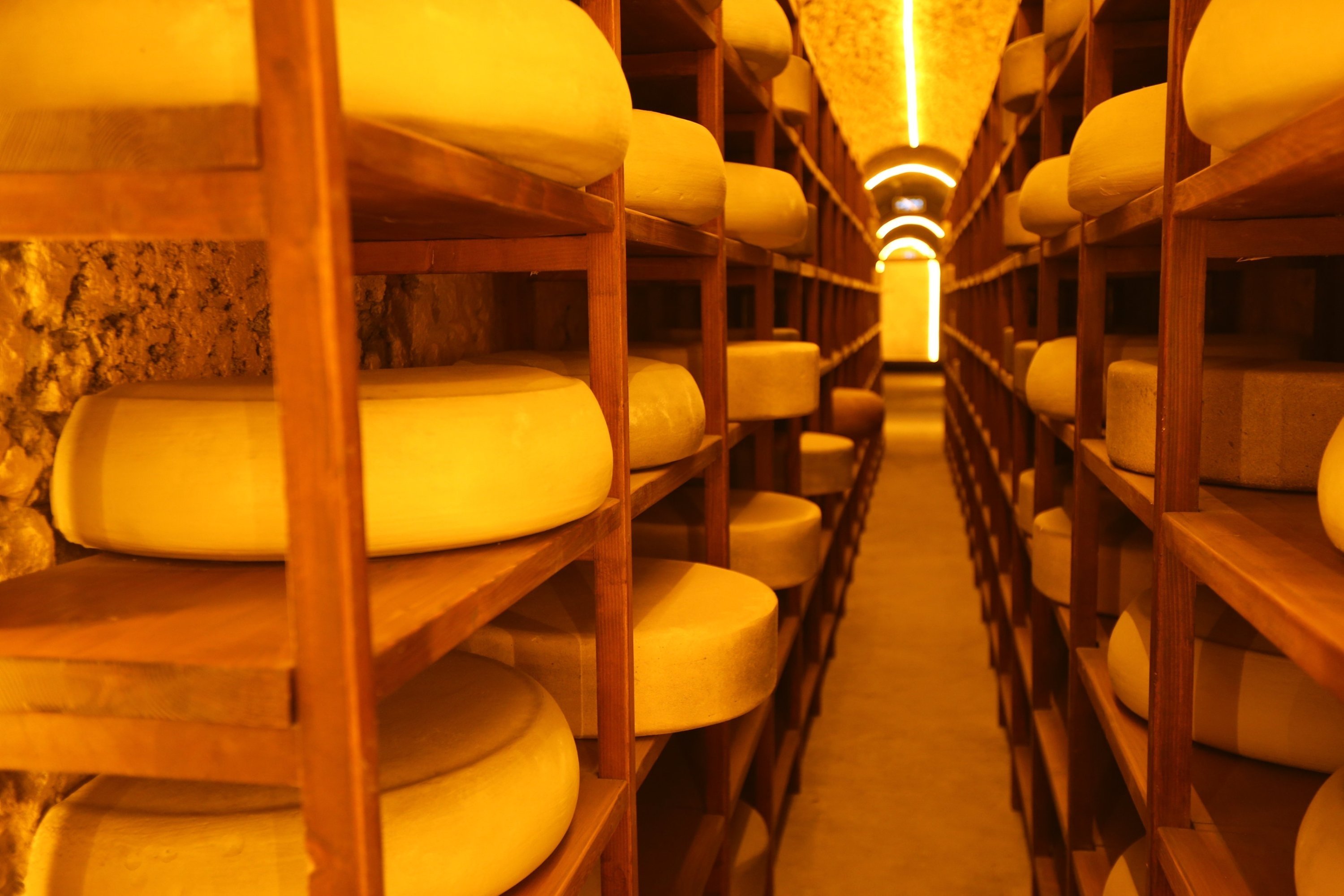
The 1,100-square-meter (11,840-square-foot) museum traces the production of Kars cheese from pasture to finished product. Exhibits cover the region’s endemic plants, cattle barns, milk containers, highland life and traditional cheese-making techniques.
Visitors can also see sections dedicated to gruyere production, a cheese hall, a video room and replicas of railway stations in Kars and Ankara, along with traditional Kars houses and areas for chefs and workshops.
Large molds representing Kars Gruyere greet visitors at the entrance.
Koç said the museum’s story begins even before milk is produced, with the plants consumed by livestock in Kars’ highlands.
“Kars has the longest-standing highland livestock tradition in Türkiye, so plants are very important to us,” she said.
Kars has about 1,600 plant species, including roughly 80 endemic species, Koç said. The plants contribute to the distinct flavor of the milk and, consequently, the cheese produced from it.
The city produces an estimated 19,000 to 20,000 tons of Kars gruyere and Kars kashar annually, Koç said, adding that local producers are gradually looking toward European markets.
For visitors, the museum also offers an opportunity to connect the region’s food traditions with its history.
Şeyda Maral, a visitor from Istanbul, said she came with her children to introduce them to the culture of the region.
“It was also my first time at the Cheese Museum, but they have created a very beautiful environment,” Maral said. “It is a wonderful place for introducing our history.”
Adem Akkaya, who traveled from Yozgat, said the museum exceeded his expectations.
“We came with some prejudice. We thought, ‘What can we expect from cheese?’ But they have really explained its history very well,” he said.
Akkaya praised the restoration of the museum and said it had added to Kars’ appeal as a tourist destination.