
Culture and Tourism Minister Mehmet Nuri Ersoy said the Diyarbakır Memorial Museum and Cultural Center (Diyarbakır Anı Müzesi ve Kültür Merkezi) will become a round-the-clock cultural and educational hub once completed, serving not only as a museum preserving historical memory but also as a center for research and learning.
According to a statement from the ministry, Ersoy inspected ongoing restoration and development work at the museum.
Speaking during his visit, Ersoy said the project began after President Recep Tayyip Erdoğan announced during a July 2021 visit to Diyarbakır, southeastern Türkiye, that the former Diyarbakır Prison would be transformed into a memory museum and cultural center.
Ersoy said the project was designed as a historical center to highlight the importance of democracy and how democratic systems contribute to the development of societies. He said it was important to convey to younger generations the negative effects of the military junta’s suspension of democracy following the 1980 coup.
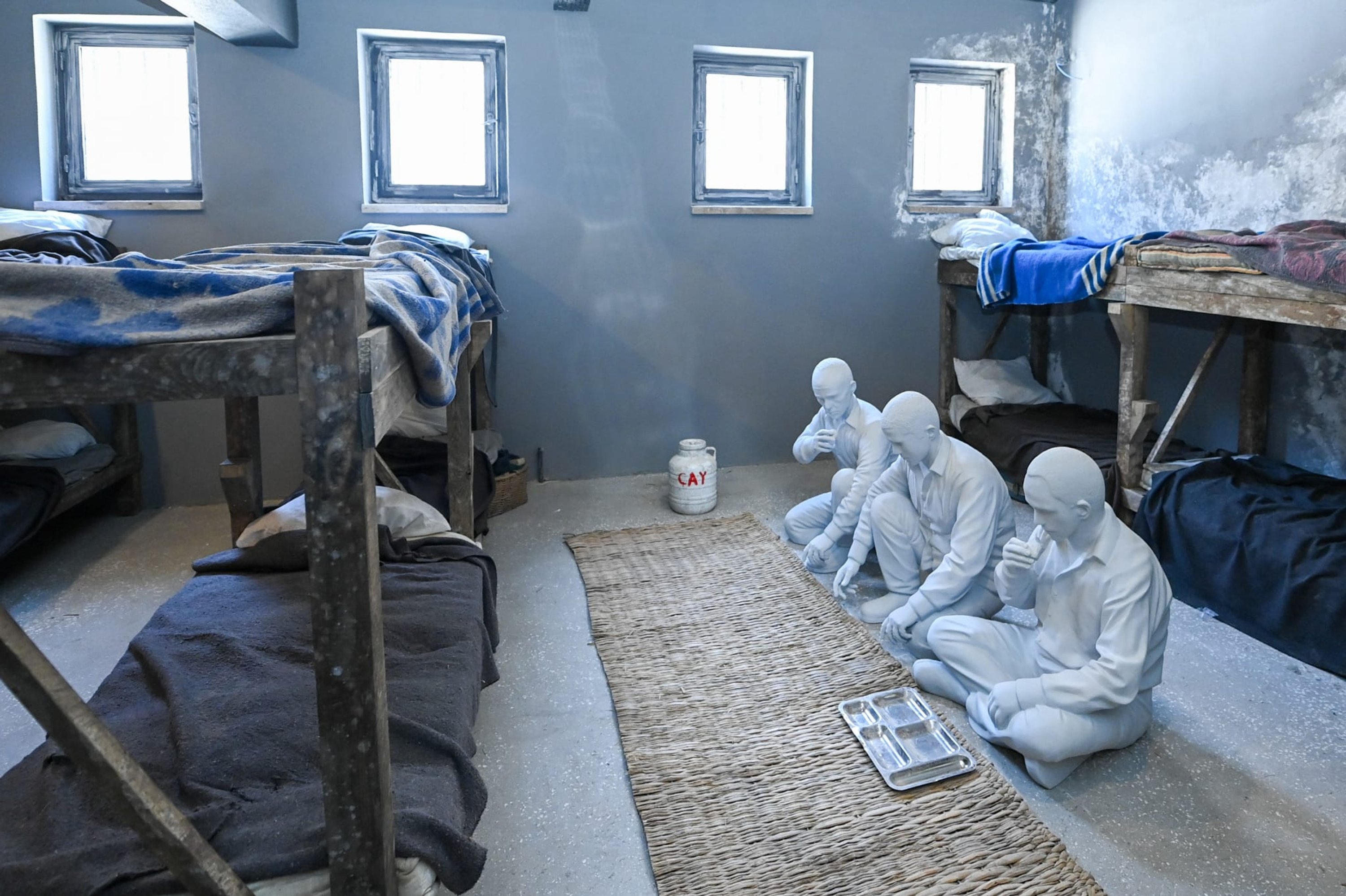
Ersoy said the Justice Ministry completed the transfer of inmates to other correctional facilities following Erdoğan’s announcement. He recalled that a symbolic lock was placed on the prison’s gate during an October 2022 ceremony, when ownership of the site was transferred from the Justice Ministry to the Culture and Tourism Ministry.
The ministry designated the site as a first-degree protected historic structure at the end of 2022. Following approval of restoration and architectural survey projects, construction began in 2024.
Ersoy said structural reinforcement work on protected buildings was completed in 2025, while later additions were removed and roofing, electrical and mechanical upgrades were finished. The project has now entered its final phase, with exhibition design and installation work underway.
Ersoy said a broad advisory board was established to develop the concept of the Memory Museum. The board included witnesses of the period, representatives from nongovernmental organizations, historians, academics and archival experts.
He added that regular field meetings were held with former male and female prisoners who were held at the facility during that period, and findings from those consultations helped finalize the museum’s design.
The first three blocks of the complex will serve as the Memory Museum and multipurpose exhibition halls, while two additional blocks will house a large library, Ersoy said.
The project covers a 47-hectare area, with 18,500 square meters designated for the memory museum and library. It will also include a small cafeteria, while the former gymnasium will be converted into a 520-seat multipurpose hall for theater performances and fine arts events.
Ersoy said extensive landscaping work is being carried out in outdoor areas and that the completed center will provide space for both open-air and indoor events.
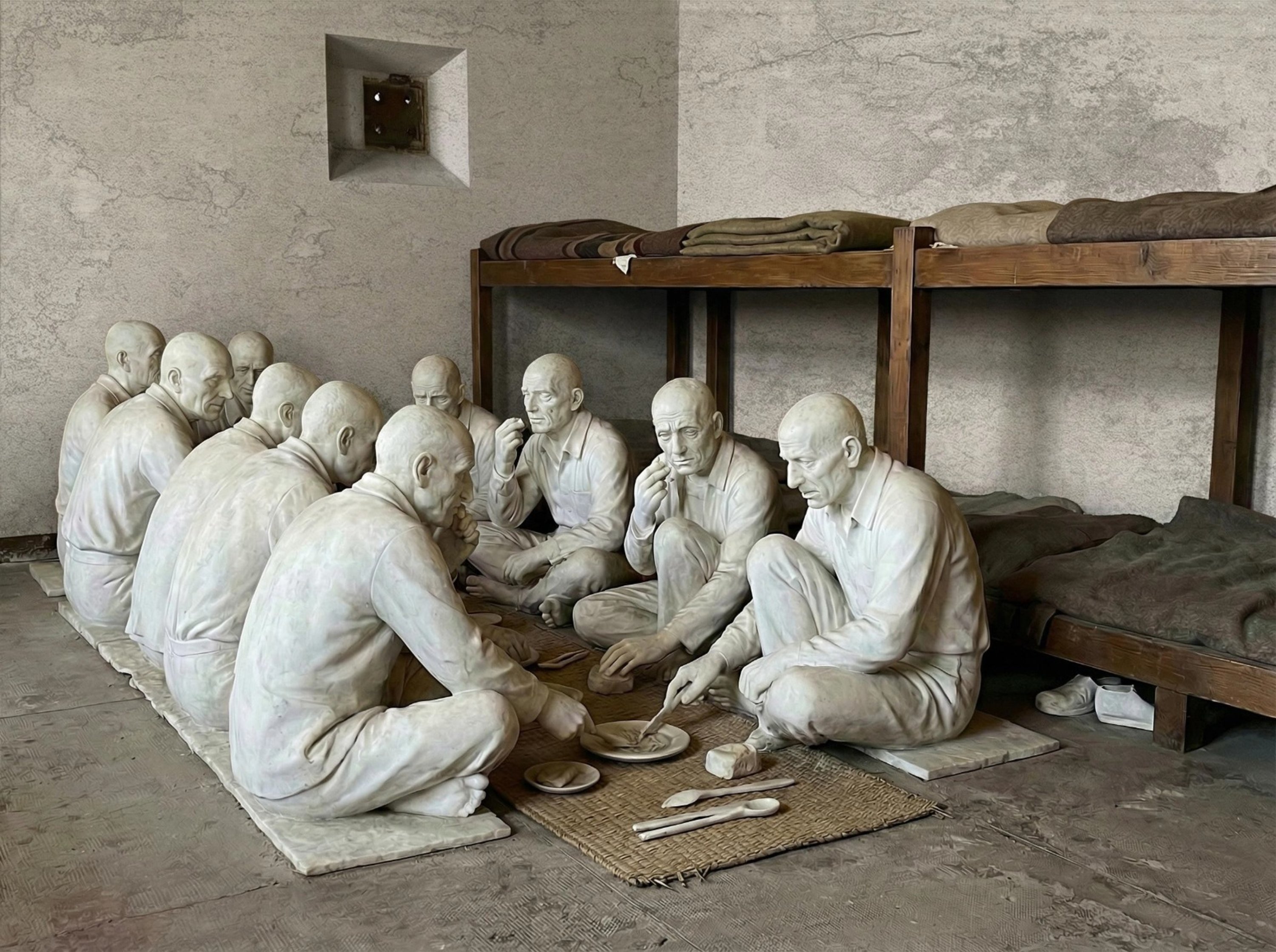
“When the project is completed, it will become a 24-hour living space, not only as a memory museum but also as a center of science and learning,” Ersoy said. “It will be opened for use by our citizens, especially the people of Diyarbakır, as a multipurpose cultural center hosting both indoor and outdoor events.”
Ersoy said the project has reached its final stage, with electrical and mechanical work being completed. He said the center is expected to open in the first half of 2027 after exhibition and installation work is finished.
He said such projects are important for preserving history, learning from the past and transferring knowledge to future generations. He stressed that the facility would not simply be a museum describing past events.
“It is important to create a memory museum for people who suffered during that period, showing that their experiences have not been forgotten,” Ersoy said.
He added that the center would also become a cultural facility meeting the city’s needs.
“I consider it important because it will show how the mistakes of that period were transformed into something beneficial and how this place is now being used for positive purposes,” Ersoy said.
AK Party Diyarbakır lawmaker Mehmet Galip Ensarioğlu said he had spent time in the prison nearly 40 years ago and witnessed the transformation work firsthand.
Ensarioğlu said the facility was being converted while preserving its original character. He said it would serve both as a memory museum documenting the damage caused by periods of military rule and as a major cultural center for Diyarbakır, with exhibition halls, theaters, conference spaces, libraries, a cafeteria and social areas.
The center will be opened for the people of Diyarbakır, Ensarioğlu said, adding that understanding the value of democracy through lessons from past suffering would help build a better future.


