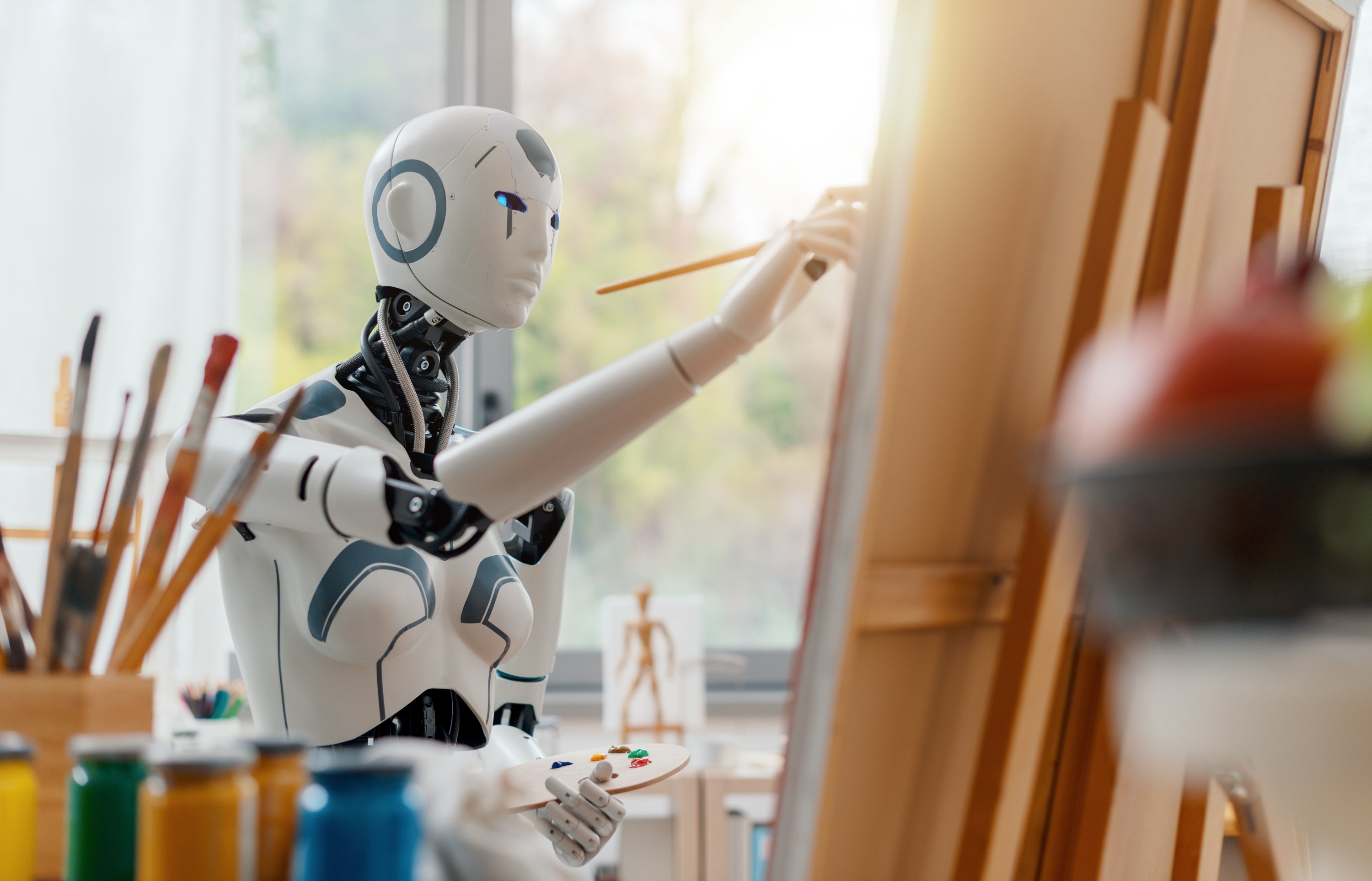
The interplay between artificial intelligence and art has evolved into one of the most intriguing discussions of our time. As AI-generated artworks make headlines, sell at prestigious auctions and even win awards, the art world finds itself at a crossroads. Are we witnessing the dawn of a new artistic era, or are we inadvertently undermining the very essence of human creativity?
As a practicing artist, I find myself both deeply fascinated and unsettled by the emergence of AI in the creative space. There is an undeniable allure to the precision and unpredictability of machine-generated art. Yet, as I observe these developments, I cannot help but question the broader implications for artists, audiences and the cultural fabric of creativity.
Artificial intelligence is no longer confined to the realm of science and technology; it has become a disruptive force in the arts. Platforms like DALL-E, MidJourney and DeepArt have democratized access to AI-driven creativity, enabling anyone with an internet connection to produce striking visuals in mere minutes. Meanwhile, prominent AI-generated works – such as Edmond de Belamy, which fetched $432,500 at Christie’s in 2018 - challenge traditional notions of authorship and value in art.
AI art is celebrated for its capacity to push boundaries. It can blend styles, mimic masters and create compositions that human minds might never conceive. However, these advancements also pose uncomfortable questions: Who owns an artwork created by an algorithm? Is the machine merely a tool, or does it hold some form of creative agency?
As an artist, I often ponder what makes a piece of art truly impactful. For me, it’s not just the visual appeal but the story, the intent and the emotion imbued within it. Can AI replicate that? Perhaps to some extent, it can mimic emotion, but genuine human experiences – shaped by vulnerability and perspective – remain elusive to machines.
Take Jackson Pollock’s chaotic splashes of paint or Mark Rothko’s meditative color fields. These works resonate because they are expressions of deeply personal journeys, struggles and triumphs. AI can emulate the aesthetic but not the existential weight behind it. This distinction, however, risks becoming blurred as audiences increasingly embrace the spectacle of AI artistry.
Yet, it would be shortsighted to dismiss AI as a mere threat. Instead, we should view it as a collaborator, an extension of our creative toolkit. Many artists, myself included, have begun exploring how AI can augment our processes. It’s thrilling to witness how algorithms can offer unexpected solutions or inspire entirely new directions. For instance, in one of my recent projects, I fed AI a series of sketches to see how it would reinterpret them. The results were both startling and enlightening, leading me to reexamine my approach. Far from replacing my role, the AI acted as a catalyst, pushing my work into uncharted territory.
However, the integration of AI in art also demands ethical reflection. Should AI-generated works be labeled differently? How do we ensure transparency about the role of algorithms in creation? And most importantly, can we safeguard the livelihoods of human artists in an era where machines can produce at scale?
These questions extend beyond the art world into society’s broader relationship with technology. If we outsource creativity to machines, what does it mean for our cultural identity and collective imagination? Will art lose its soul, or will it evolve into something richer and more inclusive?
There are many questions yet to be answered. As I contemplate these challenges, I remain cautious. One of the most pressing concerns about AI in art is its potential to disrupt the livelihoods of human artists. In an era where algorithms can produce striking visuals in seconds, the competitive landscape for creatives becomes increasingly skewed. Artists who rely on commissions, digital design or illustration are particularly vulnerable, as clients may opt for cheaper, AI-generated alternatives. This commodification of art risks devaluing the years of training, unique perspectives and cultural contributions that human artists bring to their work.
Cultural deadlock is another concern that should not be ignored. Art has always been a reflection of the human condition, shaped by our histories, emotions and shared experiences. If AI-generated works dominate the landscape, there is a risk of losing this intimate connection. Art could become increasingly homogenized, with algorithms recycling familiar patterns and motifs rather than pushing the boundaries of innovation and expression. This raises a profound question: If art loses its soul, does it cease to be art?
However, AI also has the potential to democratize art, making it more accessible to those who might not have traditional training or resources. It can also serve as a mirror, reflecting our biases and assumptions about beauty and meaning. But the heart of art will always be human. It lies in our imperfections, our need to connect and our relentless drive to interpret the world around us. AI might be an extraordinary partner, but it is we who will define the stories, the symbols and the soul of the art we create.
In this evolving landscape, the most profound works will likely emerge not from machines alone but from the synergy between human imagination and technological innovation. As an artist, I embrace this duality with curiosity and care, eager to see how we can shape the future of creativity together. Although AI offers exciting possibilities, we must approach its integration into the art world with caution. Safeguards should be established to protect human creativity, ensure ethical practices and preserve the emotional and cultural richness that define art. Transparency, regulation and continued dialogue are essential to strike a balance between innovation and integrity.
Being an artist in this AI-driven age, I believe that the future of creativity lies not in abandoning technology but in ensuring that it remains a tool rather than a replacement. The most compelling works will always emerge from the depths of human imagination, fueled by our unique ability to empathize, question and dream.