Daily Sabah logo

Politics
Diplomacy Legislation War On Terror EU Affairs Elections News Analysis
TÜRKİYE
Istanbul Education Investigations Minorities Expat Corner Diaspora
World
Mid-East Europe Americas Asia Pacific Africa Syrian Crisis Islamophobia
Business
Automotive Economy Energy Finance Tourism Tech Defense Transportation News Analysis
Lifestyle
Health Environment Travel Food Fashion Science Religion History Feature Expat Corner
Arts
Cinema Music Events Portrait Reviews Performing Arts
Sports
Football Basketball Motorsports Tennis
Opinion
Columns Op-Ed Reader's Corner Editorial
PHOTO GALLERY
JOBS ABOUT US RSS PRIVACY CONTACT US
© Turkuvaz Haberleşme ve Yayıncılık 2025

Daily Sabah - Latest & Breaking News from Turkey | Istanbul

  • Politics
    • Diplomacy
    • Legislation
    • War On Terror
    • EU Affairs
    • Elections
    • News Analysis
  • TÜRKİYE
    • Istanbul
    • Education
    • Investigations
    • Minorities
    • Expat Corner
    • Diaspora
  • World
    • Mid-East
    • Europe
    • Americas
    • Asia Pacific
    • Africa
    • Syrian Crisis
    • Islamophobia
  • Business
    • Automotive
    • Economy
    • Energy
    • Finance
    • Tourism
    • Tech
    • Defense
    • Transportation
    • News Analysis
  • Lifestyle
    • Health
    • Environment
    • Travel
    • Food
    • Fashion
    • Science
    • Religion
    • History
    • Feature
    • Expat Corner
  • Arts
    • Cinema
    • Music
    • Events
    • Portrait
    • Reviews
    • Performing Arts
  • Sports
    • Football
    • Basketball
    • Motorsports
    • Tennis
  • Gallery
  • Opinion
    • Columns
    • Op-Ed
    • Reader's Corner
    • Editorial
  • TV

Women won't earn as much as men for next 2 centuries, WEF says

by Associated Press

GENEVA Oct 26, 2016 - 12:00 am GMT+3
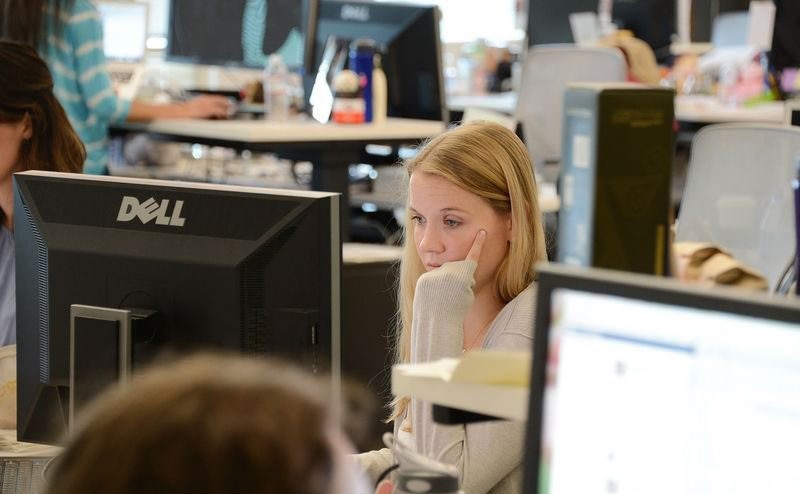
 AFP File Photo
| AFP File Photo
by Associated Press Oct 26, 2016 12:00 am
Progress in closing the global workplace gender gap is slowing dramatically, according to a World Economic Forum study, with a notable exception in Rwanda, a country still emerging from the aftermath of genocide that has become the world's leader on equal pay.

The Geneva-based body pushed back its projection for economic parity between women and men by 53 years after finding chronic imbalances in salaries and workforce representation had reversed the pace of progress since a peak in 2013. It now projects economic equality to be reached in 2186, another 170 years off.


"Progress towards parity in the key economic pillar has slowed dramatically with the gap now larger than at any point since 2008," WEF said when releasing its 2016 Global Gender Report on Wednesday.

Last year, women around the world earned just over half as much as their male counterparts despite working more hours, and participated in the labour market at two-thirds the rate of men, its authors found.

While high-income countries showed the narrowest gender gaps, low-income countries on average performed just as well as their upper-middle-income peers. Differences were more pronounced on a regional basis, with even high-income nations from the Middle East and North Africa scoring low.

Nordic countries once again topped the list -- with Iceland, Finland, Norway and Sweden ranked highest on gender equality.


Rwanda -- a low-income country -- moved up to fifth place, with more women than men in its labour force and the world's highest share of female members of parliament at 64 percent.

Rwandan women earned 88 cents to men's dollar for similar work, WEF said, making it the country with the highest degree wage equality.

While gender gaps in education as well as health and survival have nearly closed overall, the Swiss non-profit group said inequalities in economic participation and political empowerment remain "wide open" around the world. Women have less than a quarter the political representation attained by men and 59 percent of the economic participation and opportunity.

"The number of women in senior positions also remains stubbornly low, with only four countries in the world having equal numbers of male and female legislators, senior officials and managers, despite the fact that 95 countries now have as many - if not more - women educated at university level."

Each year the Geneva-based body gathers politicians and business executives at a week-long summit in the resort town of Davos. With a host of factors holding women back from top positions worldwide, WEF has said female representation in Davos remains too low.

This year just 18 percent of participants were women.
  • shortlink copied
  • Last Update: Oct 26, 2016 4:15 pm
    KEYWORDS
    business
    The Daily Sabah Newsletter
    Keep up to date with what’s happening in Turkey, it’s region and the world.
    You can unsubscribe at any time. By signing up you are agreeing to our Terms of Use and Privacy Policy. This site is protected by reCAPTCHA and the Google Privacy Policy and Terms of Service apply.

    No Image
    1,049 miles of ice and snow: Best of Iditarod 2022 Sled Dog Race
    PHOTOGALLERY
    • POLITICS
    • Diplomacy
    • Legislation
    • War On Terror
    • EU Affairs
    • News Analysis
    • TÜRKİYE
    • Istanbul
    • Education
    • Investigations
    • Minorities
    • Diaspora
    • World
    • Mid-East
    • Europe
    • Americas
    • Asia Pacific
    • Africa
    • Syrian Crisis
    • İslamophobia
    • Business
    • Automotive
    • Economy
    • Energy
    • Finance
    • Tourism
    • Tech
    • Defense
    • Transportation
    • News Analysis
    • Lifestyle
    • Health
    • Environment
    • Travel
    • Food
    • Fashion
    • Science
    • Religion
    • History
    • Feature
    • Expat Corner
    • Arts
    • Cinema
    • Music
    • Events
    • Portrait
    • Performing Arts
    • Reviews
    • Sports
    • Football
    • Basketball
    • Motorsports
    • Tennis
    • Opinion
    • Columns
    • Op-Ed
    • Reader's Corner
    • Editorial
    • Photo gallery
    • DS TV
    • Jobs
    • privacy
    • about us
    • contact us
    • RSS
    © Turkuvaz Haberleşme ve Yayıncılık 2021