Over 33 million individuals in the United States are currently driving vehicles equipped with airbag inflators that pose a potential fatality risk. These inflators have the rare possibility of exploding during a collision a releasing dangerous shrapnel.
And only a tiny fraction of drivers know it.
And because of a dispute between federal safety regulators and an airbag parts manufacturer, they aren't likely to find out anytime soon.
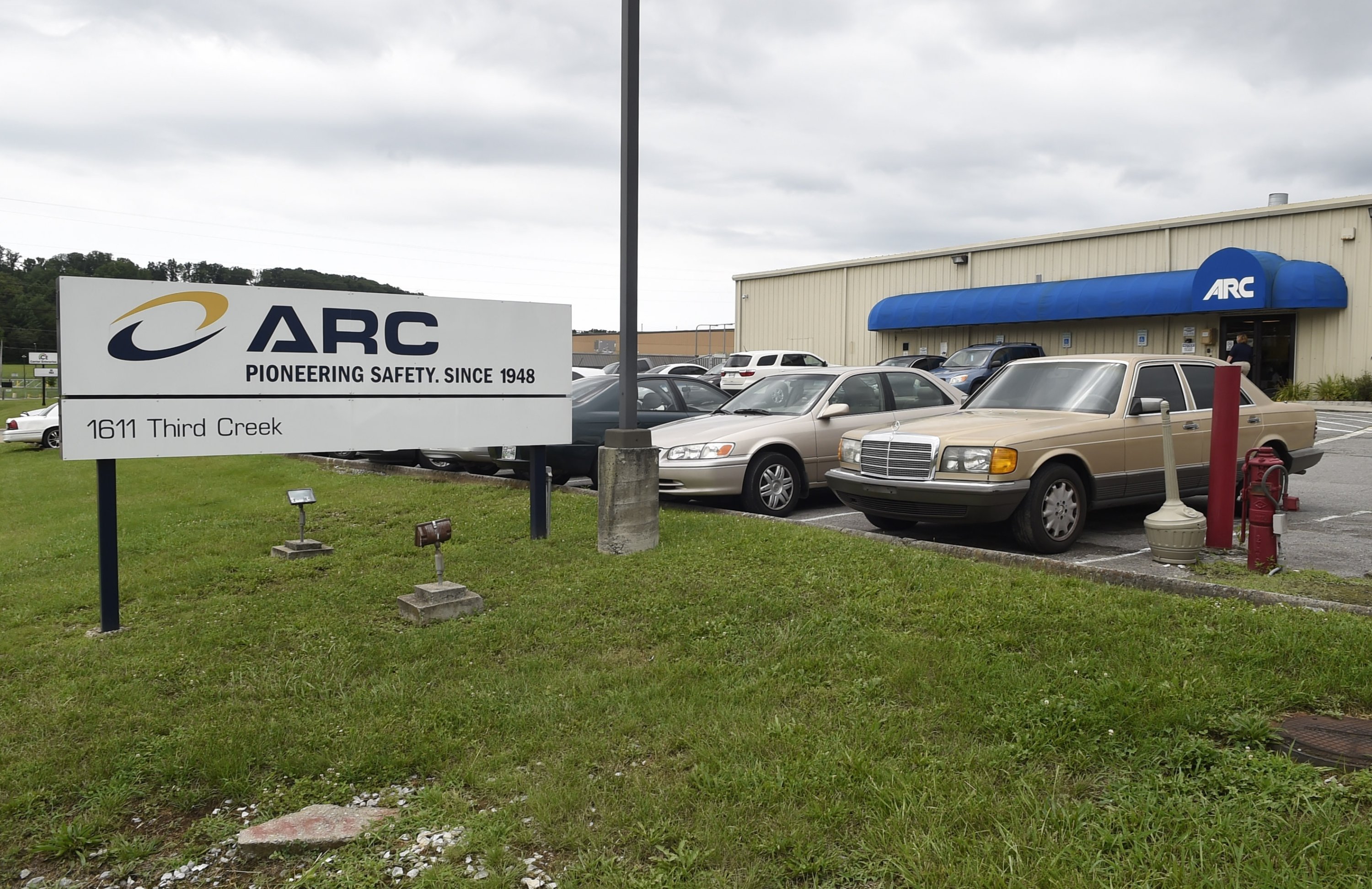
The National Highway Traffic Safety Administration (NHTSA) is demanding that the manufacturer, ARC Automotive of Knoxville, Tennessee, recall 67 million inflators that could explode with such force as to blow apart a metal canister and expel shrapnel. But ARC is refusing to do so, setting up a possible court fight with the agency.
NHTSA argues that the recall is justified because two people have been killed in the United States and Canada and at least seven others have been injured by ARC's inflators. The explosions, which first occurred in 2009, have continued as recently as this year.
After an investigation that lasted for eight years, NHTSA tentatively concluded that the inflators are defective. The agency's documents show that the inflators date from at least the 2002 model year to January 2018, when ARC installed equipment on its manufacturing lines that could detect potential safety problems.
One of those who died was Marlene Beaudoin, a 40-year-old mother of 10 from Michigan's Upper Peninsula who was struck by metal fragments when her 2015 Chevrolet Traverse SUV was involved in a minor crash in 2021. She and four of her sons had been on their way to get ice cream. The sons were not hurt.
ARC maintains that no safety defect exists, that NHTSA's demand is based on a hypothesis rather than technical conclusions and that the agency has no authority to order a parts manufacturer to carry out recalls, which ARC contends are the responsibility of automakers.
In a letter to NHTSA, ARC said no automaker had found a defect common to all 67 million inflators, and no root cause has been identified in the inflator ruptures.
"ARC believes they resulted from random 'one-off' manufacturing anomalies that were properly addressed by vehicle manufacturers through lot-specific recalls," the letter said.
In a statement, NHTSA indicated that both ARC and automakers are responsible for recalls and that it can seek a recall from a parts maker that supplies multiple automakers.
The next step is for NHTSA to issue a final ruling on whether the inflators are defective, then hold a public hearing. It potentially could take ARC to court to seek a recall order. NHTSA would not say when or whether any of this will happen.
In the meantime, owners of vehicles made by at least a dozen automakers – Chevrolet, Buick, GMC, Ford, Toyota, Stellantis, Volkswagen, Audi, BMW, Porsche, Hyundai and Kia – are left to wonder anxiously whether their vehicles contain driver or front passenger inflators made by ARC. (Some vehicles have ARC inflators on both sides.)
Because ARC supplies inflators that are included in other manufacturers' airbags, there's no easy way for vehicle owners to determine whether their inflators are made by ARC. Neither NHTSA nor ARC nor the automakers have released a full list of affected models.
The standoff with ARC has sent automakers struggling to find out just how many of their vehicles contain the inflators. The auto manufacturers are also asking NHTSA whether they must start doing recalls. Automakers know many of the models affected. But many say they're still gathering information from later model years to determine which vehicles contain the affected inflators.
"We are still investigating," said Maria Buczkowski, a spokesperson for Ford. "We have not had any ARC airbag inflators rupture in the field."
James Bell, a Kia spokesperson, said, "We do not have a final count on vehicles that were built with ARC inflators, but the team is collecting the data."
Toyota confirmed that some of its vehicles have ARC inflators but wouldn't comment further.
Other automakers said they were trying to find a cause and were working with the government or didn't respond to requests for information.
NHTSA contends that byproducts from welding during manufacturing can clog a vent inside the inflator canister that's designed to let gas escape to fill airbags quickly in a crash. Pressure can build to the point where the canister is blown apart.
Michael Brooks, executive director of the nonprofit Center for Auto Safety, called on NHTSA and the automakers to release a list of affected models.
"Customers, I think, have a right to know if there's a potential defect in their car, particularly if it's sitting a few inches from their chest and can explode," Brooks said.
The situation, he said, is reminiscent of the early stages of the Takata airbag inflator recalls in 2001. It took years for all the affected vehicle models to be announced.
Both ARC and Takata used ammonium nitrate to inflate airbags. Takata's situation was more dangerous, Brooks said, because, in its inflators, the chemical could deteriorate over time when exposed to high heat and humidity. Unlike Takata, ARC uses ammonium nitrate only as a secondary chemical to inflate airbags. ARC's problem appears to derive instead from a manufacturing defect.
From 2017 to 2022, the ARC problems triggered seven small recalls from automakers. On Friday, the same day NHTSA announced its action against ARC, General Motors announced the recall of nearly 1 million more.
The company said it's recalling certain 2014 through 2017 GMC Acadia, Chevy Traverse and Buick Enclave SUVs because the ARC inflators can explode. The recall came after GM was told this year that the driver'sairbagg ruptured in a 2017 Traverse. GM, which says it doesn't know what caused the inflator to explode, has hired an engineering firm to help investigate.
"We disagree with NHTSA's new sweeping request when extensive field testing has found no inherent defect," ARC said in a statement.
While the recall demand is being sorted out, Brooks of the Center for Auto Safety recommends that owners of vehicles from the 12 affected brands insist dealers disclose whether their particular vehicle contains an ARC inflator.
"The more customers who complain, the more pressure that puts on the manufacturers," he said.