Daily Sabah logo

Politics
Diplomacy Legislation War On Terror EU Affairs Elections News Analysis
TÜRKİYE
Istanbul Education Investigations Minorities Expat Corner Diaspora
World
Mid-East Europe Americas Asia Pacific Africa Syrian Crisis Islamophobia
Business
Automotive Economy Energy Finance Tourism Tech Defense Transportation News Analysis
Lifestyle
Health Environment Travel Food Fashion Science Religion History Feature Expat Corner
Arts
Cinema Music Events Portrait Reviews Performing Arts
Sports
Football Basketball Motorsports Tennis
Opinion
Columns Op-Ed Reader's Corner Editorial
PHOTO GALLERY
JOBS ABOUT US RSS PRIVACY CONTACT US
© Turkuvaz Haberleşme ve Yayıncılık 2026

Daily Sabah - Latest & Breaking News from Turkey | Istanbul

  • Politics
    • Diplomacy
    • Legislation
    • War On Terror
    • EU Affairs
    • Elections
    • News Analysis
  • TÜRKİYE
    • Istanbul
    • Education
    • Investigations
    • Minorities
    • Expat Corner
    • Diaspora
  • World
    • Mid-East
    • Europe
    • Americas
    • Asia Pacific
    • Africa
    • Syrian Crisis
    • Islamophobia
  • Business
    • Automotive
    • Economy
    • Energy
    • Finance
    • Tourism
    • Tech
    • Defense
    • Transportation
    • News Analysis
  • Lifestyle
    • Health
    • Environment
    • Travel
    • Food
    • Fashion
    • Science
    • Religion
    • History
    • Feature
    • Expat Corner
  • Arts
    • Cinema
    • Music
    • Events
    • Portrait
    • Reviews
    • Performing Arts
  • Sports
    • Football
    • Basketball
    • Motorsports
    • Tennis
  • Gallery
  • Opinion
    • Columns
    • Op-Ed
    • Reader's Corner
    • Editorial
  • TV
  • Business
  • Automotive
  • Economy
  • Energy
  • Finance
  • Tourism
  • Tech
  • Defense
  • Transportation
  • News Analysis

EU's industrial divide: 'Made in Europe' or 'Made with Europe'

by Agence France-Presse - AFP

BRUSSELS, Belgium Feb 17, 2026 - 11:51 am GMT+3
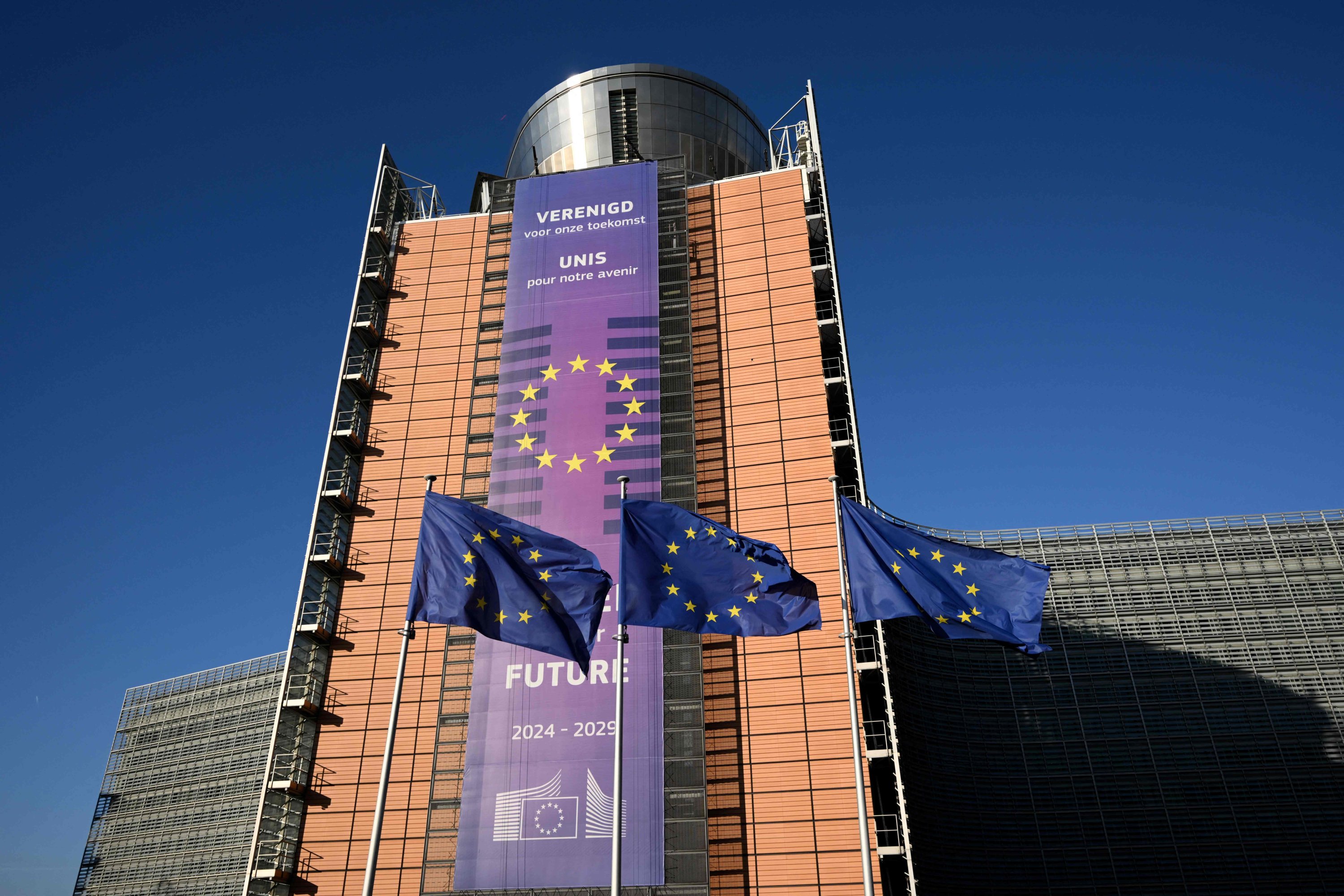
An outside view of the Berlaymont building, the European Commission headquarters, Brussels, Belgium, Dec. 15, 2025. (AFP Photo)
by Agence France-Presse - AFP Feb 17, 2026 11:51 am

There is broad agreement that the European Union must step in to support its struggling industries, but member states are divided on how aggressively the bloc should pursue a "Buy European" strategy to achieve that goal.

The European Commission, the EU's executive arm, will next week propose new rules that are expected to include a requirement for companies in strategic sectors to produce in Europe if they want to receive public money.

But the definition of "European preference" has triggered debate, with calls especially from France for more "Made in Europe," while other bloc states, such as Germany, call for "Made with Europe."

Protecting Europe or European protectionism?

French President Emmanuel Macron insisted the new rules would be about "protecting our industry" without "being protectionist," by defending "certain strategic sectors, such as cleantech, chemicals, steel, cars or defense."

Otherwise, he warned, "Europeans will be swept aside."

But other EU countries, which are proponents of free trade, oppose the plans.

Swedish Prime Minister Ulf Kristersson said Europe should compete based on quality and innovation, not because it wanted to protect European markets.

"We do not want to protect European businesses that are basically not competitive," Kristersson told the Financial Times newspaper last week.

But EU leaders during talks on Thursday appeared to reach a consensus on the issue, pushing for the measure in certain specific sectors since they say Europe faces unfair competition from China and other countries.

"We are in favor of open markets," German Finance Minister Lars Klingbeil said Monday. "But I also want to be very clear: if China changes the rules of the game, if we are confronted with overcapacity, subsidies, and the fact that markets in Europe are flooded, then Europe must defend itself."

In Europe or with Europe?

Supporters want "Made in Europe" to be strictly defined, and only for industrial goods made from components manufactured in the European Economic Area, made of the EU's 27 states as well as Iceland, Liechtenstein and Norway.

Critics say this definition would be too restrictive and instead call for a more flexible measure, like Germany's Merz, who calls for "Made with Europe" not "Made in Europe."

They also argue it would be difficult to apply in practice and risks destabilizing European supply chains.

"Typically, even a vehicle assembled in Europe incorporates hundreds of specialized components sourced from all over the world. Many critical inputs cannot be competitively produced at scale in Europe," Japanese carmaker Honda said.

Britain and Türkiye, for whom the EU is an important trading partner, have also privately expressed concern to Brussels about keeping their countries out.

Some EU capitals are worried about potential retaliatory measures from supplier countries, which would drag Europe into showdowns at a moment when it needs to strengthen its exports.

What will the rules look like?

The EU executive insists it has balanced the need to be open and protect firms.

The measure will be "targeted in three ways," said the office of EU industry chief Stephane Sejourne – who is spearheading the push.

It will affect:

  • A limited number of critical components
  • A limited number of strategic sectors
  • Only when public funding is involved.

The final proposal, which will be announced on Feb. 25, could end up only touching a handful of sectors: the auto industry and those playing an essential role in the green transition and confronted by what the EU says is unfair Chinese competition, such as solar panels, wind turbines and batteries.

Sejourne's office insisted companies producing in the EU would be considered European and there would be "reciprocal commitments" with trusted partners.

A draft document seen by the Agence France-Presse (AFP) says products made in countries outside the EU with rules similar to the bloc will be treated like those made in Europe.

Non-EU countries, however, remain watchful until the real proposal lands.

For example, there are still many unknowns, including what the percentages of European or equivalent components will be required from manufacturers if they wish to continue accessing public money.


  • shortlink copied
  • Last Update: Feb 17, 2026 2:50 pm
    KEYWORDS
    european economy europe european union industry manufacturing economy made in europe european commission
    The Daily Sabah Newsletter
    Keep up to date with what’s happening in Turkey, it’s region and the world.
    You can unsubscribe at any time. By signing up you are agreeing to our Terms of Use and Privacy Policy. This site is protected by reCAPTCHA and the Google Privacy Policy and Terms of Service apply.
    No Image
    Eruptions, demonstrations and sorrow: Top pictures of the week
    PHOTOGALLERY
    • POLITICS
    • Diplomacy
    • Legislation
    • War On Terror
    • EU Affairs
    • News Analysis
    • TÜRKİYE
    • Istanbul
    • Education
    • Investigations
    • Minorities
    • Diaspora
    • World
    • Mid-East
    • Europe
    • Americas
    • Asia Pacific
    • Africa
    • Syrian Crisis
    • İslamophobia
    • Business
    • Automotive
    • Economy
    • Energy
    • Finance
    • Tourism
    • Tech
    • Defense
    • Transportation
    • News Analysis
    • Lifestyle
    • Health
    • Environment
    • Travel
    • Food
    • Fashion
    • Science
    • Religion
    • History
    • Feature
    • Expat Corner
    • Arts
    • Cinema
    • Music
    • Events
    • Portrait
    • Performing Arts
    • Reviews
    • Sports
    • Football
    • Basketball
    • Motorsports
    • Tennis
    • Opinion
    • Columns
    • Op-Ed
    • Reader's Corner
    • Editorial
    • Photo gallery
    • DS TV
    • Jobs
    • privacy
    • about us
    • contact us
    • RSS
    © Turkuvaz Haberleşme ve Yayıncılık 2021