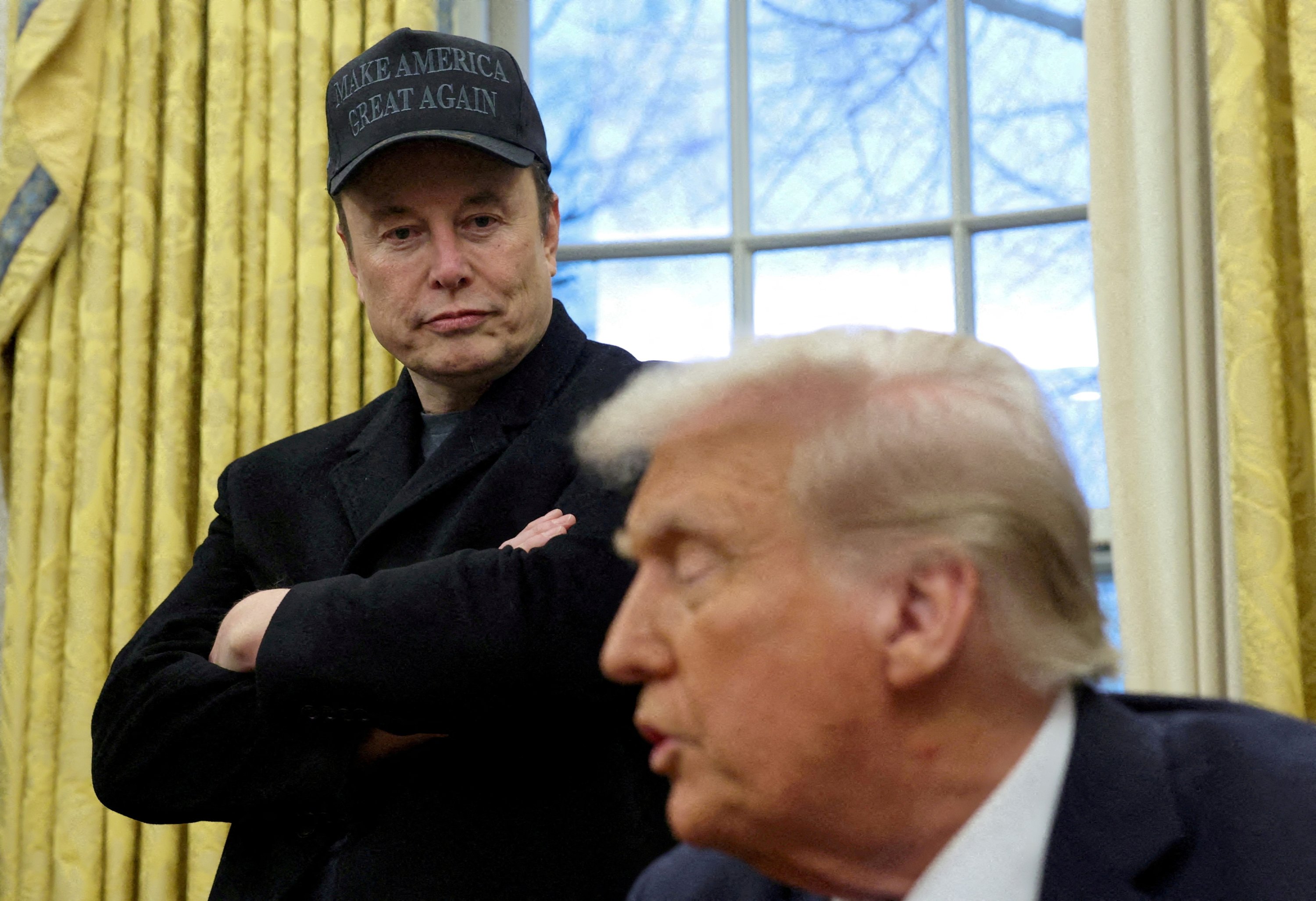
Tech billionaire and Tesla CEO Elon Musk made direct appeals to U.S. President Donald Trump to reverse tariffs over the past weekend, but ultimately failed to change his mind, the Washington Post reported on Monday citing two people familiar with the matter.
The exchange marks the highest-profile disagreement between the president and his government adviser, the report said. It follows Trump's unveiling of a 10% baseline tariff on all imports to the U.S. along with higher duties on dozens of other countries.
Trump doubled down on his plans and threatened to impose an additional 50% tariff on imports from China, on top of the 34% ones he announced last week.
The Post quoted White House spokesperson Karoline Leavitt as saying in a statement that Trump "put together a remarkable team of highly talented and experienced individuals who bring different ideas to the table, knowing that President Trump is the ultimate decision maker."
"When he makes a decision everyone rows in the same direction to execute," Leavitt added.
While Musk also criticized Trump's economic advisor Peter Navarro on social media platform X and reposted a video of late conservative economist Milton Friedman praising free trade, his brother Kimbal slammed the tariffs, calling them a "permanent tax" on U.S. consumers.
Musk, a Trump adviser who has been working to eliminate wasteful U.S. public spending, called for zero tariffs between the U.S. and Europe during a virtual interaction at a congress in Florence of Italy's right-wing, co-ruling League Party over the weekend.
Tesla has seen its quarterly sales drop sharply amid a backlash against Musk's work with the Department of Government Efficiency, or DOGE, to restructure the state apparatus.
The company's shares traded at $233.29 as of the last close on Monday, down over 42% since the beginning of the year.
Musk has previously said that the impact of Trump's auto tariffs on Tesla is "significant."
Economists say the tariffs could reignite inflation, raise the risk of a U.S. recession and boost costs for the average U.S. family by thousands of dollars – a potential liability for a president who campaigned on a promise to bring down the cost of living.