Oil and natural gas prices jumped on Monday as Israeli and U.S. strikes on Iran and retaliation by Tehran led to shutdowns of oil and gas facilities across the Middle East, including in major producers Saudi Arabia and Iraq, while also disrupting shipping in the crucial Strait of Hormuz.
A sustained rise in oil prices would threaten a global economic recovery, reignite inflation and could push up U.S. retail gasoline prices, a risky result for U.S. President Donald Trump and his Republican Party ahead of the midterm elections this November.
Brent crude futures rose as much as 13% to $82.37 a barrel, their highest since January 2025, before retreating to trade up $5.56, or 7.6%, at $78.43 a barrel by 10:55 a.m. GMT.
U.S. West Texas Intermediate crude climbed to an intraday high of $75.33, up more than 12% and its highest since June, though it later pared gains and was up $4.80, or 7.2%, at $71.82.
"The latest move reflects uncertainty around the scale and duration of the current conflict and recognises that Iran's political future may have major implications for the stability of the Middle East," said James Hosie of Shore Capital.
Oil's surge on the restart of trading after the weekend, however, was less than expected.
On Sunday, some analysts had predicted that oil would open at more than $90 a barrel and closer to $100.
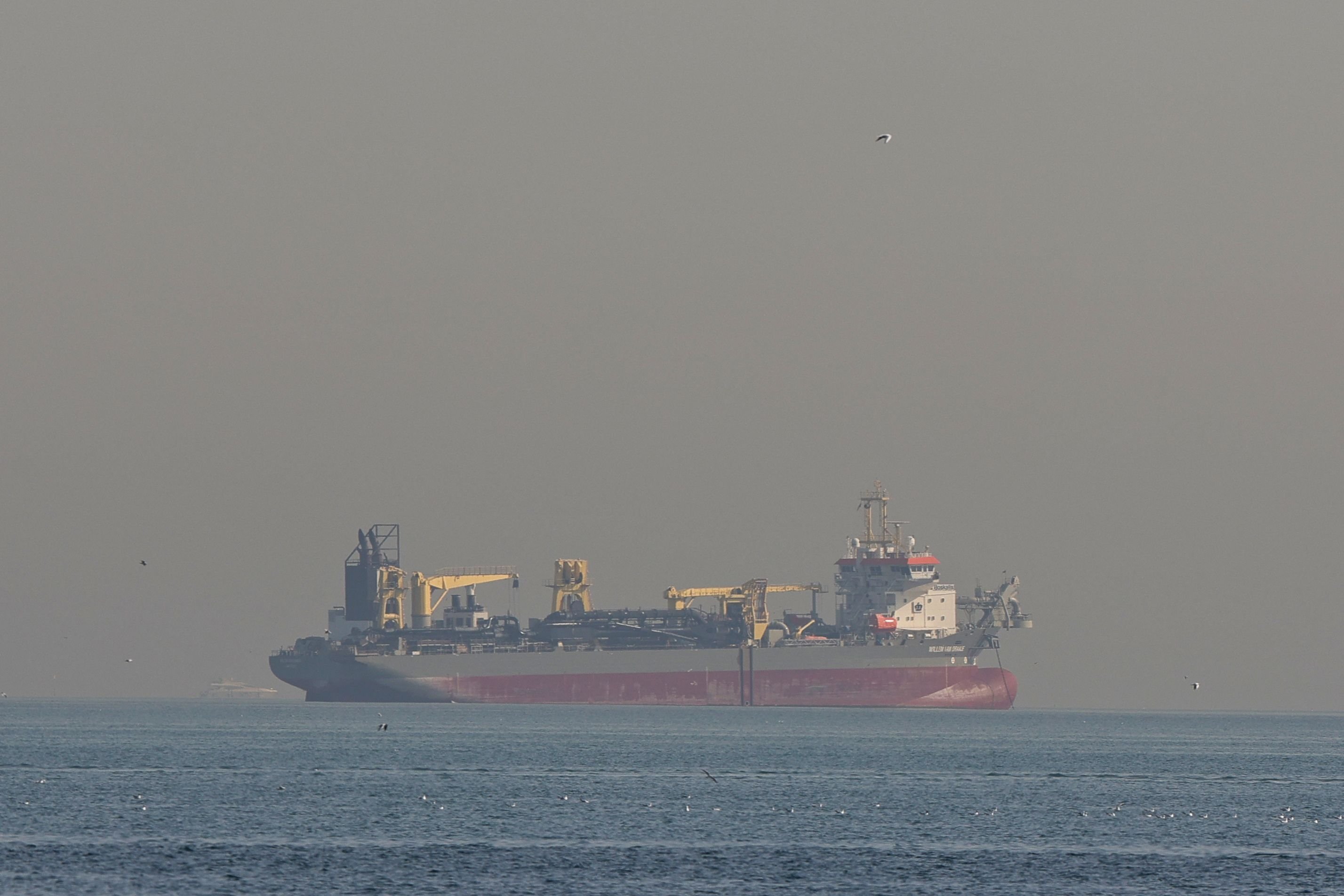
Saudi Arabia shut its biggest domestic oil refinery after a drone strike, a source said, and the widening conflict also left at least three tankers damaged, a seafarer killed and 150 ships stranded around the Strait of Hormuz.
On a typical day, ships carrying oil equal to about one-fifth of global demand sail through the strait along with tankers hauling diesel, gasoline and other fuels to major Asian markets including China and India.
The waterway is also the route for about 20% of the world's liquefied gas.
The Dutch front-month contract at the TTF hub, the benchmark European price, rose more than 25% in the morning. By 10:10 GMT, it eased a little to 38.80 euros/MWh or $13.30 /mmBtu, a 21% rise from Friday's close.
Oil pared gains after its steep surge in early Asian trade, a move that analysts attributed to buyers already factoring a risk premium into prices in anticipation of the conflict.
Brent had risen over 19% this year until Friday's close, while WTI was trading about 17% higher.
"Markets are acknowledging the seriousness of the conflict, but are also signalling that, for now, this is a geopolitical shock, not a systemic crisis," said Priyanka Sachdeva, senior analyst at Phillip Nova.
OPEC+ bloc, consisting of the Organization of Petroleum Exporting Countries (OPEC) plus other major oil producers, agreed on Sunday to an oil output boost of 206,000 barrels per day for April.
Every OPEC+ producer is essentially producing at capacity except for Saudi Arabia, RBC Capital analyst Helima Croft said.
The International Energy Agency (IEA) is in touch with major producers in the Middle East, director Fatih Birol said on Sunday.
The energy watchdog coordinates the release of strategic petroleum reserves from developed countries during emergencies.
Globally, visible oil inventories stood at 7.827 million barrels, enough for 74 days of demand, which is near a historical median, Goldman Sachs wrote in a note.
Citi analysts expect Brent to trade between $80 and $90 a barrel this week amid the ongoing conflict.
"Our baseline view is that the Iranian leadership changes, or that the regime changes sufficiently as to stop the war within 1-2 weeks, or the U.S. decides to de-escalate having seen a change in leadership and set back Iran's missiles and nuclear program over the same timeframe," Citi analysts led by Max Layton wrote.
Analysts are also warning retail gasoline prices in the U.S., the world's biggest fuel consumer, may break above $3 a gallon because of the conflict.
U.S. gasoline futures surged by as much as 9.1% to $2.496 a gallon, their highest since July 2024, and were last up 4.6%.