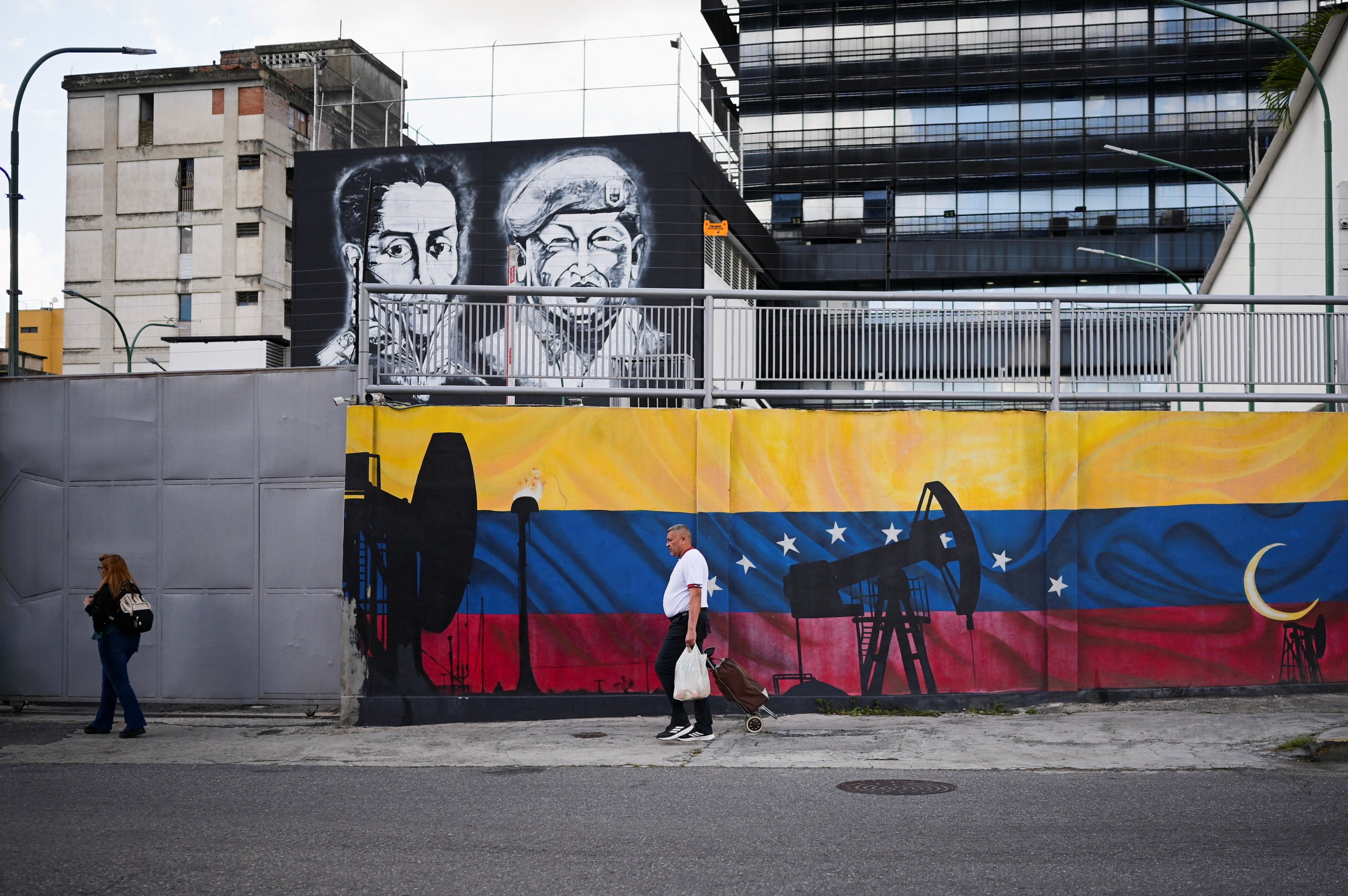
Venezuelan lawmakers on Thursday offered preliminary approval to proposals that would loosen state control and open the vast oil industry to private investment, clearing a path for U.S. energy companies to return, a key demand of President Donald Trump.
Less than three weeks after the U.S. ouster of Nicolas Maduro, MPs endorsed on first reading a bill allowing private companies to independently engage in oil exploration and extraction.
If adopted, the bill would roll back decades of state controls over Venezuela's oil sector, which were tightened by Maduro's late mentor, socialist firebrand Hugo Chavez, in the mid-2000s.
The bill has been promoted by Maduro's former deputy, acting President Delcy Rodriguez, who has overseen a lightning-fast thaw in ties with Washington since taking the helm.
In another sign of the speed of the changes unfolding in Caracas, the United States confirmed Thursday it had named a new head for its mission in Venezuela.
The U.S. embassy page listed Laura F. Dogu – a former ambassador to Nicaragua and Honduras – as the new charge d'affaires to Venezuela, in what was seen as another step toward the restoration of full diplomatic ties.
Following the U.S. capture of Maduro earlier this month, the Trump administration ramped up pressure on Rodriguez and other allies of the ousted leader to invite greater investment from U.S. energy companies in Venezuela's flagging oil industry.
A draft of the proposed legislation, a copy of which was seen by The Associated Press (AP) and Reuters, represents a sharp turn away from the resource nationalism of Chavez, who accused multinationals of colonial exploitation and considered the country's oil wealth to be state property.
In apparent response to demands from U.S. oil executives, the proposed legislation would allow private companies to independently operate oil fields, market their own crude output and collect the cash revenues despite remaining, on paper, minority partners to the state oil company.
"The operating company shall assume the comprehensive management of the execution of the activities, at its sole cost, expense and risk," the draft says, adding that portions of production volumes "may be directly commercialized by the operating company, once governmental obligations have been fulfilled."
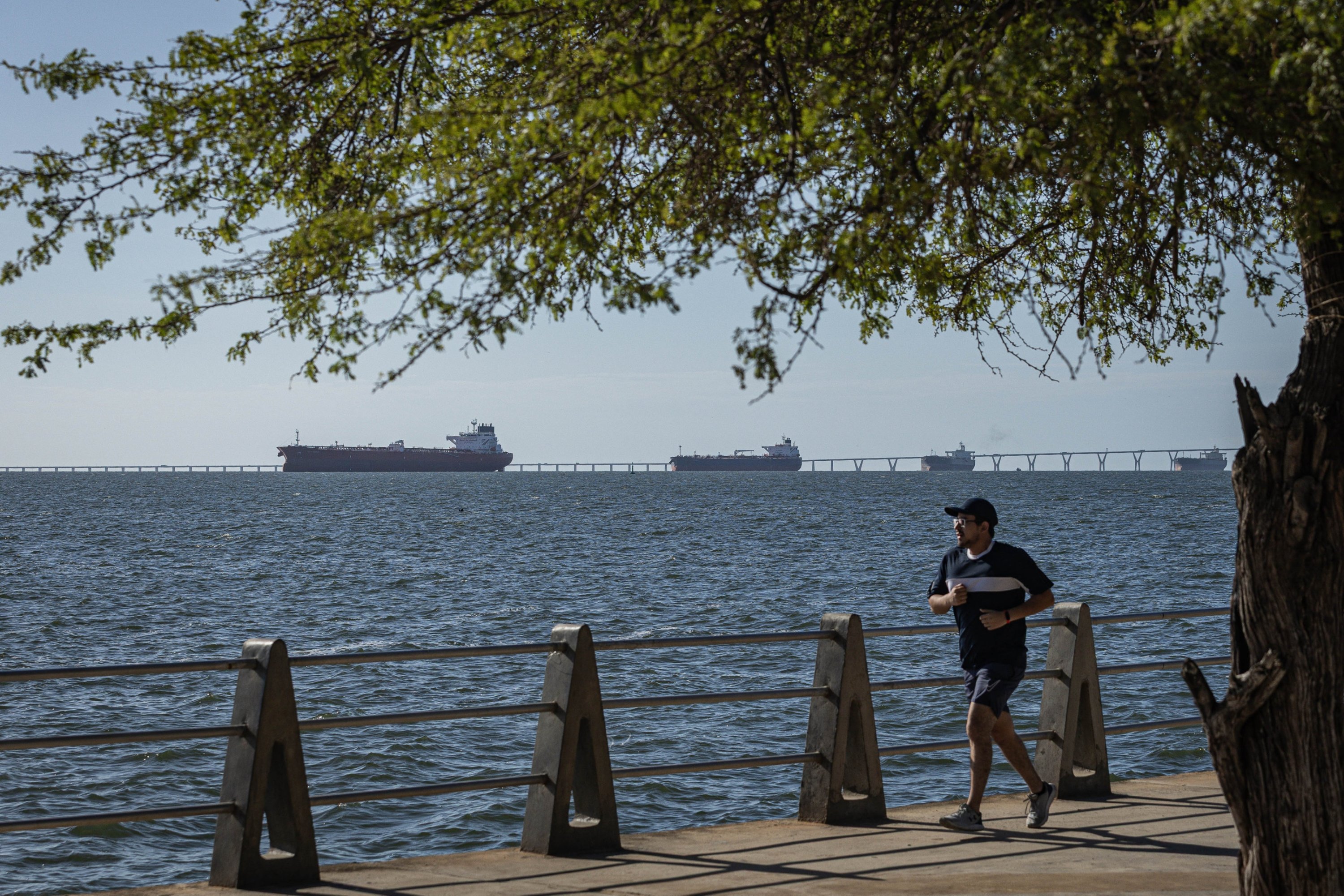
Crucially, the bill also would let companies settle legal disputes through arbitration in international courts rather than only local courts.
The legislation also would keep the current 30% royalty rate, but let the government cut royalties and taxes to as low as 15% for expensive or hard-to-develop oil projects, so that companies would be more willing to invest.
The president of Venezuela's National Assembly and the acting president's brother, Jorge Rodriguez, told lawmakers at the start of Thursday's debate that the bill aims to "allow an accelerated increase in production" of oil in Venezuela.
"Oil under the ground is useless," he said, referring to the need to boost oil production and open up new exploration opportunities.
Pushed by Rodriguez, the bill is expected to advance swiftly through the ruling party-dominated legislature. Lawmakers concluded the initial discussion of the bill on Thursday after around two hours and advanced the legislation to a second round of debate, yet to be scheduled.
During the session, Orlando Camacho, a lawmaker and head of Venezuela's national Fedeindustria business association, told the assembly that the bill would ensure that Venezuela's oil industry "remains the engine of the country."
The proposed legal guarantees – ensuring that foreign companies can bring claims against Venezuela before international bodies – are necessary to attract private investment, he said.
Even as Trump looks to lure American companies to reboot Venezuela's oil sector, many remain concerned about the financial and legal risks of pouring billions of dollars into the country.
Plenty of investors have been burned before, their assets seized as Chavez nationalized parts of Venezuela's lucrative oil industry in 2007. Firms like Exxon have been trying to get the Venezuelan government to compensate them for their billions of dollars in losses ever since, to no avail.
The current political uncertainty also worries investors.
There is no timeline for holding democratic elections in Venezuela after Maduro's ouster as Rodriguez, long Maduro's loyal second in command, seeks to consolidate control.
The Trump administration also hasn't said when it will lift the crippling sanctions imposed to weaken Maduro's government, which further restrict foreign operations in the country's oil sector.