Daily Sabah logo

Politics
Diplomacy Legislation War On Terror EU Affairs Elections News Analysis
TÜRKİYE
Istanbul Education Investigations Minorities Expat Corner Diaspora
World
Mid-East Europe Americas Asia Pacific Africa Syrian Crisis Islamophobia
Business
Automotive Economy Energy Finance Tourism Tech Defense Transportation News Analysis
Lifestyle
Health Environment Travel Food Fashion Science Religion History Feature Expat Corner
Arts
Cinema Music Events Portrait Reviews Performing Arts
Sports
Football Basketball Motorsports Tennis
Opinion
Columns Op-Ed Reader's Corner Editorial
PHOTO GALLERY
JOBS ABOUT US RSS PRIVACY CONTACT US
© Turkuvaz Haberleşme ve Yayıncılık 2026

Daily Sabah - Latest & Breaking News from Turkey | Istanbul

  • Politics
    • Diplomacy
    • Legislation
    • War On Terror
    • EU Affairs
    • Elections
    • News Analysis
  • TÜRKİYE
    • Istanbul
    • Education
    • Investigations
    • Minorities
    • Expat Corner
    • Diaspora
  • World
    • Mid-East
    • Europe
    • Americas
    • Asia Pacific
    • Africa
    • Syrian Crisis
    • Islamophobia
  • Business
    • Automotive
    • Economy
    • Energy
    • Finance
    • Tourism
    • Tech
    • Defense
    • Transportation
    • News Analysis
  • Lifestyle
    • Health
    • Environment
    • Travel
    • Food
    • Fashion
    • Science
    • Religion
    • History
    • Feature
    • Expat Corner
  • Arts
    • Cinema
    • Music
    • Events
    • Portrait
    • Reviews
    • Performing Arts
  • Sports
    • Football
    • Basketball
    • Motorsports
    • Tennis
  • Gallery
  • Opinion
    • Columns
    • Op-Ed
    • Reader's Corner
    • Editorial
  • TV
  • Business
  • Automotive
  • Economy
  • Energy
  • Finance
  • Tourism
  • Tech
  • Defense
  • Transportation
  • News Analysis

World faces energy crisis worse than 1970s oil shocks: IEA

by Agencies

ISTANBUL Mar 23, 2026 - 9:20 am GMT+3
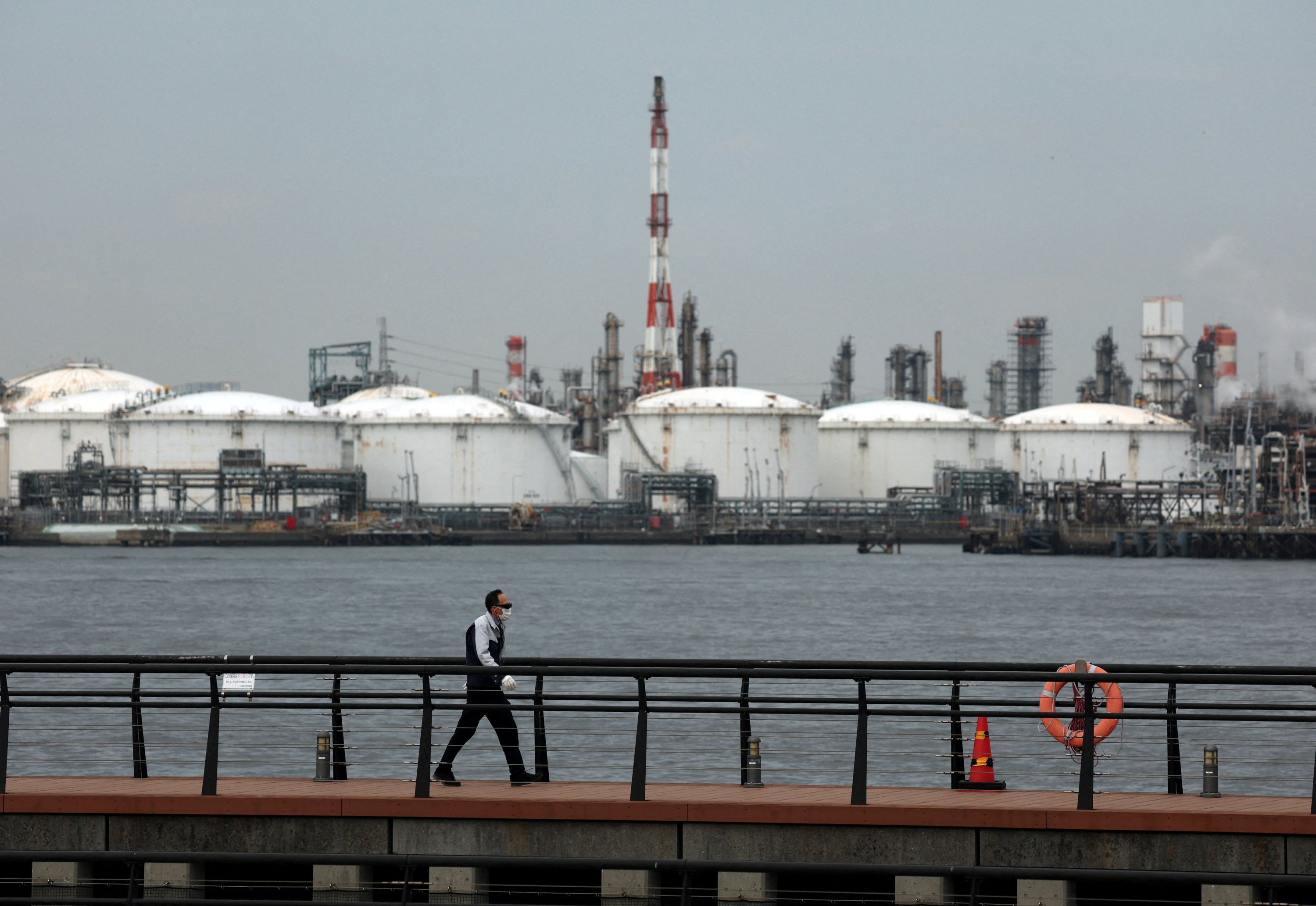
An oil refinery in the Keihin Industrial Zone in Kawasaki, south of Tokyo, Japan, March 17, 2026. (Reuters Photo)
by Agencies Mar 23, 2026 9:20 am

The world faces an energy crisis worse than both 1970s oil shocks combined if the Middle East war drags on, the head of the International Energy Agency warned Monday, as Israel launched fresh strikes on Tehran and threatened weeks more fighting.

As the war grinds into its fourth week, U.S. President Donald Trump threatened to "obliterate" Iranian power plants if Iran failed to reopen the Strait of Hormuz within 48 hours – setting an effective deadline of 11:44 p.m. GMT Monday.

Tehran has retaliated against U.S.-Israeli assaults by throttling traffic in the vital waterway, conduit for a fifth of global crude oil, hitting energy sites and U.S. embassies across the Gulf as well as firing missiles and drones at Israel.

The Islamic republic issued a firm response to the new ultimatum, with powerful parliament speaker Mohammad Bagher Ghalibaf vowing vital infrastructure across the region will be "irreversibly destroyed" if Trump acts on his threat.

In a stark warning over what lies ahead unless the fighting ends soon, IEA chief Fatih Birol said the world was losing more oil each day than the combined impact of both 1970s oil shocks and Russia's invasion of Ukraine.

"This crisis, as things stand, is now two oil crises and one gas crash put all together," Birol said.
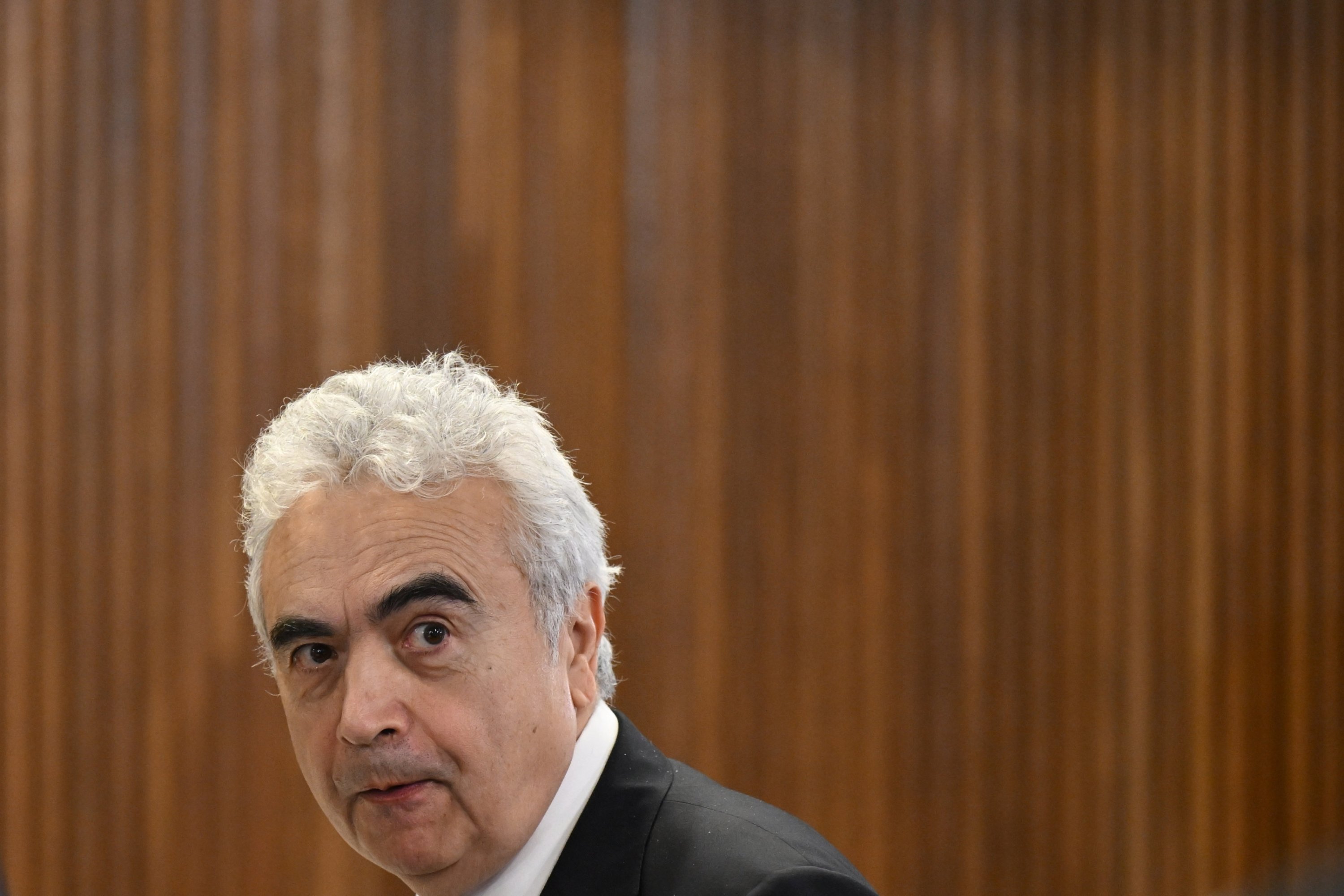
International Energy Agency (IEA) Executive Director Dr. Fatih Birol arrives to address the National Press Club in Canberra, Australia, March 23, 2026. (EPA Photo)

"No country will be immune to the effects of this crisis if it continues to go in this direction."

At least 40 energy assets across the oil- and gas-exporting region have already been "severely or very severely damaged," Birol also said, with oil prices driven above $100 a barrel over supply fears.

In recent days, Iran has allowed a handful of vessels from countries it considers friendly to pass through the Strait of Hormuz, but warned it would block ships from nations joining the "aggression" against it.

Oil prices rose again on Monday while stocks tumbled after Trump and Iranian leaders traded threats – and Israel said the Middle East war could last several more weeks.

Further sign of the real-world impact far beyond the region, a major Cambodian energy supplier said it would halt sales of liquefied petroleum gas due to war-linked supply disruptions.

Birol added that he was consulting with governments in Europe and Asia about the prospect of releasing further stockpiled oil.

IEA prepared to release more oil 'if necessary'

"If it is ​necessary, of course, we will do it. We look ​at the ⁠conditions, we will analyse, assess the markets and discuss with our member countries," Birol told the National Press Club in Canberra, at the start of a world tour.

IEA member nations agreed on March 11 to release a record 400 million barrels of oil from strategic stockpiles to combat the spike in global crude prices. The drawdown represented 20% of the overall stocks.

There would not be a specific crude price level to trigger another release, Birol said.

"A stock release will help to comfort the markets, but this is not the solution. It will only help to reduce the pain ⁠in ⁠the economy."

The IEA chief began his world tour in Canberra, as the Asia Pacific is at the forefront of the oil crisis, he said, given its reliance on oil and other crucial products like fertiliser and helium transiting the Strait of Hormuz.

After meeting Australian Prime Minister Anthony Albanese, Birol will travel to Japan later this week before a Group of Seven (G-7) meeting.

He described the crisis in the Middle East as "very severe" and worse than the two oil shocks of the 1970s, ⁠as well as the impact of the Russia-Ukraine war on gas, put together. The war on Iran had taken 11 million barrels of oil per day from global supply, more than the two prior ​oil shocks combined.

"The single most important solution to this problem is opening the Hormuz Strait," ​he said.

"The depth of the problem was not well appreciated by the decision makers around the world," he said of his decision to begin speaking ⁠publicly three ‌weeks into ‌the war.

Stockpile drawdowns are only a portion of what ⁠the IEA could do, he said.

  • shortlink copied
  • Last Update: Mar 23, 2026 2:22 pm
    KEYWORDS
    energy iran war iea global economy energy crisis
    The Daily Sabah Newsletter
    Keep up to date with what’s happening in Turkey, it’s region and the world.
    You can unsubscribe at any time. By signing up you are agreeing to our Terms of Use and Privacy Policy. This site is protected by reCAPTCHA and the Google Privacy Policy and Terms of Service apply.
    Pamukkale, Turkey
    20 places that look out of this world
    PHOTOGALLERY
    • POLITICS
    • Diplomacy
    • Legislation
    • War On Terror
    • EU Affairs
    • News Analysis
    • TÜRKİYE
    • Istanbul
    • Education
    • Investigations
    • Minorities
    • Diaspora
    • World
    • Mid-East
    • Europe
    • Americas
    • Asia Pacific
    • Africa
    • Syrian Crisis
    • İslamophobia
    • Business
    • Automotive
    • Economy
    • Energy
    • Finance
    • Tourism
    • Tech
    • Defense
    • Transportation
    • News Analysis
    • Lifestyle
    • Health
    • Environment
    • Travel
    • Food
    • Fashion
    • Science
    • Religion
    • History
    • Feature
    • Expat Corner
    • Arts
    • Cinema
    • Music
    • Events
    • Portrait
    • Performing Arts
    • Reviews
    • Sports
    • Football
    • Basketball
    • Motorsports
    • Tennis
    • Opinion
    • Columns
    • Op-Ed
    • Reader's Corner
    • Editorial
    • Photo gallery
    • DS TV
    • Jobs
    • privacy
    • about us
    • contact us
    • RSS
    © Turkuvaz Haberleşme ve Yayıncılık 2021