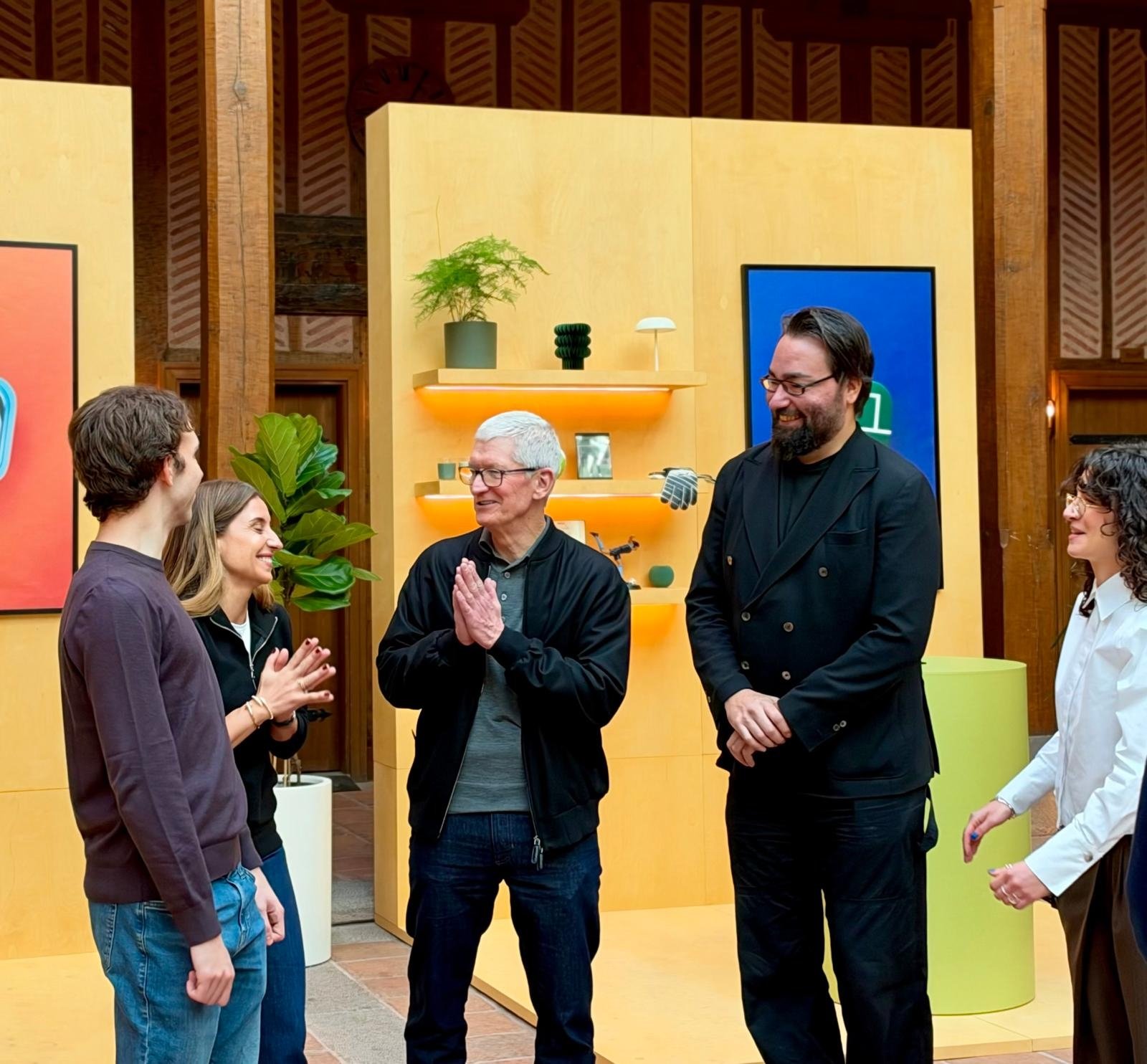
This week's visit by Tim Cook, executive chair of Apple's board of directors, to Ankara was more than a protocol visit for the tech world.
Cook met four entrepreneurs and developers from Türkiye's software and gaming ecosystem. The room held four people from different fields, different ages and different scales: Rina Onur Şirinoğlu, representing the mobile game company Spyke; Eray Dinç, with Penalty Area, a game he built for the iPhone Duo; Ipek Erten, developer of Kreo, which enables creative coding with Swift; and Can Balkaya, founder of Codz, who has already earned export revenue despite his young age.
Heard separately, the four presentations were four distinct product stories. Placed side by side, they formed a summary of where Türkiye's production ecosystem stands today.
On one side was a puzzle game studio that has reached U.S. charts in one of the world's most competitive categories. On the other were a director-designer who turned a phone's physical form into part of the game, a tool that brings code closer to the language of artists, and a young entrepreneur who started with his first earnings from YouTube at age 12 and is now building his own Mac app to manage AI agents.
What they all had in common was that they almost never uttered the phrase "going global from Türkiye." For these entrepreneurs, the problem was not expanding abroad. Designing the product for a global audience from the very start was their starting point. This perspective is perhaps the clearest sign of the shift in mindset the ecosystem has undergone in recent years.
Another prominent topic in the meeting was the developer academies Apple will open in Türkiye and the Developer Center in Istanbul. On paper, these structures look like education and support infrastructure, but what the entrepreneurs described shows that the expectation is far more concrete. They want direct access to experts, mentorship and an environment where they can get feedback.
Below you can find the four entrepreneurs' answers to similar questions, first their common ground, then one by one.
Rina Onur Şirinoğlu, Spyke
Hundreds of new games are released in the puzzle category every day. You have to grab the player instantly, keep them for a long time, and do it with a sustainable economy.
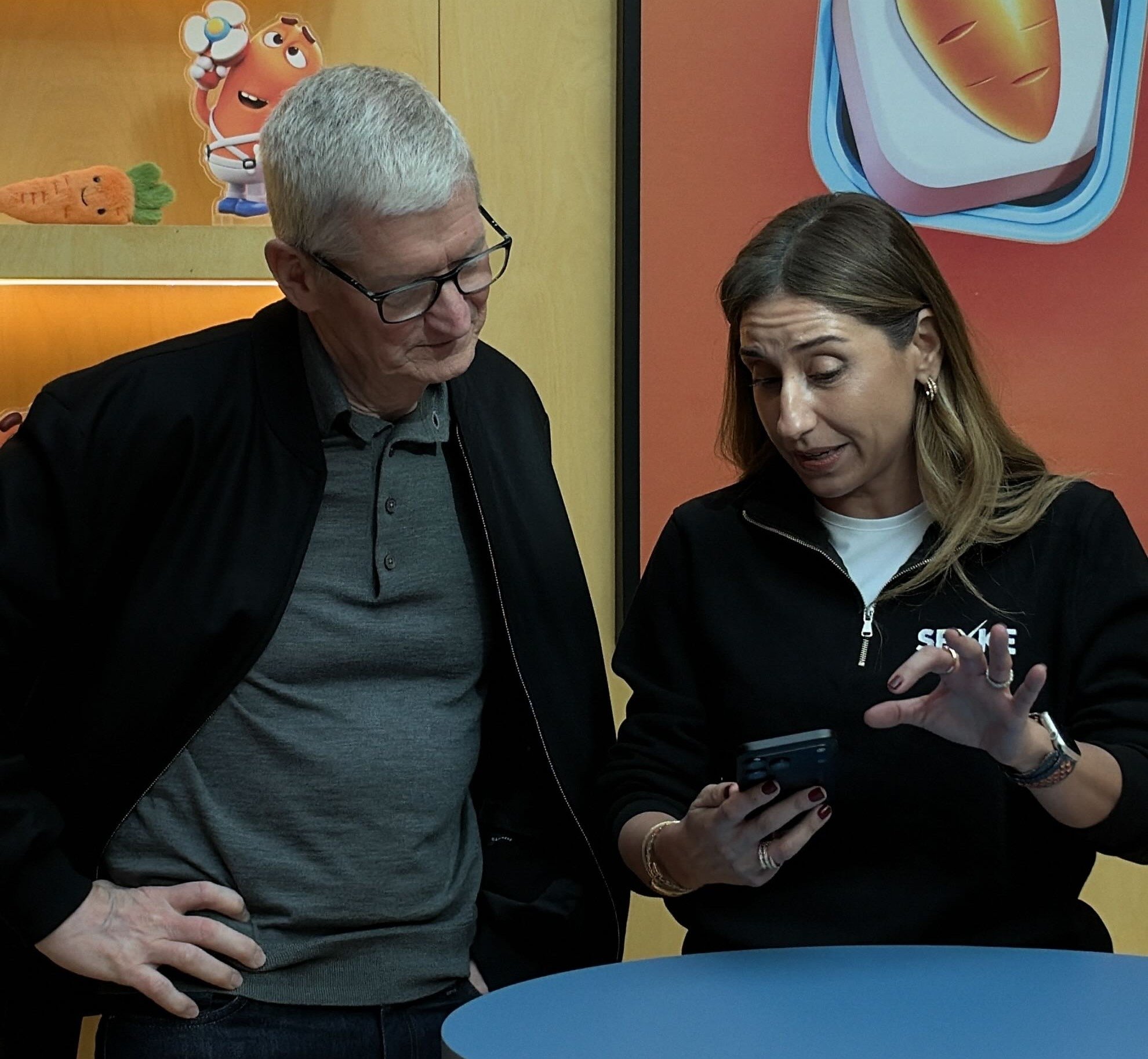
The U.S. is one of the most important markets: user acquisition costs are high, but so is revenue per player. Canada, the U.K., Japan, South Korea and developed European markets are also important.
Markets are evaluated not only by cost and revenue, but by the value a player creates over time.
Payments and taxes are manageable. She says the real challenge is building the right team and a culture unafraid of making mistakes.
After Yarn Loop, Cube Smash and Knock Out also made it among the most downloaded games in the U.S.
She summarizes the company's three-year goal as becoming one of the world's most important mobile game companies. She says what is needed most is talent.
KUTU 2
Eray Dinç, Penalty Area
The game drew interest in the U.S. as well as in Türkiye. Being featured in Apple's game selection for the iPhone Duo made it easier to reach players in other countries.
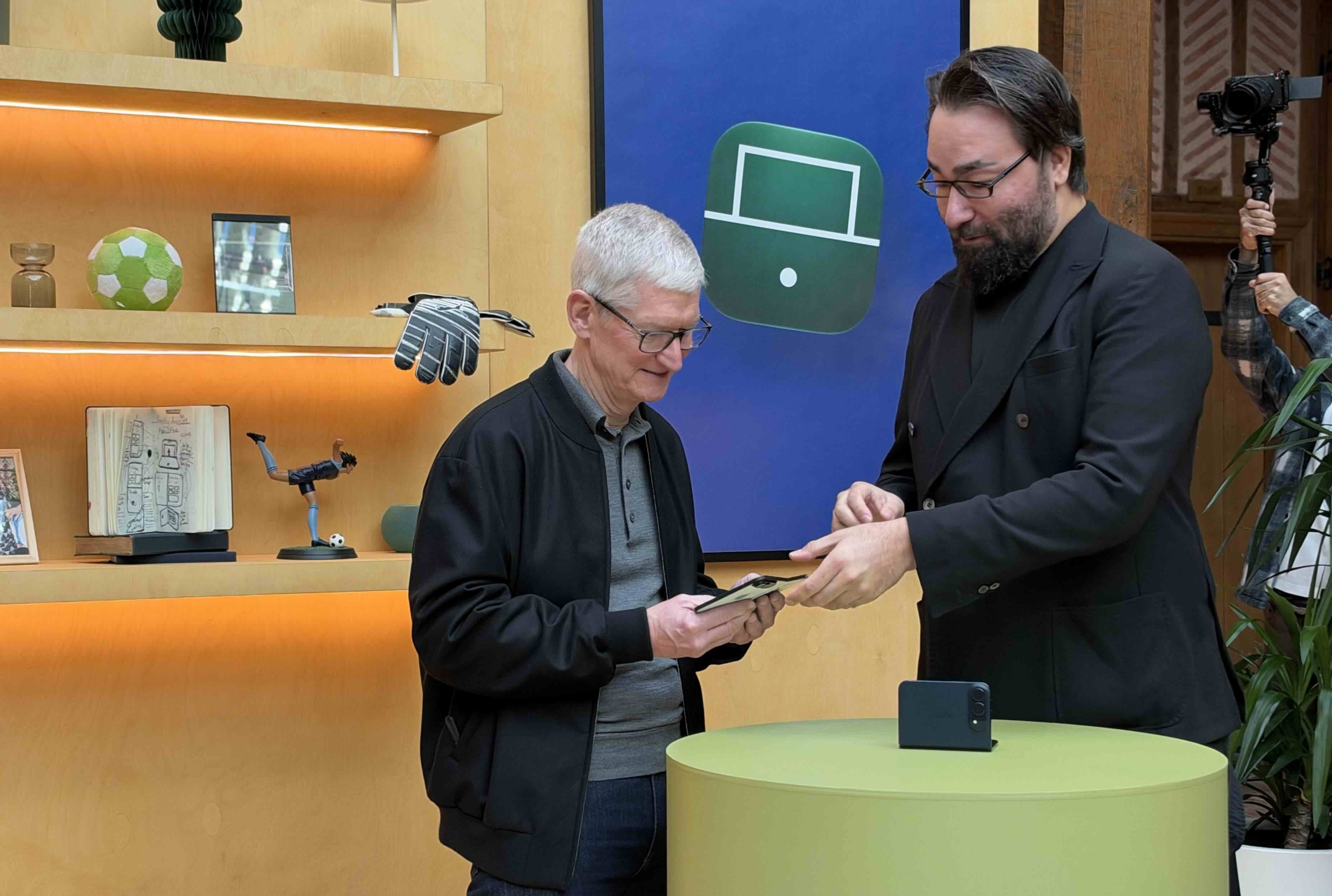
The game starts not from the story of a particular team, but from a moment understood everywhere in the world: the penalty kick.
When the phone is opened and placed on a table, the goal and goalkeeper sit in the upper section and the shooting area is in the lower section. When touched, an optical illusion makes the ball appear to glide between the two screens.
Players try it for free and can unlock the full version through in-app purchase if they wish.
What he expects from Apple: Alongside technical support, mentorship on game design, localization and entering international markets.
KUTU 3
Ipek Erten, Kreo
Kreo lets users connect nodes to create visuals and see the Swift code behind them.
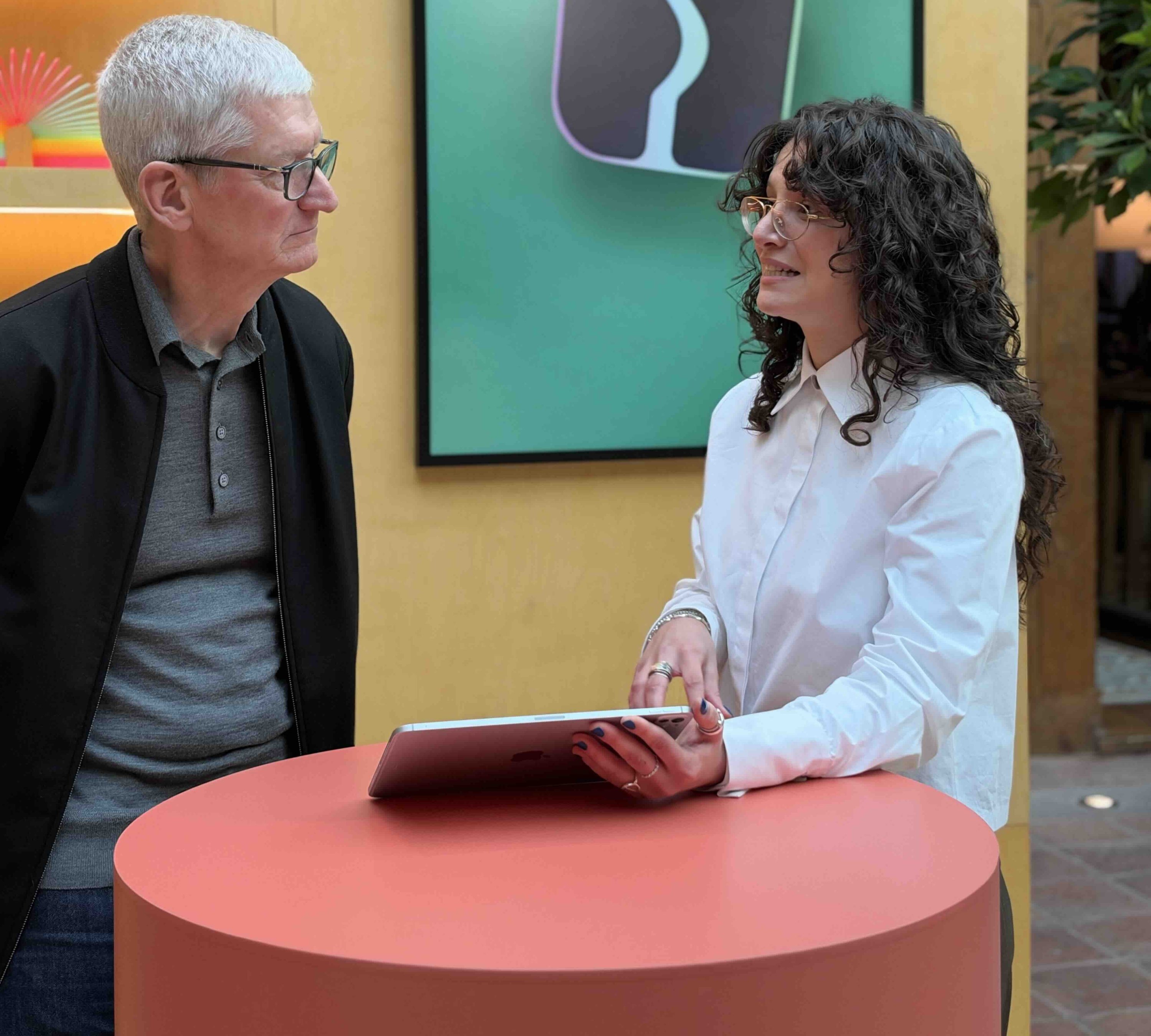
The target audience is designers and developers anywhere in the world who want to create with Swift.
The app is free so that more people can experience it. The revenue model will be shaped by user feedback.
Advice to young developers: Start from an area you are passionate about or feel is missing, design your products for the world from day one, and grow by sharing without waiting for perfection and learning from feedback.
She stresses that young people in Türkiye will now be able to get, in their own country, training similar to what she received at the Apple Developer Academy in Naples.
KUTU 4
Can Balkaya, Codz
He earned his first income from YouTube at age 12. At 17, he surprised the bank where his parents work with his App Store export revenue, won the Swift Student Challenge, and made his first exit by selling his app to an Italian publishing company.
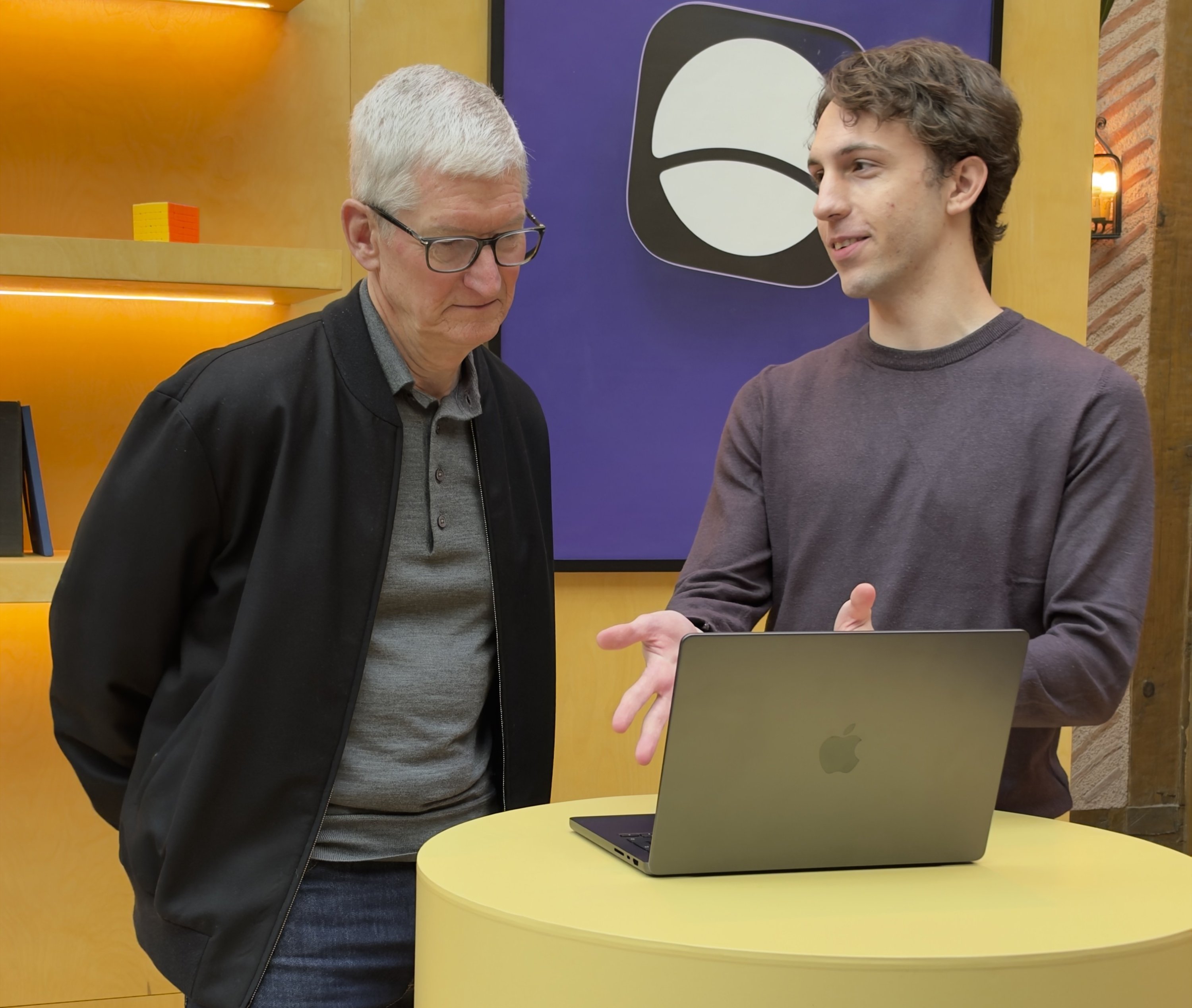
After the release of Opus 4.5, he rebuilt his entire way of working around AI agents. Because running agents demands a great deal of computing power and managing them all is hard, he developed Codz, which brings all AI subscriptions together under one roof. Within two months, the product was usable by developers outside his team.
His biggest expense is marketing. For most of his products, the main user acquisition channel is paid advertising, with product development second.
He names the main obstacles in Türkiye as Stripe and PayPal not being open to companies, the quality of banking and accounting software, the insurance-and-pension system, and the complexity of incentives. If these problems are solved, he sees no reason why Türkiye's GDP couldn't double in a few years.
What he expects from Apple: Direct communication with Apple. First, he wants to join one-on-one sessions with Apple engineers and designers.
Türk Telekom, Türkiye's largest telecom operator, supports early-intervention education for children with low vision through the Günışığı (Daylight) project, launched in 2014 in cooperation with the Association for Life Without Barriers (EyDer).
To date, more than a thousand children from 81 provinces have been able to study in the same schools as their sighted friends.
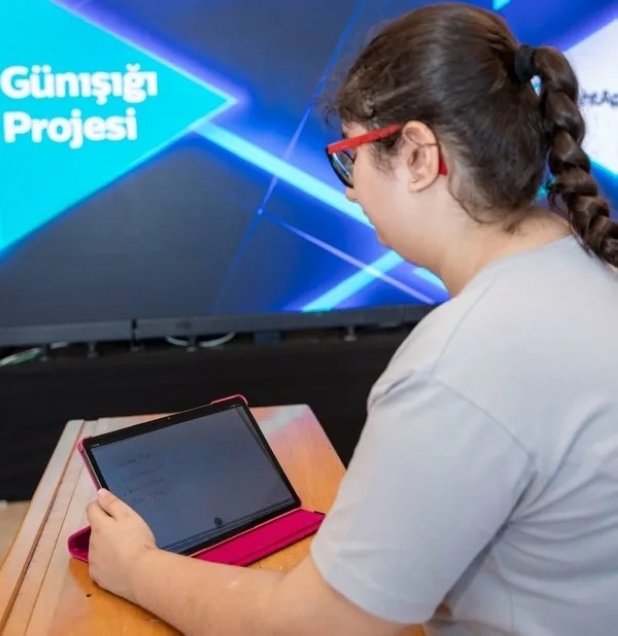
The project grew out of a problem: children whose vision falls below a certain level were treated as "totally blind" and steered toward schools for the blind. Günışığı aims to ensure that children with 1% to 10% light perception receive early-intervention education and continue their studies in the same schools and classes as their peers, under an inclusive education model.
The classroom side of the project is TahtApp, developed by Türk Telekom's R&D engineers. What the teacher writes on the board is captured by a special camera in the classroom and instantly transmitted to a tablet in front of the student. This lets the student follow the lesson at the same time as classmates. To date, TahtApp has been installed in the inclusive classrooms of 100 schools in 25 provinces.
One student who benefits from the app explained that, because they previously could not see the board, they had to keep standing up to copy the text, and that they can now focus on the lesson. The student's younger sibling said they are happier going to school because they, too, can see the board on the tablet. At the end of the 2024-2025 academic year, the two students received their report cards from Türk Telekom's management.
"Okulumda Günışığı" (Daylight in My School), a continuation of the project, aims to raise awareness. In primary schools with low-vision students, students, parents, teachers and administrators receive "Low Vision Education." According to previously announced figures, 5,000 educators have been trained under this program.