At this year's Mobile World Congress (MWC) telecoms trade show in Barcelona, the central theme was an "AI-powered mobile future."
On-device generative AI applications, 5G Advanced infrastructure, satellite-supported connectivity and breakthroughs in smartphone camera technologies were among the most discussed topics.
Smartphone manufacturers showcased next-generation AI engines capable of processing data directly on the device, reducing reliance on cloud services.
Features such as real-time translation, meeting summarization, advanced photo editing and personal assistant functions can now operate even without an internet connection.
The latest mobile chipsets significantly expanded the capacity of neural processing units (NPUs), enabling faster AI workloads while emphasizing stronger personal data protection.
Manufacturers highlighted compliance with European privacy regulations such as the General Data Protection Regulation (GDPR) and the Personal Data Protection Law (KVKK) through local data processing architectures.
Telecom operators demonstrated a range of 5G Advanced use cases at the event, including low-latency connectivity, smart stadium solutions, autonomous vehicle scenarios and industrial IoT deployments.
In Türkiye, operators signaled that preparations are nearing completion for the country's upcoming 5G rollout, while local software and network optimization technologies also drew attention.
Cameras once again emerged as a major competitive battleground at MWC 2026.
Manufacturers introduced innovations such as 1-inch image sensors, variable aperture systems, advanced periscope telephoto lenses and AI-driven image processing.
Partnerships with major optical brands, including Leica and Zeiss, are pushing mobile photography closer to professional standards.
Improved night photography with reduced noise, more accurate depth mapping in portrait mode and enhanced 8K video stabilization were among the most notable upgrades.
Satellite-supported messaging and emergency communication capabilities aimed at rural and disaster-prone regions were also widely featured in product launches.
Hybrid connectivity solutions, combining terrestrial networks with satellite links, are increasingly viewed as strategic technologies, particularly for security services and public sector applications.
Manufacturers also presented thinner foldable phones alongside futuristic prototypes, including transparent displays and rollable devices.
The event underscored how software capabilities and AI integration are now defining competition in the mobile industry.
Here, camera performance, connectivity speed and on-device intelligence are emerging as the three main battlegrounds.
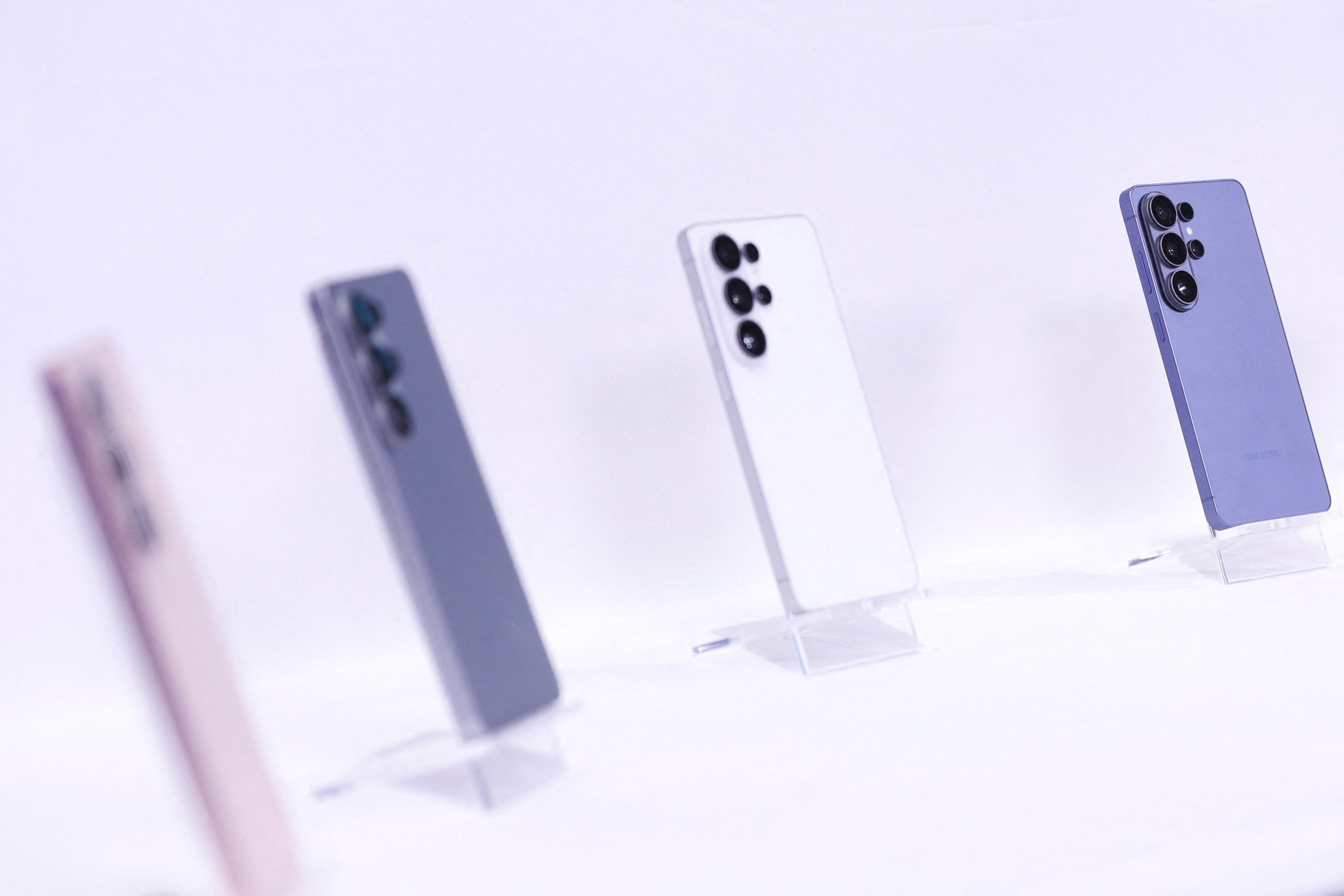
The flagship Samsung Galaxy S26 Ultra stood out with its upgraded 200-megapixel main sensor and a periscope telephoto camera offering 10x optical zoom.
Its on-device generative AI assistant enables offline text summarization, photo editing and real-time translation. The phone also introduces AI-enhanced image processing for 8K video recording.
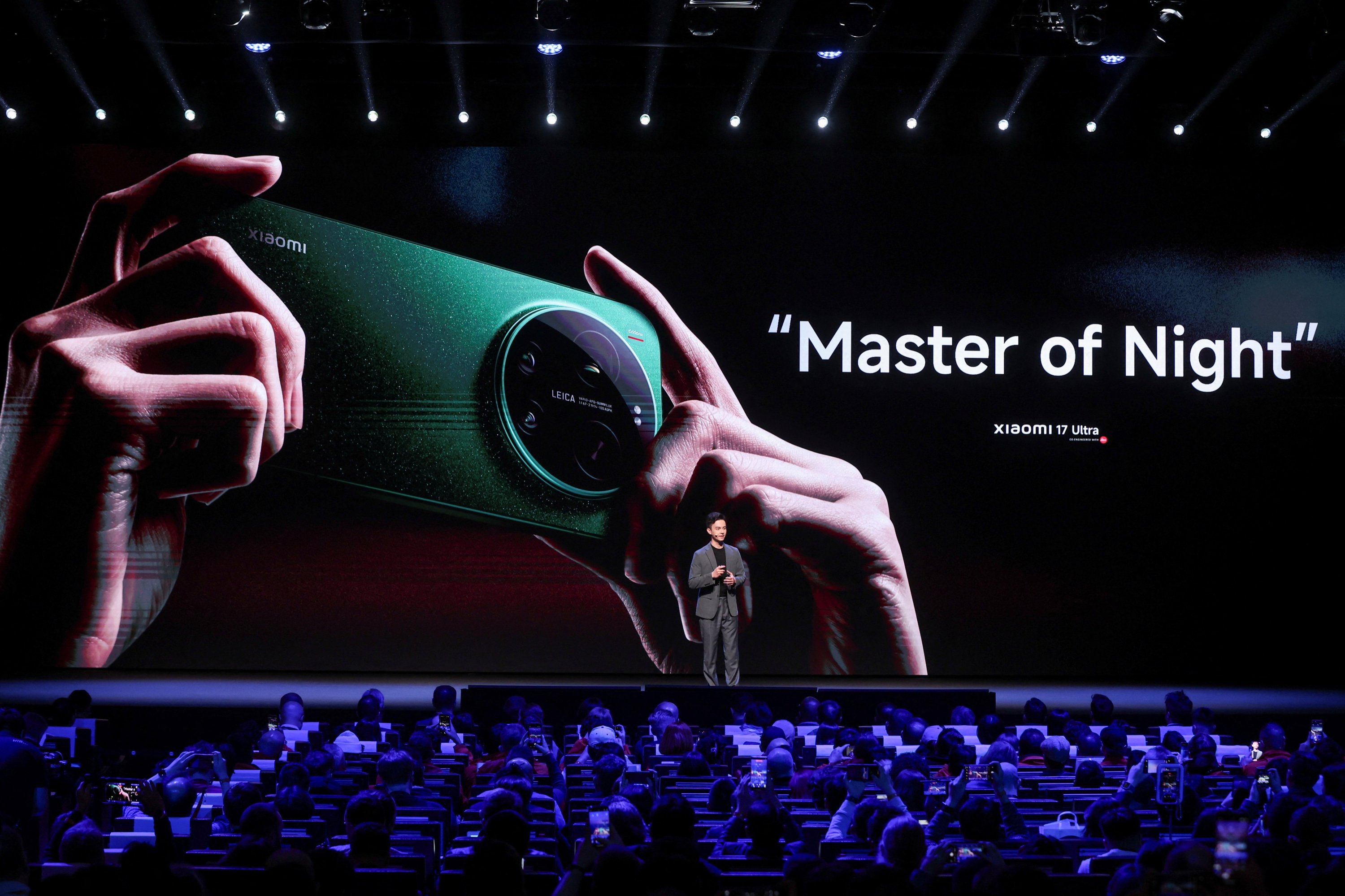
The Xiaomi 17 Ultra, developed in collaboration with Leica, features a next-generation lens system and a 1-inch sensor designed to elevate mobile photography.
AI-powered RAW image processing aims to deliver professional-level detail and dynamic range, while silicon-carbon battery technology provides higher capacity and longer usage times.
The vivo X300 Ultra focuses on portrait and night photography with its Zeiss optics system and dedicated image-processing chip.
Its cinematic portrait video mode and advanced night algorithms aim to deliver sharper and more balanced images in low-light environments.
TECNO introduced a concept device featuring Modular Magnetic Connection Technology, allowing the smartphone to transform into different devices through attachable modules.
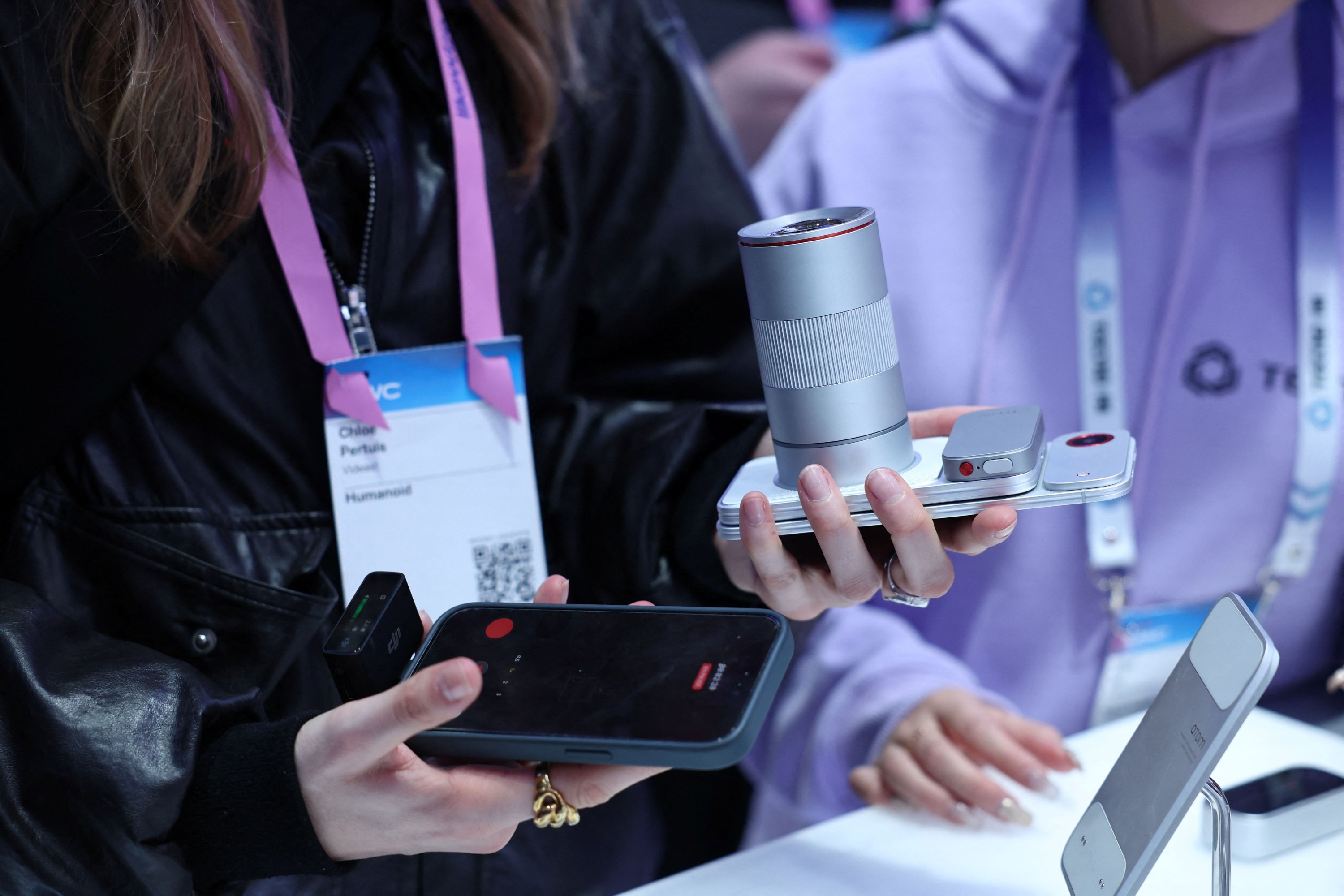
This revolutionary concept, featuring a main body only 4.9 mm thick, can transform into a professional telephoto camera, a high-capacity battery station, or a gaming hub within seconds, thanks to its magnetic structure and pogo-pin connectors.
The ecosystem, consisting of approximately 10 high-performance modules, utilizes technologies such as mmWave and Wi-Fi to provide high-bandwidth, low-latency, and seamless data transfer between the modules and the main body.
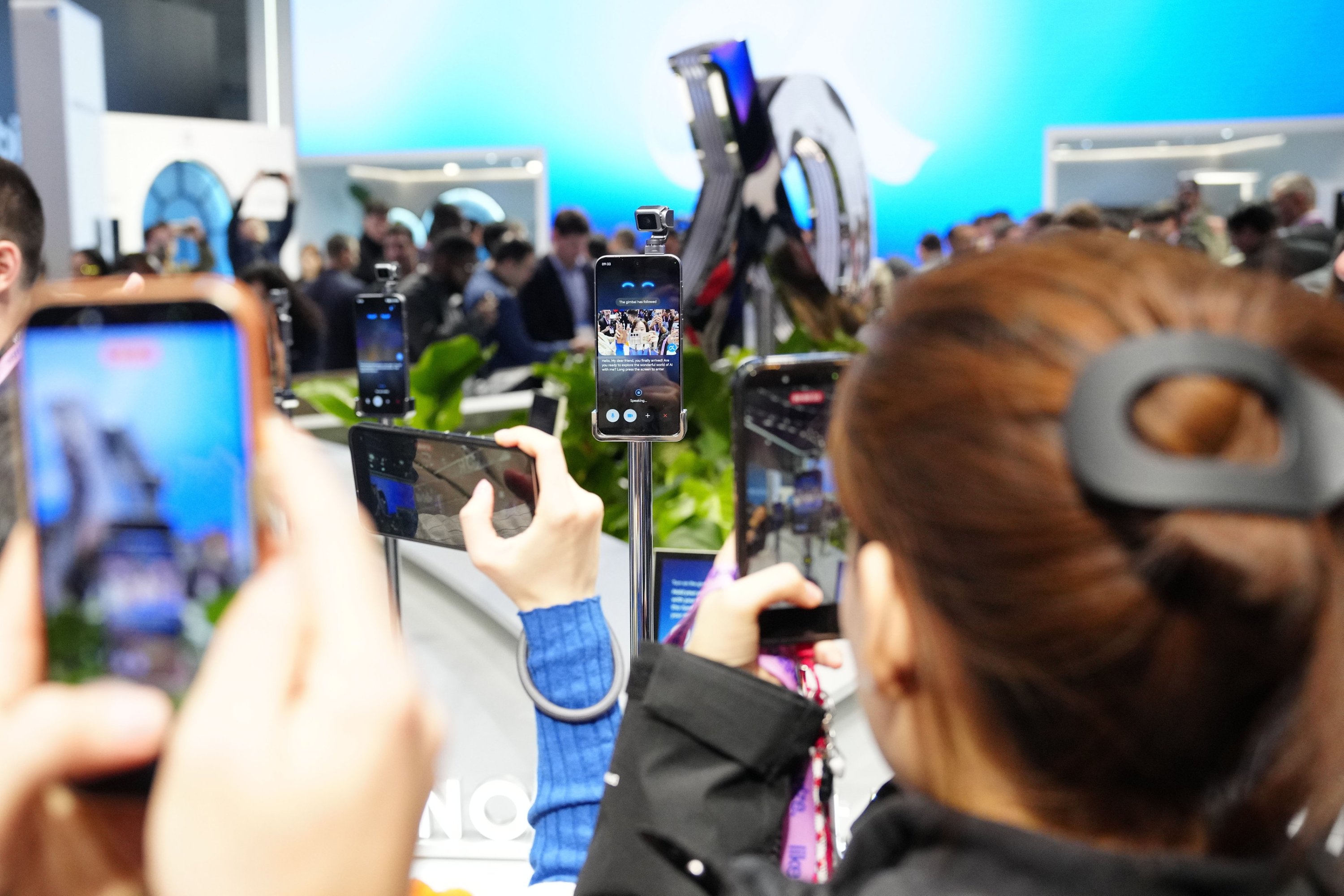
When Honor first announced its new concept device, the "Robot Phone," at MWC, the idea seemed impossible to many.
The micro-motor, which serves as the heart of the robotic arm, had to meet two fundamental requirements: extreme lightness and extreme durability.
There is a robotic arm hidden under a sliding cover on the back of the phone. When you show your palm to the front camera and flip your hand over, the mechanism activates and the camera emerges.
One of Türkiye's leading telecoms and technology companies, Türk Telekom has won first place in the "Innovative Product and Solution" category at the GTI Awards for a platform that integrates 5G network capabilities with unmanned aerial vehicle (UAV) traffic management.
The system combines a UAV Traffic Management (UTM) platform developed by Türk Telekom's subsidiary Argela with application programming interface (API) technologies designed to deliver new services for both consumers and businesses in the 5G ecosystem.
Presented during this year's Mobile World Congress in Barcelona, the platform was recognized as the world's first national solution integrating mobile network capabilities directly into airspace management systems.
The number of unmanned aerial vehicles is rapidly increasing worldwide, while air taxi projects are also gaining traction. However, the growing number of aircraft operating in three-dimensional airspace poses significant risks of congestion and safety challenges without proper traffic management systems.
The award-winning platform enables the safe, intelligent and real-time management of drones operating in low-altitude airspace. Developed by Turkish engineers, the solution integrates 5G network capabilities with UTM systems through an API-based architecture.
Türk Telekom Network Deputy General Manager Zafer Orhan said the company continues to lead Türkiye's digital transformation and pioneer next-generation technologies.
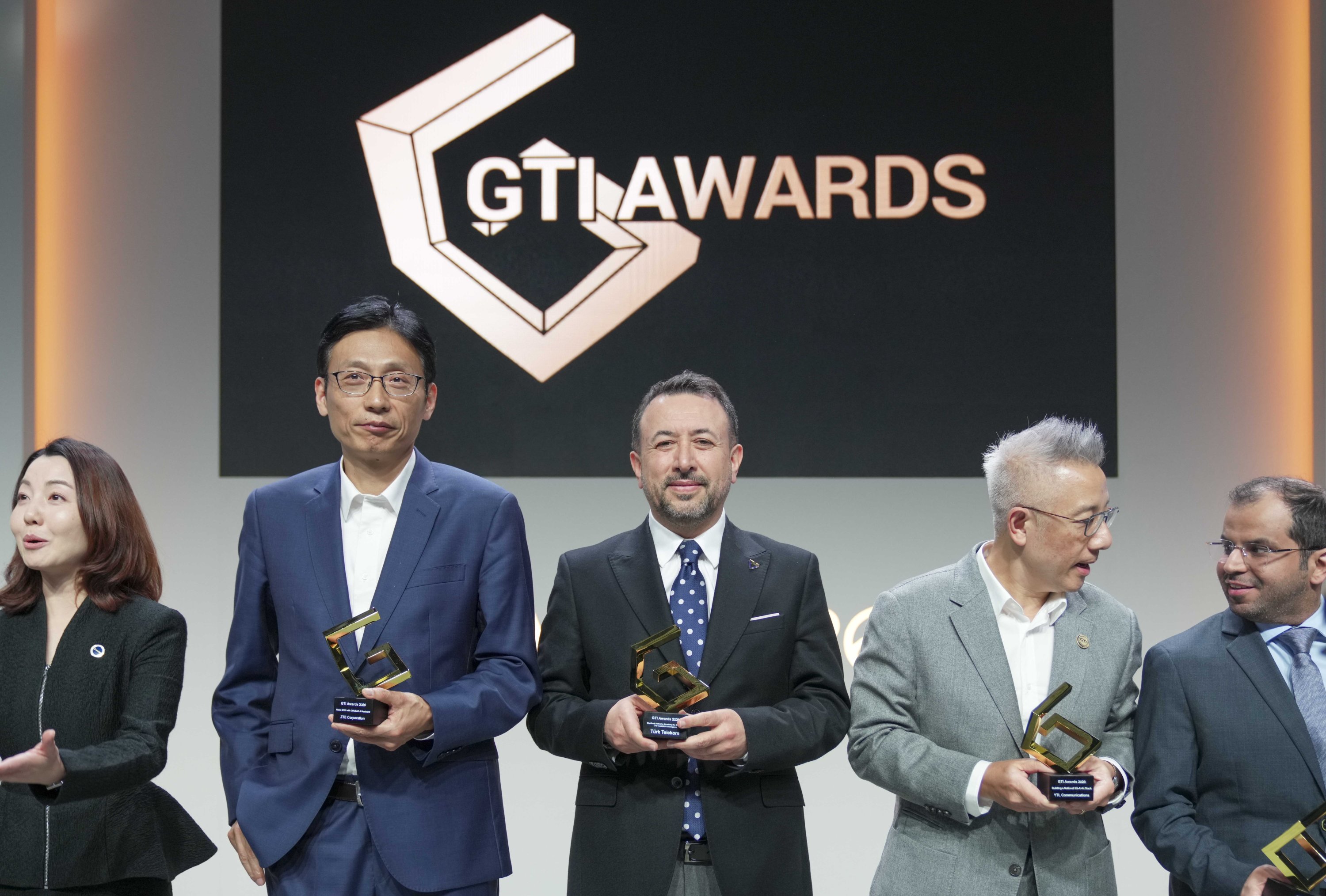
"Receiving a global award for national solutions we developed in 5G and advanced mobile technologies is a source of great pride," Orhan said.
"With this innovative platform, we have demonstrated on the global stage that mobile network capabilities can play a critical role not only in terrestrial communications but also in airspace management," he added.
Orhan said that the company remains committed to supporting Türkiye's vision of becoming a technology-producing and technology-exporting country.
Supported by Türk Telekom through its robust 5G infrastructure and developed with the national engineering power of Argela, the platform is taking the transportation standards of the future to a new dimension.
It supports the open-source CAMARA project led by the Linux Foundation in collaboration with GSMA to define and develop standard network open interfaces as APIs.
The solution, which integrates APIs and UTM systems into a single platform, stands as the world's first application of its kind.
Recognized with an award as one of the most successful examples of the GSMA-supported CAMARA API project, the solution offers a digital regulation system that ensures the safe, smart, and real-time management of low-altitude airspace.
Artificial intelligence-driven autonomous operations emerged as a key theme at this year's Mobile World Congress (MWC), where industry leaders gathered to discuss the future of telecommunications and digital infrastructure.
Solutions aimed at increasing operational efficiency, especially in multivendor and distributed digital environments, were at the top of the agenda for industry representatives.
Among the solutions showcased at the MWC was a next-generation autonomous, AI-powered end-to-end cloud and network operations management approach developed by OdineLabs, the research and development (R&D) and innovation branch of Türkiye-based technology company Odine
The technology was introduced to visitors during live demonstrations at the company's booth at the event in Barcelona, drawing strong interest from participants.
During the demonstrations, Odine presented real-world scenarios showing how operational processes in multivendor infrastructures and distributed digital environments can be managed through AI-driven automation.
Key capabilities highlighted included real-time monitoring, anomaly detection and automated intervention mechanisms.
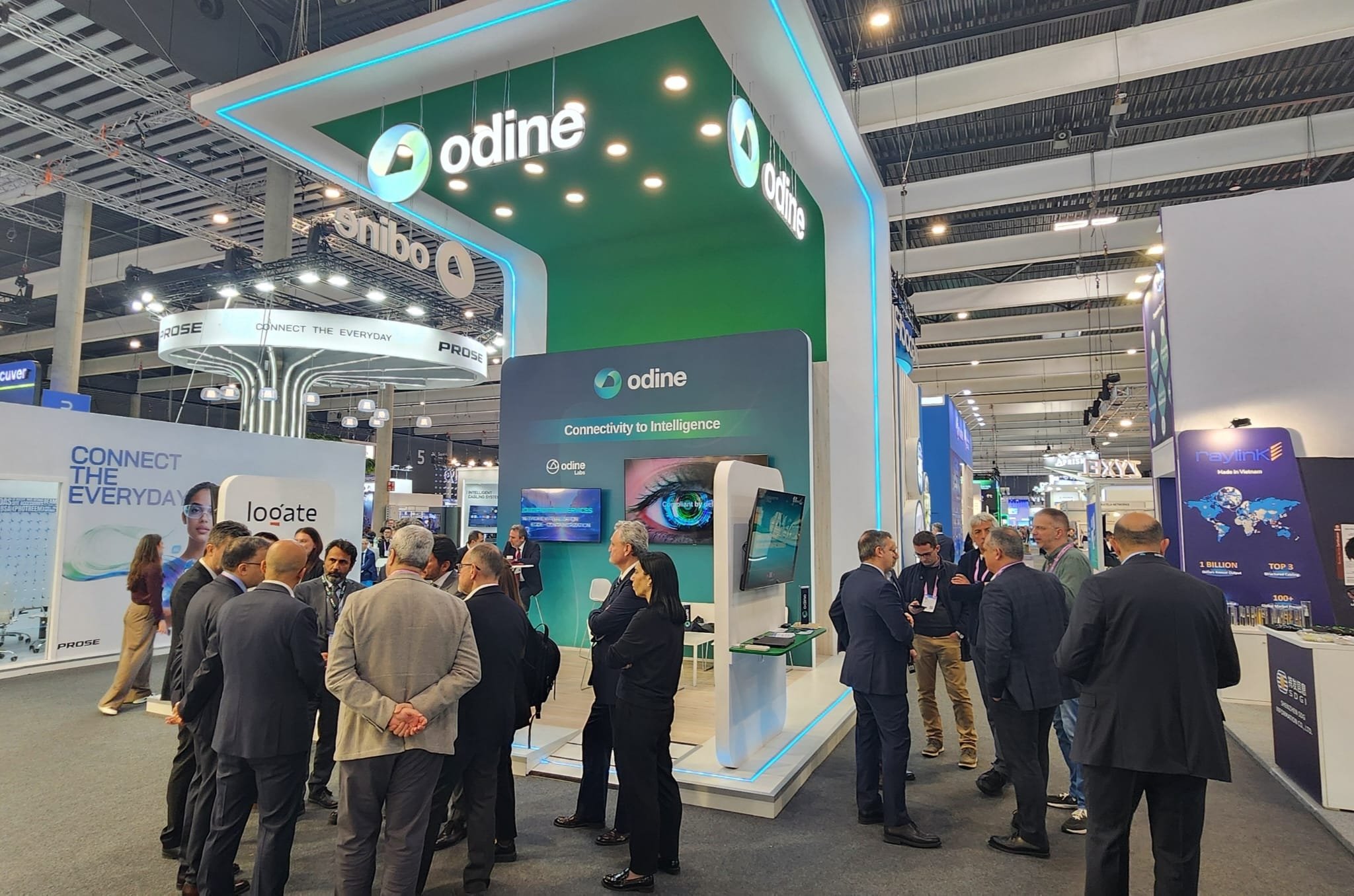
Presentations also focused on an end-to-end operations management model built on sovereign-ready cloud architectures. As concerns around data sovereignty, regulatory compliance and service continuity increase globally, such architectures are becoming strategically important for critical infrastructure operators.
AI-powered autonomous operation models are expected to become more prominent in the coming period, particularly for institutions operating in regulated sectors such as telecommunications, energy, finance and the public sector.
In digital environments that require high service continuity, systems that minimize human intervention and provide proactive management will play a critical role not only in operational efficiency but also in terms of security and compliance.
The discussions and demonstrations at the MWC highlighted a broader shift in the telecommunications and digital infrastructure sectors toward increasingly autonomous, AI-driven operational management systems.