As artificial intelligence technologies rapidly integrate into everyday life, professions across industries are undergoing profound transformation. For many, this shift is perceived as a threat. And few feel it more acutely than software developers, whose role is being reshaped at its core.
However, speaking to 60,000 developers and professionals gathered from around the world at the Amazon Web Services (AWS) re:Invent conference, Amazon's Chief Technology Officer (CTO) Werner Vogels argued in his keynote that developers are experiencing a "renaissance" period.
According to Vogels, this concept advocates for developers to evolve from being just individuals who write code into versatile creators equipped with broader competencies.
The "Developer's Renaissance" signifies a "Golden Age" where, thanks to the conveniences provided by technology, developers are freed from drudgery to showcase higher-level human abilities such as creativity, strategic thinking and problem-solving.
We can reinforce this with an analogy: In the historical Renaissance, the discovery of perspective (depth) did not take jobs away from painters; instead, it enabled them to move from flat drawings to creating three-dimensional, far more impressive masterpieces.
Similarly, AI has become the "brush" for developers, paving the way for them to build systems of a complexity and quality they could not even imagine before. Stating that developers will become the owners of the code and the work, Vogels grouped this transformation story under four main headings.
Vogels presents this concept as a direct answer to the fear: "Will AI take my job?" The Renaissance is a period of "rebirth" following the Dark Ages. Just as history saw the shift from Assembler to compilers, or from local servers to the cloud, these transitions did not destroy developers but changed their roles.
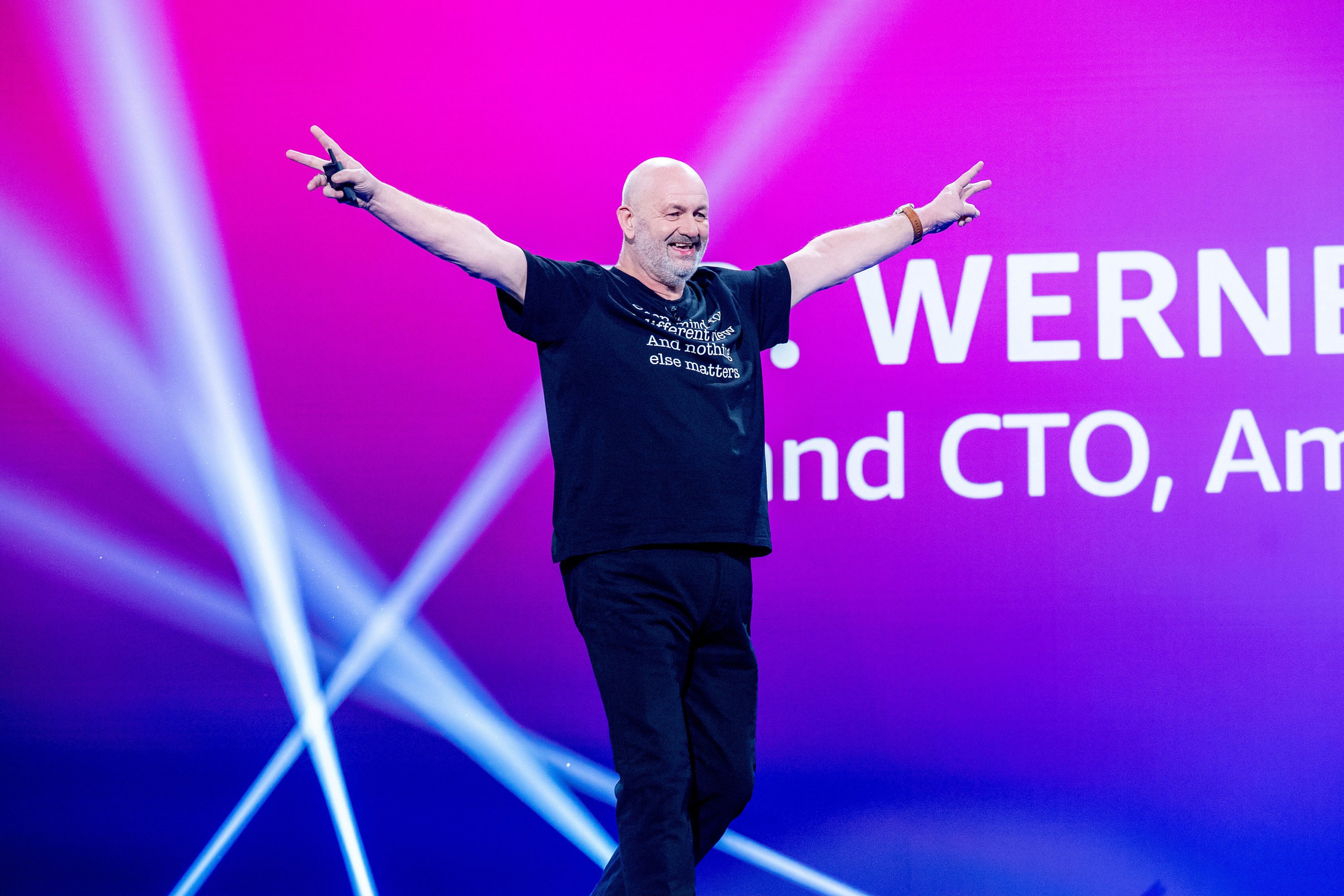
Similarly, AI will not eliminate developers; it will only require them to evolve. Developers are not "going extinct;" rather, they are entering an era where they can achieve things they previously couldn't, using new and powerful tools like AI.
In the historical Renaissance, art and science were intertwined; creativity and technology evolved together. According to Vogels, modern developers are in a similar phase.
Just as the invention of new tools like the pencil, perspective or the printing press exploded human potential during the Renaissance, tools like AI, cloud and robotics are increasing developers' capacity today. In this new era, developers have the capacity to solve humanity's greatest problems – hunger, health, environmental pollution – using technology.
In this understanding of the Renaissance, the developer's role shifts from "coding" to understanding and managing the whole system. AI can generate code very quickly, but the responsibility for verification depth – ensuring that code is secure, correct and fit for purpose – belongs to the human.
The developer is now a "mechanism builder" and an "auditor;" rather than being an operator who means well but makes mistakes, they are the person designing the systems (mechanisms) that catch those mistakes.
The new ideal developer profile, the "Renaissance Developer," draws inspiration from figures like Leonardo da Vinci, gathering specific qualities under one roof.
Here is the recipe for the ideal developer in four parts:
Curious and Experimental: A person who constantly learns, is not afraid to make mistakes, and learns lessons from "broken builds."
Systems Thinker: A person who grasps that code is just one part, and the real event is the flow and feedback loops within the entire system.
Clear Communicator: A person who can overcome the ambiguity of natural language to establish precise, specification-based communication with both machines (AI) and humans (business units).
Polymath (Versatile): A person who is not imprisoned by a single technology (e.g., databases) but possesses a wide range of knowledge from business to front-end – a "T-shaped" individual.
One of Türkiye's leading telecoms and technology companies, Türk Telekom is accelerating its investment in human capital as part of its broader digital transformation strategy.
Through Türk Telekom Academy, annual Cybersecurity Camp and Cloud Computing Camp, and its venture capital arm TT Ventures, the company is building a nationwide ecosystem to accelerate technology startups, and train and support qualified software developers, cybersecurity specialists and cloud engineers.
At the center of this approach are the institution's online education platform and early-stage talent programs.
The annual Cybersecurity Camp brings together young people and early-career professionals through both online and face-to-face training. Participants are provided with mentorship, applied workshops, and competition opportunities.
According to the institution's announcements, the camp offers practical cyber drills and direct communication opportunities with industry actors.
Similarly, the Cloud Computing Camp provides early-stage training focused on cloud technologies with a "learn-by-doing" approach. By providing sector mentorship and certification opportunities to camp participants, the program aims to increase cloud competencies.
Türk Telekom positions these cloud trainings not only as a way to gain internal competence, but as a societal talent resource.
Education and talent development efforts are complemented by Türk Telekom's venture capital and acceleration mechanisms. By supporting technology startups through the Pilot acceleration program and investment funds, TT Ventures contributes to both product/service development and the expansion of the qualified workforce pool.
This model allows supported startups to scale within the ecosystem and enables talents to gain practical experience through Türk Telekom's applied collaborations.
Furthermore, Türk Telekom invests in inter-institutional collaborations to develop domestic and national solutions.
The cloud collaboration carried out with the Informatics and Information Security Advanced Technologies Research Center (BILGEM) under the Scientific and Technological Research Council of Türkiye (TÜBITAK) targets the development of domestic open-source-based cloud platforms.
Such projects create local infrastructure and research and development (R&D) opportunities for those wishing to gain competence in cloud engineering.
Ultimately, Türk Telekom's strategy is built on growing both the talent supply (youth education and certification) and demand (startups and product development) within the same ecosystem through training programs, accelerators and R&D collaborations.
This holistic approach aims to contribute significantly to meeting the country's need for qualified software developers, cybersecurity experts and cloud specialists.
Türkiye's first venture capital fund, 212, continues to expand its footprint in the entrepreneurial ecosystem with a new investment in Bolt Insight, an AI-driven market research platform founded by Turkish entrepreneurs and headquartered in the United Kingdom.
Bolt Insight raised 7 million pounds ($9.37 million) in a funding round led by Pembroke VCT, with participation from 212, Active Partners, Velocity and TIBAS Ventures. The fresh capital will be used to scale the company's AI-powered insights platform BoltChatAI globally, accelerate product development and strengthen its position in the $153 billion global insights market.
The company, which blends AI technology with human researchers, enables brands to obtain fast, deep and reliable qualitative insights across multiple markets.
To date, Bolt Insight has conducted talks with over 5 million consumers across 90 markets. It is already the platform of choice for 11 of the world's largest consumer product companies, including major names like Unilever, Danone and Reckitt.
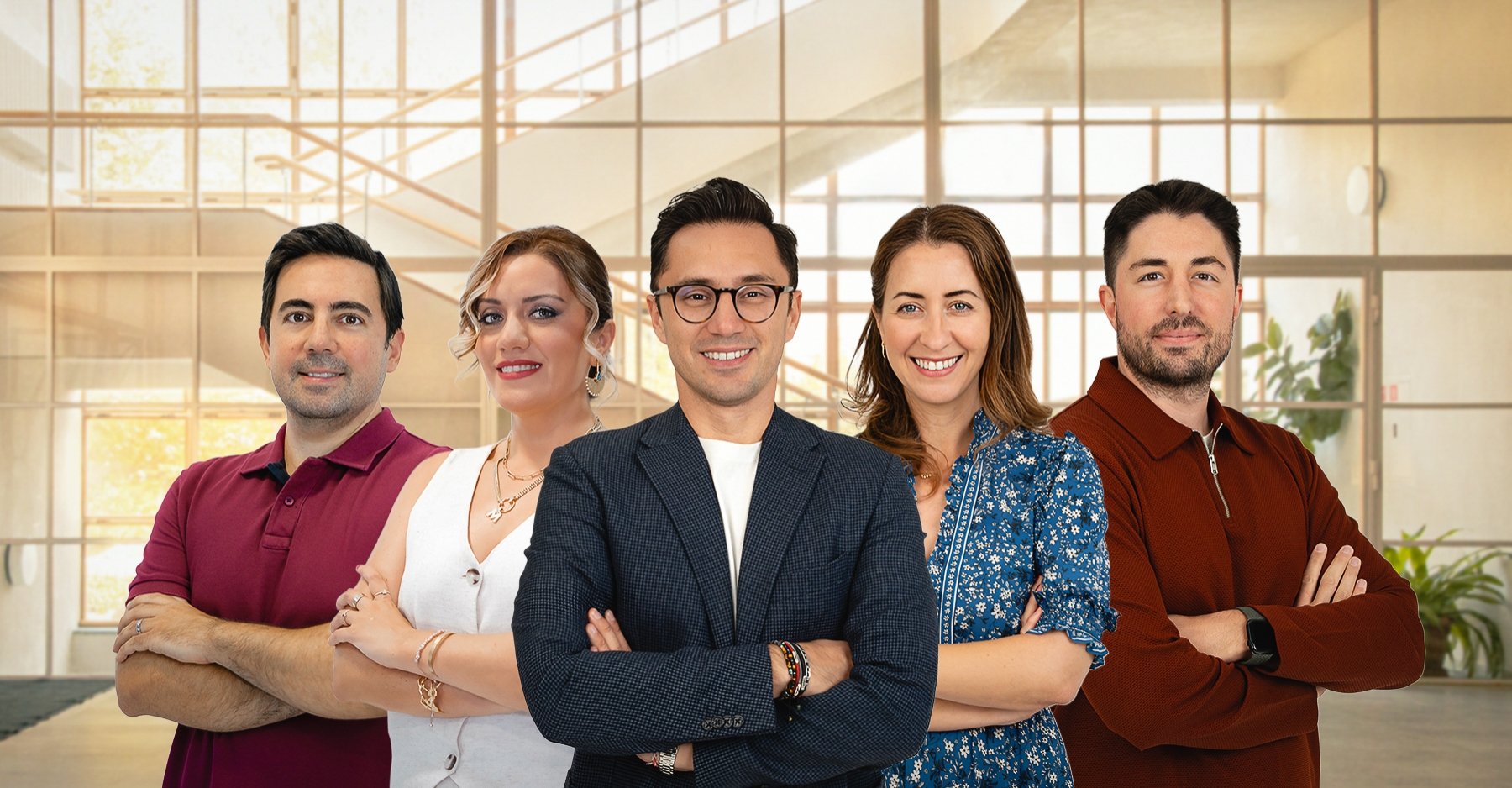
The venture, which works with more than 150 brands in over 20 countries, stands out with an impressive 90% customer retention rate.
Ali Karabey, co-founder of 212, stated that Bolt Insight is making a global impact by providing real consumer insights in a fast, accessible and inclusive structure. "We are pleased to stand by Bolt Insight, a company founded by Turkish entrepreneurs and now growing on the global stage," he said.
Hakan Yurdakul, co-founder and CEO of Bolt Insight, emphasized that the new Assistant AI Chief Insights Officer system they are developing with the new investment will provide businesses with instant consumer access at critical moments.
"We are redefining the role of insights within organizations," Yurdakul said.
By transforming insights generation with AI technology, Bolt Insight aims to achieve strong growth momentum in its global journey following the new investment.
Turkish technology company Link Bilgisayar has announced a $2 million strategic investment to acquire a 20% stake in Abrakadabra Games, a company specializing in game development, digital entertainment and interactive technologies.
In a statement to the Public Disclosure Platform (KAP), Link Bilgisayar said the move aligns with the company's renewed vision and expanding business areas. It's highlighted as a crucial step in the company's objective to secure a stronger position, particularly in gaming technologies, cloud-based interactive systems and next-generation digital entertainment solutions.
Leveraging its experience in corporate software, cloud technologies and infrastructure solutions since 1984, Link Bilgisayar aims to combine this expertise with Abrakadabra Games' patented game/video technologies and creative development competencies.
The goal is to establish a globally competitive, accessible and high-value-added gaming ecosystem. The company defines this investment not only as a financial step but as a long-term transformation move focused on how far innovation can push human imagination.
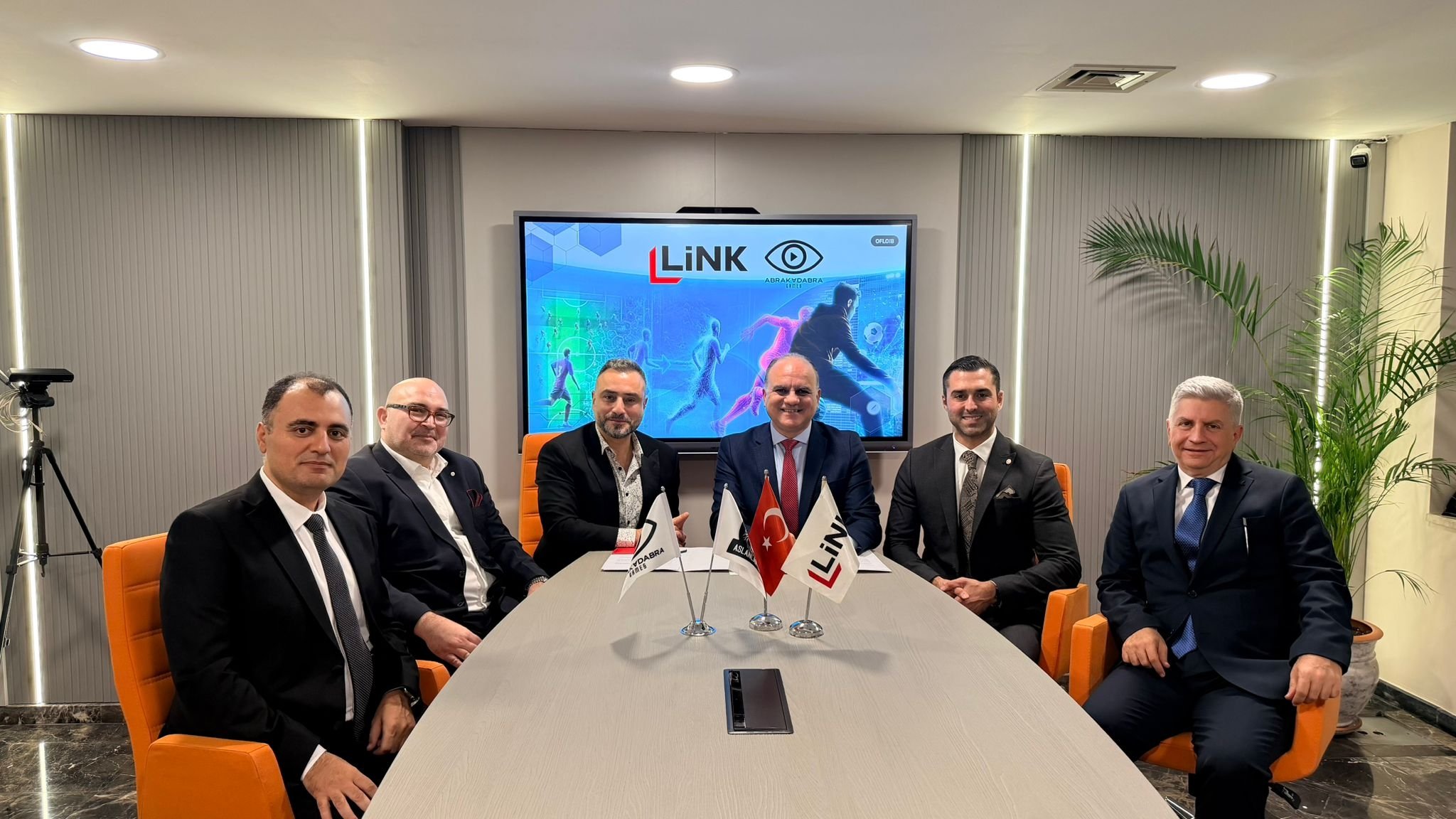
The investment is expected to unlock new opportunities in various technological domains, including game production, data analytics, player behavior modeling processes and cloud-based gaming infrastructure.
Through this strategic step, Link Bilgisayar is making a strong entry into the game technology ecosystem while simultaneously aiming for an assertive position in the global digital entertainment market.
Link aims to strengthen its position in digital content, "gamification" and interactive experience technologies with this investment, alongside increasing its research and development (R&D) capacity in areas like innovative user experience, platform architecture and data-driven product development.
The transaction is considered a vital step in the company's strategy to diversify its software product family and expand into global markets.
In a statement, Abrakadabra Games said joining forces with Link Bilgisayar "is not just an investment."
"It is a strategic step that will scale our vision globally. We believe this collaboration will bring the game technologies we develop to a much wider audience," it said.