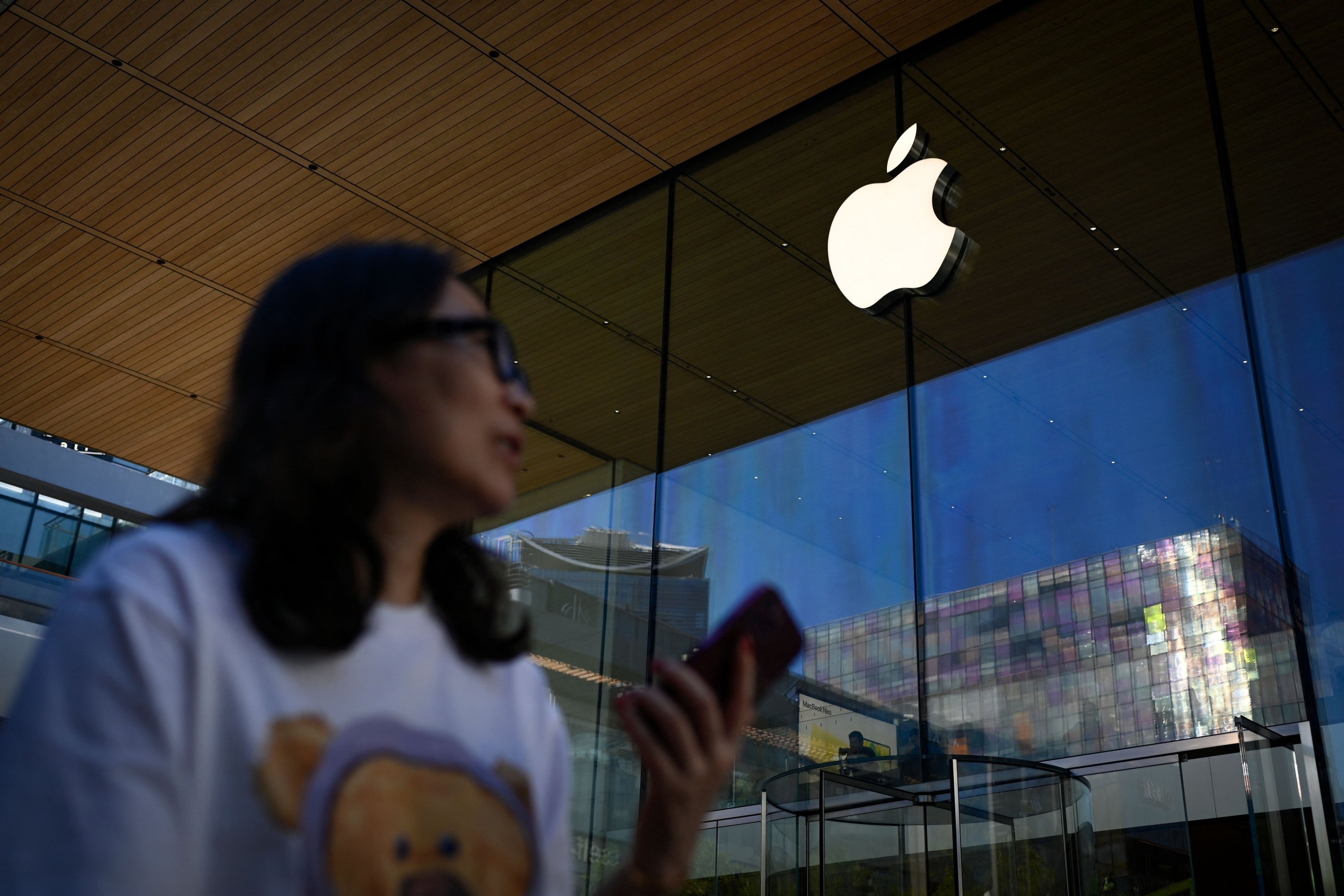
"Think different" is the famous slogan associated with the iPhone maker Apple and its late co-founder, Steve Jobs.
Apple is currently going through a rare leadership change that will see John Ternus become the second CEO after Tim Cook to pass on Jobs' legacy.
Jobs passed away on Oct. 5, 2011, leaving behind a company that quickly rose to what would soon become one of the tech giants defining the first quarter of the 21st century.
In close to 15 years without Jobs, the iconic entrepreneur known for his black mock turtleneck shirt, Apple has not changed that much, many would argue.
Experts, critics and close followers of Apple would often claim that Cook "merely built upon" the foundation laid by Jobs. They argue that the product lineup has not changed much and that its virtual assistant Siri still underperforms. Even so, one thing is clear: Apple has grown substantially in the past decade and a half.
Apple had a market cap in the range of $300 billion to $377 billion in 2011 and was competing with the likes of ExxonMobil. Today, its market cap sits at around $4.6 trillion, and it is trailing behind chipmaker Nvidia as the second most valuable company in the world.
The figures are staggering and are a clear indicator that Cook, who has been with Apple since 1998 and its chief since 2011, has positively steered its expansion and manufacturing strategy shift, while also leading its entry into the Chinese consumer market.
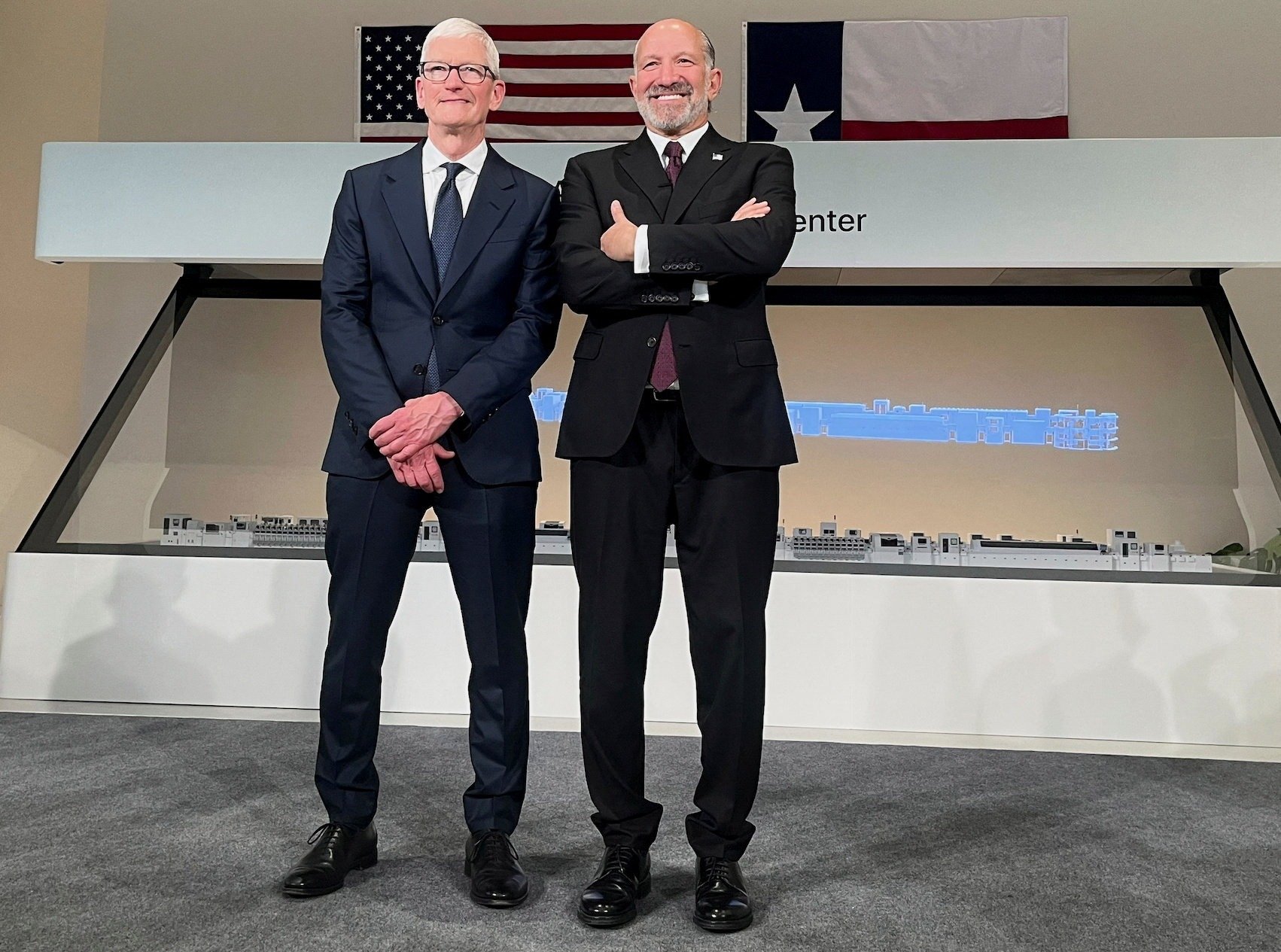
The 65-year-old, who will now stay on as executive chair of Apple's board of directors, oversaw the launch of complementary products such as the Apple Watch and AirPods and most recently the introduction of the MacBook Neo.
During his tenure, the Cupertino-based giant also moved toward in-house design and production of chips powering its devices, most notably with the launch of its M series, starting with M1 in 2020.
Leaving the role of chief executive on Monday, Cook remembered Jobs and praised staff as "extraordinary" as he passed the baton to incoming CEO Ternus.
"We have made it possible to leave our 'dent in the universe,' as Steve once described it," Cook wrote in the memo on his last day on the job.
"Whatever there is to say about my success, I know it is all because of you," Cook wrote to his staff.
"I have never seen or been with such an extraordinary team of people before, and every day I get to see more examples of that."
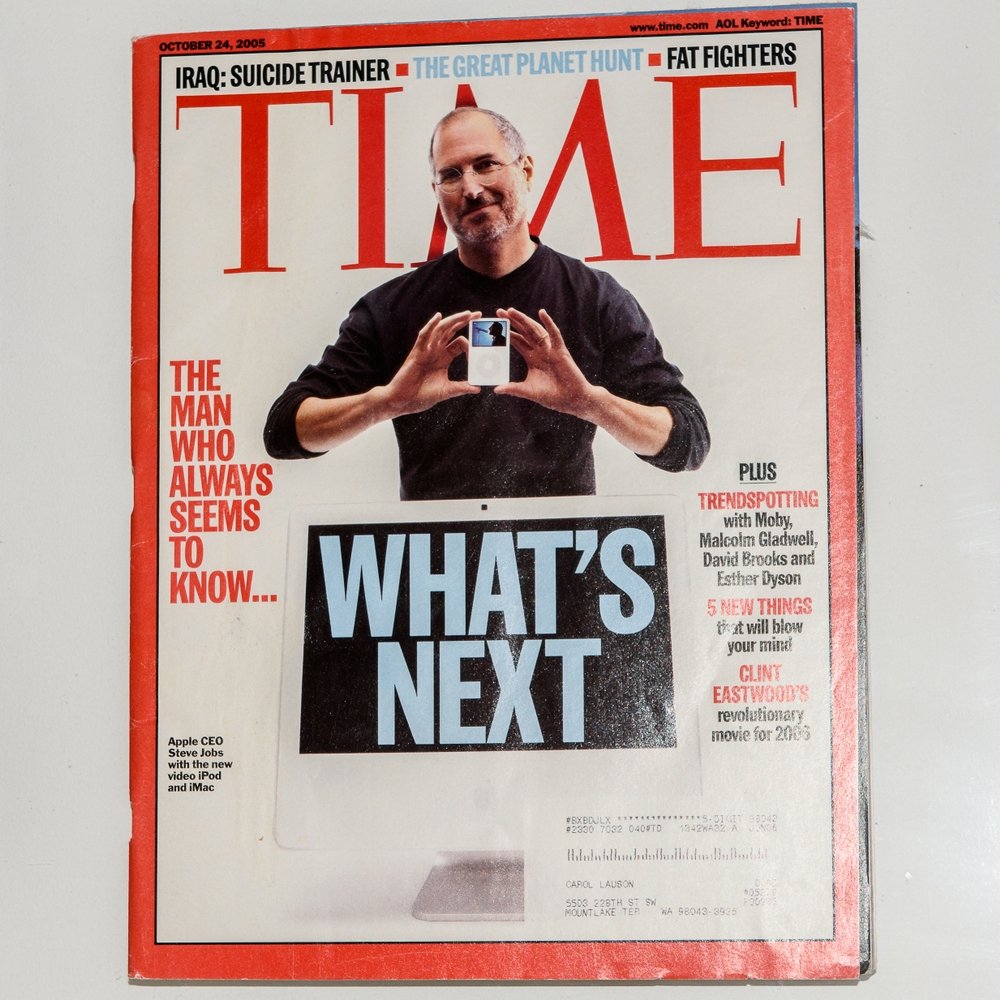
But with the executive handover and a change in leadership at the company on such a scale, many can't help but wonder: "What's next?" echoing the old days when Jobs briefly left Apple in 1985 to found NeXT, another computer and software company.
The vision of innovation, novelty and thinking "ahead of the time" is something that Jobs is often credited for.
In the early 2000s, he introduced the iPod, one of Apple's most iconic products and a few years later, he debuted the iPhone, moving from the personal computer era to the era of smartphones.
His close associates often recalled the power of his ambition and his belief in making the impossible possible. He is remembered as the man who one day pulled a device out of his pocket, likely unaware it would turn out to be one of the best-selling products in human history.
For Ternus, challenges are multiple: redefining Apple's identity in the AI era, production that is getting costlier, supply chain crunch due to soaring demand for advanced computing chips and above all – being compared with Jobs and Cook.