Daily Sabah logo

Politics
Diplomacy Legislation War On Terror EU Affairs Elections News Analysis
TÜRKİYE
Istanbul Education Investigations Minorities Expat Corner Diaspora
World
Mid-East Europe Americas Asia Pacific Africa Syrian Crisis Islamophobia
Business
Automotive Economy Energy Finance Tourism Tech Defense Transportation News Analysis
Lifestyle
Health Environment Travel Food Fashion Science Religion History Feature Expat Corner
Arts
Cinema Music Events Portrait Reviews Performing Arts
Sports
Football Basketball Motorsports Tennis
Opinion
Columns Op-Ed Reader's Corner Editorial
PHOTO GALLERY
JOBS ABOUT US RSS PRIVACY CONTACT US
© Turkuvaz Haberleşme ve Yayıncılık 2025

Daily Sabah - Latest & Breaking News from Turkey | Istanbul

  • Politics
    • Diplomacy
    • Legislation
    • War On Terror
    • EU Affairs
    • Elections
    • News Analysis
  • TÜRKİYE
    • Istanbul
    • Education
    • Investigations
    • Minorities
    • Expat Corner
    • Diaspora
  • World
    • Mid-East
    • Europe
    • Americas
    • Asia Pacific
    • Africa
    • Syrian Crisis
    • Islamophobia
  • Business
    • Automotive
    • Economy
    • Energy
    • Finance
    • Tourism
    • Tech
    • Defense
    • Transportation
    • News Analysis
  • Lifestyle
    • Health
    • Environment
    • Travel
    • Food
    • Fashion
    • Science
    • Religion
    • History
    • Feature
    • Expat Corner
  • Arts
    • Cinema
    • Music
    • Events
    • Portrait
    • Reviews
    • Performing Arts
  • Sports
    • Football
    • Basketball
    • Motorsports
    • Tennis
  • Gallery
  • Opinion
    • Columns
    • Op-Ed
    • Reader's Corner
    • Editorial
  • TV
  • Business
  • Automotive
  • Economy
  • Energy
  • Finance
  • Tourism
  • Tech
  • Defense
  • Transportation
  • News Analysis

Huawei to launch high-speed AI supercomputing systems by 2027

by Agence France-Presse - AFP

Beijing Sep 18, 2025 - 10:59 am GMT+3
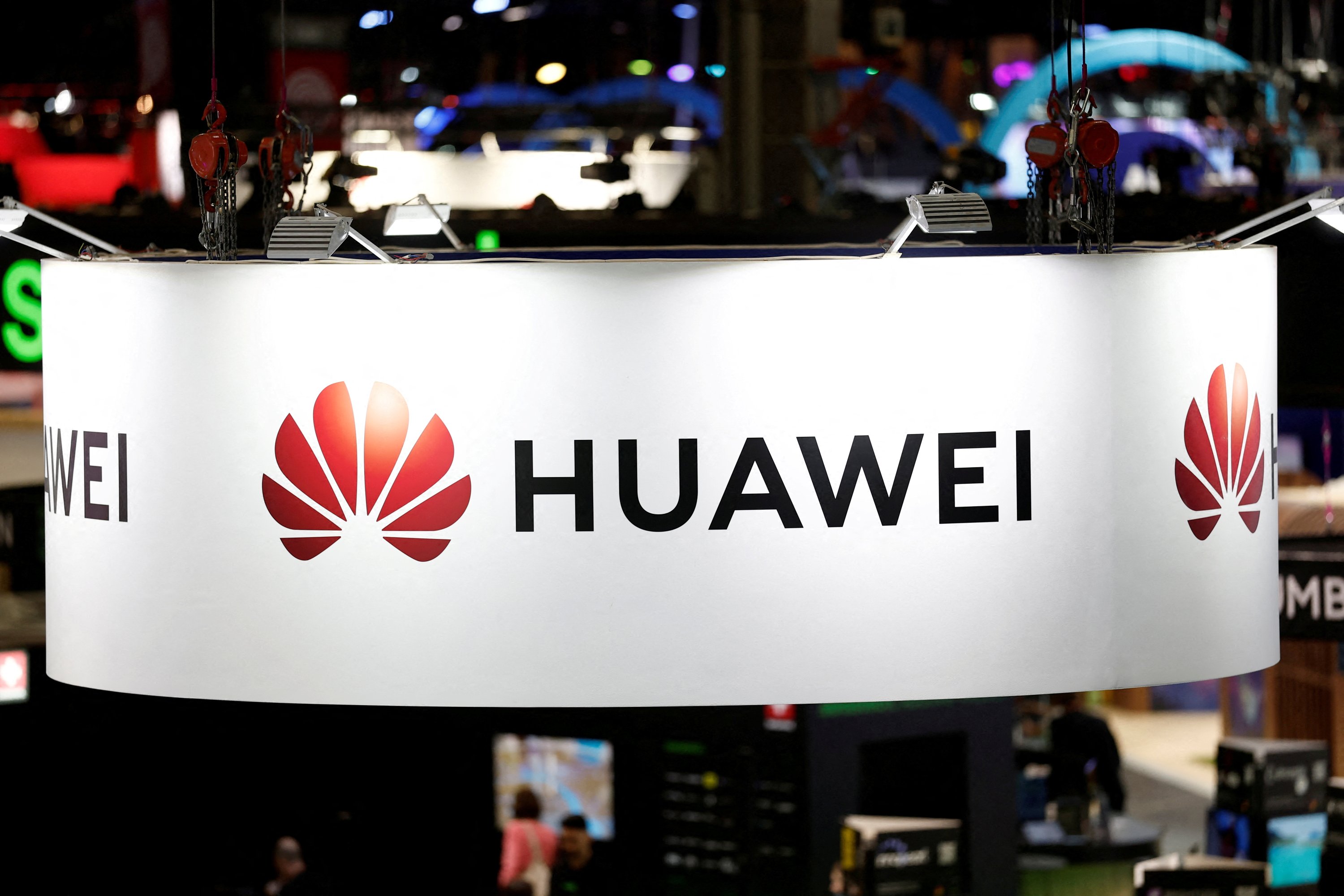
The logo of Huawei is seen at the Viva Technology conference, Paris, France, June 12, 2025. (Reuters Photo)
by Agence France-Presse - AFP Sep 18, 2025 10:59 am

Chinese tech giant Huawei plans to launch powerful computing setups that allow chips to connect at high speeds, an executive said Thursday, as Beijing looks to bolster domestic AI prowess and reduce reliance on Western firms.

Geopolitical tensions between China and the United States have intensified technological competition between the countries, each seeking to achieve supremacy in the vital fields of artificial intelligence and advanced computer chips.

Shenzhen-based Huawei and California-based Nvidia are among the tech giants that have repeatedly been caught up in the rivalry, each facing various restrictions on their overseas operations.

Huawei's Deputy Chairman Eric Xu said Thursday that the firm intends to launch the Atlas 950 and Atlas 960 "SuperPoDs", part of efforts to meet "long-term computing demand", according to a press release.

The products will be used to integrate thousands of Huawei chips, significantly enhancing the computing power that underpins various AI applications.

They are expected to be launched in the fourth quarters of 2026 and 2027 respectively, according to a copy of Xu's speech seen by AFP.

An earlier report by state-controlled Chinese business news outlet Jiemian incorrectly stated that the Atlas 950 would launch this year.

"These two SuperPoDs will deliver an industry-leading performance across multiple key metrics, including the number of NPUs (neural processing units), total computing power, memory capacity, and interconnect bandwidth," said Xu, quoted in the press release.

The announcement comes one day after a report by the Financial Times said that China's internet regulator had instructed domestic tech giants including Alibaba and ByteDance to terminate orders for certain Nvidia products.

According to the FT, citing unnamed sources, the Cyberspace Administration of China ordered companies to end all testing and purchase plans for Nvidia's RTX Pro 6000D chips, state-of-the-art processors made especially for the country.

Nvidia chief executive Jensen Huang said Wednesday that he was "disappointed" by the report.

Observers believe that Beijing's moves to wean Chinese tech companies off Nvidia's offerings are part of its effort to accelerate domestic production from companies like Huawei.

The FT report also said that Beijing regulators have recently summoned Huawei and Cambricon - another domestic chipmaker - for discussions on how their products stack up against Nvidia's chips for the Chinese market.


  • shortlink copied
  • KEYWORDS
    huawei technology china chips artificial intelligence
    The Daily Sabah Newsletter
    Keep up to date with what’s happening in Turkey, it’s region and the world.
    You can unsubscribe at any time. By signing up you are agreeing to our Terms of Use and Privacy Policy. This site is protected by reCAPTCHA and the Google Privacy Policy and Terms of Service apply.
    No Image
    Icelandic volcano spews lava across Reykjanes Peninsula
    PHOTOGALLERY
    • POLITICS
    • Diplomacy
    • Legislation
    • War On Terror
    • EU Affairs
    • News Analysis
    • TÜRKİYE
    • Istanbul
    • Education
    • Investigations
    • Minorities
    • Diaspora
    • World
    • Mid-East
    • Europe
    • Americas
    • Asia Pacific
    • Africa
    • Syrian Crisis
    • İslamophobia
    • Business
    • Automotive
    • Economy
    • Energy
    • Finance
    • Tourism
    • Tech
    • Defense
    • Transportation
    • News Analysis
    • Lifestyle
    • Health
    • Environment
    • Travel
    • Food
    • Fashion
    • Science
    • Religion
    • History
    • Feature
    • Expat Corner
    • Arts
    • Cinema
    • Music
    • Events
    • Portrait
    • Performing Arts
    • Reviews
    • Sports
    • Football
    • Basketball
    • Motorsports
    • Tennis
    • Opinion
    • Columns
    • Op-Ed
    • Reader's Corner
    • Editorial
    • Photo gallery
    • DS TV
    • Jobs
    • privacy
    • about us
    • contact us
    • RSS
    © Turkuvaz Haberleşme ve Yayıncılık 2021