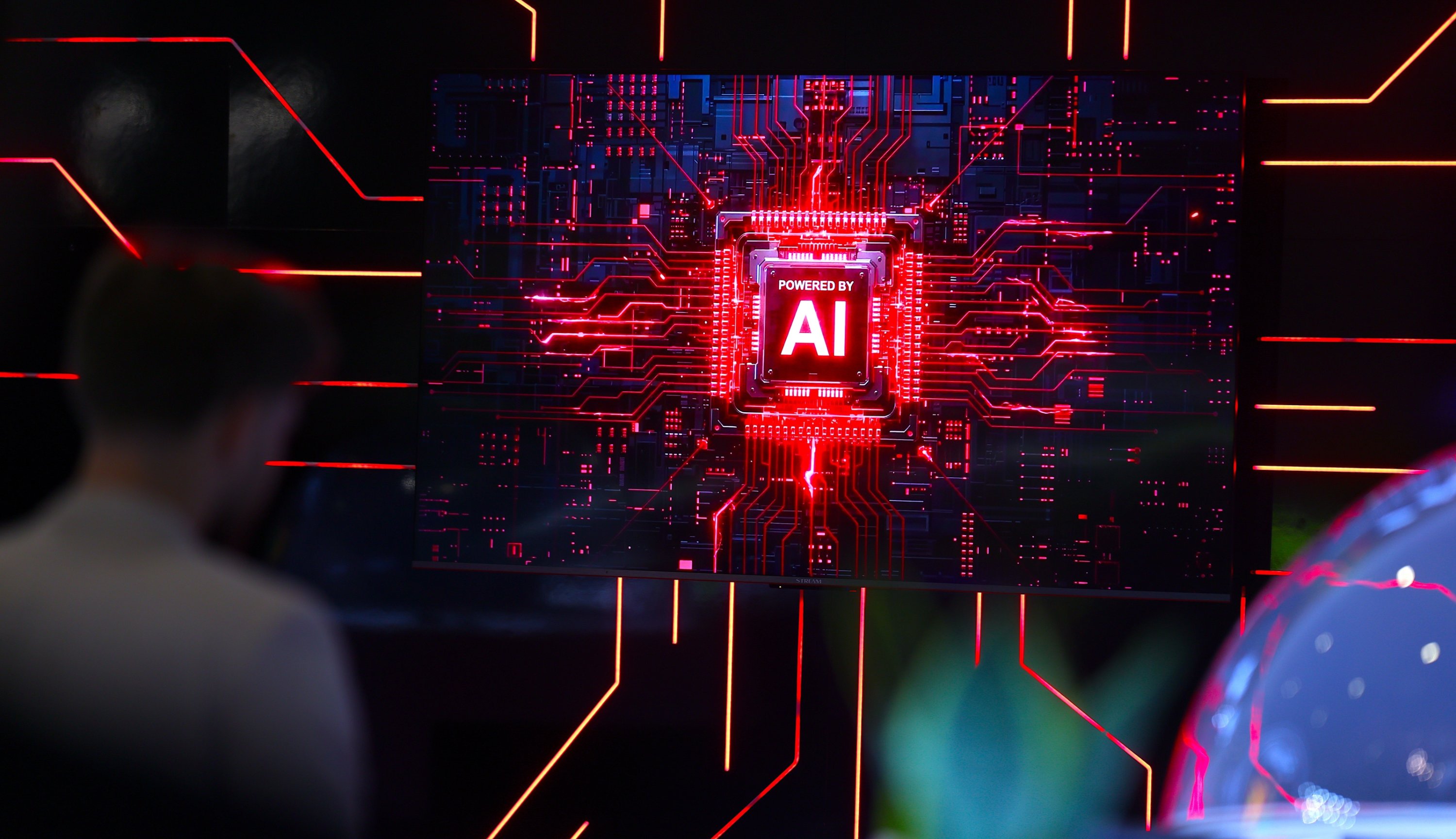
One of the world's longest-running consumer electronics and home technology fairs is expected to be dominated by multifunctional robots using artificial intelligence, ranging from home assistants and educational robots to entertainment and garden robots.
IFA Berlin will be held for the 102nd time at Messe Berlin from Friday through Tuesday. This year's theme is "The Future is Now," with artificial intelligence, smart home ecosystems, sustainability, content creation, digital health and mobility at the center of the event.
Turkish companies are also showing interest in the fair, while humanoid robots are set to take center stage.
As part of IFA Next, the "Robots on the Runway" event will be held for the first time this year, bringing humanoid robots onto the runway to combine technology, movement and spectacle. Together with RoboCup, these events will showcase how robots are moving closer to everyday use in homes, the service sector, health care and industry.
Companies taking part include Unitree, AgiBot, Deep Robotics, EngineAI, Dobot Robot, Cozio Robotics and Germany-based NEURA Robotics.
The humanoid robot sector has long been framed as a U.S.-China race.
However, the presence at the fair of German company NEURA Robotics, which has become one of the world's most valuable robotics startups following a major funding round, is being seen as a sign that the balance may also be shifting in Europe's favor.
At this year's TV showcase, artificial intelligence processing power is emerging as a key selling point alongside screen size. According to market research firm Omdia, Hisense ranked first globally in shipments of 100-inch-and-larger televisions in the first half of 2026, with a 55.1% market share.
Hisense is showing that giant-screen televisions are no longer simply entertainment devices, but gateways for managing the entire smart home. Through its AIOS operating system, the company is turning the television into the home's central smart management hub.
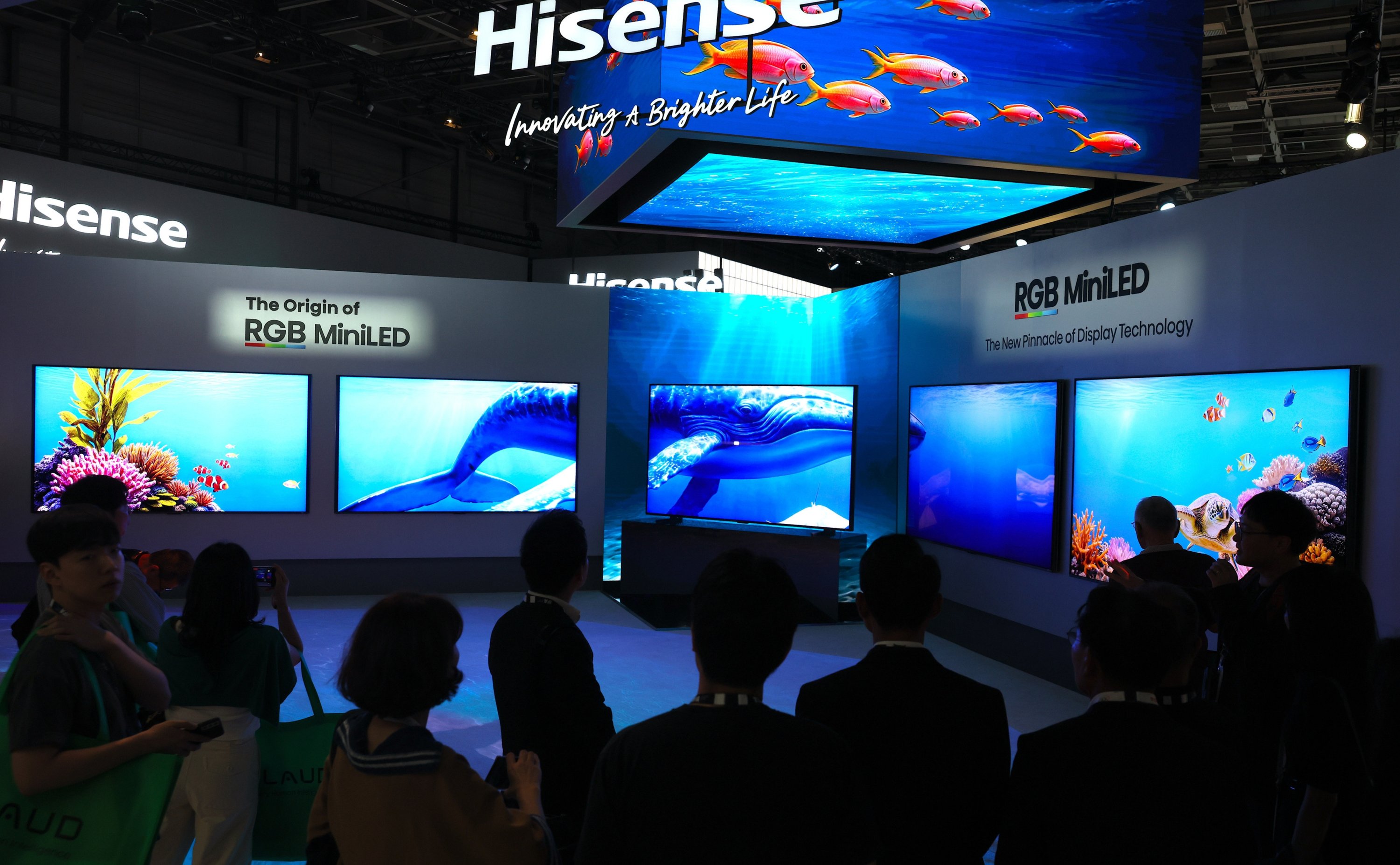
This means everything from food being prepared in the kitchen and shopping information to outdoor temperatures and lighting can be managed from the TV screen. What's more, the TV can change its interface based on who is in front of the screen and at what time.
The brand's UR9 device for living spaces brings together home comfort and energy management. The V AIOS operating system, an evolution of the next-generation VIDAA OS, is built around four core AI capabilities: "Senses, Think, Communicate and Execute." This enables televisions and smart home systems to communicate naturally with users and other devices, while allowing devices to make autonomous decisions on their own.
Apple's longtime CEO Tim Cook handed over the reins to John Ternus, the company's head of hardware engineering, as of Sept. 1, moving into the role of executive chairman of the board.
Apple first announced the leadership change in April, with the transition officially bringing Cook's 15-year tenure as CEO to an end.
Cook completed his final working day as CEO on Aug. 31. During his tenure, he transformed Apple from a company worth around $350 billion into the second company in history to reach a $5 trillion market value.
Coming just ahead of the iPhone 18 launch, the transition can be seen as Cook handing over the AI challenge to a new CEO after building a legacy centered on products and scale.
Cook is not leaving Apple altogether. As executive chair, he will continue to play a role in selected areas of the company, including relations with policymakers around the world. Cook had previously told employees that he planned to remain at Apple for a "long time" and would continue to be involved in the company's priorities.
Ternus takes over at a critical moment for Apple.
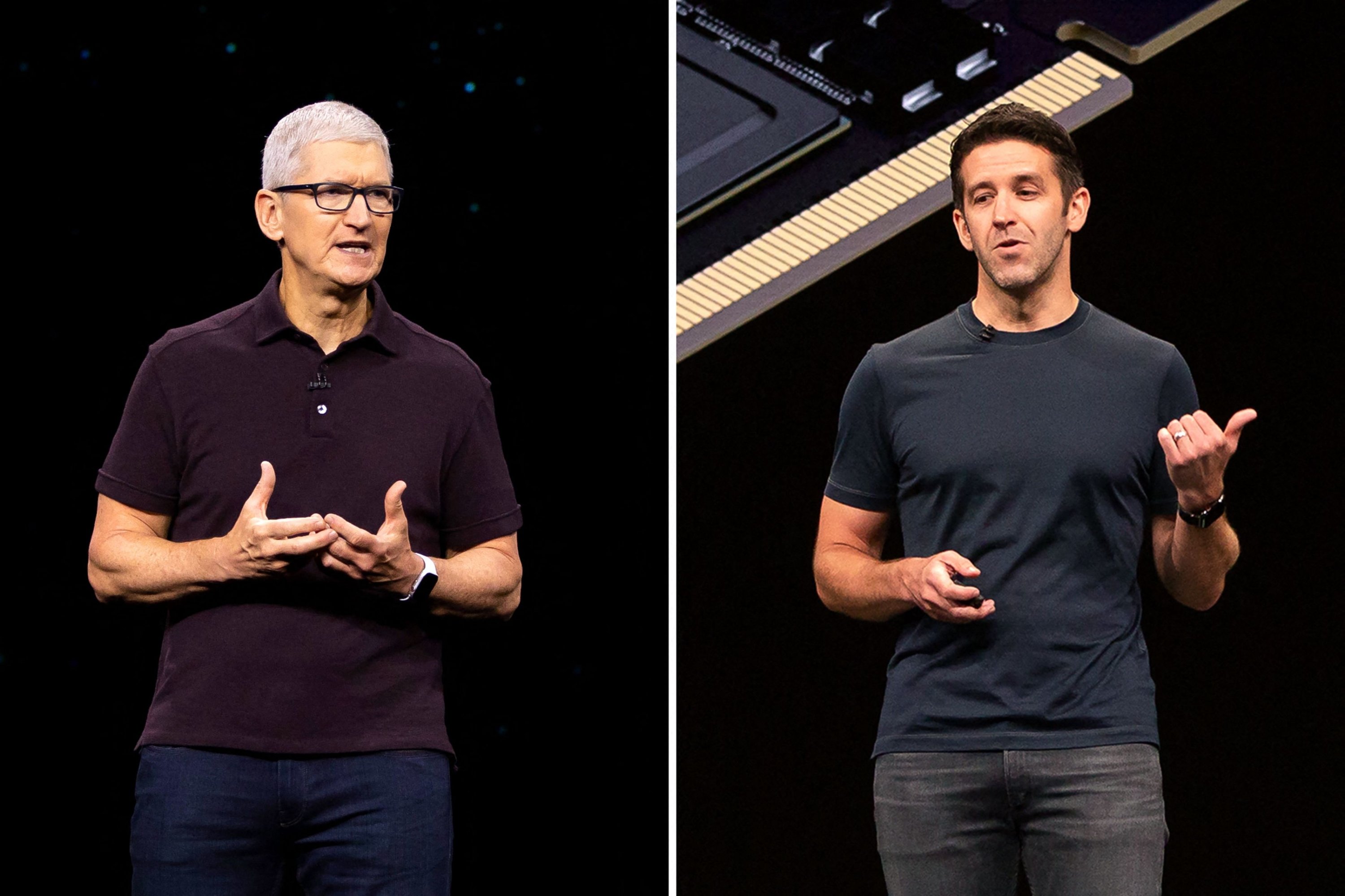
Artificial intelligence has created the biggest upheaval in the technology industry since Steve Jobs unveiled the first iPhone in 2007, while Apple has had a difficult start in delivering the AI features it promised two years ago.
Although the company announced new AI initiatives earlier this year, including updates to its Siri assistant, Apple is still trying to catch up with rivals in the field. Coming from a hardware engineering background, Ternus will have to move outside his comfort zone, particularly when it comes to AI.
As part of the leadership reshuffle, Johny Srouji will become the senior executive responsible for hardware, while Eddy Cue will also take responsibility for the App Store in addition to Apple's services business. Phil Schiller, meanwhile, has stepped back from his responsibilities for the App Store and Apple events, according to Bloomberg.
Ternus will also join Apple's board, while Arthur Levinson, who had served as the board's non-executive chair for 15 years, has moved into the role of lead independent director. The changes come amid a broader executive transition, including the retirement in July of COO Jeff Williams, who was seen as the biggest candidate for the CEO role, after a 27-year career at Apple.
Seeking to keep pace in the AI race, Apple has appointed Amar Subramanya, a veteran of Google and Microsoft, to lead its AI efforts. Subramanya will oversee Apple's foundation models, machine-learning research and AI safety.
One of Türkiye's leading telecoms and tech companies, Türk Telekom is transforming its massive network, which carries telephone and internet traffic, into a self-managing system that will require almost no human intervention. To achieve this, the company is developing what it calls a "No-Code AI Agent Development Platform."
In a beehive, thousands of bees know what to do without being given individual orders; some collect honey, some repair the hive, some regulate its temperature and others warn of danger. No corner of the hive is directed by a "central manager" issuing instructions one by one. Each bee senses changes in its own area and reacts immediately. The entire hive works in harmony, almost like a single living organism.
The new network architecture described by Türk Telekom works in much the same way. Small "AI agents" will operate throughout the network, whether at a base station, on a fiber line, or inside a data center. When one of them detects a problem, it will communicate instantly with other agents and work with them to find a solution, rather than reporting back to a central system and waiting for instructions. Like bees in a hive, each agent will be responsible for its own area while working together for the health of the entire hive, or network.
Until now, building such a system would have required specialist software developers to spend months writing code. Türk Telekom's platform aims to make the process as simple as adding a worker bee to a hive and assigning it a new task: even an employee with no coding skills will be able to create their own "agent" simply by describing what they want it to do. Once activated, the agent will be able to work in coordination with the rest of the hive.
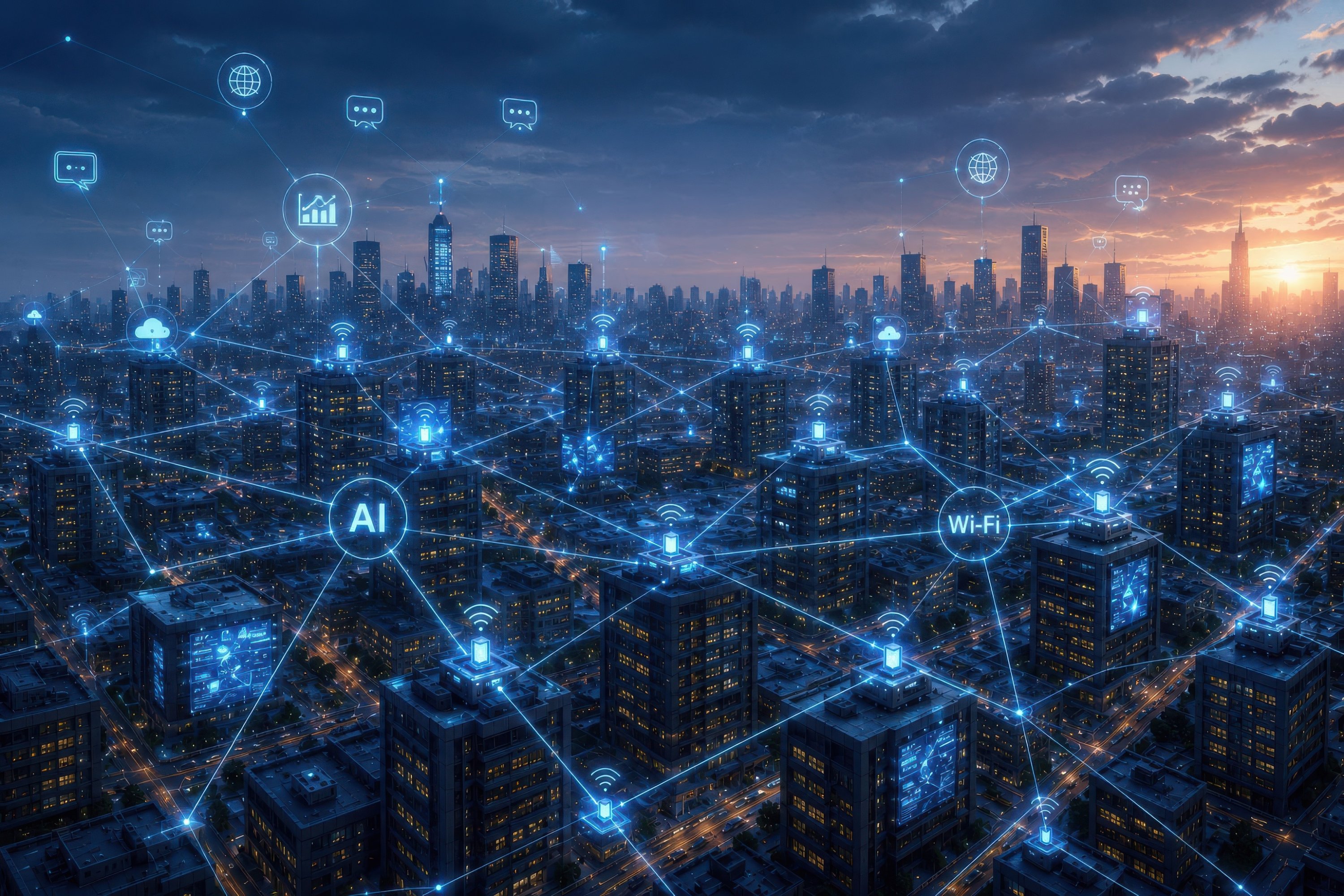
The company aims to bring the system to Level 4 and Level 5 autonomy under international standards. This can be compared with autonomous driving in the automotive industry: Levels 4 and 5 correspond to "driverless" vehicles, where the vehicle makes its own decisions and humans are essentially left to monitor the system.
Türk Telekom also aims to take its network to a point where it can independently manage a wide range of processes, from fault detection and energy savings to capacity planning and customer experience.
Zafer Orhan, Türk Telekom's deputy general manager responsible for networks, emphasized that the initiative is intended to reduce Türkiye's dependence on foreign technologies in artificial intelligence.
According to Orhan, the platform will not only serve as a tool to assist employees; it will also transform the network itself into a system that can "detect and resolve faults in advance and optimize itself."
Türk Telekom is also working to transform its network from a collection of machines requiring constant human supervision into a system capable of monitoring its own health, "healing" itself and making its own decisions when necessary.
It is much like a healthy body resolving many minor problems on its own before there is ever a need to see a doctor. The company also said it remained the industry leader in patent applications for a second consecutive year, according to 2025 data from the Ministry of Industry and Technology. Its work is focused particularly on 5G/6G communications, satellite-connected communications and AI-powered network management.