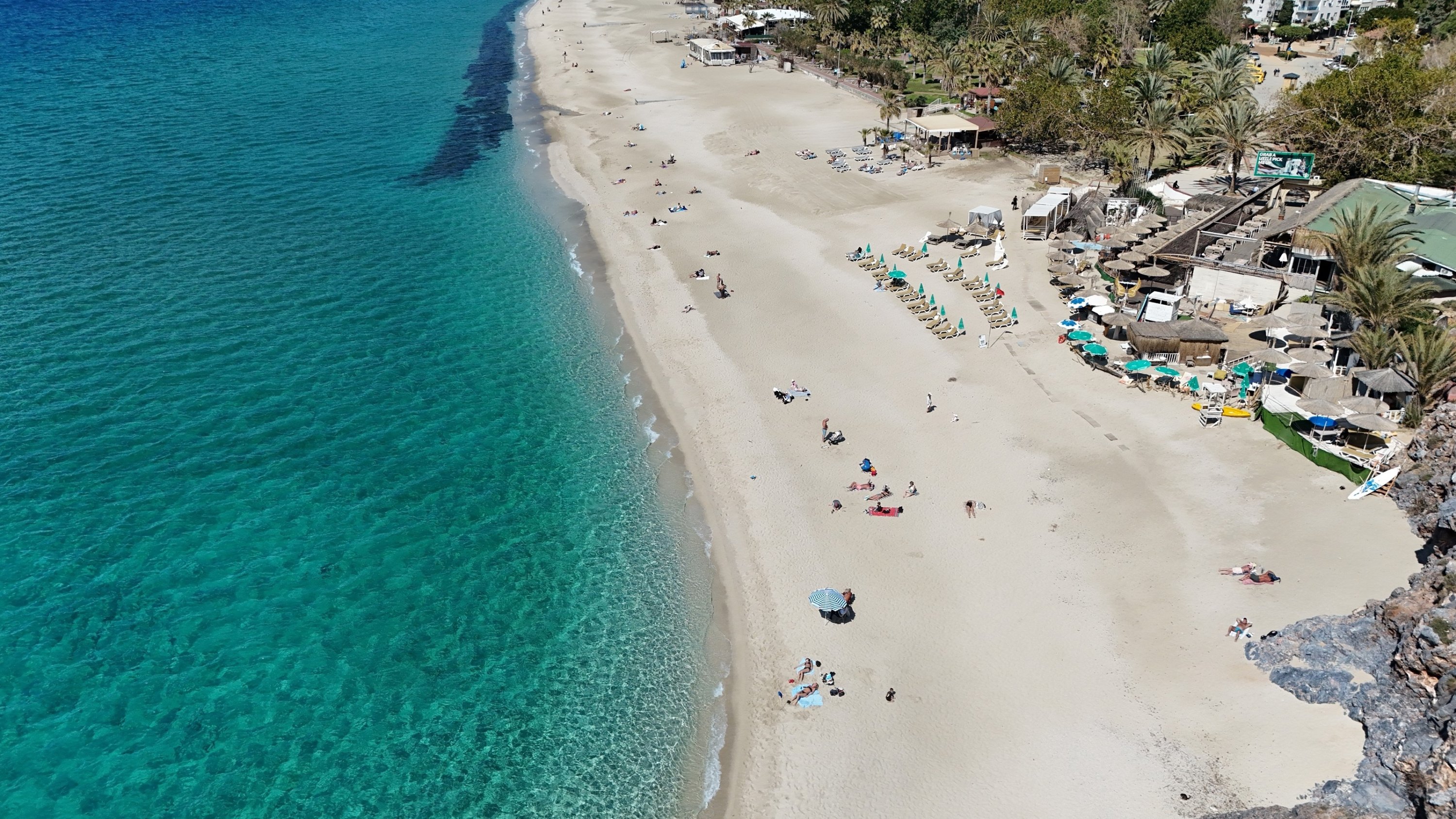
Despite geopolitical tensions in the Middle East, German holidaymakers are not abandoning their travel plans, but are instead turning to destinations like Türkiye, which offer safety and good value for money, according to the insights of the German Travel Association (DRV).
DRV officials evaluated the impact of rising tensions in the Middle East on tourism with an analysis shared with Anadolu Agency (AA) reporters.
The analysis emphasized that although geopolitical conflicts may cause short-term slowdowns, the sector remains resilient, and Germans' desire to travel will not likely change in the long term.
The effect of rising airline fuel costs, driven by the conflicts' impact on global oil markets and ticket prices, varies depending on demand, flight capacities and airlines' long-term fuel hedging agreements. The analysis also noted that intense competition on many routes acts as a balancing factor on prices.
The analysis also stated that the overall outcome will depend on the duration of the Middle East conflict.
It highlighted the region's strategic importance, particularly for flights to Asia, Australia and New Zealand due to its critical transit hubs. While it is still too early to predict how the situation will evolve in summer or autumn, Türkiye's position as a leading destination was emphasized.
According to DRV data, Türkiye was the most popular destination in terms of both revenue and bookings for the summer season (May-October), an AA report indicated on Sunday.
Spain and Greece followed Türkiye.
German holidaymakers are said to be planning their summer and autumn trips much earlier than in previous years, and Türkiye is expected to maintain its place among the top three destinations in summer 2026 thanks to its strong value-for-money proposition.
DRV officials highlighted that Germans focus on reliability and safety, especially during uncertain periods.
DRV data shows that package tours including flights, which provide professional crisis management and financial security, saw a 14% increase in revenue and a 12% increase in guest numbers compared to last year.
DRV President Albin Loidl commented on the situation in the Middle East, suggesting that "past crises have proven that tourism is an extremely resilient sector."
"Once stability is restored, people’s desire to travel quickly returns," AA quoted Loidl as saying.
"Geopolitical conflicts may slow tourism in the short term, but they cannot change Germans' passion for travel in the long term. Tourists do not abandon travel; they shift to alternative routes," he added.
"Safety is always a priority, yet tourism always finds its way after crises."