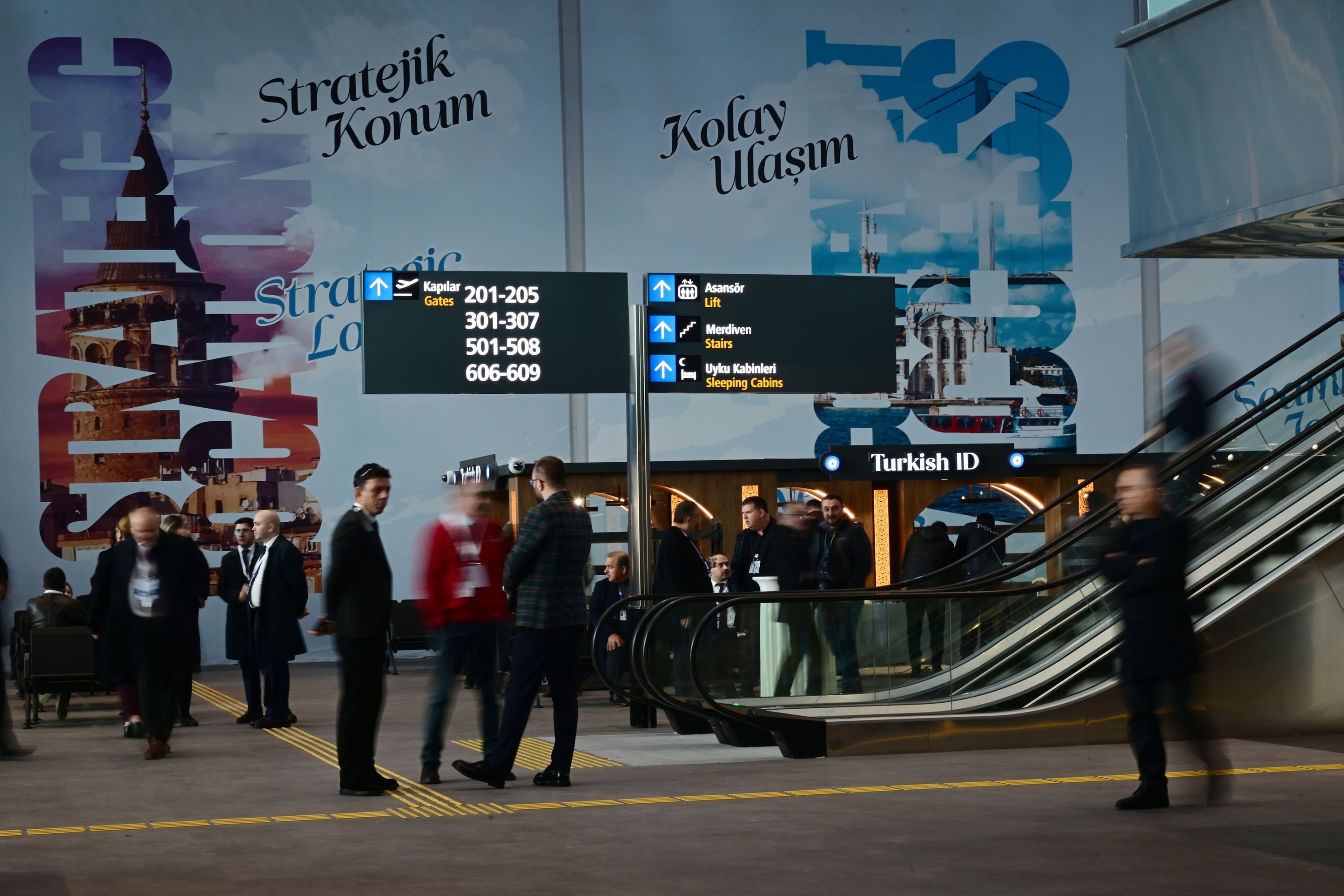
Türkiye brought the main terminal at its second-largest airport back into service on Monday as it opened the first phase of a major renovation project that lifts its annual capacity to over 50 million passengers.
The modernization of Terminal 1 at the Sabiha Gökçen International Airport was designed to meet rising passenger demand, Transport and Infrastructure Minister Abdulkadir Uraloğlu told the opening ceremony.
"With the newly completed works, the first terminal building, T1, has been brought back to life through modern architecture, advanced technological infrastructure, passenger comfort-oriented solutions and sustainable structure," Uraloğlu said.
Growth at Sabiha Gökçen, located on Istanbul's Asian side, gained unprecedented pace after the opening of a second runway in late 2023, which boosted capacity and enabled operations by wide-body aircraft.
"With new taxiways, high-capacity aprons, a traffic control tower and state-of-the-art superstructures, air traffic capacity has increased significantly," Uraloğlu said, stressing this reflected on the figures.
Sabiha Gökçen served 44.2 million passengers in the first 11 months of 2025, up 31% year-over-year, surpassing the full-year record of 41.4 million set in 2024.
By mid-December, the total count had already exceeded 46 million and is expected to reach around 48 million as of the end of the year, Uraloğlu said.
Under the Phase 1 opened on Monday, T1 has been rebuilt with a modern architectural design, upgraded technological infrastructure and sustainability-focused features.
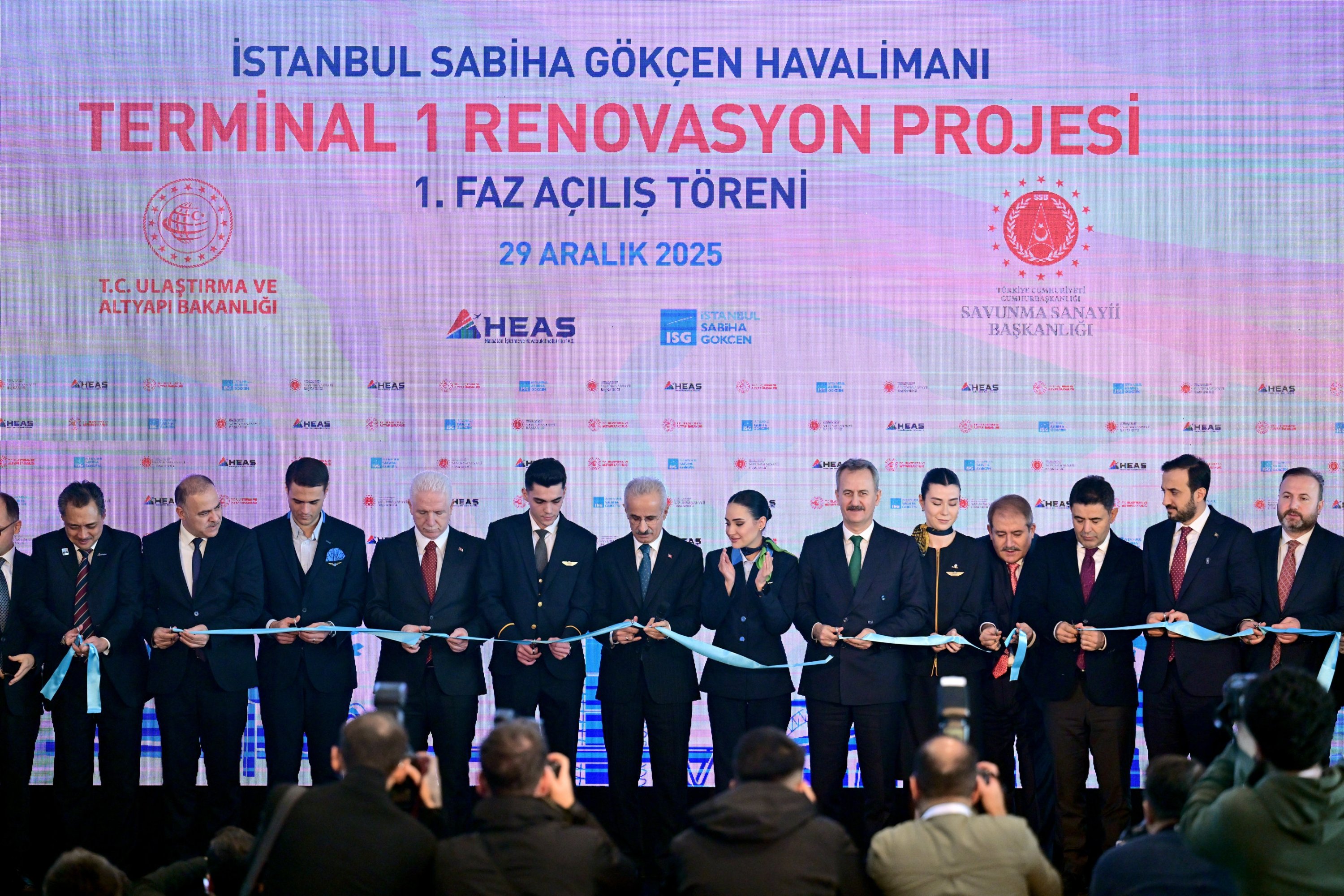
The completion of the project will add significant momentum to both capacity and passenger comfort, said Uraloğlu.
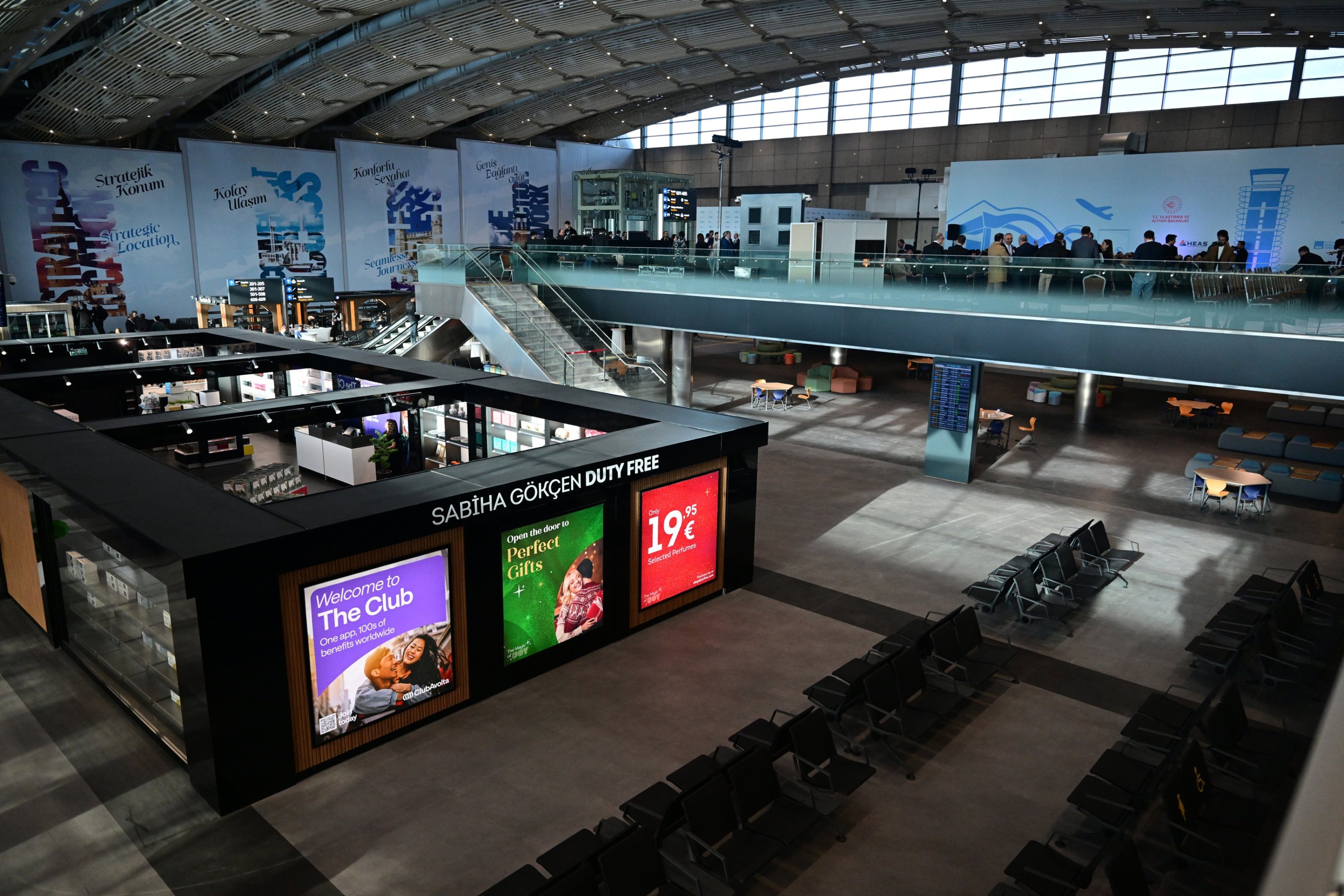
Terminal 1 has been physically integrated with Terminal 2 through a 240-meter-long (787-foot-long), 10.5-meter-wide connection bridge. The combined indoor area of the two terminals has reached 265,000 square meters, officials said.
As part of Phase 1, a 2,560-square-meter remote aircraft waiting lounge has also been completed, capable of serving 10 aircraft simultaneously, said Uraloğlu.
The facility includes five boarding gates, a 150-square-metre duty-free area, food and beverage zones.
Uraloğlu said the project also includes a comprehensive reorganization of landside access and parking areas to improve accessibility and traffic flow at the airport.
Once Phase 2 and Phase 3 are completed, Terminal 1 will add an additional annual capacity of 5.5 million passengers, according to the minister.
Uraloğlu described Sabiha Gökçen as a strategic center that pushes boundaries, providing solutions to Istanbul's growing transportation needs and strengthening Türkiye's position in the global aviation arena by increasing its share in international air traffic.
He stressed the government's aviation strategy, pointing to Türkiye's geographic advantage.
"We are located at the center of a region where 1.5 billion people live within a four-hour flight radius, spanning 67 countries with a combined economic size exceeding $55 trillion," he added.
Over the past two decades, the number of active airports in Türkiye has increased from 26 in 2002 to 58, said Uraloğlu, adding that the figure is set to rise to 60 with the completion of Yozgat Airport and the Bayburt-Gümüşhane Regional Airport.
Türkiye's total domestic and international passenger traffic rose from around 34 million passengers more than 20 years ago to 231 million as of the end of 2024, ranking the country third in Europe and seventh globally, Uraloğlu said.
In the first 11 months of this year alone, airports handled 229.7 million passengers, including 77.5 million at Istanbul Airport, where Türkiye achieved a first in Europe by launching triple runway operations in mid-April.
"We have made history as the only country to implement this practice after the United States," Uraloğlu said.
"By enabling simultaneous take-offs and landings for three aircraft at Istanbul Airport, we have eliminated potential delays through more efficient and dynamic capacity management. Simultaneously, we have maximized fuel savings by reducing aircraft circling times in the air," he added.
Uraloğlu also noted that Türkiye now flies to 355 destinations in 132 countries, up from 60 destinations in 50 countries in 2003, while the number of bilateral air transport agreements has increased to 175 from 81.
"We are among the leading countries in the world with the highest number of agreements in this field," he said.