

In recent days, the diplomatic traffic has been quite heavy in the Turkish capital Ankara. Just as we mark the first anniversary of Operation Euphrates Shield, Turkish officials are holding talks with representatives from countries with vested interests in Syria and Iraq. Recent visits by top generals from Iran and Russia, along with U.S. Defense Secretary James Mattis, deserved special attention. President Recep Tayyip Erdoğan's trip to Jordan, coupled with Foreign Minister Mevlüt Çavuşoğlu's visit to Iraq, were equally important.
It would appear that the heavy diplomatic traffic is a sign of major developments in Syria and Iraq. In Syria, Afrin, Idlib and Deir ez-Zor are likely to become hotspots, whereas Qandil, Sinjar and the KRG in general could set the stage for a confrontation in Iraq. Once the new fronts are opened, the region will have reached the final stage of the ongoing civil wars.
Ever since Russia interfered in the Syrian civil war back in 2015, three things have become increasingly clear:
1- The countries with vested interests in Syria and Iraq shape their specific policies based on the practical realities and needs on the ground as opposed to broader alliances. In line with their national interests and strategic approaches, they adopt certain tactics to adapt to changing circumstances. In most cases, principles, existing alliances and even consistency factor into decisions. Washington's willingness to cooperate with Turkey against the PKK militants in Iraq while supporting and protecting the People's Protection Units (YPG) terrorists in Syria is a case in point. Likewise, Iran wants to work with the Turks to launch joint operations against the PKK-YPG and prevent the independence referendum in northern Iraq although Ankara and Tehran support opposite sides in Syria. Efforts to strike new deals inevitably transform the original positions of both sides and give rise to a new regional balance of power – such as the Iranians trying to work more closely with Turkey in response to Washington's plans to contain and isolate Tehran's influence in Iraq and Syria or the emergence of the YPG threat as Turkey's top priority in Syria.
2- As the fight against Daesh slowly reaches its conclusion, the Assad regime in Syria and the central government in Iraq are becoming more and more powerful. KRG President Masoud Barzani's commitment to the independence referendum (despite failing to secure the support of any regional power but Israel) shows that he understands where Iraq is headed – as much as his eagerness to control Kurdish nationalist sentiments at the expense of Gorran and the PKK.
3- Countries with no hard power instruments on the ground lose their influence as potential military action against non-Daesh militants, such as the YPG and Shiite militias, increase the risk of new conflict zones and new sides emerging in the area. If true, the balance of power could change completely in Syria and Iraq. Over the next two months, significant changes could take place in the region.
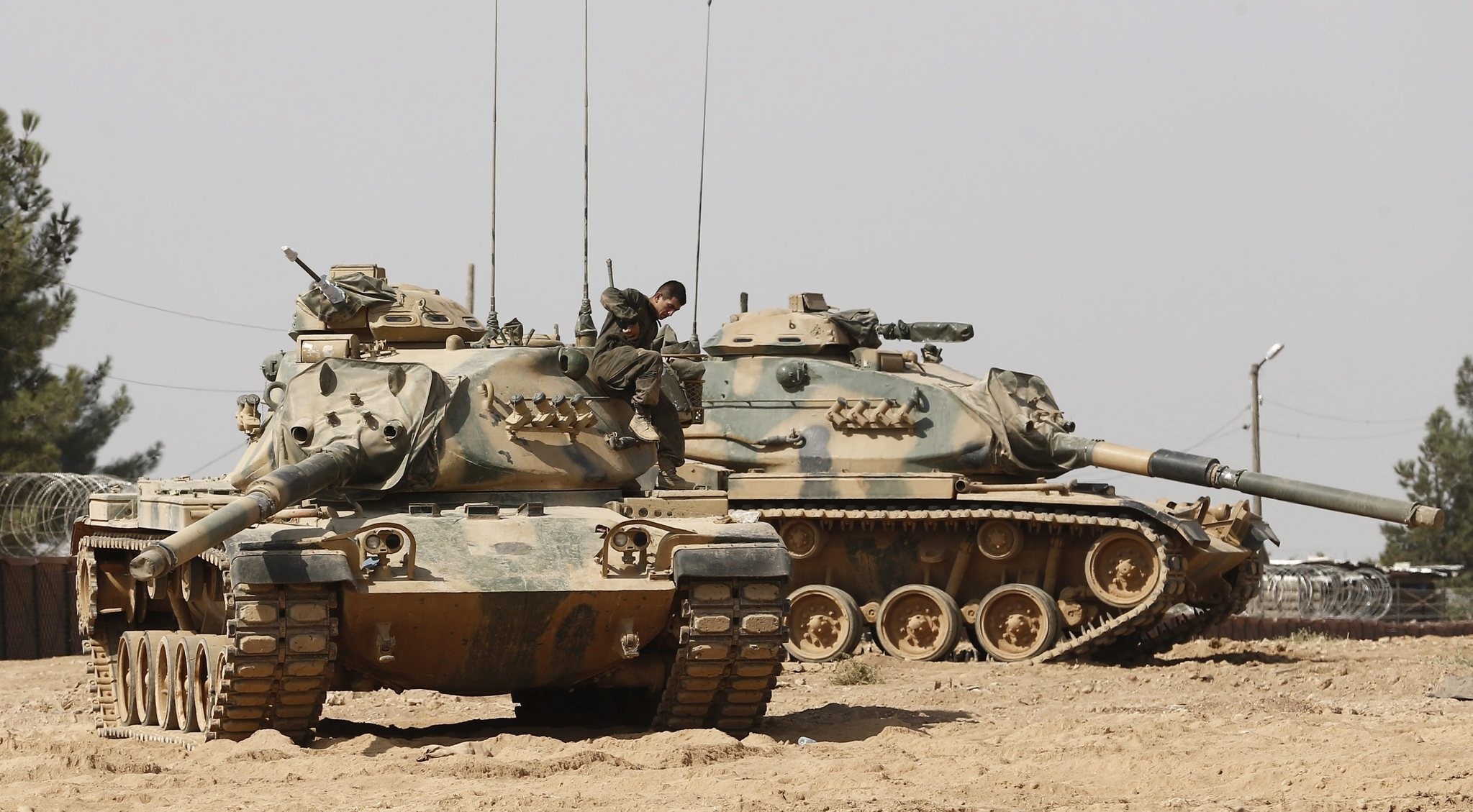
Since I mentioned hard power instruments, I should stress that Operation Euphrates Shield marked a turning point in Turkish foreign policy, including Ankara's approach to the situation in Syria. Against the backdrop of constant chatter about potential military operations in Afrin and Idlib, it is important to recall the lessons of Euphrates Shield.
Operation Euphrates Shield, an overdue incursion that ended in success, clearly took the Turkish military's technical capabilities to the next level and strengthened Turkey's ties with local partners. However, a recent report published by the SETA Foundation's titled "Operation Euphrates Shield: Lessons Learned" warns that Turkey needs to increase its capacity in the following areas: Group-specific threat assessment, public diplomacy, the adaptation of the security sector to new threats, strategic flexibility in diplomacy, the timing of military operations, counter-terrorism efforts centered around local communities, the tactical use and modernization of armored units, the use and functionality of drones and coordination between the various intelligence agencies.

