Daily Sabah logo

Politics
Diplomacy Legislation War On Terror EU Affairs Elections News Analysis
TÜRKİYE
Istanbul Education Investigations Minorities Expat Corner Diaspora
World
Mid-East Europe Americas Asia Pacific Africa Syrian Crisis Islamophobia
Business
Automotive Economy Energy Finance Tourism Tech Defense Transportation News Analysis
Lifestyle
Health Environment Travel Food Fashion Science Religion History Feature Expat Corner
Arts
Cinema Music Events Portrait Reviews Performing Arts
Sports
Football Basketball Motorsports Tennis
Opinion
Columns Op-Ed Reader's Corner Editorial
PHOTO GALLERY
JOBS ABOUT US RSS PRIVACY CONTACT US
© Turkuvaz Haberleşme ve Yayıncılık 2025

Daily Sabah - Latest & Breaking News from Turkey | Istanbul

  • Politics
    • Diplomacy
    • Legislation
    • War On Terror
    • EU Affairs
    • Elections
    • News Analysis
  • TÜRKİYE
    • Istanbul
    • Education
    • Investigations
    • Minorities
    • Expat Corner
    • Diaspora
  • World
    • Mid-East
    • Europe
    • Americas
    • Asia Pacific
    • Africa
    • Syrian Crisis
    • Islamophobia
  • Business
    • Automotive
    • Economy
    • Energy
    • Finance
    • Tourism
    • Tech
    • Defense
    • Transportation
    • News Analysis
  • Lifestyle
    • Health
    • Environment
    • Travel
    • Food
    • Fashion
    • Science
    • Religion
    • History
    • Feature
    • Expat Corner
  • Arts
    • Cinema
    • Music
    • Events
    • Portrait
    • Reviews
    • Performing Arts
  • Sports
    • Football
    • Basketball
    • Motorsports
    • Tennis
  • Gallery
  • Opinion
    • Columns
    • Op-Ed
    • Reader's Corner
    • Editorial
  • TV

Invasive species set to exploit climate change in Antarctica

by

WASHINGTON Nov 29, 2019 - 5:39 pm GMT+3
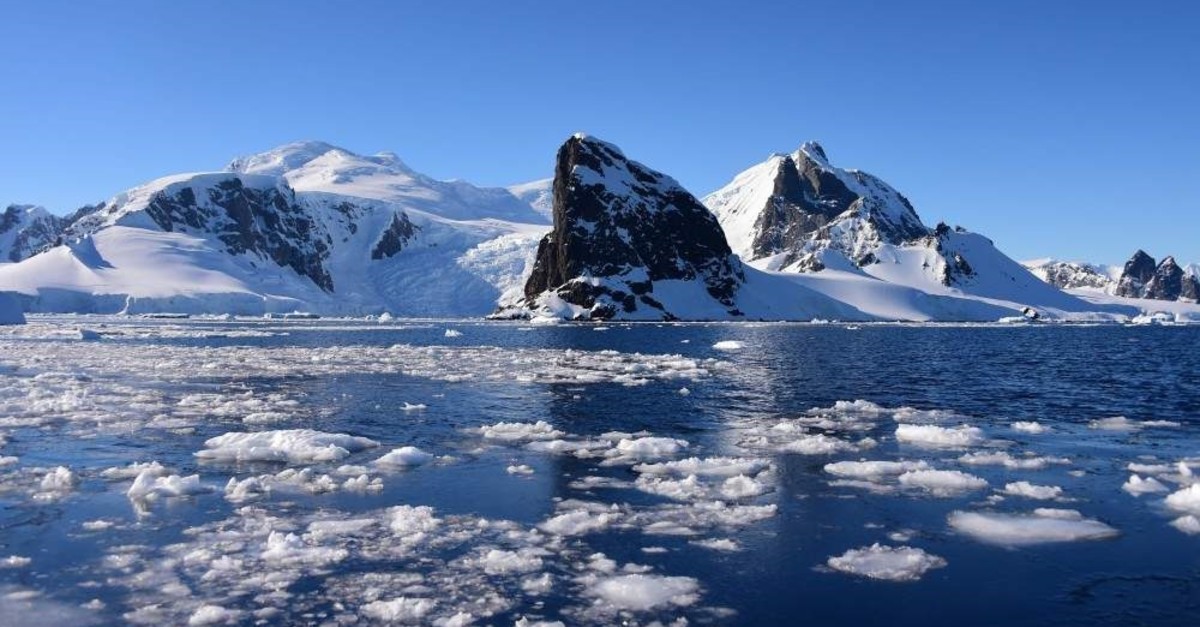
A view of Orne Harbour near the South Shetland Islands, Antarctica, Nov. 8, 2019. (AFP)
by Nov 29, 2019 5:39 pm
In the tiny part of Antarctica where the snow melts in springtime, moss, lichen and grass grow alongside flies, mites and colonies of microorganisms that have fed and reproduced for millions of years. The rich biodiversity is preserved by an ancient equilibrium of extreme cold and the isolation of a landmass surrounded by powerful ocean currents.
But scientists argue that climate change will make it easier for invasive species to establish themselves, even though the continent is warming at a slower pace than other parts of the planet.
"Climate change both reduces the barrier to getting in, so it makes it less stressful... and it reduces the problems of establishing," said British Antarctic Survey expert Peter Convey.

Antarctica is home to species that can gather in greater densities than those seen in temperate or tropical climates, said Convey, pointing to microscopic arthropods known as Collembola, a million of which can squeeze into a square meter. Thousands of researchers and 50,000 tourists who visit the remote continent every year risk upsetting this balance, however, by bringing plant and insect life with them. One type of grass, Poa annua, has already managed to carve out a beachhead on some islands, while humans have also brought with them two species of flies.
Some species do manage to fly in or arrive by other natural means from the tip of South America some 1,000 kilometers away, but these migrants do not manage to establish themselves permanently.
"The bottom line is that humans bring in 99% of (invasive species), and they far outweigh any natural process," said Convey, who can name around 100 that have been introduced over the past two centuries.

At the current rate of warming, the area of ice-free land on the Antarctic peninsula, in the west, is set to rise by 300% in the next century. That means any invasive species will have a lot more land to colonize, said the scientist.
With more land and more water available thanks to melting ice, life is likely to explode, and competition for resources between species will intensify. Grasses will fight against mosses, local species of flies will face off against invaders. The exact effect is difficult to precisely predict.
The Antarctic Treaty of 1959 provides for the protection of the continent's environment.
  • shortlink copied
  • Last Update: Dec 20, 2019 2:00 am
    KEYWORDS
    life
    The Daily Sabah Newsletter
    Keep up to date with what’s happening in Turkey, it’s region and the world.
    You can unsubscribe at any time. By signing up you are agreeing to our Terms of Use and Privacy Policy. This site is protected by reCAPTCHA and the Google Privacy Policy and Terms of Service apply.

    No Image
    Landslide hits Peruvian town, buries dozens of houses
    PHOTOGALLERY
    • POLITICS
    • Diplomacy
    • Legislation
    • War On Terror
    • EU Affairs
    • News Analysis
    • TÜRKİYE
    • Istanbul
    • Education
    • Investigations
    • Minorities
    • Diaspora
    • World
    • Mid-East
    • Europe
    • Americas
    • Asia Pacific
    • Africa
    • Syrian Crisis
    • İslamophobia
    • Business
    • Automotive
    • Economy
    • Energy
    • Finance
    • Tourism
    • Tech
    • Defense
    • Transportation
    • News Analysis
    • Lifestyle
    • Health
    • Environment
    • Travel
    • Food
    • Fashion
    • Science
    • Religion
    • History
    • Feature
    • Expat Corner
    • Arts
    • Cinema
    • Music
    • Events
    • Portrait
    • Performing Arts
    • Reviews
    • Sports
    • Football
    • Basketball
    • Motorsports
    • Tennis
    • Opinion
    • Columns
    • Op-Ed
    • Reader's Corner
    • Editorial
    • Photo gallery
    • DS TV
    • Jobs
    • privacy
    • about us
    • contact us
    • RSS
    © Turkuvaz Haberleşme ve Yayıncılık 2021