Daily Sabah logo

Politics
Diplomacy Legislation War On Terror EU Affairs Elections News Analysis
TÜRKİYE
Istanbul Education Investigations Minorities Expat Corner Diaspora
World
Mid-East Europe Americas Asia Pacific Africa Syrian Crisis Islamophobia
Business
Automotive Economy Energy Finance Tourism Tech Defense Transportation News Analysis
Lifestyle
Health Environment Travel Food Fashion Science Religion History Feature Expat Corner
Arts
Cinema Music Events Portrait Reviews Performing Arts
Sports
Football Basketball Motorsports Tennis
Opinion
Columns Op-Ed Reader's Corner Editorial
PHOTO GALLERY
JOBS ABOUT US RSS PRIVACY CONTACT US
© Turkuvaz Haberleşme ve Yayıncılık 2026

Daily Sabah - Latest & Breaking News from Turkey | Istanbul

  • Politics
    • Diplomacy
    • Legislation
    • War On Terror
    • EU Affairs
    • Elections
    • News Analysis
  • TÜRKİYE
    • Istanbul
    • Education
    • Investigations
    • Minorities
    • Expat Corner
    • Diaspora
  • World
    • Mid-East
    • Europe
    • Americas
    • Asia Pacific
    • Africa
    • Syrian Crisis
    • Islamophobia
  • Business
    • Automotive
    • Economy
    • Energy
    • Finance
    • Tourism
    • Tech
    • Defense
    • Transportation
    • News Analysis
  • Lifestyle
    • Health
    • Environment
    • Travel
    • Food
    • Fashion
    • Science
    • Religion
    • History
    • Feature
    • Expat Corner
  • Arts
    • Cinema
    • Music
    • Events
    • Portrait
    • Reviews
    • Performing Arts
  • Sports
    • Football
    • Basketball
    • Motorsports
    • Tennis
  • Gallery
  • Opinion
    • Columns
    • Op-Ed
    • Reader's Corner
    • Editorial
  • TV

Devastating wheat disease may re-emerge in Britain and Europe, scientists say

by

ROME Feb 08, 2018 - 12:00 am GMT+3
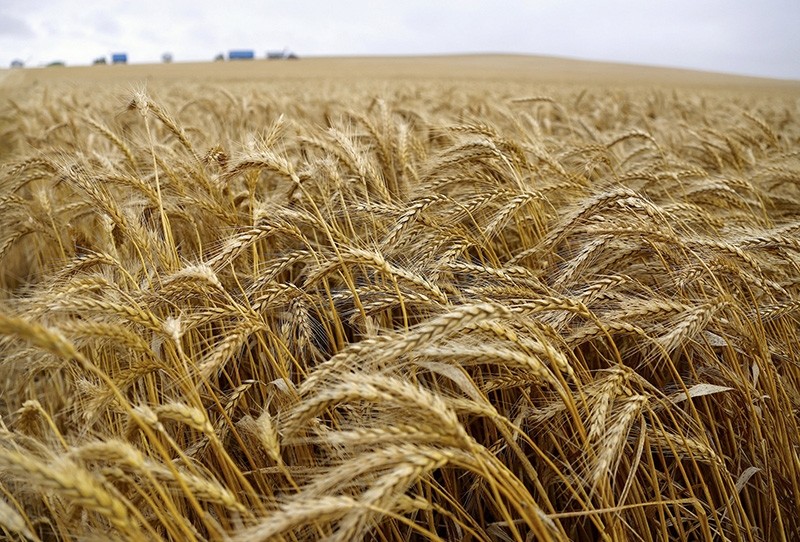
 Reuters File Photo
| Reuters File Photo
by Feb 08, 2018 12:00 am

A devastating disease that attacks barley and wheat - the world's most widely grown crop - could re-emerge in Britain, scientists said on Thursday.

Over 80 percent of 57 wheat varieties tested in Britain are susceptible to the strain of stem rust that was discovered in an infected plant in Suffolk in 2013, the first time the disease has reappeared since 1955, they said.

The same strain battered wheat crops in Ethiopia, and caused smaller outbreaks in Sweden, Denmark and Germany in 2013, a study in the journal Communications Biology said.

These outbreaks, as well as the infection in Britain, are "a warning sign" to take immediate action, Diane Saunders, a plant pathologist at the U.K.-based John Innes Center and lead author of the study, told the Thomson Reuters Foundation.

Stem rust can devastate wheat, the source of food and livelihoods for more than 1 billion people in developing countries, according to the United Nations' Food and Agriculture Organization (FAO).

It could wipe out 70 percent or more of the crop, turning a healthy looking crop, only weeks away from harvest, into a tangle of black stems and shriveled grains, the agency said.

The risks posed by wheat rusts are growing, with modern versions of the fungus becoming ever more virulent, evolving to adapt to the earth's higher temperatures, the FAO said.

Breeding wheat varieties resistant to the disease is key to controlling it and this can take a long time, Saunders said.

"Even if we have a resistant wheat line today that we just developed, it would take 10 years to get them to market," she said in a phone interview.

"There's very little resistance within our wheat varieties and if we did have an outbreak today, it could be quite devastating."

In the meantime, barberry bushes - an alternate host for stem rust - should not be planted near arable lands to prevent them from facilitating sexual reproduction and the re-infection of cereal crops, said Saunders.

The study's authors said they discovered stem rust in a barberry bush "within a meter of a barley field" in 2017.

Efforts to conserve the barberry carpet moth, an endangered species, have led to the planting of barberry across the U.K. in the past two decades, the study said.

Wheat rust diseases, caused by fungal pathogens, were so feared by ancient Romans they sacrificed animals to appease the rust god Robigus each spring.

Changes in climate conditions over the past 25 years, such as warming temperatures and wetter summers, have created "increasingly conducive conditions for infection" in Britain and Europe, the researchers added.


About the author
Research Associate at Center for Islam and Global Affairs (CIGA) at Istanbul Sabahattin Zaim University
  • shortlink copied
  • Last Update: Feb 08, 2018 3:09 pm
    KEYWORDS
    life
    The Daily Sabah Newsletter
    Keep up to date with what’s happening in Turkey, it’s region and the world.
    You can unsubscribe at any time. By signing up you are agreeing to our Terms of Use and Privacy Policy. This site is protected by reCAPTCHA and the Google Privacy Policy and Terms of Service apply.
    Türkiye's new Altay main battle tank ready for army tests
    PHOTOGALLERY
    • POLITICS
    • Diplomacy
    • Legislation
    • War On Terror
    • EU Affairs
    • News Analysis
    • TÜRKİYE
    • Istanbul
    • Education
    • Investigations
    • Minorities
    • Diaspora
    • World
    • Mid-East
    • Europe
    • Americas
    • Asia Pacific
    • Africa
    • Syrian Crisis
    • İslamophobia
    • Business
    • Automotive
    • Economy
    • Energy
    • Finance
    • Tourism
    • Tech
    • Defense
    • Transportation
    • News Analysis
    • Lifestyle
    • Health
    • Environment
    • Travel
    • Food
    • Fashion
    • Science
    • Religion
    • History
    • Feature
    • Expat Corner
    • Arts
    • Cinema
    • Music
    • Events
    • Portrait
    • Performing Arts
    • Reviews
    • Sports
    • Football
    • Basketball
    • Motorsports
    • Tennis
    • Opinion
    • Columns
    • Op-Ed
    • Reader's Corner
    • Editorial
    • Photo gallery
    • DS TV
    • Jobs
    • privacy
    • about us
    • contact us
    • RSS
    © Turkuvaz Haberleşme ve Yayıncılık 2021