Daily Sabah logo

Politics
Diplomacy Legislation War On Terror EU Affairs Elections News Analysis
TÜRKİYE
Istanbul Education Investigations Minorities Expat Corner Diaspora
World
Mid-East Europe Americas Asia Pacific Africa Syrian Crisis Islamophobia
Business
Automotive Economy Energy Finance Tourism Tech Defense Transportation News Analysis
Lifestyle
Health Environment Travel Food Fashion Science Religion History Feature Expat Corner
Arts
Cinema Music Events Portrait Reviews Performing Arts
Sports
Football Basketball Motorsports Tennis
Opinion
Columns Op-Ed Reader's Corner Editorial
PHOTO GALLERY
JOBS ABOUT US RSS PRIVACY CONTACT US
© Turkuvaz Haberleşme ve Yayıncılık 2025

Daily Sabah - Latest & Breaking News from Turkey | Istanbul

  • Politics
    • Diplomacy
    • Legislation
    • War On Terror
    • EU Affairs
    • Elections
    • News Analysis
  • TÜRKİYE
    • Istanbul
    • Education
    • Investigations
    • Minorities
    • Expat Corner
    • Diaspora
  • World
    • Mid-East
    • Europe
    • Americas
    • Asia Pacific
    • Africa
    • Syrian Crisis
    • Islamophobia
  • Business
    • Automotive
    • Economy
    • Energy
    • Finance
    • Tourism
    • Tech
    • Defense
    • Transportation
    • News Analysis
  • Lifestyle
    • Health
    • Environment
    • Travel
    • Food
    • Fashion
    • Science
    • Religion
    • History
    • Feature
    • Expat Corner
  • Arts
    • Cinema
    • Music
    • Events
    • Portrait
    • Reviews
    • Performing Arts
  • Sports
    • Football
    • Basketball
    • Motorsports
    • Tennis
  • Gallery
  • Opinion
    • Columns
    • Op-Ed
    • Reader's Corner
    • Editorial
  • TV

Japanese researchers inject stem cells into patient's brain to treat Parkinson's in historic first

by

TOKYO Nov 09, 2018 - 12:00 am GMT+3
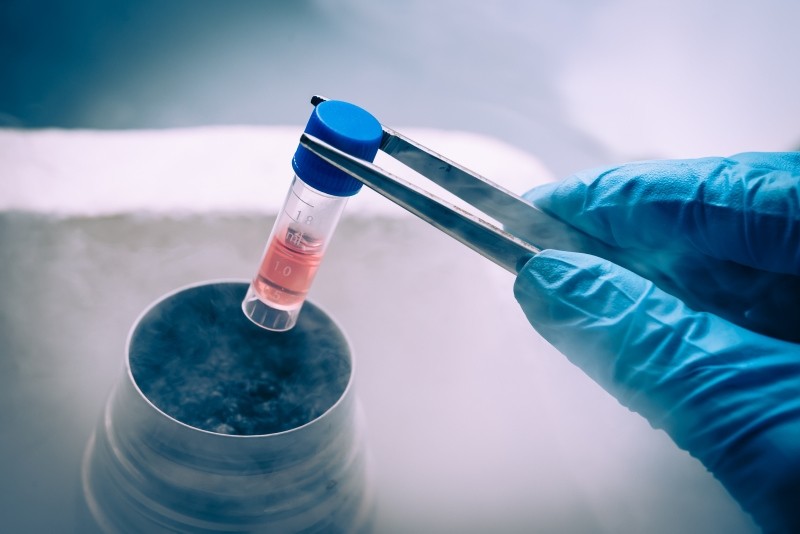
A Liquid Nitrogen bank containing suspension of stem cells. (FILE/ Getty Images/ iStockphoto)
by Nov 09, 2018 12:00 am

Japanese researchers said Friday they have transplanted stem cells into the brain of a patient in the first stage of an innovative trial to cure Parkinson's disease.

The research team at Kyoto University injected induced Pluripotent Stem (iPS) cells -- which have the potential to develop into any cell in the body -- into the brain of a male patient in his fifties, the university said in a press release.

The man was stable after the operation, which was performed last month, and he will now be monitored for two years, the university added.

The researchers injected 2.4 million iPS cells into the left side of the patient's brain, in an operation that took about three hours.

If no problems are observed in the coming six months, they will implant another 2.4 million cells into the right side.

The iPS cells from healthy donors have been developed into the precursors of dopamine-producing brain cells, which are no longer present in people with Parkinson's disease.

The operation came after the university announced in July they would carry out the trial with seven participants aged between 50 and 69.

It is the first involving implanting stem cells into the brain to cure Parkinson's.

"I appreciate the patients for participating in the trial with courage and determination," Kyoto University professor Jun Takahashi told reporters on Friday, according to public broadcaster NHK.

Parkinson's disease is a chronic, degenerative neurological disorder that affects the body's motor system, often causing shaking and other difficulties in movement.

Worldwide, about 10 million people have the illness, according to the Parkinson's Disease Foundation.

Currently available therapies "improve symptoms without slowing or halting the disease progression," the foundation says.

The human trial comes after an earlier trial involving monkeys.

Researchers announced last year that primates with Parkinson's symptoms regained significant mobility after iPS cells were inserted into their brains.

They also confirmed that the iPS cells had not transformed into tumors during the two years after the implant.

iPS cells are created by stimulating mature, already specialized, cells back into a juvenile state -- basically cloning without the need for an embryo.

The cells can be transformed into a range of different types of cells, and their use is a key sector of medical research.


  • shortlink copied
  • Last Update: Nov 09, 2018 2:43 pm
    KEYWORDS
    life
    The Daily Sabah Newsletter
    Keep up to date with what’s happening in Turkey, it’s region and the world.
    You can unsubscribe at any time. By signing up you are agreeing to our Terms of Use and Privacy Policy. This site is protected by reCAPTCHA and the Google Privacy Policy and Terms of Service apply.
    Winter fairy tale in Limni Lake Park in Turkey's Gümüşhane
    PHOTOGALLERY
    • POLITICS
    • Diplomacy
    • Legislation
    • War On Terror
    • EU Affairs
    • News Analysis
    • TÜRKİYE
    • Istanbul
    • Education
    • Investigations
    • Minorities
    • Diaspora
    • World
    • Mid-East
    • Europe
    • Americas
    • Asia Pacific
    • Africa
    • Syrian Crisis
    • İslamophobia
    • Business
    • Automotive
    • Economy
    • Energy
    • Finance
    • Tourism
    • Tech
    • Defense
    • Transportation
    • News Analysis
    • Lifestyle
    • Health
    • Environment
    • Travel
    • Food
    • Fashion
    • Science
    • Religion
    • History
    • Feature
    • Expat Corner
    • Arts
    • Cinema
    • Music
    • Events
    • Portrait
    • Performing Arts
    • Reviews
    • Sports
    • Football
    • Basketball
    • Motorsports
    • Tennis
    • Opinion
    • Columns
    • Op-Ed
    • Reader's Corner
    • Editorial
    • Photo gallery
    • DS TV
    • Jobs
    • privacy
    • about us
    • contact us
    • RSS
    © Turkuvaz Haberleşme ve Yayıncılık 2021