Daily Sabah logo

Politics
Diplomacy Legislation War On Terror EU Affairs Elections News Analysis
TÜRKİYE
Istanbul Education Investigations Minorities Expat Corner Diaspora
World
Mid-East Europe Americas Asia Pacific Africa Syrian Crisis Islamophobia
Business
Automotive Economy Energy Finance Tourism Tech Defense Transportation News Analysis
Lifestyle
Health Environment Travel Food Fashion Science Religion History Feature Expat Corner
Arts
Cinema Music Events Portrait Reviews Performing Arts
Sports
Football Basketball Motorsports Tennis
Opinion
Columns Op-Ed Reader's Corner Editorial
PHOTO GALLERY
JOBS ABOUT US RSS PRIVACY CONTACT US
© Turkuvaz Haberleşme ve Yayıncılık 2026

Daily Sabah - Latest & Breaking News from Turkey | Istanbul

  • Politics
    • Diplomacy
    • Legislation
    • War On Terror
    • EU Affairs
    • Elections
    • News Analysis
  • TÜRKİYE
    • Istanbul
    • Education
    • Investigations
    • Minorities
    • Expat Corner
    • Diaspora
  • World
    • Mid-East
    • Europe
    • Americas
    • Asia Pacific
    • Africa
    • Syrian Crisis
    • Islamophobia
  • Business
    • Automotive
    • Economy
    • Energy
    • Finance
    • Tourism
    • Tech
    • Defense
    • Transportation
    • News Analysis
  • Lifestyle
    • Health
    • Environment
    • Travel
    • Food
    • Fashion
    • Science
    • Religion
    • History
    • Feature
    • Expat Corner
  • Arts
    • Cinema
    • Music
    • Events
    • Portrait
    • Reviews
    • Performing Arts
  • Sports
    • Football
    • Basketball
    • Motorsports
    • Tennis
  • Gallery
  • Opinion
    • Columns
    • Op-Ed
    • Reader's Corner
    • Editorial
  • TV

Humans consume thousands of plastic particles each year, study finds

by

PARIS Jun 05, 2019 - 5:17 pm GMT+3
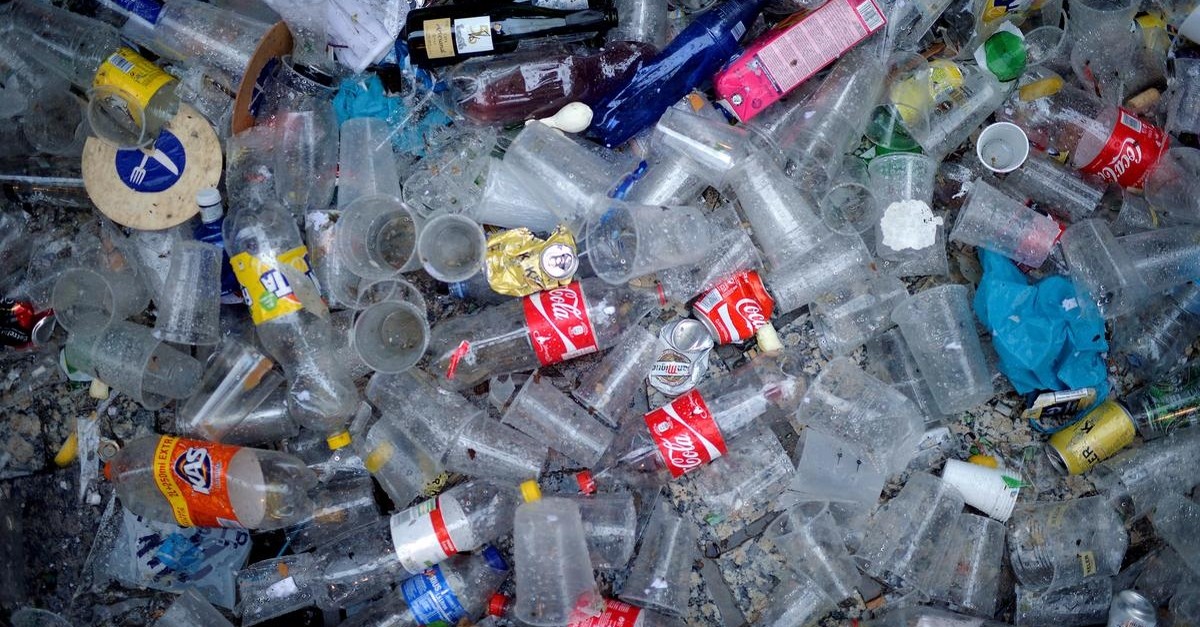
 Reuters Photo
| Reuters Photo
by Jun 05, 2019 5:17 pm

Humans eat and breathe in tens of thousands of microplastic particles every year, according to a new analysis Wednesday that raised fresh questions over how plastic waste could directly impact our health.

Microplastics — tiny plastic shards broken down from man-made products such as synthetic clothing, car tires and contact lenses — are among the most ubiquitous materials on the planet.

They have been found on some of the world's highest glaciers and at the bottom of the deepest ocean trenches.

Several previous studies have shown how microplastics may enter the human food chain, including one last year that found them in nearly all major bottled water brands sampled.

In Wednesday's research, Canadian scientists analyzed hundreds of data sets on microplastic contamination and compared them to the typical diet and consumption habits of Americans.

They found that an adult male could expect to ingest up to 52,000 microplastic particles each year.

Taking into account the pollution we breathe in, that figure rose to 121,000 particles — equivalent to over 320 particles every day.

The study coincided with the United Nation's World Environment Day, the theme of which this year is air pollution.

An additional 90,000 particles could be ingested each year if an individual only drank bottled water, according to the study, published in the journal Environmental Science and Technology.

The authors stressed that their figures were estimates. The amount of plastics consumed by a given individual would depend largely on where they live and what they eat, they said.

They also added that the impact on human health of microplastic consumption was still not well understood.

However microplastic particles smaller than 130 micrometers in diameter "have the potential to translocate into human tissues (and) trigger a localized immune response".

Danger of microplastics not clear

Alastair Grant, Professor of Ecology at the University of East Anglia, said there was no evidence that the plastic particles identified in the study posed any "significant danger to human health".

Grant, who was not involved in the research, added that it was likely that only a small percentage of particles inhaled actually reached the lungs.

"One of the two sources for particle concentrations in air says that the observed fibers are too large to be inhaled, so the numbers of particles that actually reach our lungs will be much smaller than the numbers quoted," he said.

The authors said more research was needed to better understand how many microparticles reach the lungs and stomach, and what, if any, danger this poses.

"The most effective way to reduce human consumption of microplastics will likely be to reduce the production and use of plastics," they said.


  • shortlink copied
  • KEYWORDS
    life
    The Daily Sabah Newsletter
    Keep up to date with what’s happening in Turkey, it’s region and the world.
    You can unsubscribe at any time. By signing up you are agreeing to our Terms of Use and Privacy Policy. This site is protected by reCAPTCHA and the Google Privacy Policy and Terms of Service apply.
    No Image
    Middle East Film and Comic Con 2022: Some funky costumes
    PHOTOGALLERY
    • POLITICS
    • Diplomacy
    • Legislation
    • War On Terror
    • EU Affairs
    • News Analysis
    • TÜRKİYE
    • Istanbul
    • Education
    • Investigations
    • Minorities
    • Diaspora
    • World
    • Mid-East
    • Europe
    • Americas
    • Asia Pacific
    • Africa
    • Syrian Crisis
    • İslamophobia
    • Business
    • Automotive
    • Economy
    • Energy
    • Finance
    • Tourism
    • Tech
    • Defense
    • Transportation
    • News Analysis
    • Lifestyle
    • Health
    • Environment
    • Travel
    • Food
    • Fashion
    • Science
    • Religion
    • History
    • Feature
    • Expat Corner
    • Arts
    • Cinema
    • Music
    • Events
    • Portrait
    • Performing Arts
    • Reviews
    • Sports
    • Football
    • Basketball
    • Motorsports
    • Tennis
    • Opinion
    • Columns
    • Op-Ed
    • Reader's Corner
    • Editorial
    • Photo gallery
    • DS TV
    • Jobs
    • privacy
    • about us
    • contact us
    • RSS
    © Turkuvaz Haberleşme ve Yayıncılık 2021