Daily Sabah logo

Politics
Diplomacy Legislation War On Terror EU Affairs Elections News Analysis
TÜRKİYE
Istanbul Education Investigations Minorities Expat Corner Diaspora
World
Mid-East Europe Americas Asia Pacific Africa Syrian Crisis Islamophobia
Business
Automotive Economy Energy Finance Tourism Tech Defense Transportation News Analysis
Lifestyle
Health Environment Travel Food Fashion Science Religion History Feature Expat Corner
Arts
Cinema Music Events Portrait Reviews Performing Arts
Sports
Football Basketball Motorsports Tennis
Opinion
Columns Op-Ed Reader's Corner Editorial
PHOTO GALLERY
JOBS ABOUT US RSS PRIVACY CONTACT US
© Turkuvaz Haberleşme ve Yayıncılık 2025

Daily Sabah - Latest & Breaking News from Turkey | Istanbul

  • Politics
    • Diplomacy
    • Legislation
    • War On Terror
    • EU Affairs
    • Elections
    • News Analysis
  • TÜRKİYE
    • Istanbul
    • Education
    • Investigations
    • Minorities
    • Expat Corner
    • Diaspora
  • World
    • Mid-East
    • Europe
    • Americas
    • Asia Pacific
    • Africa
    • Syrian Crisis
    • Islamophobia
  • Business
    • Automotive
    • Economy
    • Energy
    • Finance
    • Tourism
    • Tech
    • Defense
    • Transportation
    • News Analysis
  • Lifestyle
    • Health
    • Environment
    • Travel
    • Food
    • Fashion
    • Science
    • Religion
    • History
    • Feature
    • Expat Corner
  • Arts
    • Cinema
    • Music
    • Events
    • Portrait
    • Reviews
    • Performing Arts
  • Sports
    • Football
    • Basketball
    • Motorsports
    • Tennis
  • Gallery
  • Opinion
    • Columns
    • Op-Ed
    • Reader's Corner
    • Editorial
  • TV

WHO: Microplastics in drinking water not a health risk for now

by

GENEVA Aug 24, 2019 - 12:02 am GMT+3
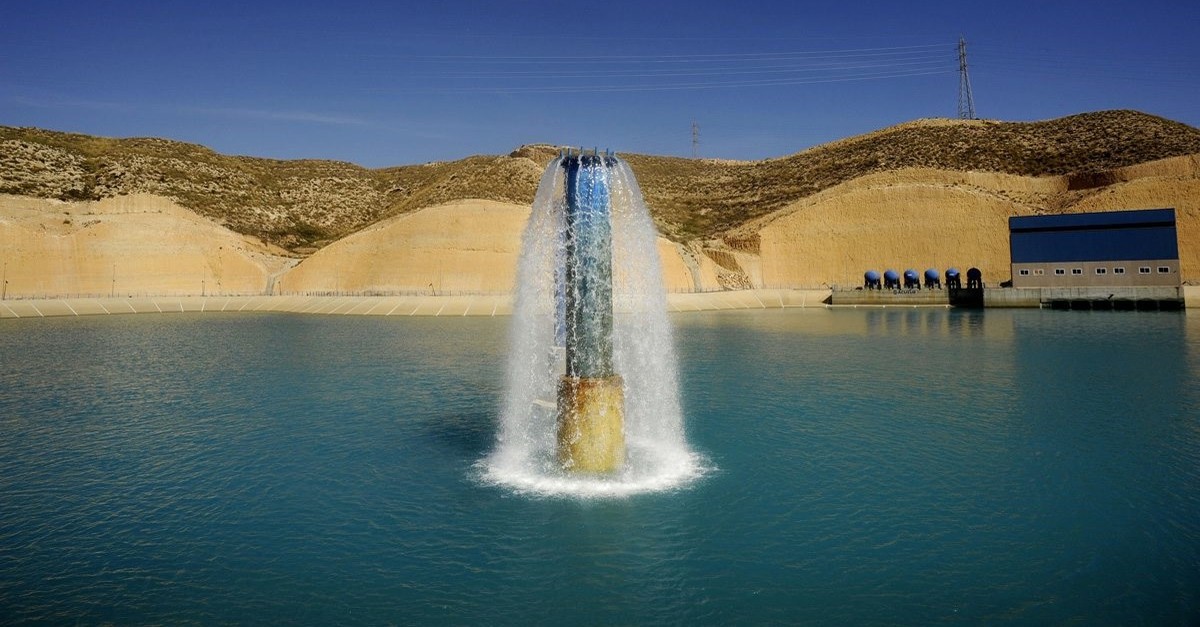
Fresh water pumped into a reservoir after being treated at a desalination plant in Carboneras, near Almeria, southern Spain.
by Aug 24, 2019 12:02 am

The World Health Organization (WHO) said Thursday the level of microplastics in drinking-water is not yet dangerous for humans but called for more research into potential future risk. In its first report into the effects of microplastics on human health, WHO looked into the specific impact of microplastics in tap and bottled water.

"The headline messages to reassure drinking water consumers around the world, that based on this assessment, our assessment of the risk is that it's low," said Bruce Gordon, WHO coordinator of water and sanitation.

WHO said that data on the presence of microplastics in drinking water is currently limited, with few reliable studies, making it difficult to analyze the results.

WHO has called on researchers to conduct a more in-depth evaluation into microplastics and the potential impact on human health. The organization has also urged a crackdown in plastic pollution to benefit the environment and reduce human exposure to microplastics.

The report said that irrespective of human health risks caused by microplastics in drinking-water "measures should be taken by policymakers and the public to better manage plastics and reduce the use of plastics where possible." WHO said that microplastics larger than 150 micrometers are not likely to be absorbed by the human body but said the chance of absorbing very small microplastic particles, including nano-sized plastics, could be higher, although it said data is limited.

"We urgently need to know more about the health impact of microplastics because they are everywhere - including in our drinking water," said Maria Neira, director of the Public Health Department at WHO, in a statement. "We also need to stop the rise in plastic pollution worldwide."

The report warns of other dangers ahead: if plastic emissions in the environment continue at the current rate, microplastics could present widespread risks for aquatic ecosystems in a century, which could in turn increase human exposure. Experts recommend wastewater treatment, which can remove more than 90% of microplastics in water by using treatments such as filtration.

WHO said those measures would have a double advantage as it would also address the problem of fecally contaminated water by removing microbial pathogens and chemicals that can cause deadly diarrheal diseases.


  • shortlink copied
  • KEYWORDS
    life
    The Daily Sabah Newsletter
    Keep up to date with what’s happening in Turkey, it’s region and the world.
    You can unsubscribe at any time. By signing up you are agreeing to our Terms of Use and Privacy Policy. This site is protected by reCAPTCHA and the Google Privacy Policy and Terms of Service apply.
    No Image
    In photos: Ice and rainbows appear as Niagara Falls freezes
    PHOTOGALLERY
    • POLITICS
    • Diplomacy
    • Legislation
    • War On Terror
    • EU Affairs
    • News Analysis
    • TÜRKİYE
    • Istanbul
    • Education
    • Investigations
    • Minorities
    • Diaspora
    • World
    • Mid-East
    • Europe
    • Americas
    • Asia Pacific
    • Africa
    • Syrian Crisis
    • İslamophobia
    • Business
    • Automotive
    • Economy
    • Energy
    • Finance
    • Tourism
    • Tech
    • Defense
    • Transportation
    • News Analysis
    • Lifestyle
    • Health
    • Environment
    • Travel
    • Food
    • Fashion
    • Science
    • Religion
    • History
    • Feature
    • Expat Corner
    • Arts
    • Cinema
    • Music
    • Events
    • Portrait
    • Performing Arts
    • Reviews
    • Sports
    • Football
    • Basketball
    • Motorsports
    • Tennis
    • Opinion
    • Columns
    • Op-Ed
    • Reader's Corner
    • Editorial
    • Photo gallery
    • DS TV
    • Jobs
    • privacy
    • about us
    • contact us
    • RSS
    © Turkuvaz Haberleşme ve Yayıncılık 2021