Daily Sabah logo

Politics
Diplomacy Legislation War On Terror EU Affairs Elections News Analysis
TÜRKİYE
Istanbul Education Investigations Minorities Expat Corner Diaspora
World
Mid-East Europe Americas Asia Pacific Africa Syrian Crisis Islamophobia
Business
Automotive Economy Energy Finance Tourism Tech Defense Transportation News Analysis
Lifestyle
Health Environment Travel Food Fashion Science Religion History Feature Expat Corner
Arts
Cinema Music Events Portrait Reviews Performing Arts
Sports
Football Basketball Motorsports Tennis
Opinion
Columns Op-Ed Reader's Corner Editorial
PHOTO GALLERY
JOBS ABOUT US RSS PRIVACY CONTACT US
© Turkuvaz Haberleşme ve Yayıncılık 2026

Daily Sabah - Latest & Breaking News from Turkey | Istanbul

  • Politics
    • Diplomacy
    • Legislation
    • War On Terror
    • EU Affairs
    • Elections
    • News Analysis
  • TÜRKİYE
    • Istanbul
    • Education
    • Investigations
    • Minorities
    • Expat Corner
    • Diaspora
  • World
    • Mid-East
    • Europe
    • Americas
    • Asia Pacific
    • Africa
    • Syrian Crisis
    • Islamophobia
  • Business
    • Automotive
    • Economy
    • Energy
    • Finance
    • Tourism
    • Tech
    • Defense
    • Transportation
    • News Analysis
  • Lifestyle
    • Health
    • Environment
    • Travel
    • Food
    • Fashion
    • Science
    • Religion
    • History
    • Feature
    • Expat Corner
  • Arts
    • Cinema
    • Music
    • Events
    • Portrait
    • Reviews
    • Performing Arts
  • Sports
    • Football
    • Basketball
    • Motorsports
    • Tennis
  • Gallery
  • Opinion
    • Columns
    • Op-Ed
    • Reader's Corner
    • Editorial
  • TV

Archaeologists discover 15th century indigenous tombs in Bolivia

by

LA PAZ Nov 14, 2018 - 12:00 am GMT+3
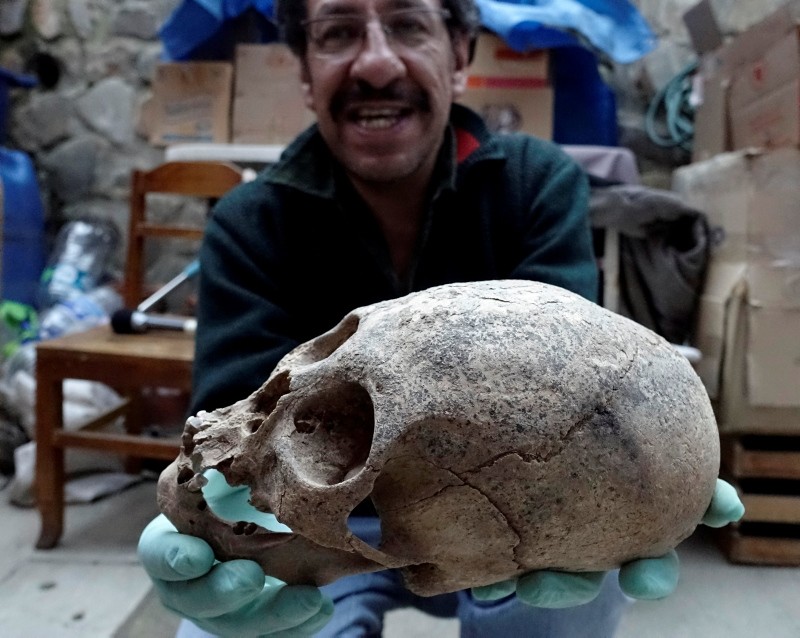
Archeologist Jedu Sagarnaga holds a skull as part of an archeological finding, dated approximately 500 years ago, in Mazo Cruz, near Viacha, Bolivia, November 12, 2018. (Reuters Photo)
by Nov 14, 2018 12:00 am

A team of archaeologists in Bolivia said they have discovered tombs containing over a hundred bundles of artifacts and human remains dating more than 500 years old that belonged to an indigenous civilization that once inhabited the region.

Bolivia's Ministry of Cultures and Tourism authorized the dig more than three months ago after a mining project discovered archaeological remains in the area.

Archaeologists found the tombs, which they say may have belonged to the Pacajes people, in an underground burial chamber located some 30 kilometers (18.6 miles) southwest of Bolivia's capital La Paz.
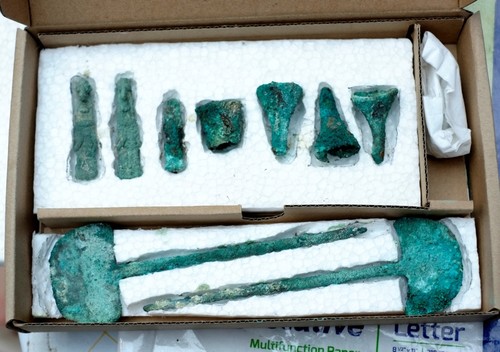
"Inside the cemetery we found two special tombs, one of which had about 108 individuals inside. They were badly deteriorated, but we were able to recover objects the individuals were buried with," said archaeologist Wanderson Esquerdo.

While two of the tombs had been ransacked, the others remained intact, he said.

To reach the tombs, scientists had to lower themselves through a circular chimney just 70 cm (27.5 inches) in diameter and 3 meters (9 feet) deep.

In addition to human remains, the largest tomb contained metal objects as well as ceramic and wooden dishes.
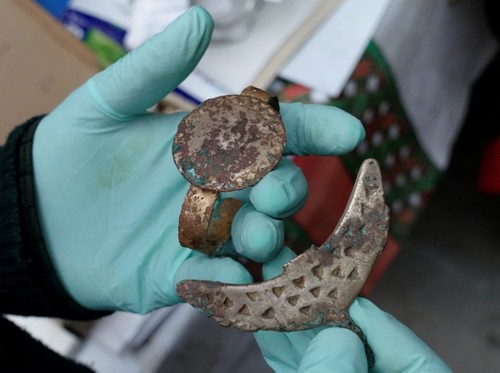
"There are objects that are clearly attributed to the Inca culture, and others that are not Inca, but rather Aymara," Esquerdo said.

The indigenous Aymara kingdom of Pacajes flourished in the Bolivian highlands until it was conquered by the Incan empire in the mid-15th century, according to archaeologists, who believe the Pacajes people may have not been wiped out by the Incan conquest, but could have fallen victim to some type of epidemic.

The discovery is "unique and unprecedented," said Wilma Alanoca, Bolivia's Minister of Culture and Tourism.

After the archaeological dig began last June, archaeologists said microorganisms wreaked havoc on the bodies' soft tissue, quickly decomposing the remains. Excessive humidity and high salinity inside the chamber also deteriorated many of the buried objects, according to the dig team.


About the author
Research Associate at Center for Islam and Global Affairs (CIGA) at Istanbul Sabahattin Zaim University
  • shortlink copied
  • Last Update: Nov 14, 2018 10:41 pm
    KEYWORDS
    life
    The Daily Sabah Newsletter
    Keep up to date with what’s happening in Turkey, it’s region and the world.
    You can unsubscribe at any time. By signing up you are agreeing to our Terms of Use and Privacy Policy. This site is protected by reCAPTCHA and the Google Privacy Policy and Terms of Service apply.
    Türkiye's new Altay main battle tank ready for army tests
    PHOTOGALLERY
    • POLITICS
    • Diplomacy
    • Legislation
    • War On Terror
    • EU Affairs
    • News Analysis
    • TÜRKİYE
    • Istanbul
    • Education
    • Investigations
    • Minorities
    • Diaspora
    • World
    • Mid-East
    • Europe
    • Americas
    • Asia Pacific
    • Africa
    • Syrian Crisis
    • İslamophobia
    • Business
    • Automotive
    • Economy
    • Energy
    • Finance
    • Tourism
    • Tech
    • Defense
    • Transportation
    • News Analysis
    • Lifestyle
    • Health
    • Environment
    • Travel
    • Food
    • Fashion
    • Science
    • Religion
    • History
    • Feature
    • Expat Corner
    • Arts
    • Cinema
    • Music
    • Events
    • Portrait
    • Performing Arts
    • Reviews
    • Sports
    • Football
    • Basketball
    • Motorsports
    • Tennis
    • Opinion
    • Columns
    • Op-Ed
    • Reader's Corner
    • Editorial
    • Photo gallery
    • DS TV
    • Jobs
    • privacy
    • about us
    • contact us
    • RSS
    © Turkuvaz Haberleşme ve Yayıncılık 2021