Ancient market in Istanbul's Grand Bazaar renovated
by Daily Sabah
ISTANBULDec 29, 2015 - 12:00 am GMT+3
by Daily Sabah
Dec 29, 2015 12:00 am
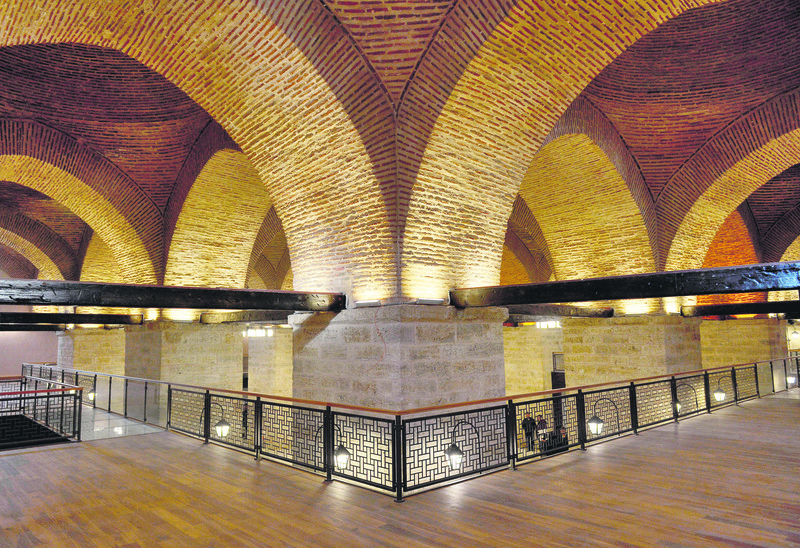
Built in the time of Ottoman Sultan Mehmed the Conqueror, the first bedesten design has recently been renovated in compliance with the original
The 554-year-old Sandal Bedesten (a type of covered market place), which was built during the reign of Mehmed the Conqueror and is considered as the first bedesten of the Grand Bazaar, has been restored according to its original design by the General Directorate for Foundations.
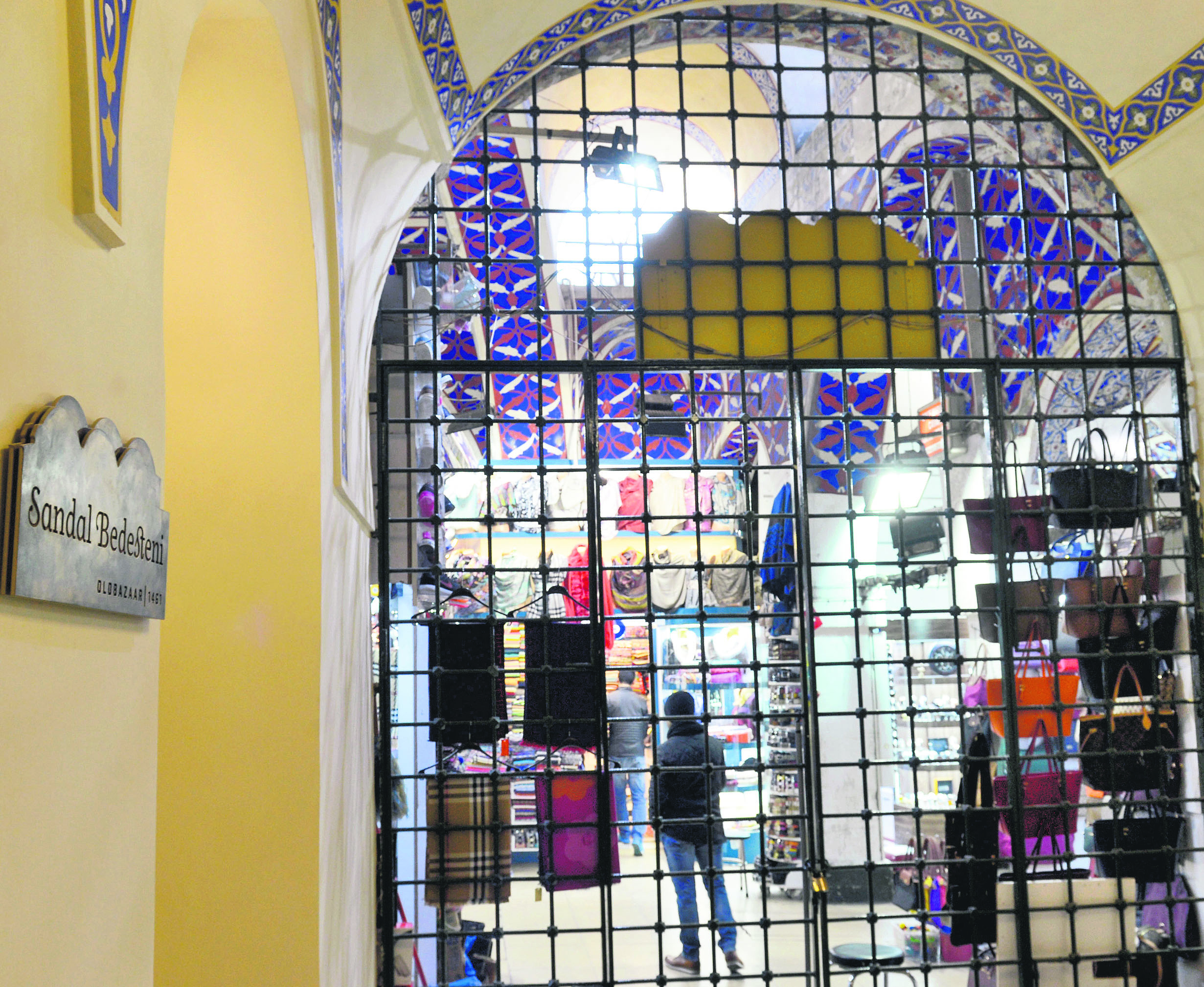
Built in 1461, the Sandal Bedesteni was named after a special fabric called "sandal." There are three bedestens in Istanbul: Galata Bedesteni and the grand and small bedestens in the Grand Bazaar. The Sandal Bedesteni is the grand bedesten in the Grand Bazaar. It was built on 12 pillars, creating a total of 20 domes. It is surrounded by four walls and features four doors, including a door to the outside of the Grand Bazaar.
The Ottoman bedestens served as places that made the trade easier in the 15th century. Some of the bedestens in Istanbul, Edirne, Bursa and Kayseri still preserve their commercial functions. Bedestens also used to serve as stock markets or banks. They were open with prayers in the morning and closed with the same prayers at night. There were 12 people to guard each bedesten. People entrusted their most valuable possessions to these bedestens, as they were the securest places in the cities.
Commenting on the restoration, Mürsel Sarı of the General Directorate for Foundations said: "We will not be able to keep these buildings standing if we do not restore them. We removed additional buildings and sections during the restoration. Cement and other alien materials were also removed from the historical building, and the necessary parts were covered with Horasan plaster. The pillars, walls, domes and arches were cleaned with micro-injection sandblasting. The entrance doors were also cleaned, and the ornaments on the doors were restored."
Sarı said they offer scholarships to students and provide food aid to the poor across country. He said the general directorate distributes hot meals to 2,000 people every day at the alms house in Eyüp, and continues to undertake restoration works all over Turkey. "We do not see these structures as the inheritance of our ancestors but entrusted artifacts that we have to pass down to future generations, so we conduct the restorations with ultimate care," Sarı said.
Keep up to date with what’s happening in Turkey,
it’s region and the world.
You can unsubscribe at any time. By signing up you are agreeing to our Terms of Use and Privacy Policy.
This site is protected by reCAPTCHA and the Google Privacy Policy and Terms of Service apply.