Daily Sabah logo

Politics
Diplomacy Legislation War On Terror EU Affairs Elections News Analysis
TÜRKİYE
Istanbul Education Investigations Minorities Expat Corner Diaspora
World
Mid-East Europe Americas Asia Pacific Africa Syrian Crisis Islamophobia
Business
Automotive Economy Energy Finance Tourism Tech Defense Transportation News Analysis
Lifestyle
Health Environment Travel Food Fashion Science Religion History Feature Expat Corner
Arts
Cinema Music Events Portrait Reviews Performing Arts
Sports
Football Basketball Motorsports Tennis
Opinion
Columns Op-Ed Reader's Corner Editorial
PHOTO GALLERY
JOBS ABOUT US RSS PRIVACY CONTACT US
© Turkuvaz Haberleşme ve Yayıncılık 2025

Daily Sabah - Latest & Breaking News from Turkey | Istanbul

  • Politics
    • Diplomacy
    • Legislation
    • War On Terror
    • EU Affairs
    • Elections
    • News Analysis
  • TÜRKİYE
    • Istanbul
    • Education
    • Investigations
    • Minorities
    • Expat Corner
    • Diaspora
  • World
    • Mid-East
    • Europe
    • Americas
    • Asia Pacific
    • Africa
    • Syrian Crisis
    • Islamophobia
  • Business
    • Automotive
    • Economy
    • Energy
    • Finance
    • Tourism
    • Tech
    • Defense
    • Transportation
    • News Analysis
  • Lifestyle
    • Health
    • Environment
    • Travel
    • Food
    • Fashion
    • Science
    • Religion
    • History
    • Feature
    • Expat Corner
  • Arts
    • Cinema
    • Music
    • Events
    • Portrait
    • Reviews
    • Performing Arts
  • Sports
    • Football
    • Basketball
    • Motorsports
    • Tennis
  • Gallery
  • Opinion
    • Columns
    • Op-Ed
    • Reader's Corner
    • Editorial
  • TV

75 pct of leopards' historic range across Africa, Asia, M. East lost

by Associated Press

LAGOS, Nigeria May 07, 2016 - 12:00 am GMT+3
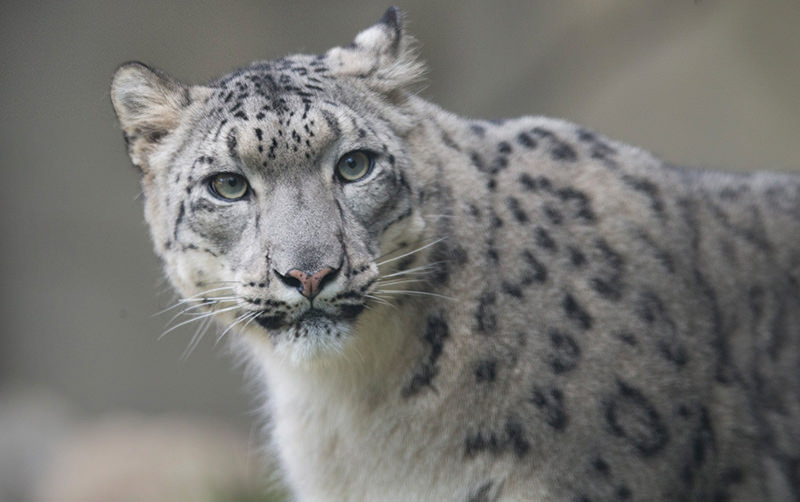
Sarani, a female snow leopard, explores her habitat before her four-month-old cubs were introduced to the public at the Brookfield Zoo on October 7, 2015 in Brookfield, Illinois (AFP Photo)
by Associated Press May 07, 2016 12:00 am

Leopards have lost 75 percent of their historic range across Africa, Asia and the Middle East, with three Asian subspecies in danger of eradication, a new study says.

A three-year review of data published in the scientific journal PeerJ this week challenges the conventional assumption that the iconic and famously elusive spotted cats are thriving in the wild.

It finds leopards have almost disappeared from vast ranges in China, Southeast Asia and the Arabian peninsula while African leopards confront mounting challenges in the north and west.

The big cats are threatened by spreading farmlands, declining prey, conflict with livestock owners, trophy hunting and illegal trade in their skins and teeth. Their skins are sometimes worn as a symbol of power by African chiefs, including South Africa's President Jacob Zuma.

Their rangelands have shrunk from 35 million square kilometers (13.5 million square miles) in 1750 — before the colonization of Africa and the spread of firearms — to about 8.5 million square kilometers (3.3 million square miles) now, the study estimates.

It will be used to update the endangered species list curated by the International Union for the Conservation of Nature, among several groups that conducted the study. Others include the National Geographic Society's Big Cats Initiative, the wild cat conservation organization Panthera and the Zoological Society of London.

It is "the single most authoritative and exhaustive review of this kind," said Guillaume Chapron, associate professor at the Swedish University of Agricultural Science. Its findings are "a shock as leopards were often believed to be more adaptable to human impacts ... than other species such as tigers and lions."

Conserving wildlife and preventing conflict with livestock holders is complex and countries take different approaches, said Stuart Pimm, chair of conservation at Duke University in Durham, North Carolina. He pointed to Kenya, which bans all hunting, and neighboring Tanzania, which devotes more land to hunting than preservation. "The challenge is if you protect your national parks better, will it bring in an income stream of the kind that so clearly economically benefits southern Africa and east Africa?"


  • shortlink copied
  • Last Update: May 07, 2016 8:10 pm
    KEYWORDS
    life
    The Daily Sabah Newsletter
    Keep up to date with what’s happening in Turkey, it’s region and the world.
    You can unsubscribe at any time. By signing up you are agreeing to our Terms of Use and Privacy Policy. This site is protected by reCAPTCHA and the Google Privacy Policy and Terms of Service apply.
    No Image
    Muslims worldwide welcome holy month of Ramadan
    PHOTOGALLERY
    • POLITICS
    • Diplomacy
    • Legislation
    • War On Terror
    • EU Affairs
    • News Analysis
    • TÜRKİYE
    • Istanbul
    • Education
    • Investigations
    • Minorities
    • Diaspora
    • World
    • Mid-East
    • Europe
    • Americas
    • Asia Pacific
    • Africa
    • Syrian Crisis
    • İslamophobia
    • Business
    • Automotive
    • Economy
    • Energy
    • Finance
    • Tourism
    • Tech
    • Defense
    • Transportation
    • News Analysis
    • Lifestyle
    • Health
    • Environment
    • Travel
    • Food
    • Fashion
    • Science
    • Religion
    • History
    • Feature
    • Expat Corner
    • Arts
    • Cinema
    • Music
    • Events
    • Portrait
    • Performing Arts
    • Reviews
    • Sports
    • Football
    • Basketball
    • Motorsports
    • Tennis
    • Opinion
    • Columns
    • Op-Ed
    • Reader's Corner
    • Editorial
    • Photo gallery
    • DS TV
    • Jobs
    • privacy
    • about us
    • contact us
    • RSS
    © Turkuvaz Haberleşme ve Yayıncılık 2021