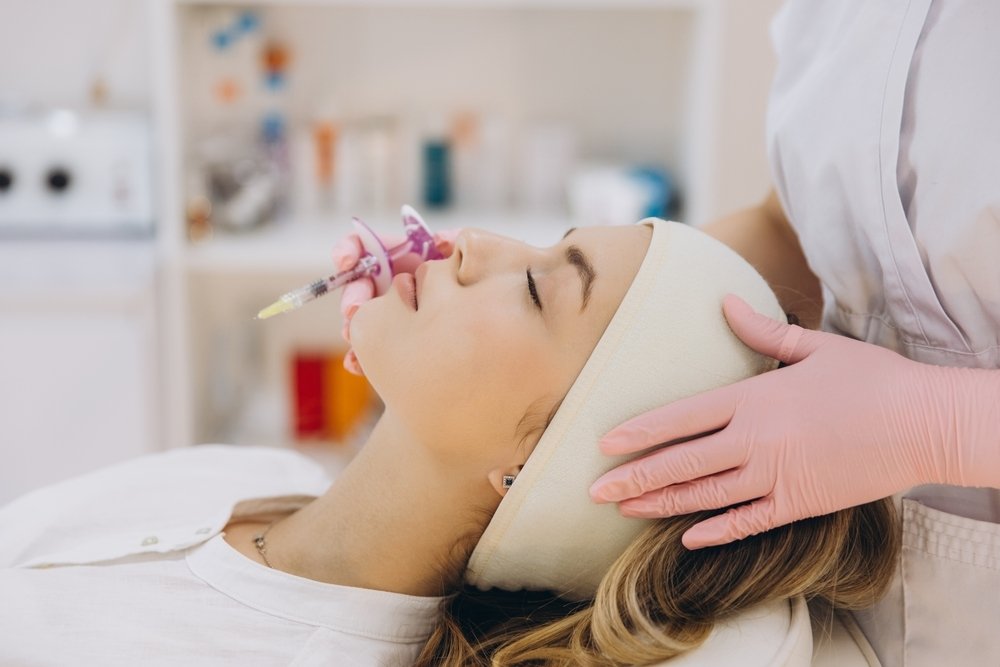
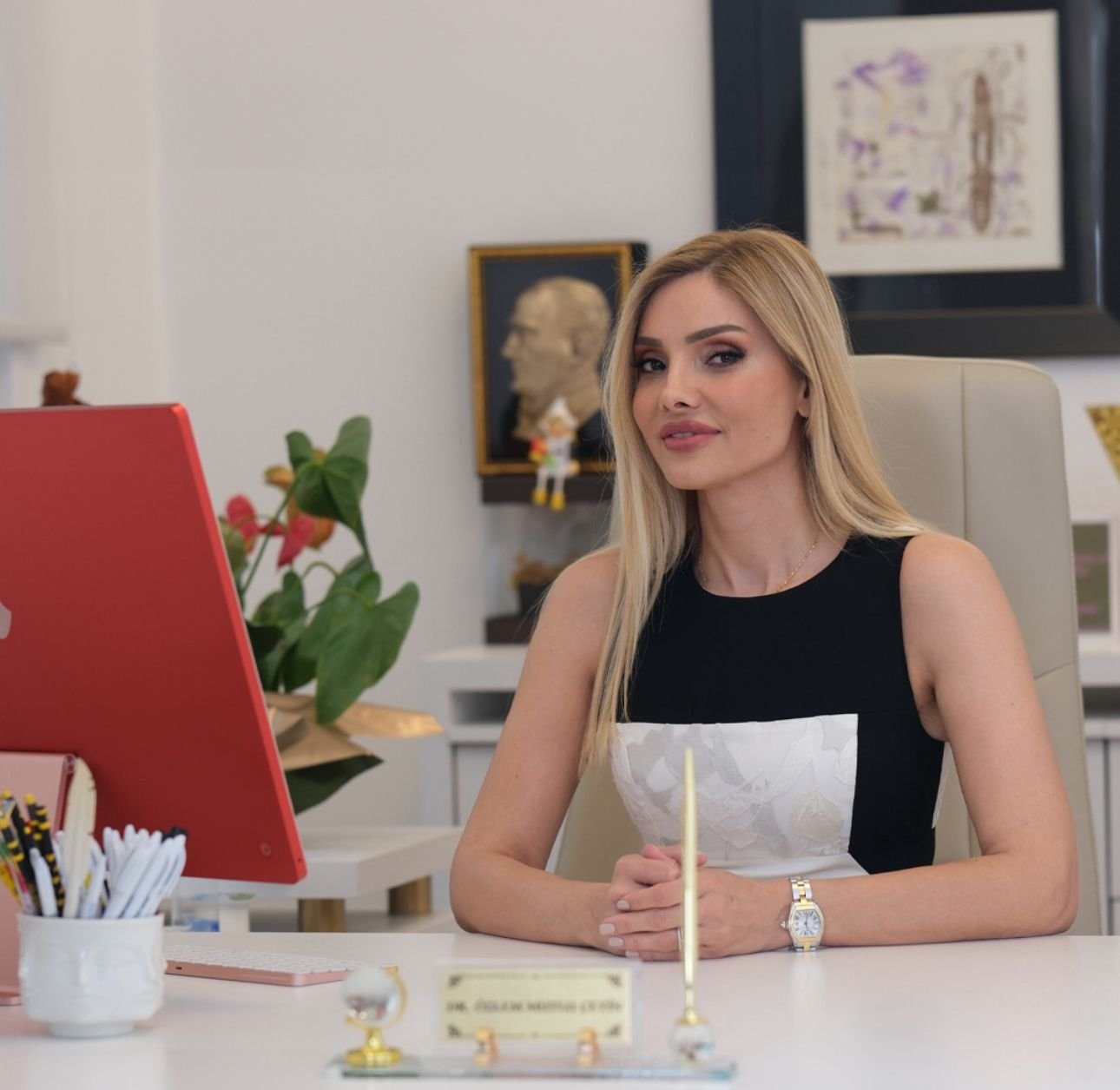
Aesthetic medicine is evolving – quietly, powerfully and with the help of machines. Gone are the days when beauty meant radical transformation or weeks of recovery behind closed doors. In this new era, it’s about subtlety, science and precision. From the polished clinics of London’s Harley Street to the bustling aesthetic hubs of Istanbul, the conversation is shifting. I set out to explore what’s driving this global change and how two cities with very different cultures are leading the charge. Along the way, I spoke to Özlem Mutlu Çetin, a respected aesthetic physician who has worked in both Türkiye and the U.K. and whose perspective helped frame this East-West dialogue.
Once associated with invasive procedures and dramatic transformations, aesthetic medicine is quietly undergoing a revolution. The tools have changed, the tone has softened and the approach is now less about altering the face – and more about enhancing it, gently and thoughtfully. At the heart of this transformation is technology.
Over the past decade, advances in medical aesthetics have brought us to a new frontier where machines read skin in real time, devices sculpt without incisions and rejuvenation can happen without a single drop of blood. To understand what’s shaping this subtle shift, I spoke with experts in the field, including Özlem Mutlu Çetin.
Modern beauty is about strategy, not intensity. The rise of minimally invasive procedures reflects a wider cultural change: Patients today seek results that are natural, preventative and often invisible to the casual observer. Technology has responded to this demand with a wave of smart machines that operate beneath the skin, stimulating the body’s own repair systems.
One example is the fusion of microneedling and radiofrequency (RF) – a pairing that uses ultra-fine needles to deliver heat deep into the dermis, encouraging collagen production and skin tightening without any surface trauma. Unlike traditional resurfacing techniques, this method works from the inside out. “It’s about reminding the skin what it’s capable of,” says one physician I spoke with. “We are no longer forcing change – we’re encouraging it.”
Technology has also given rise to diagnostic tools that assess everything from hydration levels to UV damage to subdermal pigmentation. These skin scanners are increasingly used to design tailored treatments, allowing professionals to move away from one-size-fits-all approaches.
Where once a patient might walk in and request a procedure based on trends, now they’re guided by data about their own biology. This personalized approach is helping to bridge the gap between dermatology and aesthetics, with technology becoming the translator between the two.
Injectables remain a key part of aesthetic medicine, but their use is evolving. The conversation around Botox, for instance, is shifting from wrinkle-erasing to preventive and structural treatments. Today, practitioners use neuromodulators to soften early signs of aging or reduce tension in the jaw – not just to freeze expressions.
“The era of the frozen face is ending,” Çetin notes. “Most people now want to look well-rested, not retouched.”
This shift is supported by emerging techniques and dilutions, which allow for highly targeted, micro-dose applications. Combined with hyaluronic acid fillers or skin boosters, the goal is no longer to fill space, but to restore balance and hydration.
Today’s aesthetic patient wants more than just results – they want invention. Whether it’s a 20-minute skin-tightening session or a non-invasive body sculpting treatment, the new approach is minimal, personalized and data-driven. Advanced diagnostic tools now measure hydration levels, collagen density and subdermal pigmentation, offering a clearer picture of what each face and body needs.
Treatments like radiofrequency microneedling, high-intensity electromagnetic body contouring and AI-guided skin scanners are part of everyday clinical routines in both Istanbul and London. These aren’t just tools – they’re quiet enablers of confidence, offering support rather than disguise.