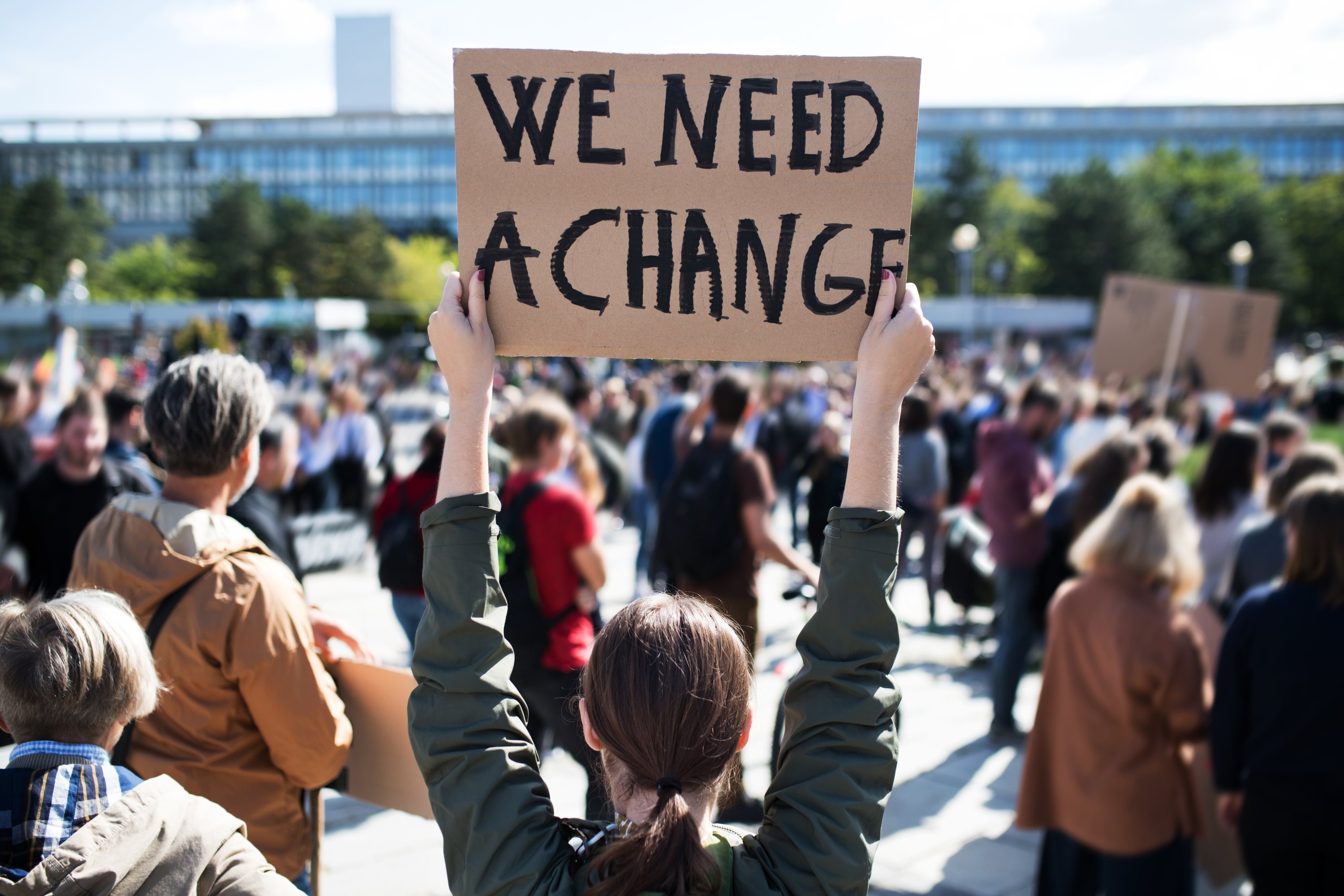
On Feb. 14, 2026, communities around the world will mark not only a celebration of love, but a reminder that solidarity, too, is a form of affection.
Feb. 14 is traditionally associated with flowers, red hearts and declarations of love. Yet in recent years, Valentine’s Day has also begun to carry a broader meaning. Across several global cities this year, communities are gathering under the banner of a “Global Day of Action,” not to replace romance, but to expand the idea of love beyond the private sphere.
From Munich to Toronto to Los Angeles, public assemblies are planned as expressions of solidarity with people facing political and social hardship in different parts of the world. While rooted in specific national contexts, the message of the day reaches further: love is not only an intimate emotion; it can also be a civic principle.
The symbolism of choosing Feb. 14 is deliberate. Organizers describe the date as an opportunity to redefine affection as responsibility, a reminder that empathy does not stop at personal relationships. In an interconnected world, solidarity has become one of the most visible expressions of care.
Political action days are not new. Climate strikes, women’s marches and global human rights rallies have shown how specific dates can focus public attention. Whether such mobilizations lead directly to policy shifts is debated. Yet their cultural impact is undeniable: they create visibility, foster dialogue and connect communities across borders.
Diaspora networks have increasingly become drivers of these global moments. Living between cultures often brings with it a heightened awareness of developments abroad. Public demonstrations in democratic societies allow expatriate communities to amplify concerns that might otherwise receive limited international attention.
These gatherings are rarely uniform in their perspectives. Debates over symbolism, leadership and long-term visions are common. Yet what unites participants is often less a single political program than a shared emotional impulse, the desire to stand visibly beside those they feel connected to.
Skeptics argue that one-day mobilizations risk becoming symbolic performances. Supporters counter that symbolism itself can be powerful. In an era dominated by digital communication, images of peaceful gatherings circulate quickly, shaping narratives and sustaining conversations long after the day has passed.
Social media plays a crucial role in this process. Platforms are used to coordinate meeting points, share visual material and build transnational momentum. At the same time, online spaces reflect the complexity of contemporary activism: fragmented, diverse and often internally contested.
Valentine’s Day is frequently criticized for its commercialization, a holiday where feelings are translated into consumption. The Global Day of Action suggests a different interpretation. Love, in this framing, is not confined to couples or private gestures. It becomes a public ethic, a willingness to acknowledge injustice, to show up and to express solidarity.
Whether Feb. 14, 2026, will mark a turning point is uncertain. But it already illustrates a broader cultural shift: the merging of personal symbolism with collective responsibility. In a world marked by political tensions and social divisions, even traditionally apolitical dates can become platforms for reflection.
Perhaps this is the strongest message of this Valentine's Day: that love does not only take place in silence, but also in the courage to visibly stand by others.