What the skibidi is happening to the English language?
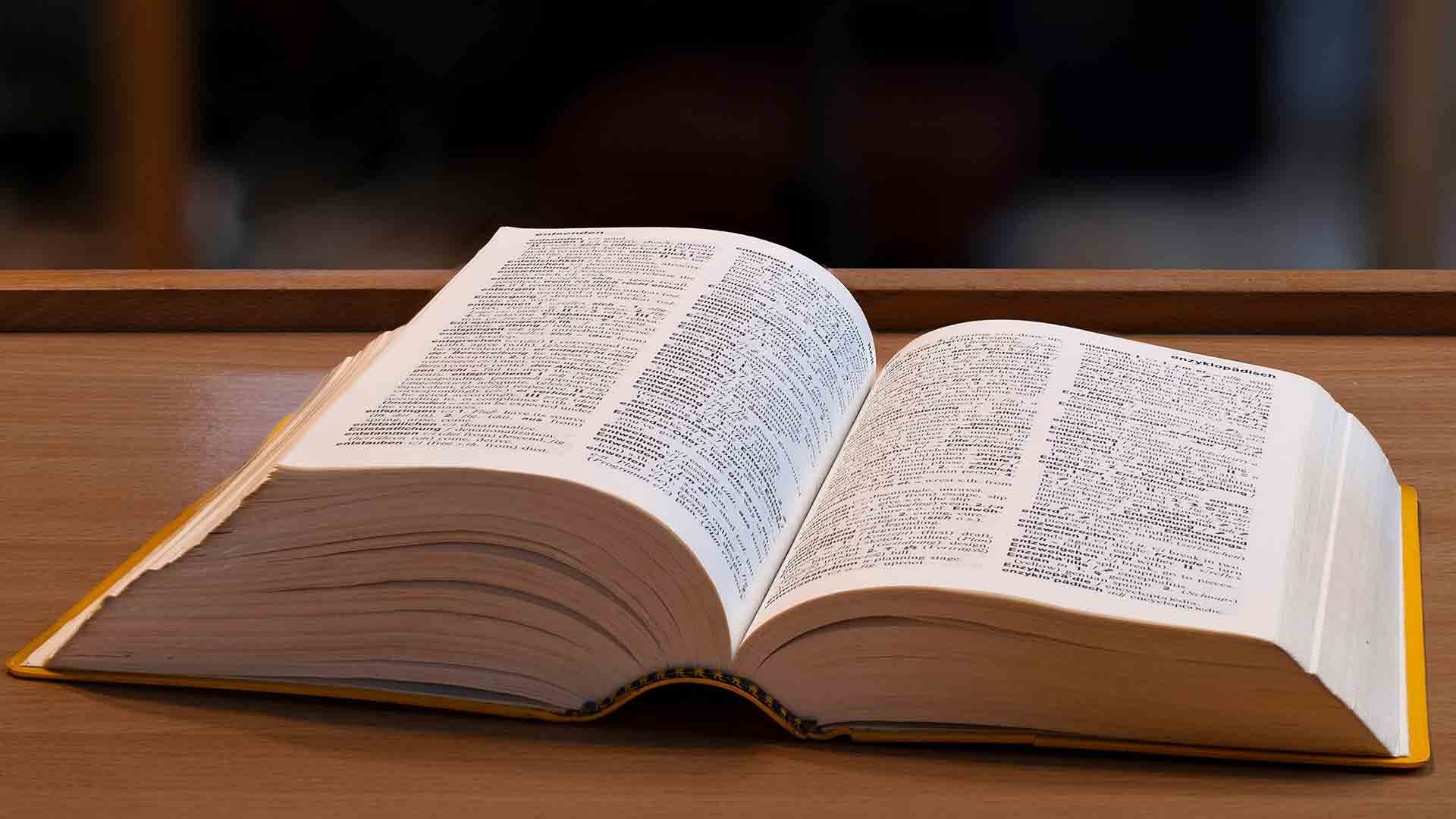
"Skibidi,” pronounced SKIH-bih-dee, is one of the slang terms popularized by social media that have been added to the Cambridge Dictionary this year, along with more than 6,000 other new entries.
"Internet culture is changing the English language and the effect is fascinating to observe and capture in the dictionary,” said Colin McIntosh, lexical program manager at Cambridge Dictionary, the world’s largest online dictionary.
"Skibidi” is a gibberish term coined by the creator of an animated YouTube series, which can mean "cool” or "bad” or be used without any real meaning as a joke.
Other planned additions include "tradwife," a contraction of "traditional wife” referring to a married mother who cooks, cleans and posts on social media and "delulu,” a shortening of the word delusional that means "believing things that are not real or true, usually because you choose to.”
Christian Ilbury, senior lecturer in sociolinguistics at the University of Edinburgh, said many of the new words are tied to social media platforms like TikTok because that is how most young people communicate.
However, Ilbury said some of the words, including "delulu,” have longer histories than people might think and have been used by speech communities for years.
"It’s really just the increase in visibility and potential uptake amongst communities who may not have engaged with those words before,” he explained.
The increase in remote working since the pandemic has created a new dictionary entry: "mouse jiggler,” a device or piece of software used to simulate working when you are not.
Environmental concerns are driving the addition of "forever chemicals,” a harmful substance that persists in the environment for an extended period.
The Cambridge Dictionary utilizes the Cambridge English Corpus, a database comprising over 2 billion words of written and spoken English, to monitor how different people use new words, how frequently they are used and in what contexts, the company stated.
"If you look at what a dictionary’s function is, it’s a public record of how people use language and so if people are now using words like ‘skibidi’ or ‘delulu,’ then the dictionary should take account of that,” Ilbury said.
McIntosh added that the dictionary has only added words it thinks have "staying power.”