Daily Sabah logo

Politics
Diplomacy Legislation War On Terror EU Affairs Elections News Analysis
TÜRKİYE
Istanbul Education Investigations Minorities Expat Corner Diaspora
World
Mid-East Europe Americas Asia Pacific Africa Syrian Crisis Islamophobia
Business
Automotive Economy Energy Finance Tourism Tech Defense Transportation News Analysis
Lifestyle
Health Environment Travel Food Fashion Science Religion History Feature Expat Corner
Arts
Cinema Music Events Portrait Reviews Performing Arts
Sports
Football Basketball Motorsports Tennis
Opinion
Columns Op-Ed Reader's Corner Editorial
PHOTO GALLERY
JOBS ABOUT US RSS PRIVACY CONTACT US
© Turkuvaz Haberleşme ve Yayıncılık 2025

Daily Sabah - Latest & Breaking News from Turkey | Istanbul

  • Politics
    • Diplomacy
    • Legislation
    • War On Terror
    • EU Affairs
    • Elections
    • News Analysis
  • TÜRKİYE
    • Istanbul
    • Education
    • Investigations
    • Minorities
    • Expat Corner
    • Diaspora
  • World
    • Mid-East
    • Europe
    • Americas
    • Asia Pacific
    • Africa
    • Syrian Crisis
    • Islamophobia
  • Business
    • Automotive
    • Economy
    • Energy
    • Finance
    • Tourism
    • Tech
    • Defense
    • Transportation
    • News Analysis
  • Lifestyle
    • Health
    • Environment
    • Travel
    • Food
    • Fashion
    • Science
    • Religion
    • History
    • Feature
    • Expat Corner
  • Arts
    • Cinema
    • Music
    • Events
    • Portrait
    • Reviews
    • Performing Arts
  • Sports
    • Football
    • Basketball
    • Motorsports
    • Tennis
  • Gallery
  • Opinion
    • Columns
    • Op-Ed
    • Reader's Corner
    • Editorial
  • TV
  • Life
  • Health
  • Environment
  • Travel
  • Food
  • Fashion
  • Science
  • Religion
  • History
  • Feature
  • Expat Corner

Clocks could skip second as Earth's rotation shifts: study

by Anadolu Agency

ISTANBUL Mar 29, 2024 - 11:33 am GMT+3
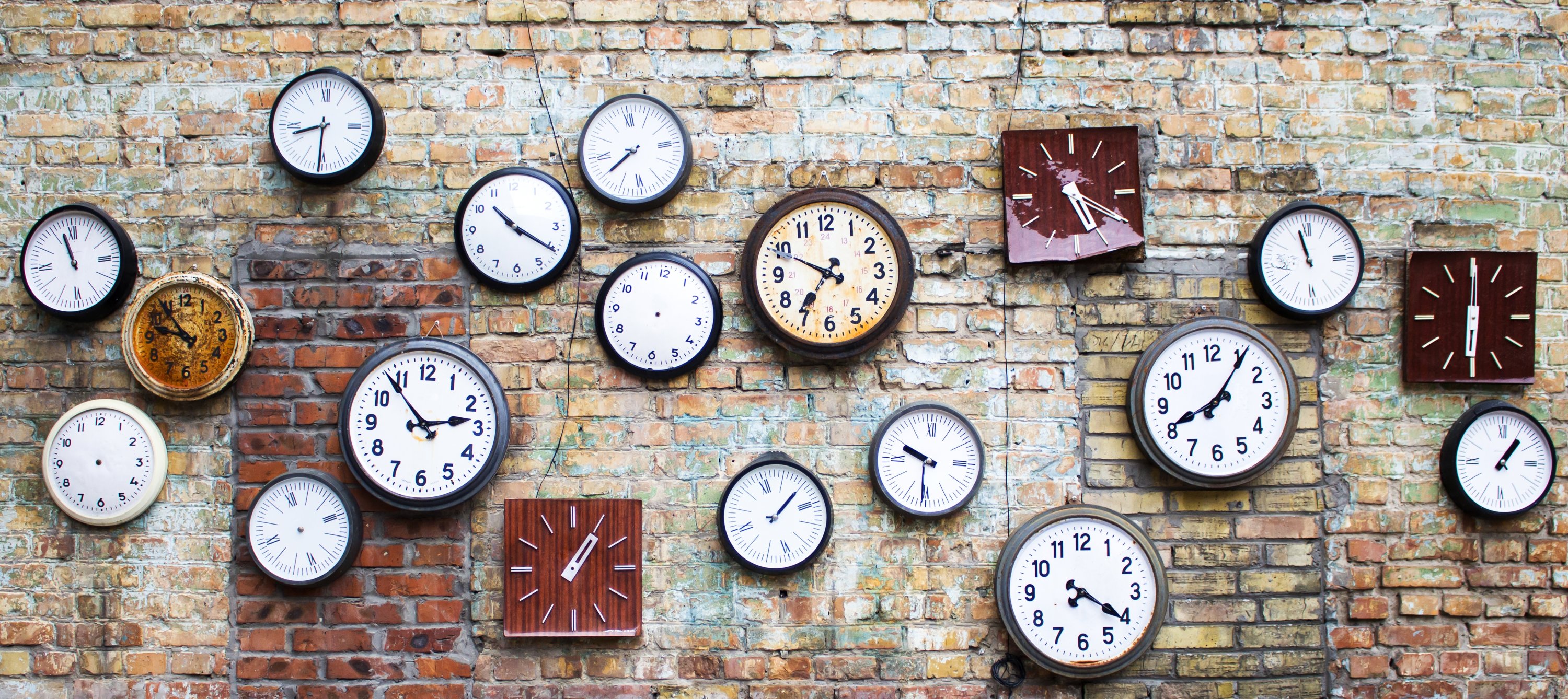
Earth's shifting rotation may lead to clocks skipping a second, according to a recent study. (Shutterstock Photo)
by Anadolu Agency Mar 29, 2024 11:33 am

A recent study suggests Earth's changing rotation may lead to clock adjustments, potentially requiring a 'negative leap second' by 2029

A recent study in the Nature Journal indicates that due to factors like climate change and geological shifts, Earth's changing rotation may prompt clocks to skip a second, potentially necessitating a "negative leap second" around 2029.

The study warns that such changes in Earth's rotation may necessitate adjustments in Coordinated Universal Time (UTC), a standard used to set all time zones around the world earlier than originally planned.

The implications of this adjustment extend beyond timekeeping, as it could pose an "unprecedented problem for computer network timing."

The Earth's rotation, typically 24 hours, is now fluctuating, prompting adjustments in leap seconds to align atomic and astronomical time.

Between 1972 and 2016, 27 leap seconds were added to compensate for the Earth's slowing rotation. But the rate of slowing was tapering off to the point that the Earth’s rotation was actually speeding up.

However, recent observations suggest that this is being offset due to the rapid melting of ice at the poles since 1990. Melting ice shifts Earth’s mass from the poles to the bulging center, which slows the rotation

In response, timekeepers are planning revisions to leap second standards in the 2030s to minimize frequent adjustments and maintain synchronization across various timekeeping systems.

Geological and climatic factors, including oceanic tides and melting polar ice, affect Earth's rotation, delaying the need for leap-second adjustments.

The accelerated melting of polar ice, a consequence of human-induced climate change, is redistributing Earth's mass and slowing its rotation.

The study noted that "if polar ice melting had not recently accelerated, this problem would have occurred three years earlier."

This phenomenon is "already affecting global timekeeping," indicating the tangible impact of climate change on Earth's rotational dynamics.

Despite a natural rotation increase, melting ice has delayed the need for a leap-second adjustment from 2026 to around 2029.

This delay in the need for leap-second adjustments underscores the complex relationship between environmental changes and Earth's timekeeping systems.

Timekeepers aim to phase out leap-second adjustments by 2035 to adapt to Earth's changing dynamics and maintain precision in timekeeping amid natural and human-induced changes.


  • shortlink copied
  • KEYWORDS
    time time change timelines
    The Daily Sabah Newsletter
    Keep up to date with what’s happening in Turkey, it’s region and the world.
    You can unsubscribe at any time. By signing up you are agreeing to our Terms of Use and Privacy Policy. This site is protected by reCAPTCHA and the Google Privacy Policy and Terms of Service apply.
    No Image
    Broken rackets, sweat and injuries: Best of Australian Open 2021
    PHOTOGALLERY
    • POLITICS
    • Diplomacy
    • Legislation
    • War On Terror
    • EU Affairs
    • News Analysis
    • TÜRKİYE
    • Istanbul
    • Education
    • Investigations
    • Minorities
    • Diaspora
    • World
    • Mid-East
    • Europe
    • Americas
    • Asia Pacific
    • Africa
    • Syrian Crisis
    • İslamophobia
    • Business
    • Automotive
    • Economy
    • Energy
    • Finance
    • Tourism
    • Tech
    • Defense
    • Transportation
    • News Analysis
    • Lifestyle
    • Health
    • Environment
    • Travel
    • Food
    • Fashion
    • Science
    • Religion
    • History
    • Feature
    • Expat Corner
    • Arts
    • Cinema
    • Music
    • Events
    • Portrait
    • Performing Arts
    • Reviews
    • Sports
    • Football
    • Basketball
    • Motorsports
    • Tennis
    • Opinion
    • Columns
    • Op-Ed
    • Reader's Corner
    • Editorial
    • Photo gallery
    • DS TV
    • Jobs
    • privacy
    • about us
    • contact us
    • RSS
    © Turkuvaz Haberleşme ve Yayıncılık 2021