Daily Sabah logo

Politics
Diplomacy Legislation War On Terror EU Affairs Elections News Analysis
TÜRKİYE
Istanbul Education Investigations Minorities Expat Corner Diaspora
World
Mid-East Europe Americas Asia Pacific Africa Syrian Crisis Islamophobia
Business
Automotive Economy Energy Finance Tourism Tech Defense Transportation News Analysis
Lifestyle
Health Environment Travel Food Fashion Science Religion History Feature Expat Corner
Arts
Cinema Music Events Portrait Reviews Performing Arts
Sports
Football Basketball Motorsports Tennis
Opinion
Columns Op-Ed Reader's Corner Editorial
PHOTO GALLERY
JOBS ABOUT US RSS PRIVACY CONTACT US
© Turkuvaz Haberleşme ve Yayıncılık 2025

Daily Sabah - Latest & Breaking News from Turkey | Istanbul

  • Politics
    • Diplomacy
    • Legislation
    • War On Terror
    • EU Affairs
    • Elections
    • News Analysis
  • TÜRKİYE
    • Istanbul
    • Education
    • Investigations
    • Minorities
    • Expat Corner
    • Diaspora
  • World
    • Mid-East
    • Europe
    • Americas
    • Asia Pacific
    • Africa
    • Syrian Crisis
    • Islamophobia
  • Business
    • Automotive
    • Economy
    • Energy
    • Finance
    • Tourism
    • Tech
    • Defense
    • Transportation
    • News Analysis
  • Lifestyle
    • Health
    • Environment
    • Travel
    • Food
    • Fashion
    • Science
    • Religion
    • History
    • Feature
    • Expat Corner
  • Arts
    • Cinema
    • Music
    • Events
    • Portrait
    • Reviews
    • Performing Arts
  • Sports
    • Football
    • Basketball
    • Motorsports
    • Tennis
  • Gallery
  • Opinion
    • Columns
    • Op-Ed
    • Reader's Corner
    • Editorial
  • TV
  • Life
  • Health
  • Environment
  • Travel
  • Food
  • Fashion
  • Science
  • Religion
  • History
  • Feature
  • Expat Corner

Antarctica's sea ice melts to record low levels, threatens land

by Agence France-Presse - AFP

WASHINGTON Feb 28, 2023 - 12:17 pm GMT+3
Edited By Ahmet Koçak
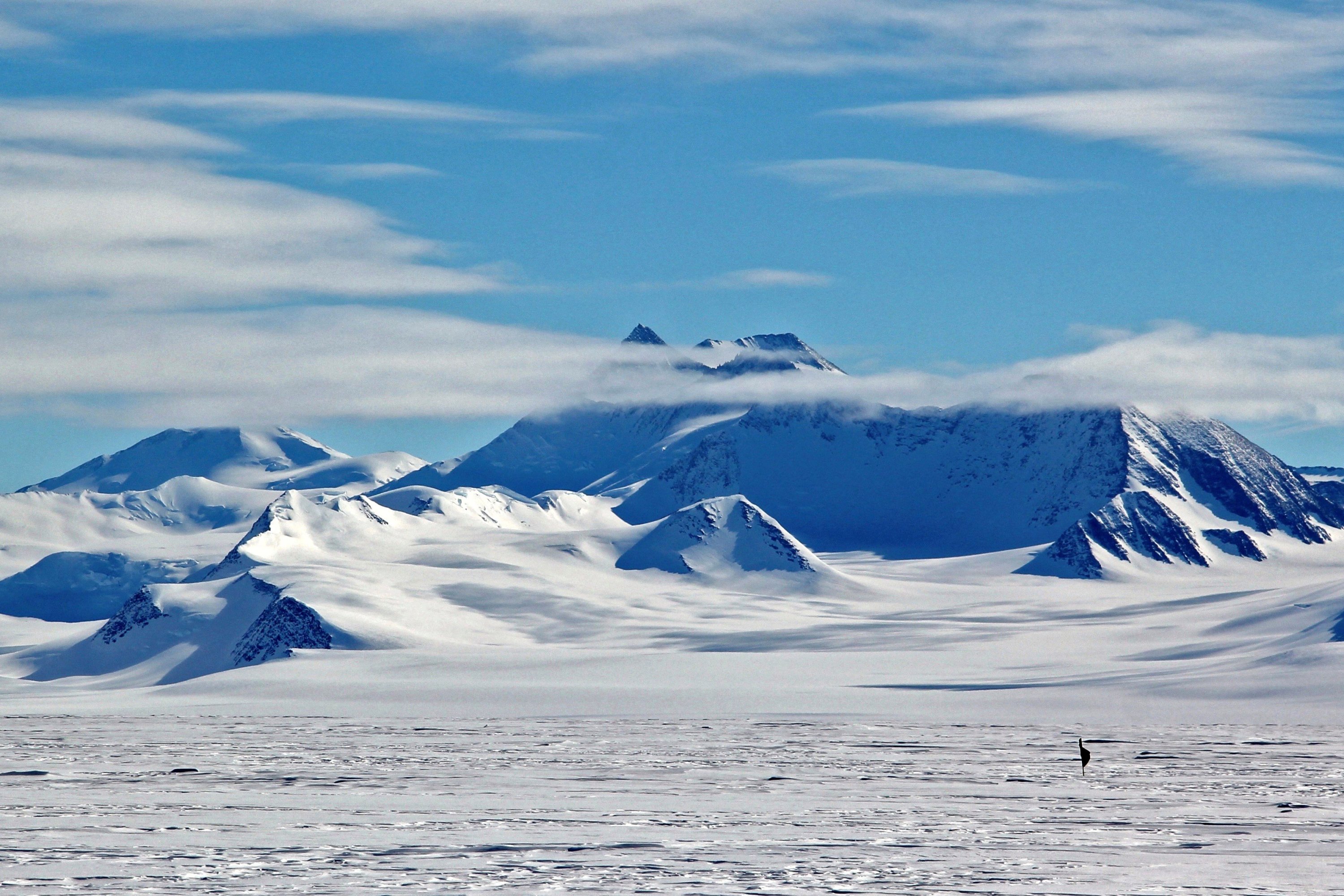
A view of Union Glacier, in Antarctica, Sept. 14, 2017. (AFP Photo)
by Agence France-Presse - AFP Feb 28, 2023 12:17 pm
Edited By Ahmet Koçak

The Antarctic Ocean's area covered by ice has shrunk to a record low – its lowest extent in the 45 years of satellite record-keeping – exposing the thicker ice shelves buttressing the continent's ground ice sheet to waves and warmer temperatures, researchers from the United States reported.

The National Snow and Ice Data Center (NSIDC) at the University of Colorado Boulder said that Antarctica's sea ice fell to 1.79 million square kilometers (691,000 square miles) on Feb. 21, exceeding the previous record low set in 2022 by 136,000 square kilometers.

NSIDC scientists stressed that the latest figure was preliminary since further late-season melt was still possible. They said they would issue a final number on ice extent in early March.

Melting sea ice exposes the thicker ice shelves buttressing Antarctica's ground ice sheet to waves and warmer temperatures. It has no discernible impact on sea levels because the ice is already in ocean water. But the sea ice rings Antarctica's massive ice shelves, the extensions of the freshwater glaciers that threaten catastrophic sea level rise over centuries if they continue melting as global temperatures rise.

"Antarctica's response to climate change has been different from the Arctic's," said Ted Scambos, a senior research scientist at the Cooperative Institute for Research in the Environmental Sciences (CIRES).

"The downward trend in sea ice may signal that global warming is finally affecting the floating ice around Antarctica, but it will take several more years to be confident of it," Scambos said.

The Antarctic cycle undergoes significant annual variations during its thawing summers and freezing winters. The continent has not experienced the rapid melting of the past four decades that plague the ice sheets of Greenland and the Arctic due to global warming.

But the high melt rate since 2016 raises concerns that a significant downward trend may take hold.

The melting of sea ice is problematic because it helps accelerate global warming.

When white sea ice – which bounces up to 90% of the Sun's energy back into space – is replaced by dark, unfrozen sea, the water absorbs a similar percentage of the Sun's heat instead.

Globally, last year was the fifth or sixth warmest on record despite the cooling influence of a natural La Nina weather pattern.


  • shortlink copied
  • Last Update: Feb 28, 2023 4:20 pm
    KEYWORDS
    environment climate change global warming rising sea levels rising temperatures
    The Daily Sabah Newsletter
    Keep up to date with what’s happening in Turkey, it’s region and the world.
    You can unsubscribe at any time. By signing up you are agreeing to our Terms of Use and Privacy Policy. This site is protected by reCAPTCHA and the Google Privacy Policy and Terms of Service apply.
    No Image
    Loyal friend for 13 years: 'Yaren' stork and fisherman
    PHOTOGALLERY
    • POLITICS
    • Diplomacy
    • Legislation
    • War On Terror
    • EU Affairs
    • News Analysis
    • TÜRKİYE
    • Istanbul
    • Education
    • Investigations
    • Minorities
    • Diaspora
    • World
    • Mid-East
    • Europe
    • Americas
    • Asia Pacific
    • Africa
    • Syrian Crisis
    • İslamophobia
    • Business
    • Automotive
    • Economy
    • Energy
    • Finance
    • Tourism
    • Tech
    • Defense
    • Transportation
    • News Analysis
    • Lifestyle
    • Health
    • Environment
    • Travel
    • Food
    • Fashion
    • Science
    • Religion
    • History
    • Feature
    • Expat Corner
    • Arts
    • Cinema
    • Music
    • Events
    • Portrait
    • Performing Arts
    • Reviews
    • Sports
    • Football
    • Basketball
    • Motorsports
    • Tennis
    • Opinion
    • Columns
    • Op-Ed
    • Reader's Corner
    • Editorial
    • Photo gallery
    • DS TV
    • Jobs
    • privacy
    • about us
    • contact us
    • RSS
    © Turkuvaz Haberleşme ve Yayıncılık 2021