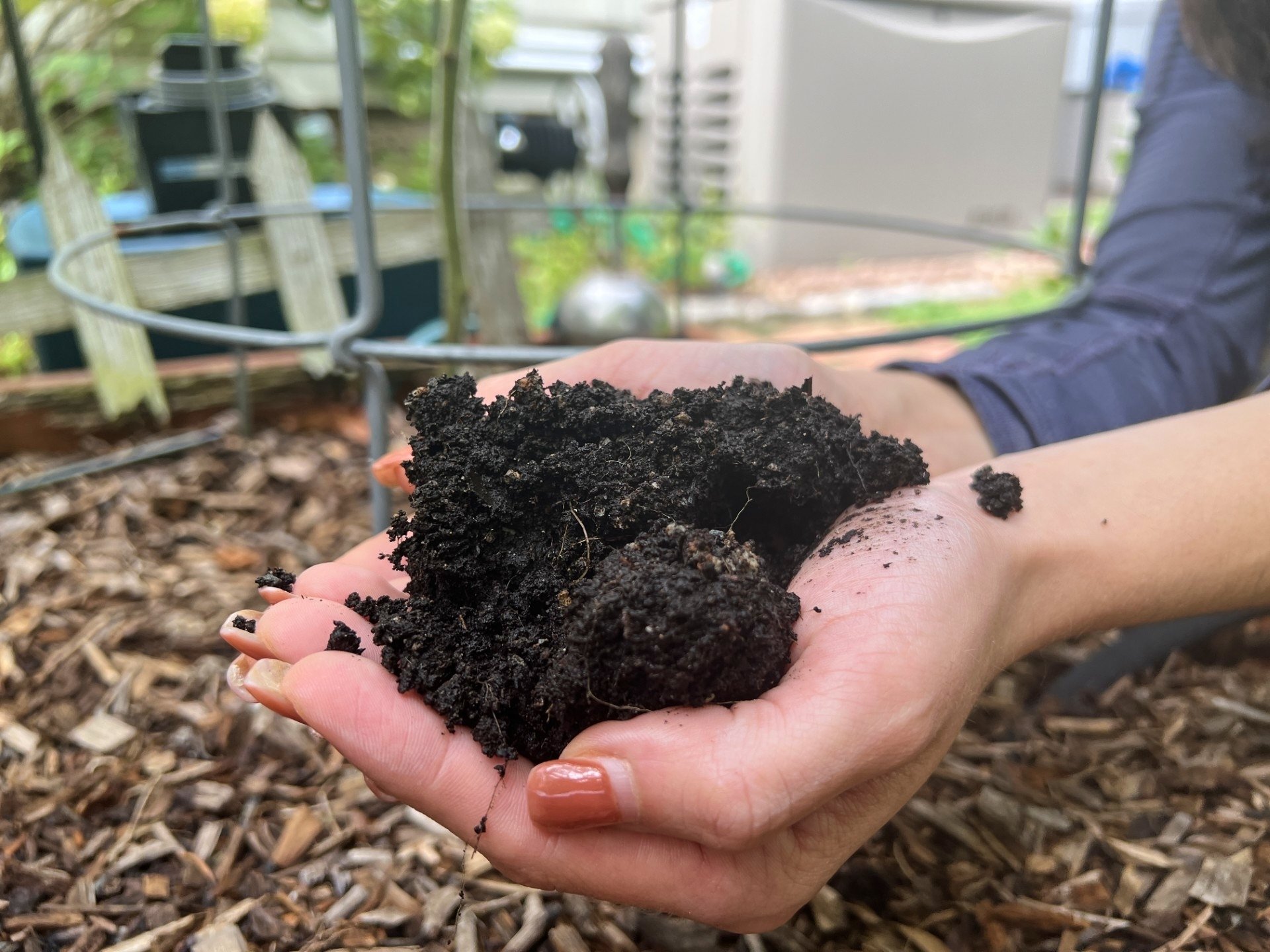
We all dream of it: A breathtaking, lush, verdant garden that nourishes our souls and makes us the envy of the neighborhood. And to make that dream come true, our first thoughts tend to focus on plants. But the garden is a structure, and like any structure, it requires a good foundation. That’s where soil health comes in.
Soil is not just "dirt.” It’s a living ecosystem teeming with nutrients, organic matter and billions of organisms like bacteria, fungi, insects and invertebrates like worms. That ecosystem is estimated to be home to 59% of all life, "making it the singular most biodiverse habitat on Earth,” according to a 2023 research article published in the Proceedings of the National Academy of Sciences.
Soil organisms keep harmful organisms in check, break down organic matter into natural fertilizer, distribute oxygen and aerate the soil to optimize water drainage. Keeping it healthy is paramount to your garden’s success.
Before planting, assess your soil’s structure. Sand drains too quickly, while heavy clay retains too much water. Neither will properly meet most plants’ moisture requirements.
Improve either soil type by spreading 3-4 inches (8-10 centimeters) of compost, leaf mold or well-rotted manure over the area, then use a broad fork to gently turn it in 6-12 inches (15-30 centimeters) deep.
Don’t overdo it; the end result should be lumpy, not powdery.
Aggressive turning or tilling harms microorganisms, kills beneficial insects and earthworms, increases erosion, removes air pockets, releases carbon into the atmosphere and brings dormant weed seeds to the surface, where conditions are perfect for their growth. It also moves nutrient-rich topsoil down, replacing it with less-fertile soil from below.
In subsequent years, simply spread the organic matter over the soil and allow it to work its way down naturally as it decomposes.
What is your soil’s pH level? Each plant type thrives only within a specific pH range. Learn your plants’ target range, then check your soil’s value with a home test kit. If its level is outside the ideal range, raise it by incorporating garden lime or lower it with elemental sulfur, following the dosing directions on the package label.
While you’re at it, check nutrient levels to ensure the soil is rich in nitrogen, phosphorus and potassium - the three essential macronutrients for plant health. The results will guide your fertilizer strategy. You can buy a separate test kit or look for a combination pH-nutrient kit. Both are inexpensive and widely available. Alternately, call your local cooperative extension office; many provide soil tests and guidance for a nominal fee.
For the best results, focus on building soil health slowly rather than relying on quick fixes, which are typically short-lived. This means opting for slow-release fertilizers and organic matter, such as compost, rather than using fast-release synthetic fertilizers. Save fast-release options for emergencies when you need to resolve a nutrient deficiency quickly to save a plant.
Avoid walking on soil in beds, borders and the lawn. Doing so risks compacting the soil, which closes vital air pockets, inhibits water flow and makes it difficult for roots to grow through. Most plants growing in compacted soil will be stunted or otherwise fail to thrive.
Bare soil leads to erosion, nutrient deficiencies, moisture loss and the death of microorganisms. It also rolls out the welcome mat for weeds. Plant something or cover the soil with a thick layer of undyed organic mulch like shredded bark, wood chips, straw or dry leaves.
Spread 2-3 inches (5-8 centimeters) of mulch around plants in beds and borders, too. It will retain moisture, keep soil temperature even and discourage weeds. Just keep it a couple of inches away from plant crowns and stems to avoid rotting.