Daily Sabah logo

Politics
Diplomacy Legislation War On Terror EU Affairs Elections News Analysis
TÜRKİYE
Istanbul Education Investigations Minorities Expat Corner Diaspora
World
Mid-East Europe Americas Asia Pacific Africa Syrian Crisis Islamophobia
Business
Automotive Economy Energy Finance Tourism Tech Defense Transportation News Analysis
Lifestyle
Health Environment Travel Food Fashion Science Religion History Feature Expat Corner
Arts
Cinema Music Events Portrait Reviews Performing Arts
Sports
Football Basketball Motorsports Tennis
Opinion
Columns Op-Ed Reader's Corner Editorial
PHOTO GALLERY
JOBS ABOUT US RSS PRIVACY CONTACT US
© Turkuvaz Haberleşme ve Yayıncılık 2025

Daily Sabah - Latest & Breaking News from Turkey | Istanbul

  • Politics
    • Diplomacy
    • Legislation
    • War On Terror
    • EU Affairs
    • Elections
    • News Analysis
  • TÜRKİYE
    • Istanbul
    • Education
    • Investigations
    • Minorities
    • Expat Corner
    • Diaspora
  • World
    • Mid-East
    • Europe
    • Americas
    • Asia Pacific
    • Africa
    • Syrian Crisis
    • Islamophobia
  • Business
    • Automotive
    • Economy
    • Energy
    • Finance
    • Tourism
    • Tech
    • Defense
    • Transportation
    • News Analysis
  • Lifestyle
    • Health
    • Environment
    • Travel
    • Food
    • Fashion
    • Science
    • Religion
    • History
    • Feature
    • Expat Corner
  • Arts
    • Cinema
    • Music
    • Events
    • Portrait
    • Reviews
    • Performing Arts
  • Sports
    • Football
    • Basketball
    • Motorsports
    • Tennis
  • Gallery
  • Opinion
    • Columns
    • Op-Ed
    • Reader's Corner
    • Editorial
  • TV
  • Life
  • Health
  • Environment
  • Travel
  • Food
  • Fashion
  • Science
  • Religion
  • History
  • Feature
  • Expat Corner

Mekong home to over 200 new species, from monkeys to bamboo: WWF

by Associated Press

BANGKOK Jan 27, 2022 - 2:05 pm GMT+3
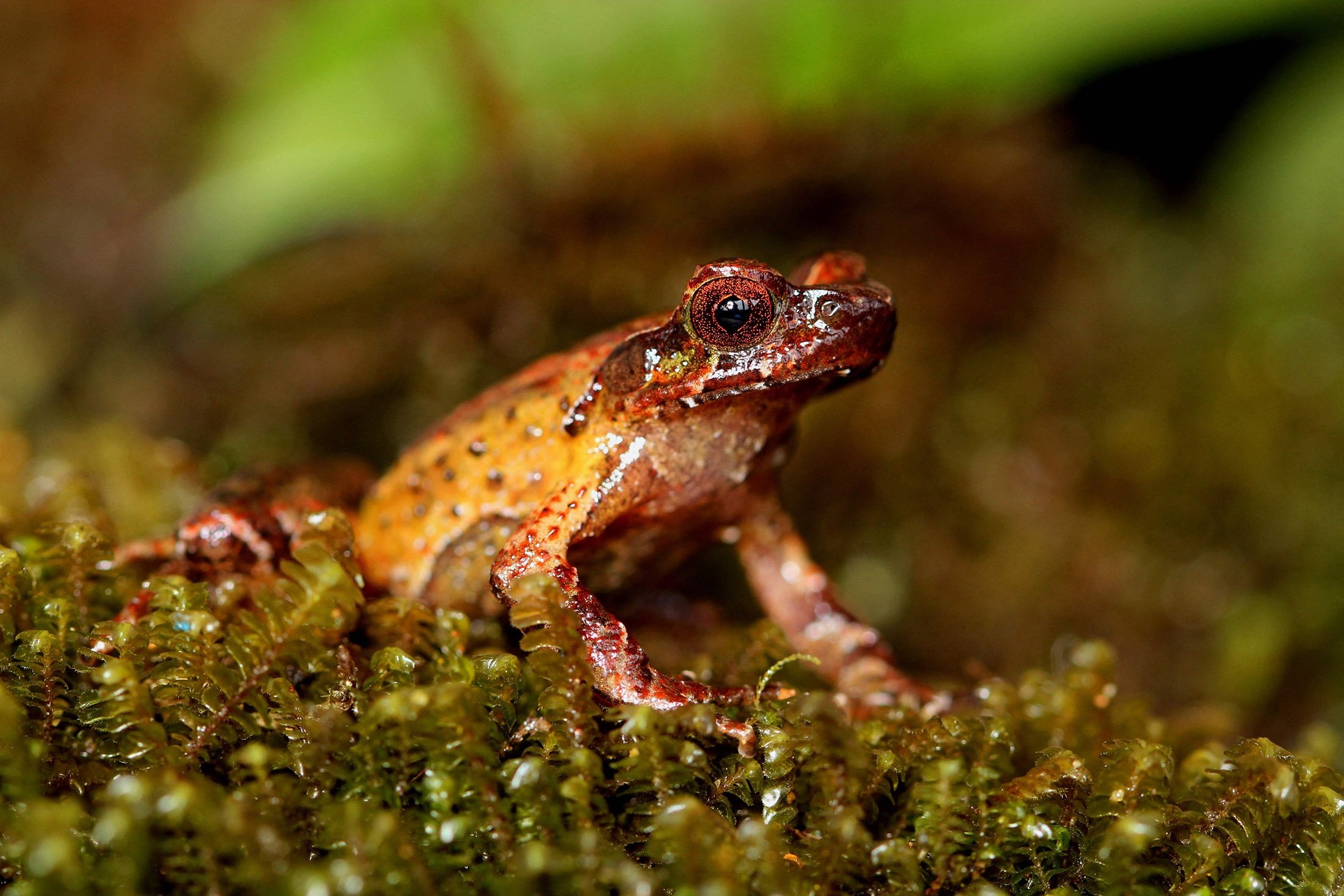
The Megophrys frigida or Mount Ky Quan San horned frog in the Bat Xat Nature Reserve on Mount Ky Quan San, Vietnam, Jan. 27, 2022. (WWF via AFP)
by Associated Press Jan 27, 2022 2:05 pm

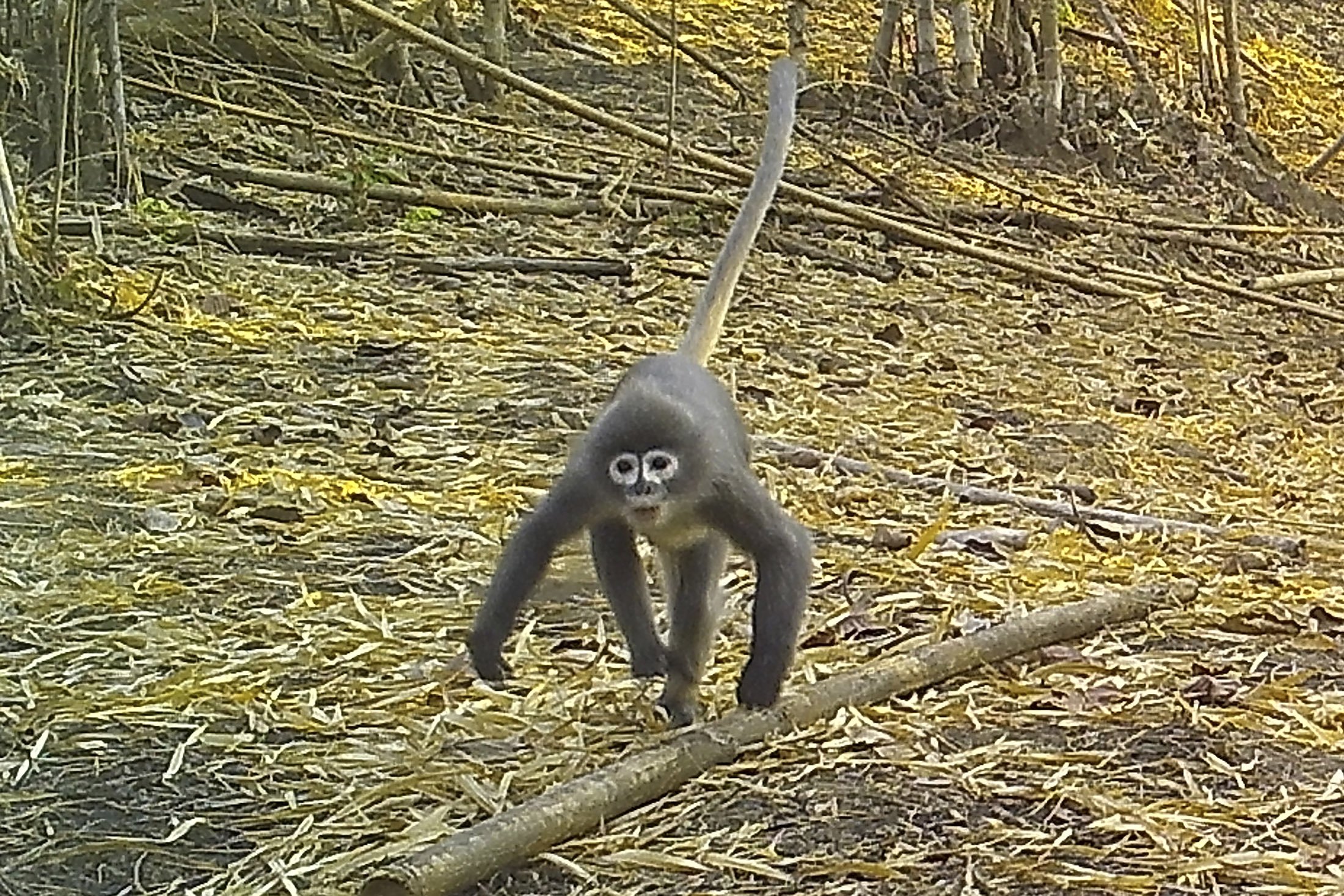
Scientists have discovered 224 new species, including a monkey with ghostly white circles around its eyes, across the Greater Mekong region in 2020 alone, despite looming threats such as climate change and human activities like logging, the World Wildlife Fund’s (WWF) latest update revealed.

The conservation group’s report, released Wednesday, highlights the need to protect the rich biodiversity and habitats in the region, which includes Vietnam, Cambodia, Laos, Thailand and Myanmar.

The species listed were found in 2020 but last year’s report was delayed. The monkey is called the Popa langur, for it lives on the steep hillsides of the extinct Mount Popa volcano in Myanmar. It is the only new mammal. There are also dozens of newly identified reptiles, frogs and newts, fish and 155 plant species, including the only known succulent bamboo species found in Laos.
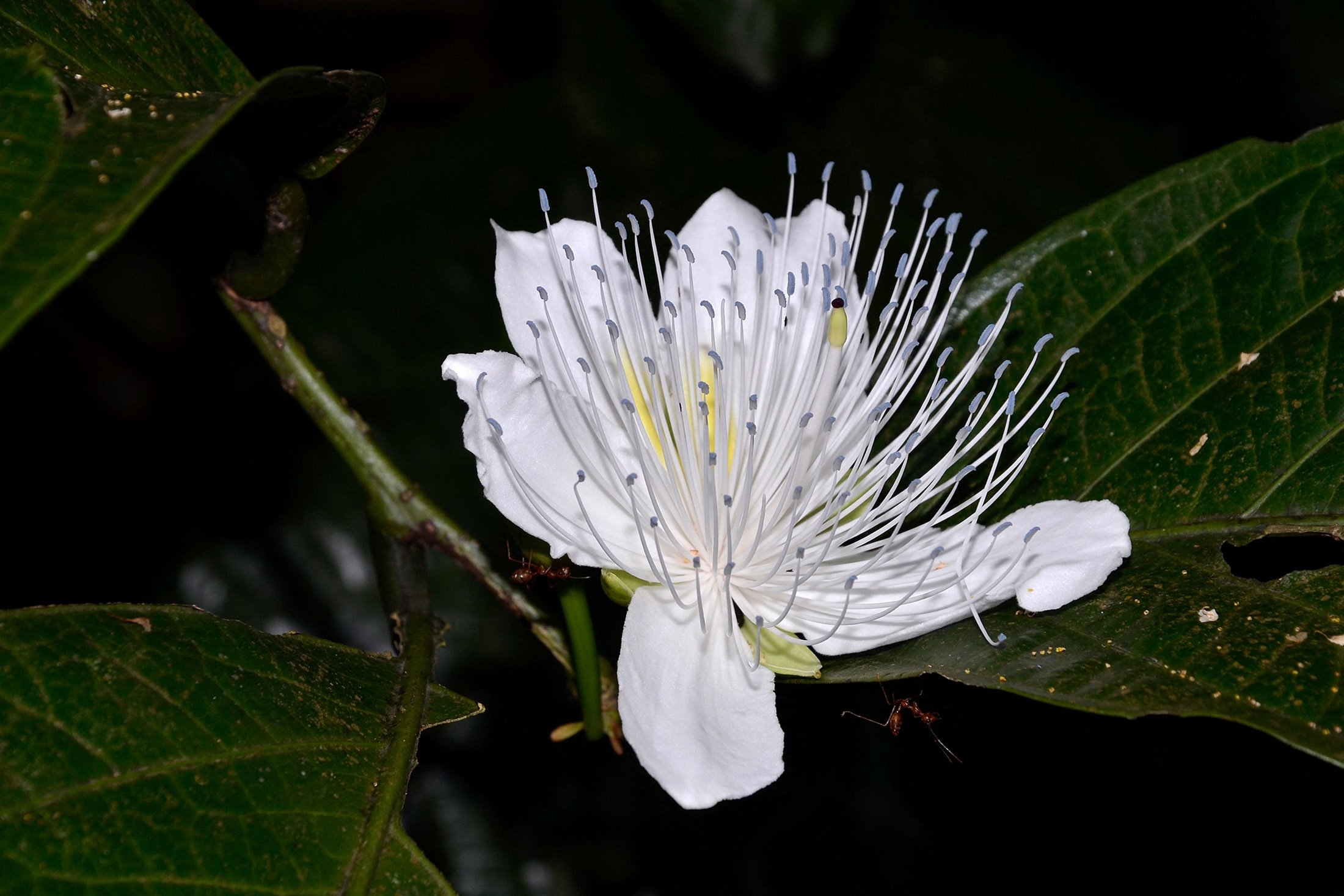
The Capparis macrantha plant of the caper bush family in the Nam Kading National Protected Area in Bolikhamxay province, Laos, Jan. 27, 2022. (WWF via AFP)
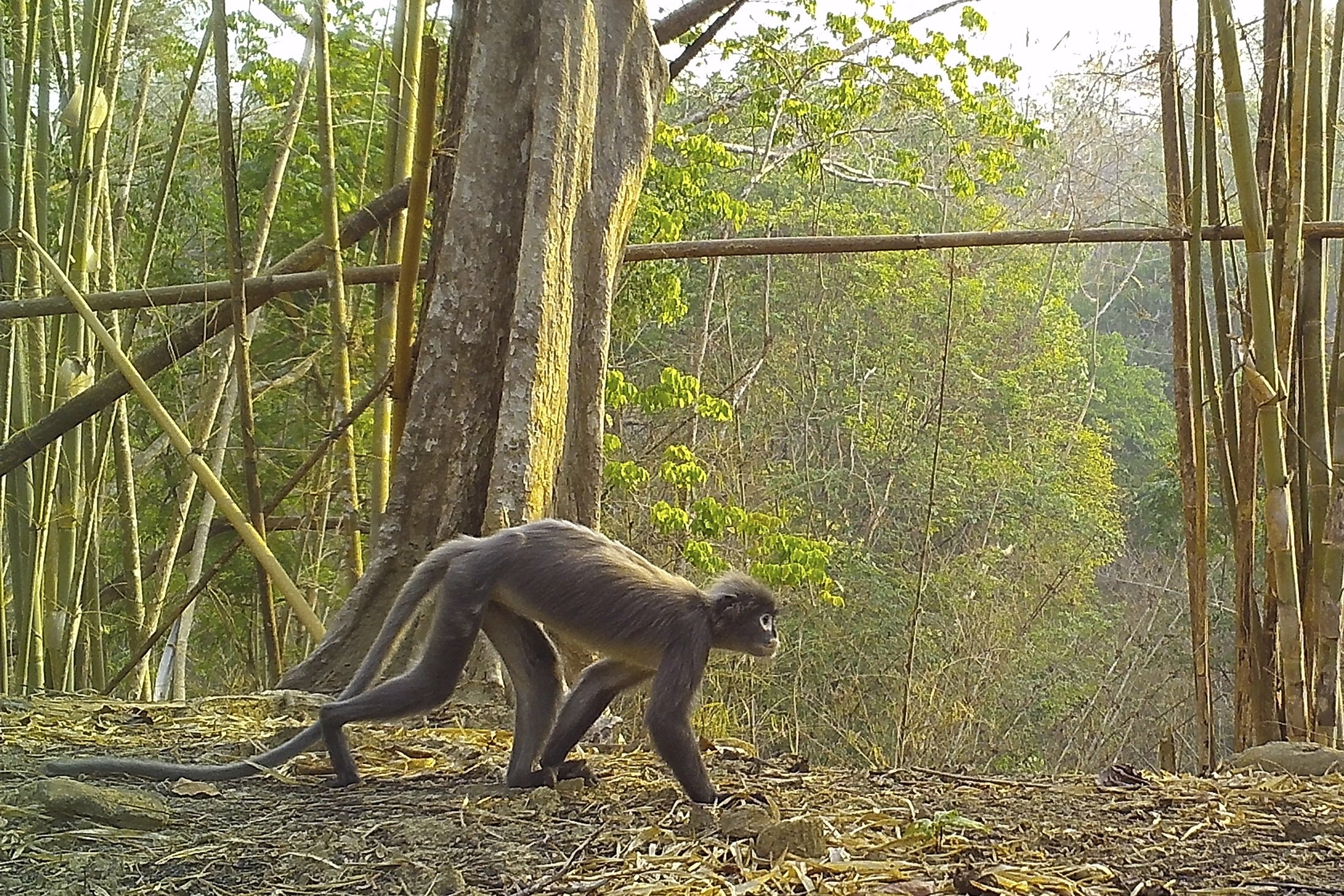
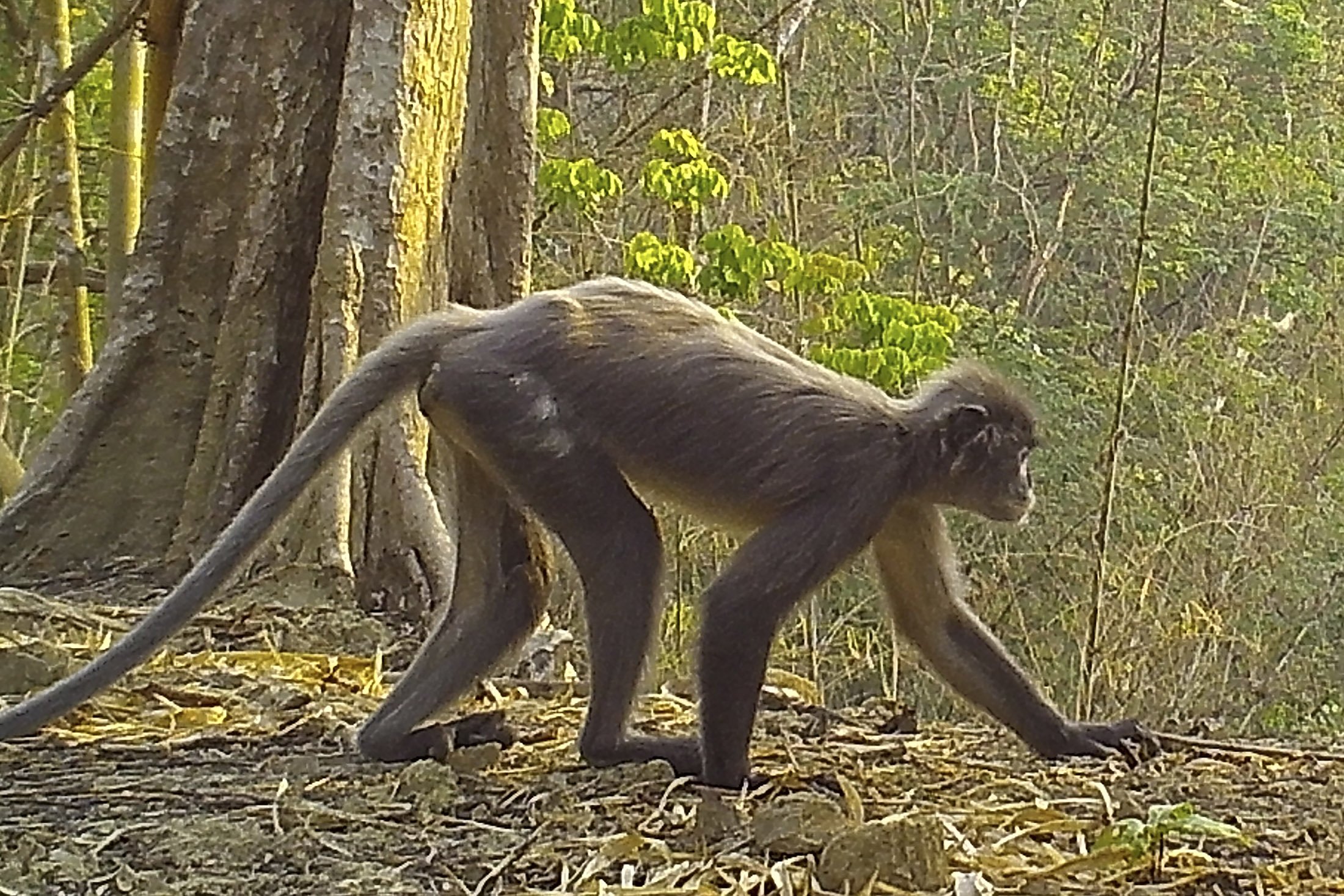
A Popa langur moves along the forest floor. (WWF via AP)

The Mekong region is a biodiversity hot spot and home to tigers, Asian elephants, saola – an extremely rare animal also called the Asian unicorn or spindlehorn – and thousands of other species.

Including this latest list, scientists have identified more than 3,000 new species in the region since 1997, the WWF said.

Scientists used measurements and samples from museum collections to compare and identify key differences with features of the newly discovered animals and plants, the report said.

Studying such differences can help determine the range of species and threats to their survival, Thomas Ziegler, a curator at the University of Cologne's Institute of Zoology, said in introducing the report.
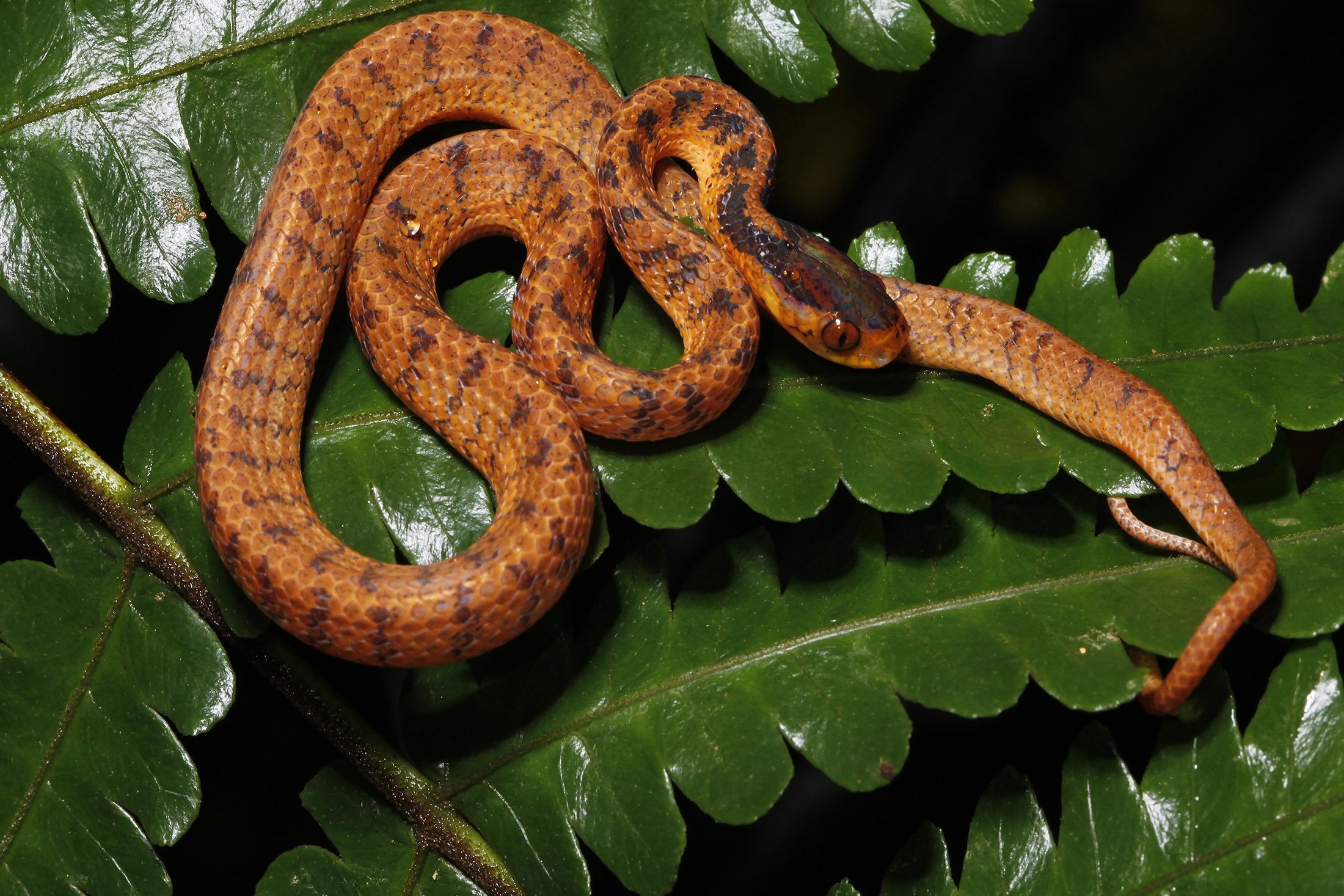
A twin slug snake rests on a leaf. (WWF via AP)
A Popa langur moves along the forest floor. (WWF via AP)

Identifying new species is tricky, though, and sometimes it can only be determined using various methods, such as frog calls and genetic data used to distinguish the Cardamom leaf little frog, found high up in the Cardamom mountains in a wildlife refuge.

Some species are found in more than one country, including the bright orange twin slug snake, which consumes slugs.

The Popa langur was identified based on genetic matching of recently gathered bones with specimens from Britain's Natural History Museum collected more than a century ago, the report said. The broad white rings around its eyes and its front-pointing whiskers are the two main distinguishing characteristics.

The WWF, working with Fauna and Flora International (FFI), caught images of the monkeys using camera traps in 2018. FFI reported the discovery late last year.
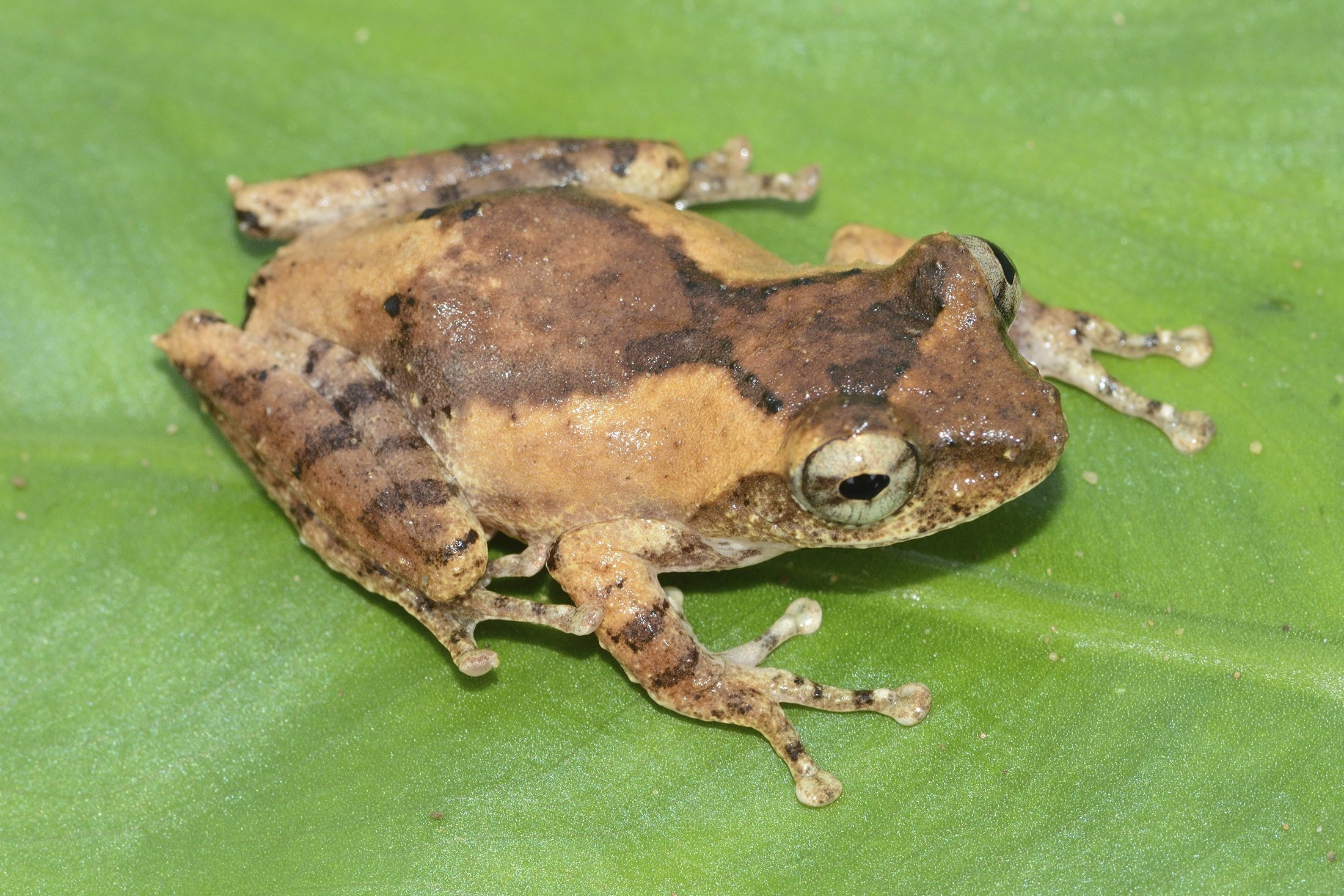
A frilled tree frog rests on a leaf. (WWF via AP)
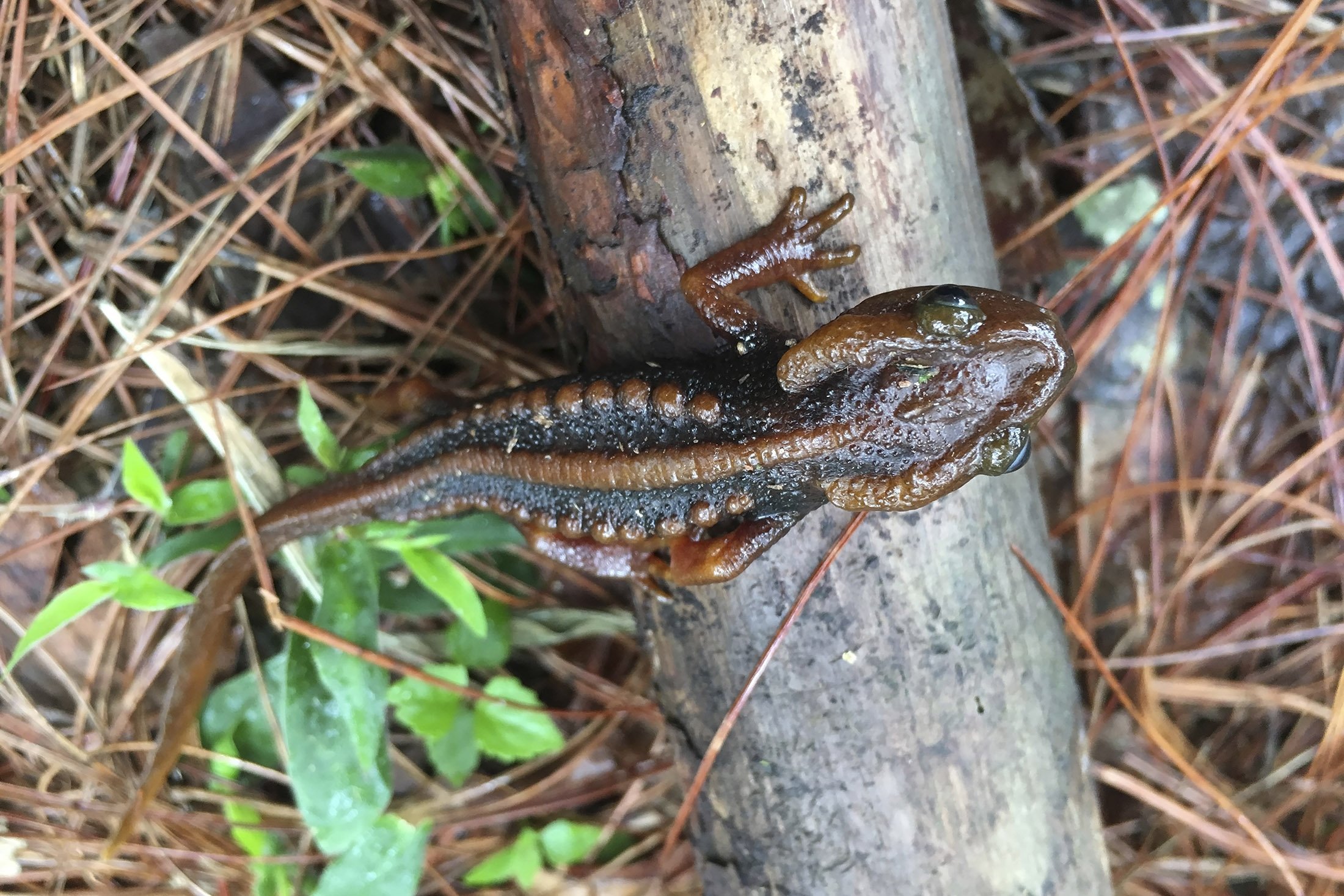
A Doi Phu Kha newt sits on a branch. (WWF via AP)

The monkey is a candidate to be listed as a critically endangered species on the "Red List" of the International Union for the Conservation of Nature (IUCN), the report said, since only 200-250 are thought to survive in the wild, in a handful of places.

Underscoring the urgency of such work, more than 38,000 of the 138,000 species on the IUCN tracks, are on the brink of extinction.

A new type of begonia with reddish flowers and a berry-like fruit was also found in the uplands of Myanmar, where illegal mining and logging have become an increasingly serious threat in the country, which is at the crosshairs of political turmoil following a military takeover a year ago.
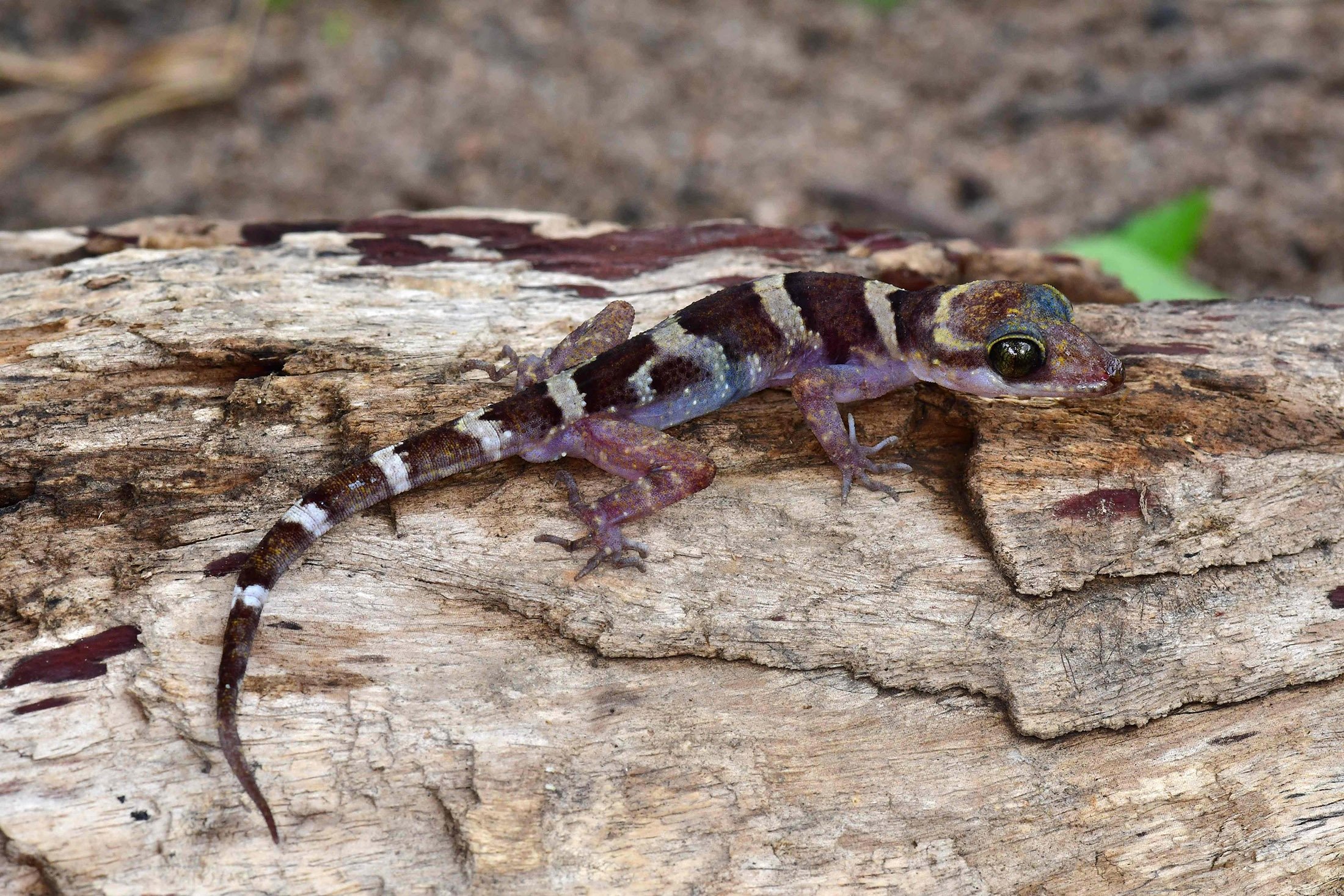
The Cyrtodactylus phnomchiensis bent-toed gecko in Phnom Chi in the Prey Lang Wildlife Sanctuary, Cambodia, Jan. 27, 2022. (WWF via AFP)
A Popa langur moves along the forest floor. (WWF via AP)

Despite human encroachments on tropical forests and other wild zones, much of the Greater Mekong is still little explored and each year dozens of new species are found – a glimmer of hope as so many species go extinct.

Not all new species are found deep in jungles. One of the new plant species is a ginger plant called "stink bug" for its pungent odor similar to big beetles Thais use to make a kind of chili dipping paste served with rice, the report said.

It was found in northeastern Thailand in a plant shop.

  • shortlink copied
  • Last Update: Jan 27, 2022 5:04 pm
    KEYWORDS
    animal archives animal species new species mekong conservation
    The Daily Sabah Newsletter
    Keep up to date with what’s happening in Turkey, it’s region and the world.
    You can unsubscribe at any time. By signing up you are agreeing to our Terms of Use and Privacy Policy. This site is protected by reCAPTCHA and the Google Privacy Policy and Terms of Service apply.
    No Image
    Digital Art Fair Asia dazzling with digital and NFT art
    PHOTOGALLERY
    • POLITICS
    • Diplomacy
    • Legislation
    • War On Terror
    • EU Affairs
    • News Analysis
    • TÜRKİYE
    • Istanbul
    • Education
    • Investigations
    • Minorities
    • Diaspora
    • World
    • Mid-East
    • Europe
    • Americas
    • Asia Pacific
    • Africa
    • Syrian Crisis
    • İslamophobia
    • Business
    • Automotive
    • Economy
    • Energy
    • Finance
    • Tourism
    • Tech
    • Defense
    • Transportation
    • News Analysis
    • Lifestyle
    • Health
    • Environment
    • Travel
    • Food
    • Fashion
    • Science
    • Religion
    • History
    • Feature
    • Expat Corner
    • Arts
    • Cinema
    • Music
    • Events
    • Portrait
    • Performing Arts
    • Reviews
    • Sports
    • Football
    • Basketball
    • Motorsports
    • Tennis
    • Opinion
    • Columns
    • Op-Ed
    • Reader's Corner
    • Editorial
    • Photo gallery
    • DS TV
    • Jobs
    • privacy
    • about us
    • contact us
    • RSS
    © Turkuvaz Haberleşme ve Yayıncılık 2021