Daily Sabah logo

Politics
Diplomacy Legislation War On Terror EU Affairs Elections News Analysis
TÜRKİYE
Istanbul Education Investigations Minorities Expat Corner Diaspora
World
Mid-East Europe Americas Asia Pacific Africa Syrian Crisis Islamophobia
Business
Automotive Economy Energy Finance Tourism Tech Defense Transportation News Analysis
Lifestyle
Health Environment Travel Food Fashion Science Religion History Feature Expat Corner
Arts
Cinema Music Events Portrait Reviews Performing Arts
Sports
Football Basketball Motorsports Tennis
Opinion
Columns Op-Ed Reader's Corner Editorial
PHOTO GALLERY
JOBS ABOUT US RSS PRIVACY CONTACT US
© Turkuvaz Haberleşme ve Yayıncılık 2025

Daily Sabah - Latest & Breaking News from Turkey | Istanbul

  • Politics
    • Diplomacy
    • Legislation
    • War On Terror
    • EU Affairs
    • Elections
    • News Analysis
  • TÜRKİYE
    • Istanbul
    • Education
    • Investigations
    • Minorities
    • Expat Corner
    • Diaspora
  • World
    • Mid-East
    • Europe
    • Americas
    • Asia Pacific
    • Africa
    • Syrian Crisis
    • Islamophobia
  • Business
    • Automotive
    • Economy
    • Energy
    • Finance
    • Tourism
    • Tech
    • Defense
    • Transportation
    • News Analysis
  • Lifestyle
    • Health
    • Environment
    • Travel
    • Food
    • Fashion
    • Science
    • Religion
    • History
    • Feature
    • Expat Corner
  • Arts
    • Cinema
    • Music
    • Events
    • Portrait
    • Reviews
    • Performing Arts
  • Sports
    • Football
    • Basketball
    • Motorsports
    • Tennis
  • Gallery
  • Opinion
    • Columns
    • Op-Ed
    • Reader's Corner
    • Editorial
  • TV
  • Life
  • Health
  • Environment
  • Travel
  • Food
  • Fashion
  • Science
  • Religion
  • History
  • Feature
  • Expat Corner

Unresolved water crises to endanger food production by 2050: Experts

by Agence France-Presse - AFP

PARIS Oct 17, 2024 - 11:12 am GMT+3
Edited By Ayşe Sena Aykın
Greenpeace activists prepare a protest message over sandbanks exposed due to drought at the Solimoes River, one of the largest tributaries of the Amazon River, Brazil, Sept. 20, 2024. (Reuters Photo)
by Agence France-Presse - AFP Oct 17, 2024 11:12 am
Edited By Ayşe Sena Aykın

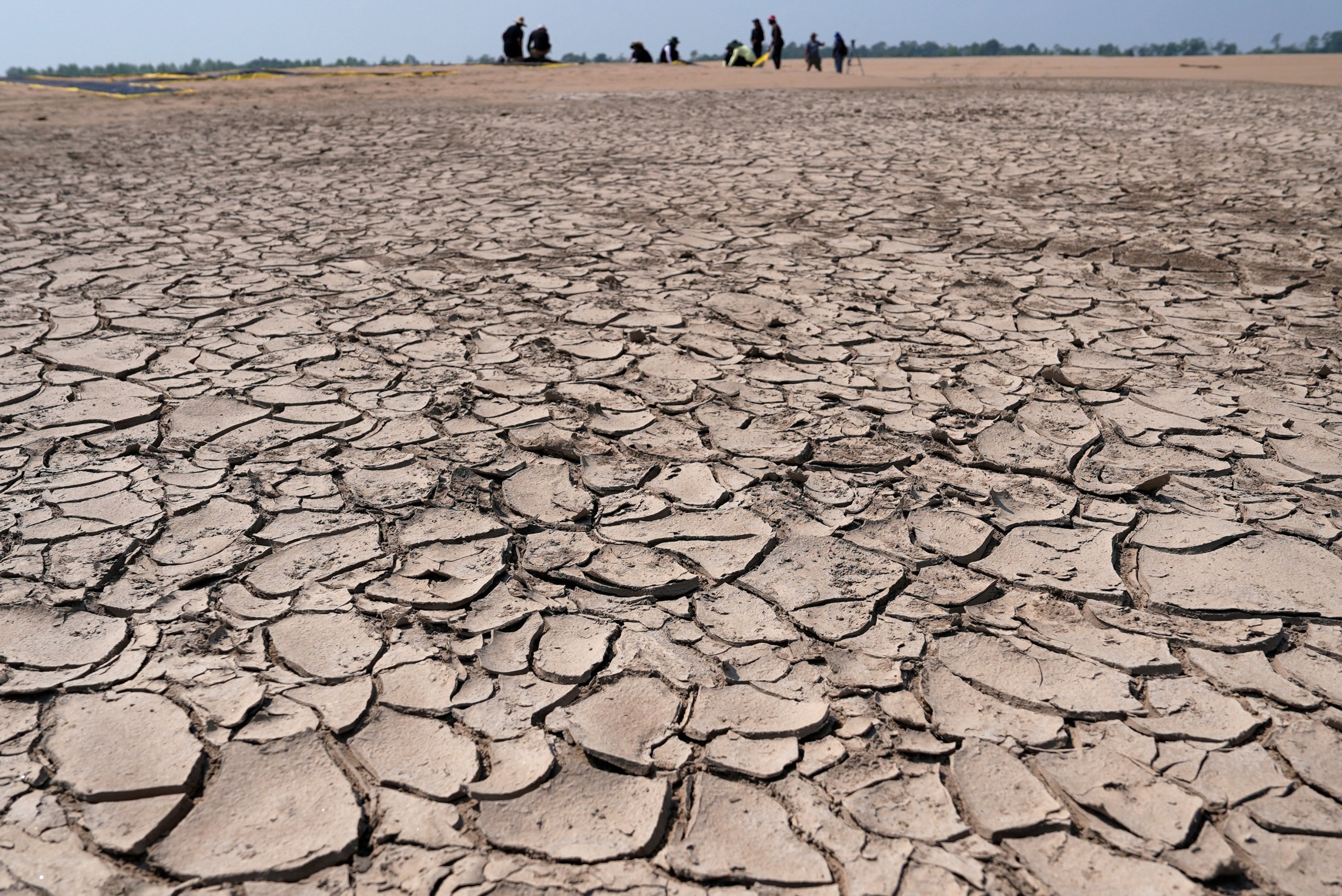
Inaction on the water crisis could put more than half of the world's food production at risk by 2050, experts warned in a major report published Thursday.

"Nearly 3 billion people and more than half of the world's food production are now in areas where total water storage is projected to decline," said the report by the Global Commission on the Economics of Water (GCEW).

The report also warned the water crisis could lead to an 8% drop in GDP on average for high-income countries by 2050 and as much as 15% for lower-income countries.

Disruptions of the water cycle "have major global economic impacts," said the report.

The economic declines would be a consequence of "the combined effects of changing precipitation patterns and rising temperatures due to climate change, together with declining total water storage and lack of access to clean water and sanitation."

Facing this crisis, the report called for the water cycle to be viewed as a "global common good" and for a transformation of water governance at all levels.

"The costs entailed in these actions are very small in comparison to the harm that continued inaction will inflict on economies and humanity," it said.

While water is often perceived as "an abundant gift of nature," the report stressed it was scarce and costly to transport.

It called for the elimination of "harmful subsidies in water-intensive sectors or redirecting them toward water-saving solutions and providing targeted support for the poor and vulnerable."

"We have to couple the pricing of water with appropriate subsidies," said World Trade Organization Director-General Ngozi Okonjo-Iweala, a co-chair of the GCEW, during an online briefing.

Another co-chair, Singaporean President Tharman Shanmugaratnam, insisted on the need to see water as a global problem, to "innovate and invest" to solve the crisis and "stabilize the global hydrological cycle."


  • shortlink copied
  • Last Update: Oct 17, 2024 2:12 pm
    KEYWORDS
    water crisis climate change global commission on the economics of water economic impact food production
    The Daily Sabah Newsletter
    Keep up to date with what’s happening in Turkey, it’s region and the world.
    You can unsubscribe at any time. By signing up you are agreeing to our Terms of Use and Privacy Policy. This site is protected by reCAPTCHA and the Google Privacy Policy and Terms of Service apply.
    No Image
    2020, the year of COVID-19 pandemic
    PHOTOGALLERY
    • POLITICS
    • Diplomacy
    • Legislation
    • War On Terror
    • EU Affairs
    • News Analysis
    • TÜRKİYE
    • Istanbul
    • Education
    • Investigations
    • Minorities
    • Diaspora
    • World
    • Mid-East
    • Europe
    • Americas
    • Asia Pacific
    • Africa
    • Syrian Crisis
    • İslamophobia
    • Business
    • Automotive
    • Economy
    • Energy
    • Finance
    • Tourism
    • Tech
    • Defense
    • Transportation
    • News Analysis
    • Lifestyle
    • Health
    • Environment
    • Travel
    • Food
    • Fashion
    • Science
    • Religion
    • History
    • Feature
    • Expat Corner
    • Arts
    • Cinema
    • Music
    • Events
    • Portrait
    • Performing Arts
    • Reviews
    • Sports
    • Football
    • Basketball
    • Motorsports
    • Tennis
    • Opinion
    • Columns
    • Op-Ed
    • Reader's Corner
    • Editorial
    • Photo gallery
    • DS TV
    • Jobs
    • privacy
    • about us
    • contact us
    • RSS
    © Turkuvaz Haberleşme ve Yayıncılık 2021