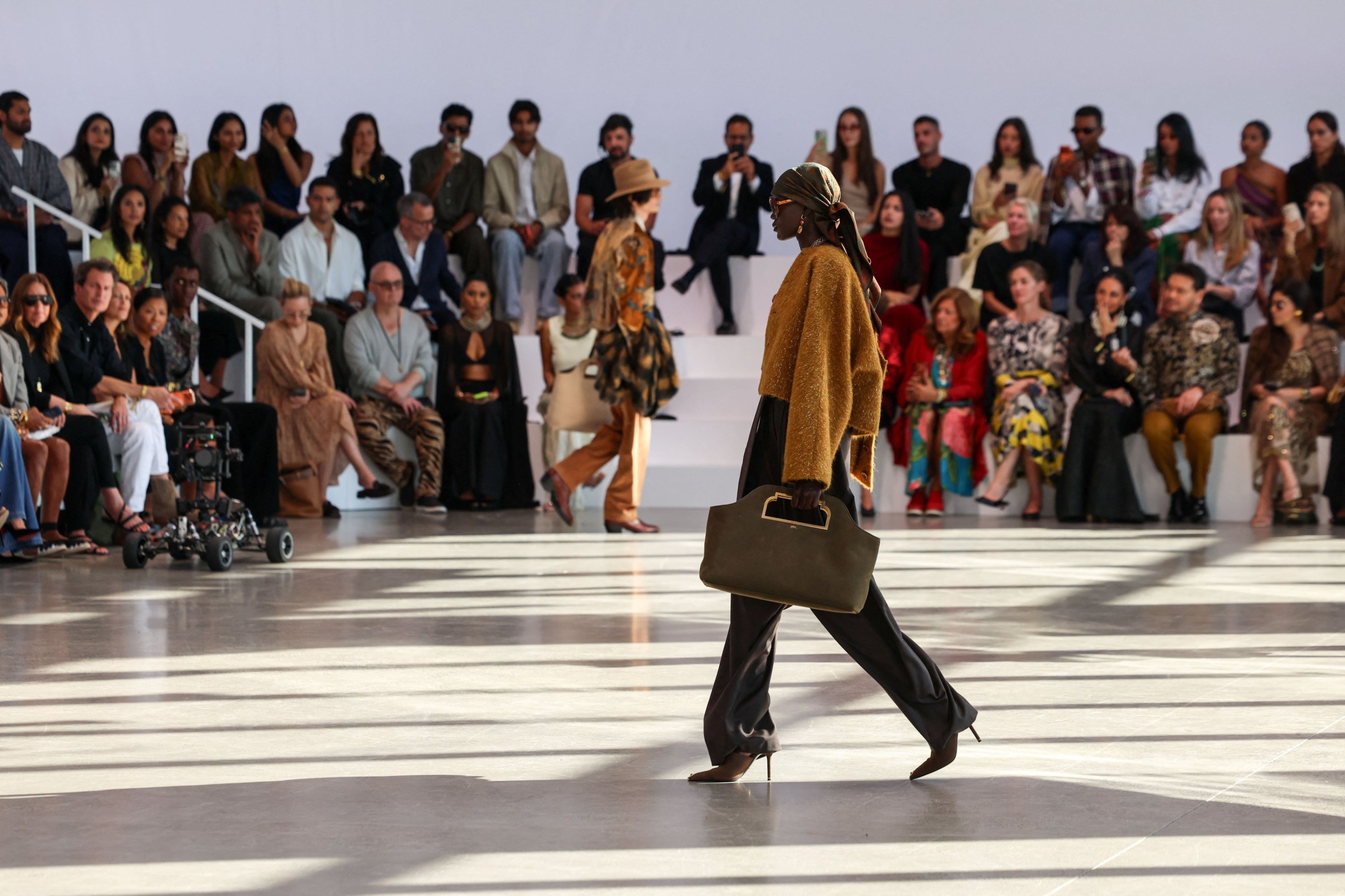
After several seasons dominated by quiet luxury, minimalist wardrobes and the pursuit of looking effortlessly “put together,” the Spring/Summer 2027 collections arriving from New York suggest that fashion is ready to have a little more fun again. There is more color, more texture, more personality and, perhaps most importantly, less interest in following a single aesthetic.
That makes this Fashion Month particularly interesting. New York has just wrapped, London is next, followed by Milan and Paris. The four cities may speak very different fashion languages, but together they offer a snapshot of where the industry is heading – and what that could mean for designers and brands from Türkiye.
New York's first message is clear: minimalism isn't dead, but it is no longer the only answer.
Tory Burch's Spring/Summer 2027 collection brought together color, pattern, texture and accessories in a deliberately playful way. Michael Kors went in a more sculptural direction, inspired by modernist artists Carmen Herrera and Alexander Calder, while Calvin Klein's Veronica Leoni continued to explore the label's refined 1990s minimalism.
Ralph Lauren, meanwhile, revisited the codes of American fashion through denim, lace, corsetry and romantic eveningwear, proving that nostalgia can feel contemporary when it is interpreted rather than simply reproduced. Diane von Furstenberg also returned to the official New York schedule after nine years, with Henry Zankov reworking the house's signature wrap dresses, prints and feminine silhouettes for a new generation.
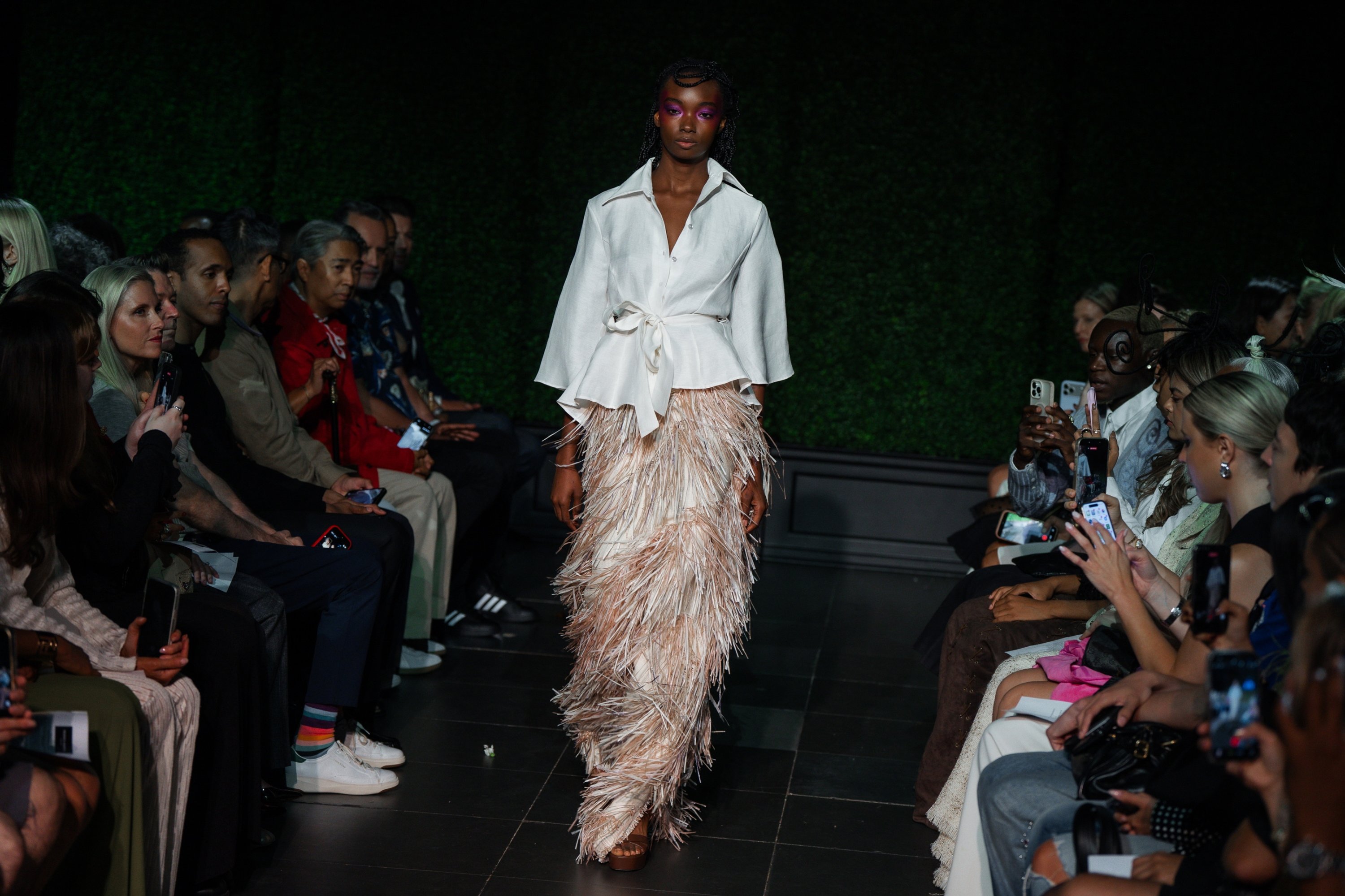
The common thread? Clothes are becoming less about looking “correct” and more about expressing a point of view.
That is also visible on the streets. New York's street style has been full of unexpected layering, bold accessories, Western-inspired belts, clashing colours and prints, alongside relaxed tailoring and classic shirts. The interesting part is not any one individual trend, but the freedom to mix them.
Perhaps the biggest lesson for the coming season is therefore simple: personal style is becoming more valuable than trend-following.
For a while, fashion seemed obsessed with restraint. Beige, black, cream, clean lines, discreet logos and expensive-looking basics dominated both runways and social media.
Spring/Summer 2027 feels more emotional.
Color is returning in a big way. Red remains powerful, while brighter shades such as turquoise, coral, yellow and vermilion appeared across New York collections. Texture is also increasingly important, from embellishment and sheer fabrics to sculptural tailoring and layered surfaces.
This doesn't necessarily mean that the quiet-luxury customer is disappearing. Rather, the definition of luxury seems to be expanding. A beautifully cut white shirt can coexist with an oversized statement earring, a dramatic shoe or a bright skirt.
The future wardrobe may not be minimalist or maximalist.
It may simply be more personal.
Sustainability is becoming a rule, not a slogan.
The other major shift is happening beyond the runway.
New York Fashion Week's Spring/Summer 2027 season marks the first official NYFW season in which animal fur is no longer permitted on the official schedule. The CFDA has also been actively exploring alternatives, including bio-based and innovative materials, signalling a broader conversation about what the next generation of fashion materials could look like.
This is significant because sustainability is increasingly moving away from being a marketing message and into the actual mechanics of fashion: materials, sourcing, production, longevity and waste.
And that is an area where Türkiye already has an important advantage.
Türkiye is not simply a country that produces clothes for global brands. It has a sophisticated textile, leather, denim and manufacturing infrastructure and a long tradition of craftsmanship. The next challenge is turning that production strength into more globally recognized design identities and brands.
There is another transformation happening behind the scenes: artificial intelligence.
During the lead-up to New York Fashion Week, Google worked with designers including Jane Wade and Sergio Hudson to test AI tools for styling, visualization and runway production. The technology allowed designers to experiment with fabrics, looks, lighting and show environments before committing to physical production.
For smaller labels in particular, this could become a significant advantage. AI cannot replace the intuition, fitting and craftsmanship involved in creating a collection, but it can make experimentation faster and less expensive.
The next generation of fashion designers may therefore need to be as comfortable with technology as they are with fabric.
Interestingly, Turkish fashion is not represented by one single aesthetic – and that may be its greatest strength.
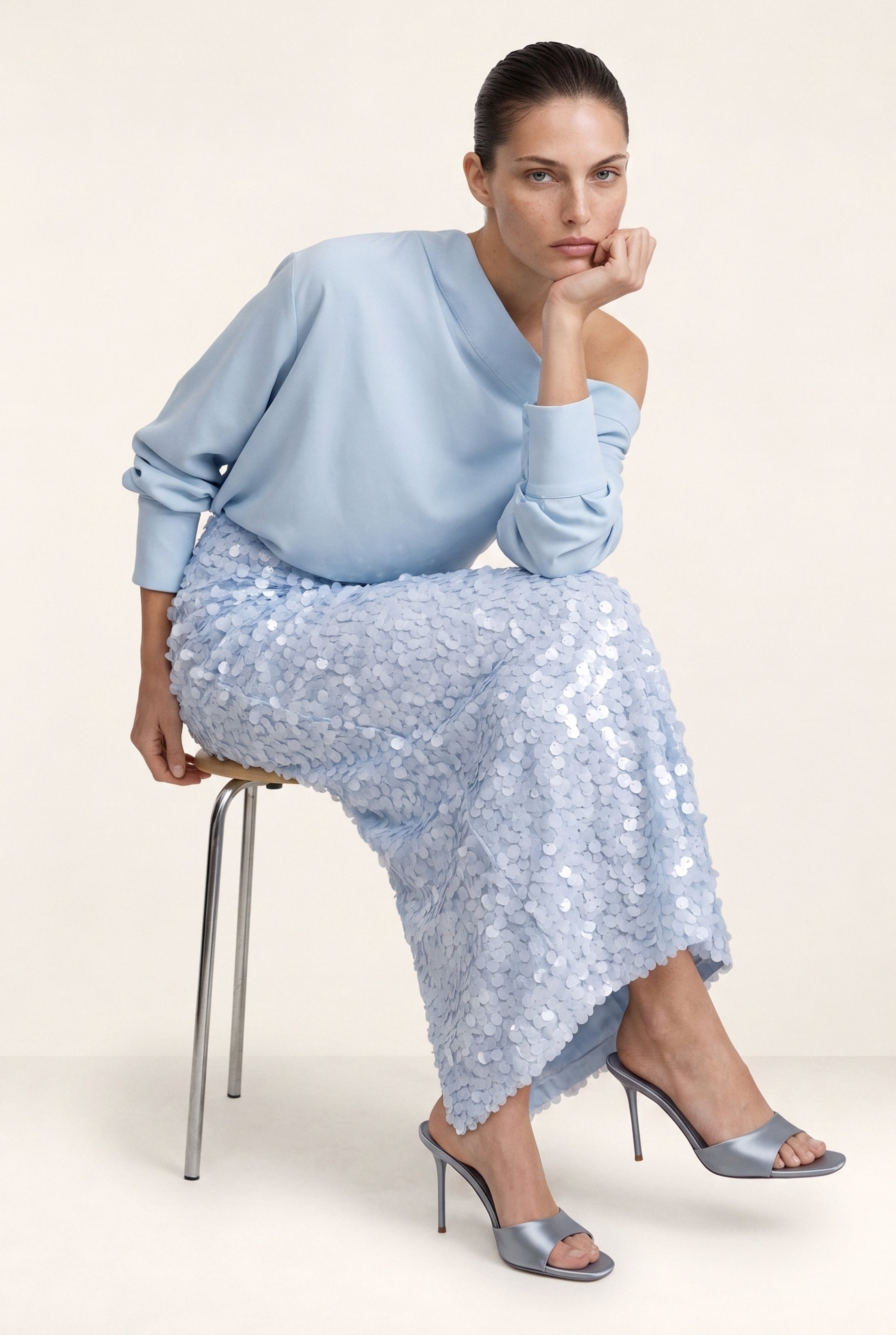
London has long been an important platform for Turkish-born designers. Bora Aksu continues to build his distinctive world of romanticism, craftsmanship and historical references, while Dilara Fındıkoğlu represents a much darker, more rebellious side of London fashion. Both illustrate how designers with Turkish backgrounds can build distinctly international identities rather than being confined to a definition of “Turkish fashion.”
And then there is Paris.
Burç Akyol will present his collection on Sept. 29 as part of the official Paris Fashion Week calendar. His work combines couture-level craftsmanship with a contemporary wardrobe, reflecting his French-Turkish heritage without reducing it to a visual cliché.
Dice Kayek, founded in Paris by sisters Ece and Ayşe Ege, is another established Turkish presence. The house has been part of the Federation of Haute Couture and Fashion since 1994 and continues to explore the relationship between architecture, structure, craftsmanship and modern femininity. Its presentation is scheduled for Oct. 4.
There is also a newer Turkish story to watch: TAGG Fashion and its founder and creative director Gökay Gündoğdu.
The Istanbul-based contemporary womenswear label describes its design language through refined tailoring, elevated fabrics and a balance between structure and softness. TAGG has already presented internationally through selected Paris showrooms and Gündoğdu is now preparing for another Paris chapter.
Gündoğdu's work is particularly interesting in the context of the current Fashion Month because it reflects a direction that feels increasingly relevant globally: strong silhouettes without excessive decoration, modern femininity without obvious trends, and clothes designed to remain relevant beyond a single season.
That philosophy is also visible in TAGG's earlier work, where the designer has spoken about creating timeless wardrobes as part of a more sustainable approach to fashion.
Milan offers another important perspective for Türkiye.
The city remains deeply connected to craftsmanship, materials and manufacturing – areas where Turkish companies already have considerable expertise. 1972 DESA, for example, has used Milan as a platform to present its leather expertise and experiment with next-generation materials. Its collaboration with Istanbul-based material innovation company GOZEN brought the bio-based LUNAFORM™ material to the runway, combining Turkish craftsmanship with material innovation.
This is perhaps where Türkiye's opportunity becomes most obvious.
The country does not need to choose between being a manufacturing powerhouse and a design destination. It can be both.
So, what have we actually learned?
Fashion Month is not finished yet. Paris is still ahead, and Milano is yet to have its say. But New York has already provided a few clues.
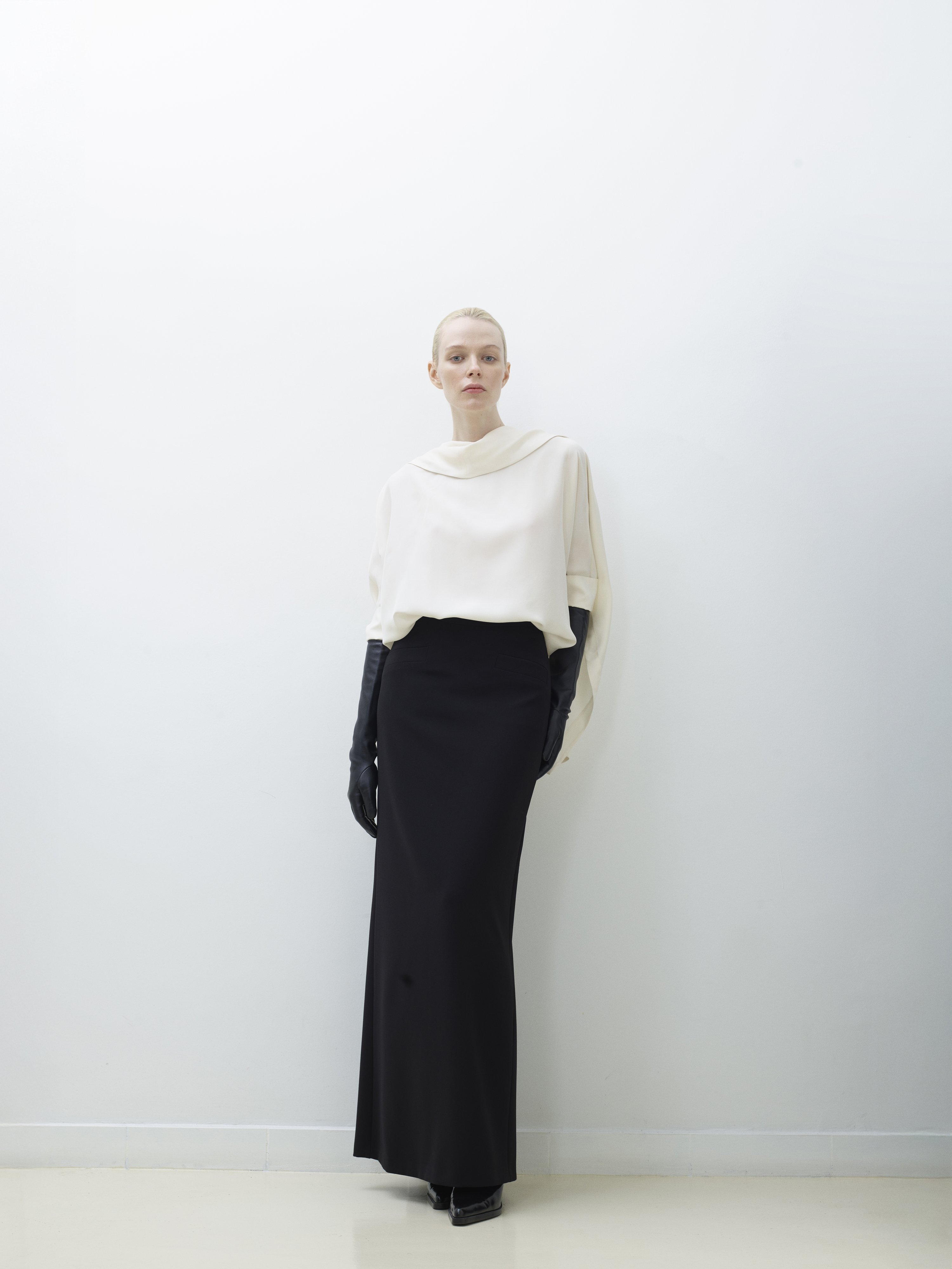
The next fashion cycle is likely to be more expressive, less prescriptive and more comfortable with contradiction. Minimalism will remain, but so will color. Nostalgia will continue, but it will be reinterpreted rather than copied. Sustainability will increasingly be measured through materials and processes rather than slogans. AI will become another tool in the creative process. And consumers will increasingly look for clothes that feel personal rather than simply fashionable.
For Türkiye, the opportunity is particularly interesting.
From Bora Aksu and Dilara Fındıkoğlu in London to Burç Akyol, Dice Kayek and the Paris-bound TAGG by Gökay Gündoğdu, Turkish designers are building different stories in different fashion capitals. Meanwhile, companies such as DESA demonstrate that Türkiye's strength in craftsmanship and production can also become part of the conversation around innovation.
Perhaps that is the real lesson of Fashion Month.
The world doesn't need another country trying to create one definition of “national fashion.” It needs distinctive voices.
And Türkiye already has plenty of them.