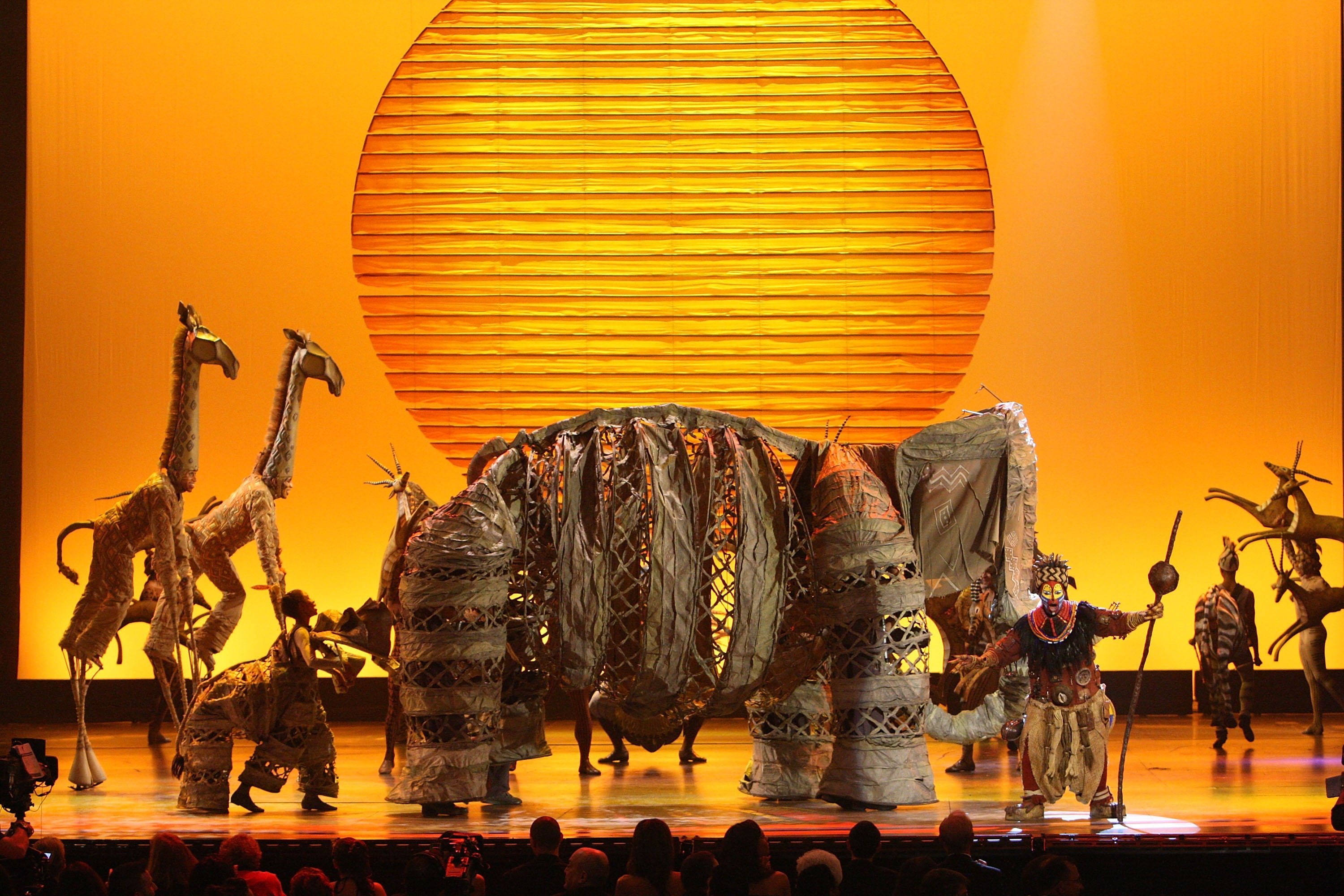
Every so often, theater transcends costume and becomes couture. "The Lion King" is that rare phenomenon – a production where design, texture and storytelling merge into wearable art. On stage, the savannah becomes a runway of myth and every fabric, feather and fiber tells a story older than language itself.
Since its Broadway debut, Julie Taymor’s visionary direction has turned this adaptation into a living gallery of craftsmanship. What we witness isn’t just performance – it’s fashion in motion, an ode to the power of design as cultural expression.
The set design doesn’t imitate nature; it interprets it. The stage opens like a vast atelier of the elements; earth, wind and light stitched together with poetic precision. Layers of hand-dyed textiles, bamboo and sculpted forms evoke the contours of Africa’s landscapes.
Every backdrop feels tactile, like raw linen stretched across golden horizons. The shifting architecture of Pride Rock becomes both symbol and sculpture – a statement piece that changes with the rhythm of the story, much like a garment reimagined in different lights.
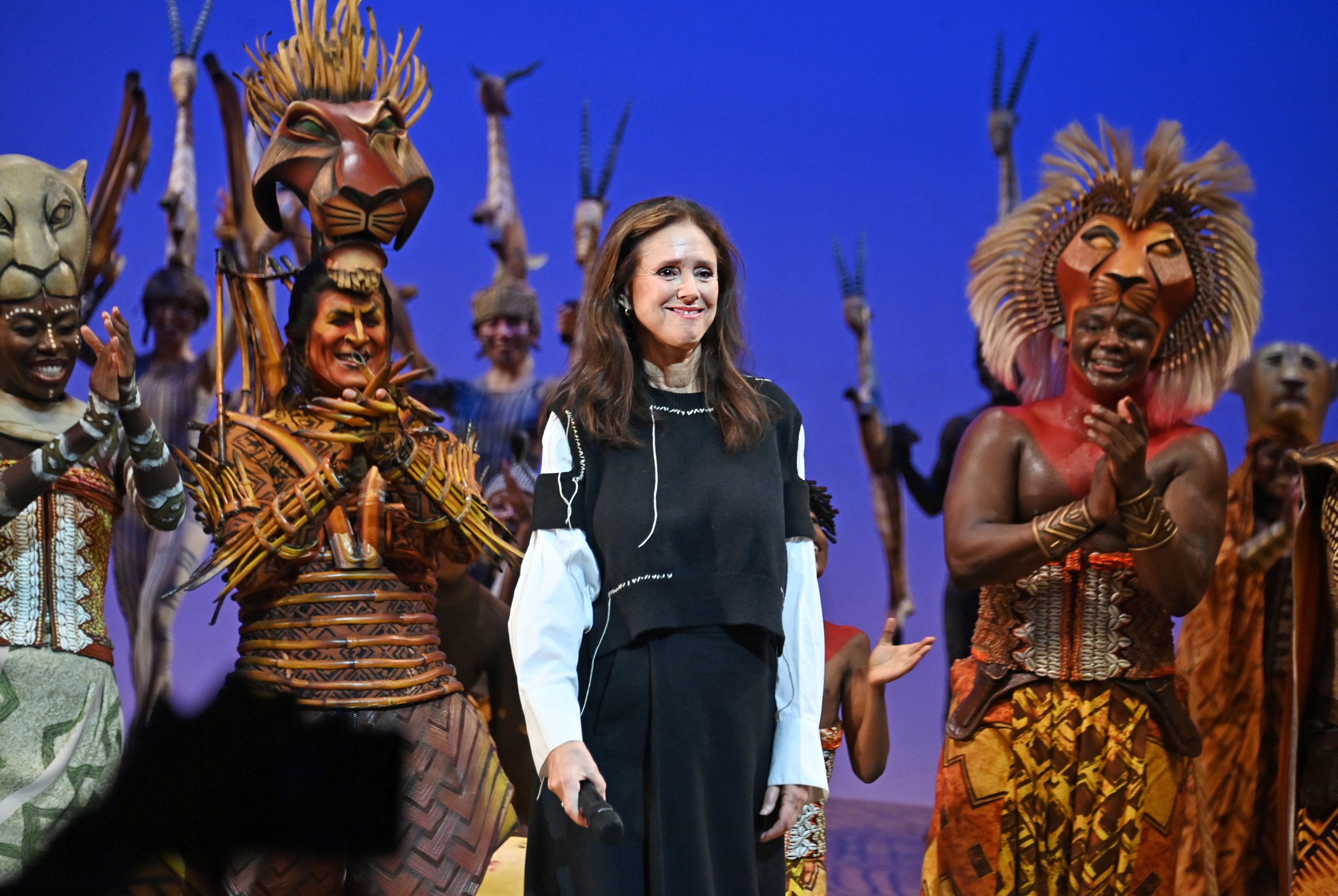
Lighting, by Donald Holder, functions like a stylist’s final touch; using amber, violet and dusty rose to paint mood and depth. It’s as if the savannah itself has been lit for an editorial spread.
The true fashion revolution of "The Lion King" lies in its costuming. Julie Taymor and costume designer Michael Curry don’t disguise the human form; they elevate it. Each character becomes a hybrid of art and anatomy – half couture, half creature.
The materials read like a luxury mood board: Handwoven raffia, silk, leather and beads sourced with artisanal reverence. Mufasa’s regal gold armor shimmers like haute couture under the spotlights, while Scar’s angular lines and dark hues echo avant-garde tailoring; a visual metaphor for his fractured soul.
Giraffes glide in stilts like elongated silhouettes from a surrealist fashion week, while lions wear sculptural headdresses that merge tribal aesthetics with runway elegance. The entire cast moves as if choreographed by the laws of nature and design; every fold, every feather intentional, every gesture couture.
Even the music feels styled. The drumbeats are raw, textured, percussive – the sonic equivalent of woven fabric. Lebo M’s African choral arrangements layer the soundscape with rhythm and resonance, while Elton John’s melodies add melodic softness, silk to the show’s leather.
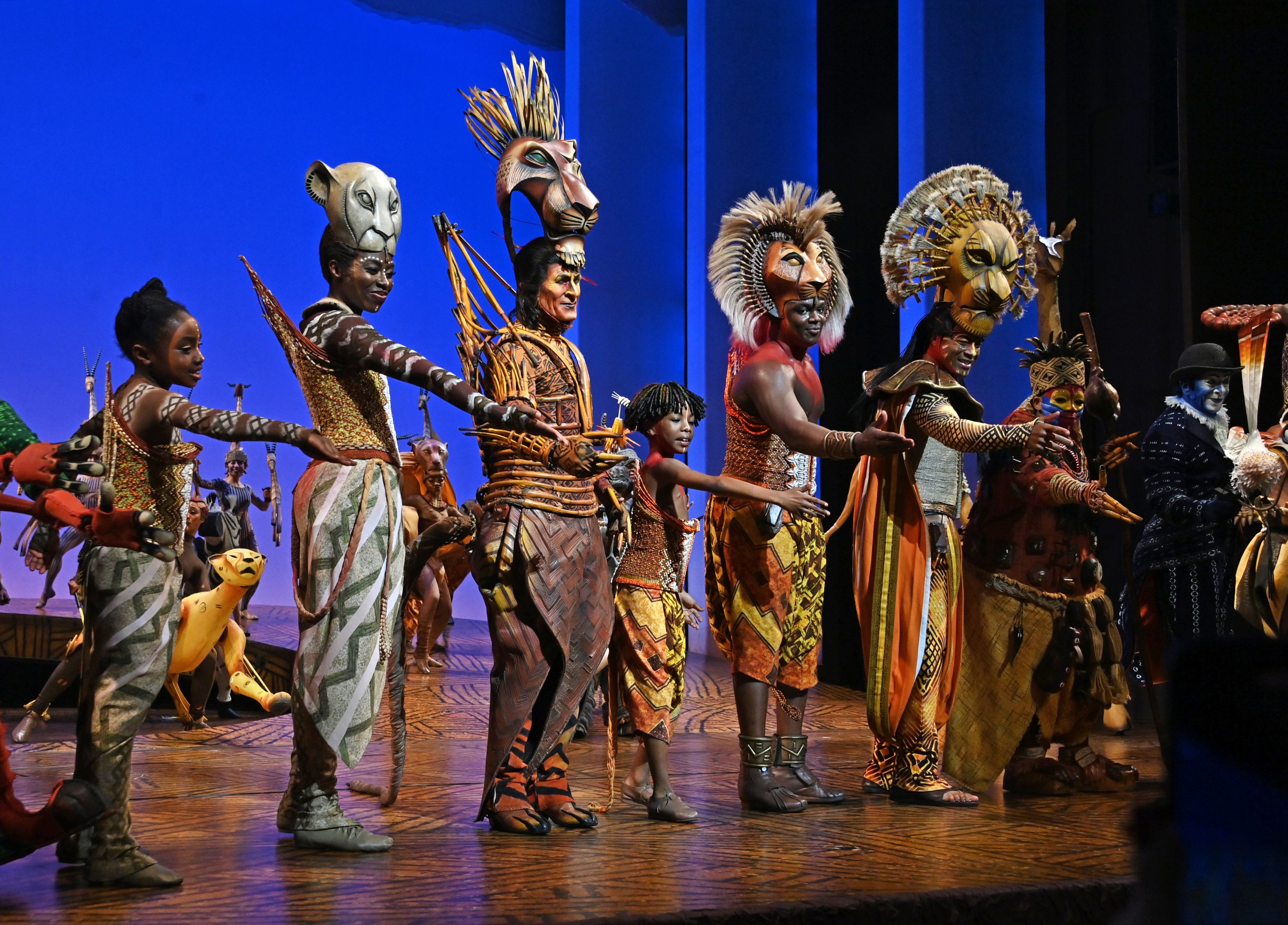
Dance becomes part of the aesthetic, a movement language that mirrors the body-conscious grace of fashion photography. The ensemble doesn’t just perform; they pose within rhythm, transforming choreography into design.
So why does "The Lion King" continue to sell out, decade after decade? Because it satisfies a hunger that fashion understands deeply – the desire for transformation.
In a world saturated with digital imagery, this production reminds us of the beauty of the handmade. The stitches are visible, the textures real, the craftsmanship sacred. It’s a celebration of imperfection; a rejection of the synthetic in favor of the soulful.
What Taymor created is not just theater; it’s wearable mythology. Each performance is a collection – timeless, tribal and transcendent – a meditation on identity, heritage and creation itself.
It’s no wonder audiences return again and again. "The Lion King" is more than a story about animals and kings. It’s a love letter to the artistry of making; proof that when fashion, theater and spirit align, even the savannah can become the most extraordinary runway in the world.