Daily Sabah logo

Politics
Diplomacy Legislation War On Terror EU Affairs Elections News Analysis
TÜRKİYE
Istanbul Education Investigations Minorities Expat Corner Diaspora
World
Mid-East Europe Americas Asia Pacific Africa Syrian Crisis Islamophobia
Business
Automotive Economy Energy Finance Tourism Tech Defense Transportation News Analysis
Lifestyle
Health Environment Travel Food Fashion Science Religion History Feature Expat Corner
Arts
Cinema Music Events Portrait Reviews Performing Arts
Sports
Football Basketball Motorsports Tennis
Opinion
Columns Op-Ed Reader's Corner Editorial
PHOTO GALLERY
JOBS ABOUT US RSS PRIVACY CONTACT US
© Turkuvaz Haberleşme ve Yayıncılık 2025

Daily Sabah - Latest & Breaking News from Turkey | Istanbul

  • Politics
    • Diplomacy
    • Legislation
    • War On Terror
    • EU Affairs
    • Elections
    • News Analysis
  • TÜRKİYE
    • Istanbul
    • Education
    • Investigations
    • Minorities
    • Expat Corner
    • Diaspora
  • World
    • Mid-East
    • Europe
    • Americas
    • Asia Pacific
    • Africa
    • Syrian Crisis
    • Islamophobia
  • Business
    • Automotive
    • Economy
    • Energy
    • Finance
    • Tourism
    • Tech
    • Defense
    • Transportation
    • News Analysis
  • Lifestyle
    • Health
    • Environment
    • Travel
    • Food
    • Fashion
    • Science
    • Religion
    • History
    • Feature
    • Expat Corner
  • Arts
    • Cinema
    • Music
    • Events
    • Portrait
    • Reviews
    • Performing Arts
  • Sports
    • Football
    • Basketball
    • Motorsports
    • Tennis
  • Gallery
  • Opinion
    • Columns
    • Op-Ed
    • Reader's Corner
    • Editorial
  • TV
  • Life
  • Health
  • Environment
  • Travel
  • Food
  • Fashion
  • Science
  • Religion
  • History
  • Feature
  • Expat Corner

As screen time increases, OCD likely to develop in preteens

by Deutsche Presse-Agentur - dpa

NEW YORK Dec 13, 2022 - 2:03 pm GMT+3
Edited By Buse Keskin
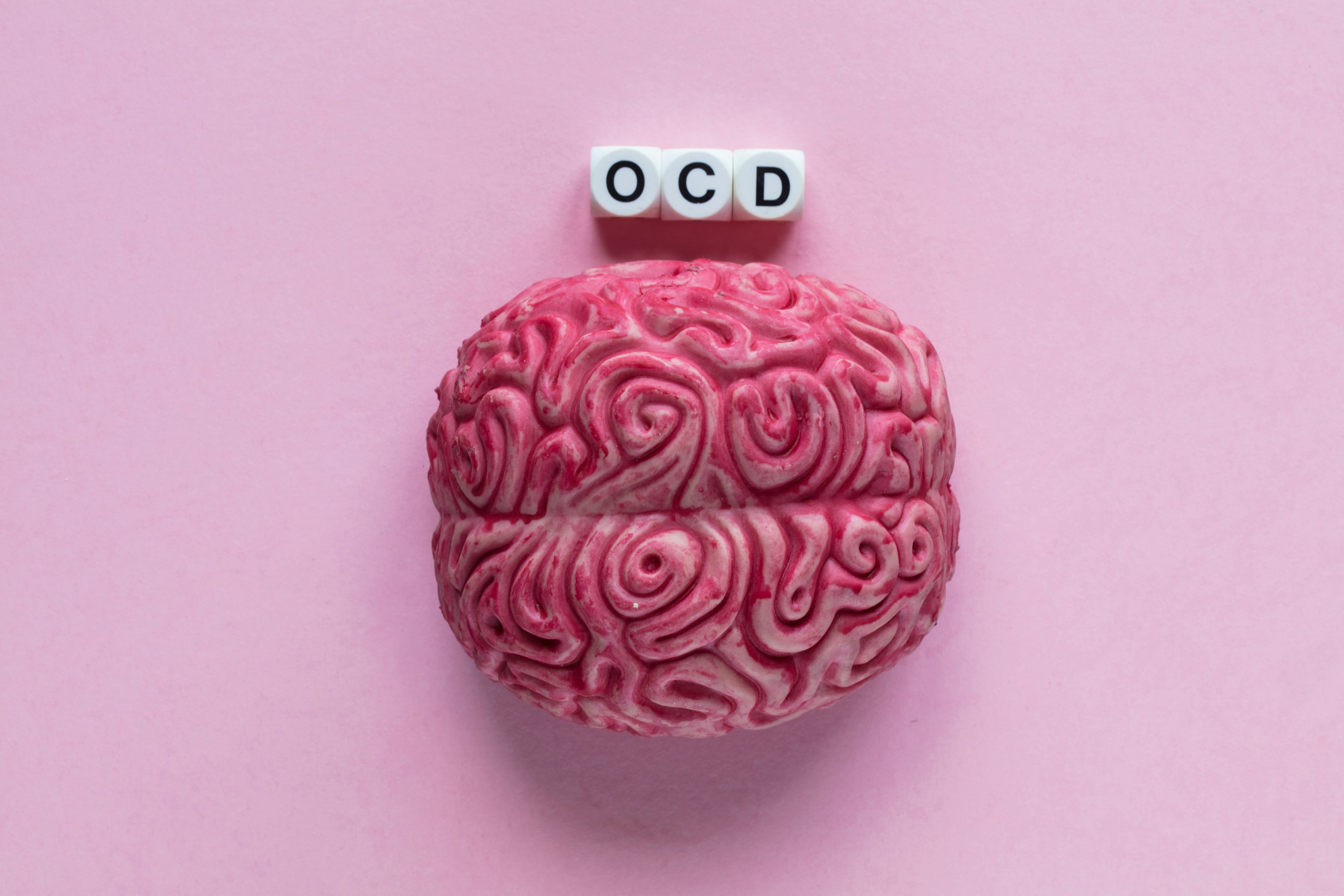
Human brain descriptive with the word Obsessive Compulsive Disorder (OCD). (Shutterstock Photo)
by Deutsche Presse-Agentur - dpa Dec 13, 2022 2:03 pm
Edited By Buse Keskin

A recent study reveals that preteens who spend too much time glued to their screens have higher odds of developing obsessive compulsive disorder (OCD).

Their odds of developing OCD over two years increased by 13% for every hour they played video games, and by 11% for every hour they watched videos. This is according to a new study led by UC San Francisco (UCSF) researchers, published Monday in the Journal of Adolescent Health.

The study's lead author has warned parents that excessive screen time can have a detrimental impact on preteens’ mental health. "Children who spend excessive time playing video games report feeling the need to play more and more and being unable to stop despite trying,” said Jason Nagata, MD, assistant professor of pediatrics at UCSF.

”Intrusive thoughts about video game content could develop into obsessions or compulsions.” He said watching videos can also make preteens want to view similar content compulsively. Algorithms and advertisements can exacerbate that behavior, he added.

OCD is a mental health condition involving recurrent and unwanted thoughts and repetitive behaviors a person feels driven to perform.

”Screen addictions are associated with compulsivity and loss of behavioral control, which are core symptoms of OCD,” Nagata said. Researchers asked 9,204 preteens aged 9 to 10 in the U.S. how much time they spent on different platforms.

The average was 3.9 hours per day. The use of screens for educational purposes was excluded. Two years later, 4.4% of preteens had developed new-onset OCD. Video games and streaming videos were each connected to a higher risk of developing OCD. Texting, video chat and social media did not link individually with OCD, but that may be because the preteens in the sample did not use them much, researchers said. Results may differ for older teens, they added.

In July, Nagata and his colleagues discovered excessive screen time was linked to disruptive behavior disorders in nine to 11-year-olds, with social media as the biggest contributor. In 2021, they found adolescent screen time had doubled during the pandemic.

A separate study warned parents that frequently giving young children mobile devices to soothe them could do more harm than good in the long run. Some 422 parents, plus 422 children aged three to five, took part in the study from August 2018 to January 2020, with the results published by JAMA Pediatrics on Monday.

The researchers from the University of Michigan in Ann Arbor wanted to know if giving children smartphones or tablets to calm them down would create long-term issues for their executive functioning and emotional reactivity.

The study explained that executive functioning encompasses "inhibitory control, working memory and attention flexibility." The paper found that, particularly in boys or young children with higher temperamental surgency, the frequent use of devices for calming should be avoided.

Surgency “reflects an individual’s disposition towards positive affect, approach, sociability, high-intensity pleasure, reward seeking, and a high activity level,” according to the Encyclopaedia of Personality and Individual Differences.

The study concluded: “Although using videos, apps, or photographs on a device may be effective in distracting or assuaging a young child’s distress at the moment, the results of this study suggest that this practice may become a more frequent habit with more emotionally reactive children and that this may worsen their emotion-regulation skills over time."

”Particularly for boys and children with more surgent temperaments, pediatric healthcare professionals may wish to encourage alternative methods and therapeutic supports for emotion regulation from an early age.”


  • shortlink copied
  • Last Update: Dec 13, 2022 4:40 pm
    KEYWORDS
    ocd social media addiction obsessive compulsive disorder
    The Daily Sabah Newsletter
    Keep up to date with what’s happening in Turkey, it’s region and the world.
    You can unsubscribe at any time. By signing up you are agreeing to our Terms of Use and Privacy Policy. This site is protected by reCAPTCHA and the Google Privacy Policy and Terms of Service apply.
    No Image
    Hagia Sophia History and Experience Museum highlights 1,700 years of history
    PHOTOGALLERY
    • POLITICS
    • Diplomacy
    • Legislation
    • War On Terror
    • EU Affairs
    • News Analysis
    • TÜRKİYE
    • Istanbul
    • Education
    • Investigations
    • Minorities
    • Diaspora
    • World
    • Mid-East
    • Europe
    • Americas
    • Asia Pacific
    • Africa
    • Syrian Crisis
    • İslamophobia
    • Business
    • Automotive
    • Economy
    • Energy
    • Finance
    • Tourism
    • Tech
    • Defense
    • Transportation
    • News Analysis
    • Lifestyle
    • Health
    • Environment
    • Travel
    • Food
    • Fashion
    • Science
    • Religion
    • History
    • Feature
    • Expat Corner
    • Arts
    • Cinema
    • Music
    • Events
    • Portrait
    • Performing Arts
    • Reviews
    • Sports
    • Football
    • Basketball
    • Motorsports
    • Tennis
    • Opinion
    • Columns
    • Op-Ed
    • Reader's Corner
    • Editorial
    • Photo gallery
    • DS TV
    • Jobs
    • privacy
    • about us
    • contact us
    • RSS
    © Turkuvaz Haberleşme ve Yayıncılık 2021